Solo travel in Botswana – a complete guide for joining a group
Botswana is one of Africa's great wildlife countries. The Okavango Delta floods a desert with clear water, Chobe is famous for its huge elephant herds, and the Makgadikgadi salt pans and Central Kalahari feel almost empty. The country is politically stable, English is an official language and people are generally friendly and calm, which makes it a comfortable place to travel on your own.
It is not an easy country to explore cheaply or alone, though. Distances are long, most wildlife areas have deep sand tracks, there is little public transport inside the parks, and much of the tourism is built around remote lodges and camps. For many solo travellers, joining a small group or a shared safari for the wild areas is the practical way to go, with a few independent days in Maun, Kasane or Gaborone before or after.
How to get to Botswana from the USA, UK, Canada, Australia…
Information checked: October 2026 · how we check
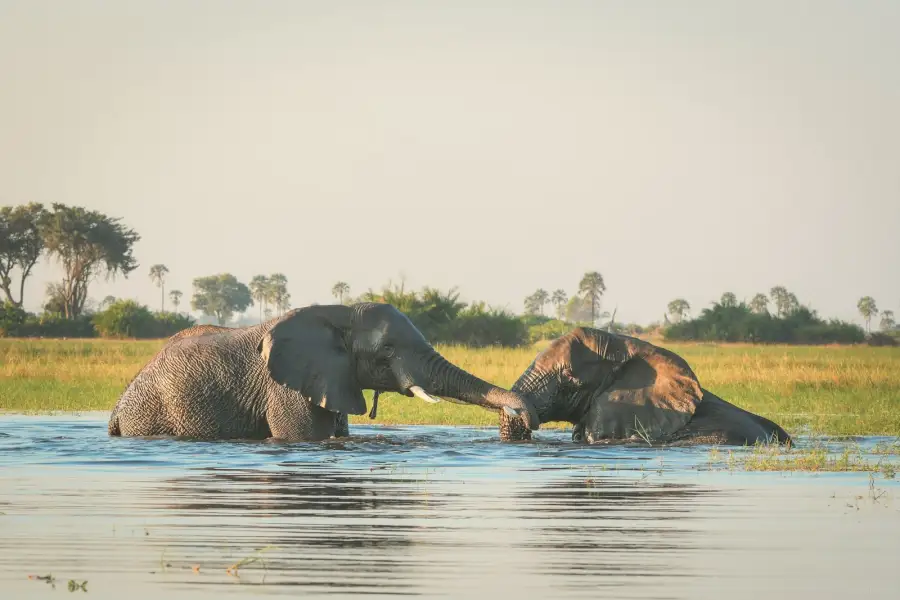
Places to visit in Botswana as a solo traveller
A full guide for each: what to see, where to stay, safety and how many days.
Botswana month by month
Typical weather and what each month is like for a group trip. Every year is different – check the forecast before you go.
Green season with afternoon storms; good for birds and newborn animals, but some sandy roads become hard going.
Lush landscapes and zebra gathering on the Makgadikgadi and Nxai Pan grasslands, though rain can disrupt plans.
Rains start to ease; the pans can still be wet and the delta waters have not yet arrived.
A quiet shoulder month with green bush, fewer visitors and pleasant evenings.
The dry season begins and the Okavango flood waters usually start reaching the delta from Angola.
Clear skies and good game viewing as animals gather near water; pack warm layers for early drives.
Peak season, with the delta usually at its fullest; camps and campsites book up far ahead.
Dry and busy, with excellent wildlife along the Chobe riverfront and in the delta.
Hot, dusty and one of the best months for wildlife as water sources shrink.
Very hot before the rains, but game viewing can be outstanding if you can handle the heat.
The first rains arrive, the bush turns green and many antelope give birth.
Wet and warm, good for birding; some remote areas and tracks are harder to reach.
Great timeMixedTough (heat, rain or crowds)
Solo travel in Botswana: the guide
Why join a group trip in Botswana as a solo traveller
Botswana rewards planning more than almost any other country in southern Africa. The best wildlife areas, such as Moremi Game Reserve in the Okavango Delta, the Savuti and Linyanti areas of Chobe National Park and the Central Kalahari, are reached on deep sand tracks with no fuel, no shops and often no phone signal. Campsites inside the parks are limited and booked well in advance, and the delta itself is partly reached only by small aircraft or boat.
For a solo traveller this creates two problems: logistics and cost. Hiring a fully equipped 4x4 and driving remote tracks alone is not recommended, and the vehicle, fuel and camping fees are hard to justify for one person. A small group trip or a shared mobile safari spreads those costs, provides an experienced driver-guide who can read the sand and the animals, and gives you company around the fire at night.
High-value, low-volume tourism
Botswana has long followed a tourism model often described as high-value, low-volume. In practice this means many concessions in the delta allow only small numbers of guests, which keeps areas quiet but makes them expensive. Overland and mobile camping trips that use public campsites are usually the more affordable way to see the same landscapes, while lodges and fly-in camps sit at the top end.
- Single supplements: camps and lodges often price per person sharing, so ask whether a trip offers a shared tent or room with another solo traveller of the same gender.
- Group size: safari vehicles and mokoro trips work best with small groups, so check how many people share a vehicle.
- Style: check whether you will be camping and helping with camp chores, or staying in fixed tented camps.
A common plan is to arrive in Maun or Kasane on your own, spend a day or two arranging a scenic flight or a river cruise, then join a group for the remote parks.
Best time to visit Botswana
The best time to visit Botswana for classic wildlife viewing is the dry season, from about May to October. Rain is rare, the bush thins out and animals gather around rivers, lagoons and waterholes, which makes them easier to see. This is also when the Okavango flood is usually at its highest.
The Okavango flood
The delta's water comes from rain that falls in the Angolan highlands months earlier. It moves slowly south and usually reaches the delta from around May, often peaking in June to August, at the same time as the local dry season. This means you can glide through channels in a mokoro while the surrounding Kalahari is bone dry. Water levels vary greatly from year to year.
Dry season temperatures
June and July bring warm, sunny days of around 24°C but cold nights and early mornings, sometimes close to freezing in the Kalahari. Open safari vehicles are chilly at dawn, so bring a warm jacket, hat and gloves. September and October get steadily hotter, and October days of 35°C or more are common.
Green season
From about November to April, rain falls mainly in afternoon storms. The landscape turns green, migratory birds arrive and many animals give birth. Large numbers of zebra and other grazers can gather on the grasslands of the Makgadikgadi and Nxai Pan, often around February to April. Some tracks become muddy or flooded and a few camps close, but prices and crowds are often lower.
Health and timing
Malaria is present in the north of the country, including the Okavango and Chobe areas, with higher risk during and just after the rains. Speak to a travel health professional before your trip about prevention, whichever month you travel.
Public holidays such as Independence Day on 30 September and the Christmas period can be busy with domestic travellers, so book accommodation early.
What to pack for Botswana
Your Botswana packing list is shaped by two things: game drives in open vehicles and, if you fly into the delta, strict luggage rules on small aircraft. Light aircraft usually require soft bags without wheels or frames and set a low weight limit, often around 15–20 kg including hand luggage. Check the exact limit for your trip before you pack.
Clothing
- Neutral colours such as khaki, olive, beige and brown, which are cooler and less distracting to wildlife. Avoid bright white and, in tsetse areas, dark blue and black.
- Long-sleeved shirts and long trousers for sun and evening mosquitoes.
- A warm fleece, jacket, hat and gloves for dry-season mornings and evenings, which can be very cold.
- A wide-brimmed hat and a buff for dust on sandy tracks.
- Sturdy closed shoes for walking safaris and camp, plus sandals.
For safari
Binoculars make a big difference, ideally one pair per person. If you are into photography, a zoom lens is useful because many sightings are at a distance. Bring spare batteries and memory cards, as charging can be limited in camps that run on solar power. A dust-proof bag protects cameras on bumpy drives.
Health and practical items
- Insect repellent and any malaria prevention advised by a health professional.
- High-factor sunscreen, lip balm and sunglasses.
- A head torch for campsites, where you should not walk around in the dark without light.
- A refillable water bottle; in remote areas you may rely on stored water.
- A plug adapter for Type D, G and M sockets.
- Some cash in pula or small US dollar notes for tips, plus a card for larger towns.
Pack light. A smaller bag is easier on game vehicles, mokoro trips and small planes.
Botswana visa and entry requirements
Many travellers do not need a visa for a short holiday in Botswana. Passport holders from the UK, most EU countries, the USA, Canada and Australia have generally been able to visit as tourists without a visa, often for up to 90 days in a 12-month period. Rules depend on your nationality and can change, so check before you book.
Passport requirements
Your passport should usually be valid for at least six months beyond your arrival date and have blank pages for entry stamps. Some border posts are strict about blank pages, especially if you are crossing between Botswana, Zambia, Zimbabwe, Namibia and South Africa on one trip. Make sure your passport is in good condition.
Nationalities that need a visa
Some nationalities need a visa arranged before travel, and Botswana has introduced an online visa application system for eligible travellers. Whether you need it depends on your passport, so check with the Botswana embassy or high commission in your country, or your government's travel advice, and use only official government websites.
Fees, health and crossings
- Fees on arrival: some visitors have been asked to pay a tourism levy or other entry fees. Check current rules before you travel.
- Yellow fever: you may need a yellow fever vaccination certificate if you arrive from, or have recently passed through, a country with yellow fever risk.
- Cross-border trips: Kasane is close to Victoria Falls. Zambia and Zimbabwe have their own visa rules, so check them separately if you plan a day trip.
- Vehicles: if you hire a car in South Africa or Namibia, ask about cross-border paperwork and road fees.
Where to check
Use your own government's travel advice for Botswana, such as the UK Foreign Office, the US State Department, Smartraveller in Australia or Travel.gc.ca in Canada, together with the Botswana embassy or high commission in your country. Travel insurance that covers medical evacuation is strongly recommended, as remote areas are a long way from hospitals.
How much does a trip to Botswana cost?
Botswana is often a high-cost destination, and it is worth being clear about this before you plan. The famous delta lodges and fly-in camps are among the most expensive places to stay in Africa, partly because of the country's low-volume approach to tourism. That said, travellers who camp, self-cater and use public campsites can see a lot for much less. All figures below are approximate 2026 ranges in euros for independent costs; the local currency is the Botswana pula (BWP), and prices change, so check before you go.
Botswana budget per day
- Low budget, around €50–80 per day: camping or backpacker beds in Maun, Kasane and Gaborone, self-catering from supermarkets, buses between towns and a few short local excursions.
- Mid-range, around €120–220 per day: guesthouses and chalets in towns, restaurant meals, a share of a 4x4 hire, fuel and park fees.
- Remote lodges and camps: far more than the mid-range level, often by a large margin. This is the single biggest cost for most visitors.
Typical independent costs
A campsite pitch in a town or at a community site is often around €10–20 per person, and a simple guesthouse or chalet double room roughly €50–110. A meal at a local takeaway or café might cost €4–8, while a restaurant dinner at a riverside lodge in Kasane or Maun is more like €15–30. Supermarkets in larger towns are well stocked, which helps if you self-cater.
Hiring a 4x4 with camping gear is a major cost and is usually priced per day, plus fuel and insurance. National park entry is charged per person per day, with additional vehicle and camping fees, and some campsites inside parks are run by private operators with their own fees. Check the current rates with the Department of Wildlife and National Parks and the campsite before you travel.
Where the money goes
For most visitors, the biggest costs are getting into the wild areas, accommodation and transport. Scenic flights over the delta, mokoro trips and river cruises add to this. A group or shared trip makes costs more predictable and avoids paying for a vehicle on your own. Keep some cash for tips and for small towns, as cards are widely accepted in cities but not always in remote places.
Is Botswana safe for solo and female travellers?
Botswana is often regarded as one of the more stable and relaxed countries in southern Africa, and many solo travellers, including women, visit without problems. Crime still exists, especially petty theft and some burglaries and muggings in towns, so normal precautions apply. Read your government's current travel advice before you go, as it is updated when the situation changes.
Wildlife safety
The biggest risks in Botswana are often natural rather than human. Many campsites are unfenced, and elephants, hippos, lions and hyenas can walk through at any time, especially at night.
- Always follow your guide's instructions and stay in the vehicle unless told otherwise.
- Never walk around a campsite in the dark without a torch, and never between tents and the riverbank at night, where hippos graze.
- Keep food sealed and stored away; never leave fruit in a tent, as elephants can smell it.
- Do not swim in rivers or lagoons because of crocodiles and hippos.
Road safety
Main tar roads are generally in fair condition, but animals, including elephants, cattle and donkeys, often wander onto them, especially at night. Avoid driving after dark. Deep sand, water crossings and long distances between fuel stops make remote driving demanding, and solo drivers should avoid remote tracks altogether.
Tips for women travelling alone
Women travelling alone in Botswana generally report fewer issues with harassment than in some other destinations, but it can still happen. Choose well-reviewed guesthouses, arrange airport pick-ups in advance, and take registered taxis at night in Gaborone, Maun and Francistown. Dress is relaxed in towns, though modest clothing is appreciated in villages. In camps, ask for a tent close to the main area if you prefer.
Health
Malaria is present in the north, so get advice from a health professional before you go. HIV prevalence is high, so take normal precautions. Medical facilities in remote areas are very limited and evacuation can be needed for serious problems, which is why insurance with medical evacuation cover matters. Drink treated or bottled water where you are unsure of the supply.
Getting around Botswana
Getting around Botswana depends on where you want to go. Moving between the main towns is fairly easy by bus or car, but the wildlife areas need a 4x4, a boat or a small aircraft.
Buses and combis
Long-distance buses and smaller minibuses, known as combis, link towns along the main roads, such as Gaborone, Palapye, Francistown, Nata, Maun and Kasane. They are cheap and used mainly by local people. They usually leave when full, so travel times are unpredictable and arrivals after dark are possible. They do not enter the national parks.
Self-drive
Botswana is popular for self-drive camping trips in a 4x4 with a rooftop tent. It can be a great adventure but is demanding: tracks in Moremi, Savuti and the Central Kalahari are often deep sand, some need water crossings, and fuel stops are far apart. Park campsites must usually be booked in advance. For a solo traveller with no off-road experience, driving remote areas alone is not a good idea; travelling in convoy or with a guide is much safer.
Flights and light aircraft
- Domestic flights connect Gaborone with Maun, Kasane and Francistown, saving long drives.
- Light aircraft fly from Maun and Kasane to airstrips in the delta and other remote areas, with strict luggage limits.
- Scenic flights over the Okavango from Maun, by small plane or helicopter, are a popular way to see the delta's channels from above.
On the water
In the Okavango Delta, the traditional mokoro, a dugout canoe now often made from fibreglass, is poled by a local guide through narrow channels. Motorboats are used in deeper water. On the Chobe River near Kasane, boat cruises bring you close to elephants, hippos and buffalo, especially in the late afternoon.
Taxis in towns are generally registered and identified by their blue number plates. Agree the fare or check whether the price is fixed before you set off.
Culture, etiquette and food
The people of Botswana are called Batswana, and Setswana culture puts a strong emphasis on respect, community and calm conversation. Many visitors notice how polite and unhurried daily life feels. The San, among the oldest peoples of southern Africa, have lived in the Kalahari for thousands of years, and their rock art can be seen at the Tsodilo Hills.
Etiquette
- Greet people before asking a question. Dumela rra (to a man) or dumela mma (to a woman) is appreciated.
- Shaking hands is common; a soft handshake, sometimes with the left hand touching the right forearm, shows respect.
- Ask before photographing people, and be careful near government buildings, military areas and the State House, where photography may be restricted.
- Respect elders and avoid raising your voice in public.
- In villages, dress modestly and follow the lead of your guide or host.
Conservation rules
Botswana takes wildlife protection seriously. Stay on marked tracks, do not drive off-road unless it is clearly allowed, never feed animals and keep a respectful distance. Buying wildlife products such as ivory is illegal.
What to eat in Botswana
The national dish is seswaa, beef or goat meat slowly boiled and pounded until it falls apart, usually served at celebrations with bogobe, a thick porridge made from sorghum or maize. Pap, the maize porridge found across southern Africa, comes with stews and greens such as morogo. Magwinya, fried dough balls often called fat cakes, are a popular snack, and madila is a traditional sour milk.
Adventurous eaters may try mophane worms, the caterpillars of the emperor moth, dried or fried and eaten as a protein-rich snack. Beef is excellent and widely available, and braai, the southern African barbecue, is a social event. In safari camps, food is usually international, with local dishes on some nights.
Festivals
Look out for traditional dance and music at events such as the Kuru Dance Festival near D'Kar in the Ghanzi area, which celebrates San culture, and the Maitisong Festival of performing arts in Gaborone. Dates change each year, so check local listings.
Meeting other travellers in Botswana
Botswana has fewer backpackers than South Africa or Namibia, but the travellers you meet are often doing similar trips, which makes it easy to connect. Most visitors pass through Maun, the gateway to the Okavango Delta, or Kasane, the gateway to Chobe.
Where solo travellers meet
- Maun lodges and campsites: riverside lodges with campsites and bars on the Thamalakane River are classic meeting points before and after delta trips.
- Kasane riverfront: sunset boat cruises on the Chobe River and the lodges along the river bring travellers together in the evening.
- Overland and mobile safaris: camping trips with shared vehicles, campfire dinners and camp chores are naturally sociable.
- Mokoro trips: overnight mokoro trips with bush camping put small groups together for a few days in the delta.
- The pans: visits to the Makgadikgadi, with their sleep-outs under the stars and habituated meerkat colonies in some areas, often involve small shared groups.
Joining a group trip
A group trip is the most reliable way to have company throughout and to reach the remote parks safely. When comparing options, look at the group size, whether you camp or stay in fixed camps, whether solo travellers can share a tent or room, how much time is spent driving, and what is not included, such as park fees, drinks or tips. Some trips combine Botswana with Victoria Falls, Namibia or South Africa.
Meeting Batswana
Guides, mokoro polers and camp staff are often from the local communities around the parks and are usually happy to talk about village life, Setswana traditions and wildlife. Some community-run campsites and cultural visits give a deeper picture of life on the edges of the delta and the Kalahari. In Gaborone, markets and weekend events are a good way to see everyday life.
Botswana packing list
- Neutral-coloured shirts and trousers in khaki, olive or beige
- Long sleeves and long trousers for sun and evening mosquitoes
- Warm fleece or down jacket, beanie and gloves for dry-season mornings
- Soft duffel bag without wheels for light-aircraft flights
- Binoculars, ideally one pair per person
- Wide-brimmed hat, sunglasses and high-factor sunscreen
- Buff or scarf for dust on sandy tracks
- Insect repellent and any malaria prevention advised by a doctor
- Head torch for unfenced campsites
- Sturdy closed shoes for walking safaris
- Sandals or flip-flops for camp
- Power bank and spare camera batteries for solar-powered camps
- Dust-proof bag for camera and phone
- Refillable water bottle
- Plug adapter for Type D, G and M sockets
- Small cash in pula or small US dollar notes for tips
- Light rain jacket for the green season
The general list for any trip: solo travel packing list.
Typical costs in Botswana
| What | Basic | Mid-range |
|---|---|---|
| Campsite or dorm bed | €10–20 (town campsite) | €50–110 (guesthouse double room) |
| Breakfast or café meal | €3–6 | €8–15 |
| Dinner | €4–8 (takeaway or self-catering) | €15–30 (lodge restaurant) |
| Supermarket shop for a day | €8–15 | €15–25 |
| Long-distance bus (e.g. Maun–Kasane) | €8–20 | Domestic flights vary widely – check current fares |
| Town taxi ride | €2–6 (shared or short trip) | €15–35 (airport transfer) |
| 4x4 hire with camping gear (per day) | €100–160 (shared between travellers) | €160–250 (newer vehicle, extras) |
| Fuel for a day of driving | €25–50 | €50–90 |
| Remote lodge or fly-in camp | Not usually possible on a low budget | Very high – the main cost of a Botswana trip |
Approximate prices for 2026 in euros. Prices change – check before you go. More: how to budget a solo trip.
Botswana itineraries: 5, 7, 10 and 14 days
Routes that work for a first visit – on your own or as the shape of a group trip.
Botswana in 5 days: Chobe and Victoria Falls
Kasane – Chobe riverfront – Victoria Falls (optional) – Kasane
- Day 1Arrive in Kasane
Settle in by the river and take a late-afternoon boat cruise on the Chobe to see elephants and hippos at the water's edge.
- Days 2–3Chobe riverfront
Join morning and afternoon game drives along the riverfront, one of the best places in Africa for elephant and buffalo herds.
- Day 4Victoria Falls day trip
If your visa rules allow, cross into Zimbabwe or Zambia for the falls; check entry requirements for each country first.
- Day 5Departure
Fit in a final river activity or a visit to a local craft centre before your flight.
Botswana in 7 days: Okavango Delta and Chobe
Maun – Okavango Delta – Moremi – Kasane
- Day 1Arrive in Maun
Rest at a riverside lodge or campsite and, if possible, take a scenic flight over the delta in the afternoon.
- Days 2–3Mokoro in the Okavango
Head into the delta for a mokoro trip with a local poler, walking on islands and camping or staying in a simple camp.
- Days 4–5Moremi Game Reserve
Game drives in one of Botswana's richest reserves, known for lions, leopards, wild dogs and birdlife.
- Days 6–7Kasane and the Chobe River
Fly or drive to Kasane for a boat cruise and game drive on the Chobe riverfront before departure.
Botswana in 10 days: delta, Savuti and Chobe
Maun – Okavango Delta – Moremi – Savuti – Chobe – Kasane
- Days 1–2Maun
Arrive, recover and see the delta from the air on a scenic flight.
- Days 3–4Okavango by mokoro
Spend two days in the channels and islands of the delta, with guided walks and nights under the stars.
- Days 5–6Moremi
Explore Moremi's lagoons and floodplains on game drives.
- Days 7–8Savuti
Travel through the sand tracks to Savuti in Chobe National Park, known for its predators and wide open marsh.
- Days 9–10Chobe riverfront and Kasane
Finish with river cruises and game drives along the Chobe, then fly out or continue to Victoria Falls.
Botswana in 2 weeks: Kalahari, pans, delta and Chobe
Gaborone or Maun – Central Kalahari – Makgadikgadi Pans – Okavango Delta – Moremi – Savuti – Kasane
- Days 1–3Central Kalahari
Head into the Central Kalahari Game Reserve for Deception Valley's open plains, desert-adapted wildlife and huge night skies.
- Days 4–5Makgadikgadi and Nxai Pan
See the vast salt pans, ancient baobabs and, in the green season, grazing herds on the grasslands.
- Days 6–8Maun and the delta
Take a scenic flight and spend two nights on a mokoro trip in the Okavango.
- Days 9–10Moremi
Game drives through Moremi's floodplains and woodlands.
- Days 11–12Savuti
Cross into Chobe National Park for Savuti's open marsh and rocky outcrops.
- Days 13–14Kasane
Relax on the Chobe River with a sunset cruise before your flight home.
Where to go in Botswana
A vast inland delta and UNESCO World Heritage Site, explored by mokoro, boat, on foot and from the air.
The relaxed gateway town to the delta, with riverside lodges, campsites and many other travellers.
The protected heart of the eastern delta, with lagoons, floodplains and rich predator sightings.
Famous for large elephant herds and river cruises, and close to Victoria Falls.
A remote part of Chobe National Park with open marsh and a reputation for big cats; reached on sandy tracks.
Huge salt pans, baobabs and starry skies, with seasonal herds of grazers on the grasslands.
One of Africa's largest reserves, a wild and isolated desert landscape best visited with an experienced guide.
A UNESCO-listed site in the north-west with thousands of rock paintings and deep spiritual meaning for the San.
Group trips in Botswana for solo travellers
We have no confirmed group departure in Botswana yet. We only list real dates.
Host your own group trip to BotswanaHow to choose a group tripSingle supplement explained
Solo travel in Botswana: questions
Is Botswana good for solo travel?
Botswana is a calm, stable and English-speaking country, so it is comfortable for solo travellers. The challenge is getting into the remote wildlife areas on your own, which is why many solo travellers join a small group or shared safari for the parks.
Is Botswana safe for solo female travellers?
Many women travel in Botswana alone without problems, and street harassment is generally less common than in some other destinations. Petty crime happens in towns, and wildlife in unfenced camps is a real risk. Check your government's latest travel advice before you go.
What is the best time to visit Botswana?
May to October is the dry season and usually the best time for wildlife, with the Okavango flood often peaking around June to August. The green season, roughly November to April, is good for birds, newborn animals and the pans, but brings heat and rain.
Do I need a visa for Botswana?
Many nationalities, including UK, most EU, US, Canadian and Australian passport holders, have generally been able to visit as tourists without a visa for short stays. Rules depend on your passport and can change, so check your government's advice and the Botswana embassy before you travel.
Is Botswana expensive?
Yes, Botswana is often one of the more expensive countries in Africa to visit, mainly because remote lodges and camps are costly. Camping, self-catering and shared trips keep costs lower, but you should still budget more than for most of the region.
How many days do I need in Botswana?
Five days is enough for Chobe or a short delta visit. Seven to ten days lets you combine the Okavango Delta, Moremi and Chobe, and two weeks allows you to add the Makgadikgadi Pans or the Central Kalahari.
What is a mokoro trip?
A mokoro is a traditional dugout canoe, now often made of fibreglass, poled by a local guide through the channels of the Okavango Delta. Trips range from a few hours to several days with bush camping, and they are a quiet way to see birds, lilies and sometimes elephants or hippos.
Do I need malaria tablets for Botswana?
Malaria is present in the north of Botswana, including the Okavango and Chobe areas, with higher risk during and after the rains. Speak to a doctor or travel health clinic about prevention before you go, and use insect repellent and long sleeves in the evening.
Can I self-drive in Botswana alone?
Main roads between towns are manageable, but the parks have deep sand, water crossings and long gaps between fuel stops. Driving remote areas alone without off-road experience is not recommended; travel in convoy, hire a guide or join a group instead.
Can I visit Victoria Falls from Botswana?
Yes, Kasane is close to the borders with Zimbabwe and Zambia, and many travellers visit Victoria Falls as a day or overnight trip. Check the visa and entry rules for Zimbabwe or Zambia separately before you go.
Botswana for solo travellers, groups and women: more questions
Is Botswana a good destination for a first solo trip?
Botswana is calm, stable and English-speaking, so day-to-day life is easy for a solo traveller. The hard part is reaching the wildlife areas, which need a 4x4, a boat or a small plane and careful planning. Many first-time solo visitors stay independently in Maun or Kasane and join a small group or shared safari for the parks.
Is Botswana safe for a woman travelling alone?
Many women travel in Botswana alone without serious problems, and street harassment is generally less common than in some other destinations. Petty crime and occasional muggings happen in towns, and wildlife in unfenced campsites is a real risk. Use registered taxis at night, choose well-reviewed guesthouses and check your government's latest travel advice.
Can I do a safari in Botswana on my own?
You can take river cruises, scenic flights and short guided activities on your own from Maun and Kasane. Driving into Moremi, Savuti or the Central Kalahari alone is not recommended because of deep sand, water crossings and long distances without fuel or signal. Joining a group or shared mobile safari is the usual way for solo travellers to reach the remote parks.
Why is Botswana so expensive for travellers?
Botswana has long followed a tourism approach often described as high-value, low-volume, with small numbers of guests in many delta concessions. Remote lodges and fly-in camps are therefore costly, and getting to them by small aircraft adds more. Camping, self-catering and shared group trips are the main ways to keep costs down, but Botswana usually remains a high-cost destination.
What is the best month to visit Botswana for wildlife?
The dry season from about May to October is usually best for wildlife, as animals gather near water and the bush thins out. The Okavango flood often peaks around June to August. September and October can be excellent for sightings but are very hot.
Should I join a group tour in Botswana as a solo traveller?
For most solo travellers, yes, at least for the wildlife areas. A group shares the cost of the vehicle, fuel and guide, and an experienced driver-guide handles sand tracks, campsite bookings and animal behaviour. It also gives you company around the fire at night in remote camps.
How do I avoid a single supplement in Botswana?
Many camps and lodges price per person sharing, so solo travellers often pay extra for a private room or tent. Some group trips let you share a tent or room with another solo traveller of the same gender, which avoids the extra charge. Ask about this before you book and check whether shared rooms are guaranteed.
Is the Okavango Delta worth it for solo travellers?
The Okavango Delta is one of Africa's great wilderness areas, and a mokoro trip through its channels is a highlight for many visitors. Solo travellers can join shared mokoro trips from Maun or take a scenic flight to see the delta from above. Visiting in the dry season, when the flood is usually high, gives the best water experience.
How many days do I need in Botswana as a solo traveller?
Five days is enough for Chobe and Kasane, perhaps with Victoria Falls. Seven to ten days lets you combine the Okavango Delta, Moremi and Chobe at a reasonable pace. Two weeks allows you to add the Makgadikgadi Pans or the Central Kalahari.
Is Botswana good for travellers over 50?
Botswana suits many older travellers who enjoy wildlife and quiet landscapes. Long drives on bumpy sand tracks, early starts and basic camping can be tiring, so choose a trip with a comfortable pace, fixed camps if you prefer, and check fitness requirements for walking or mokoro activities. Good travel insurance with evacuation cover is important.
Where do solo travellers meet each other in Botswana?
Riverside lodges and campsites in Maun and Kasane are the classic meeting points, especially their bars and sunset decks. Overland camping trips, overnight mokoro trips and Chobe River boat cruises also bring travellers together. Because Botswana has fewer backpackers than its neighbours, a group trip is the most reliable way to have company.
Do I need malaria tablets for Botswana?
Malaria is present in northern Botswana, including the Okavango Delta and Chobe, especially during and after the rains. Speak to a doctor or travel health clinic before your trip about prevention. Use insect repellent and wear long sleeves in the evening.
Can I combine Botswana with Victoria Falls on a solo trip?
Yes, Kasane is close to the borders with Zimbabwe and Zambia, and many travellers add Victoria Falls for a day or two. Zimbabwe and Zambia have their own entry rules, so check visas for each country before you go. Some group trips include the falls as part of a Botswana itinerary.
Is Botswana good for a women-only group trip?
Botswana works well for women-only and mixed small groups, as camps and safari vehicles suit small numbers. A women-only group can make shared tents and rooms easier and appeals to women who want company on remote camping trips. Check group size, accommodation style and how rooms are allocated.
What should a solo traveller pack for a Botswana safari?
Pack neutral-coloured clothes, warm layers for cold dry-season mornings, a hat, sunscreen, binoculars and a head torch. If you fly into the delta, use a soft bag and check the luggage weight limit, often around 15–20 kg. Bring insect repellent and any malaria prevention a doctor recommends.
People also search for
solo travel botswana botswana solo female travel is botswana safe for solo travellers botswana group tours for solo travellers okavango delta solo traveller botswana small group safari botswana safari without single supplement best time to visit botswana botswana itinerary 7 days botswana budget per day is botswana expensive mokoro trip okavango delta chobe national park solo travel botswana safari for over 50s botswana visa requirements
Official sources to check before you go
- UK Foreign Office travel advice: Botswana
- US State Department international travel information
- Smartraveller (Australian Government) destinations
- Government of Canada travel advice: Botswana
Entry rules, safety advice and prices change. This guide is general information, not legal or medical advice – always check your own government's travel advice.
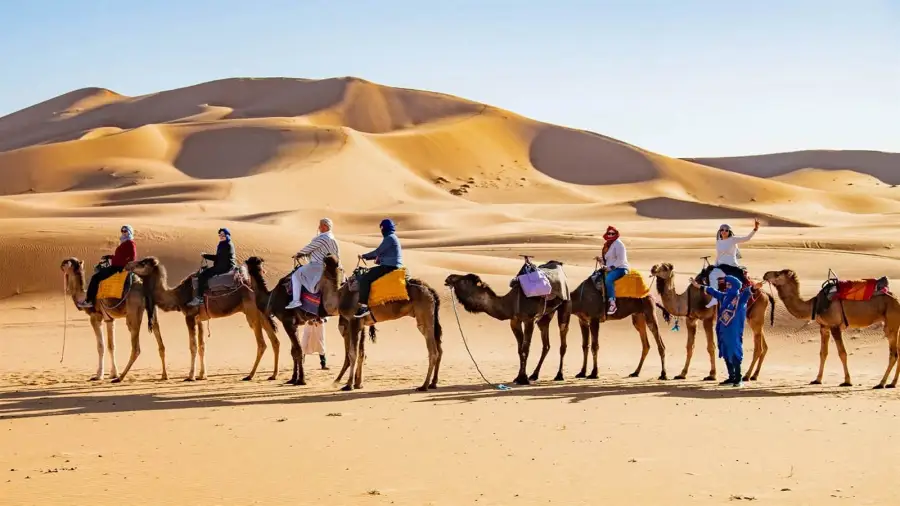
Also loved by solo travellers
Add Morocco to your list
Planning solo travel in Morocco? Best time to go, visa basics, budget per day, safety tips for women, packing list and 5 to 14-day itineraries.
Travel solo. Explore together.
Thinking about Botswana with a group?
Ask us anything about travelling solo with a group, or tell us your dates. When a real group trip matches, we will let you know – no spam, no invented offers.
- 1Tell us the country and monthOr just ask a question – packing, safety, budget.
- 2Get an honest answer by emailFrom people who plan group trips, not a robot.
- 3Join a real departure – or notYou only book when a date suits you. Book now, pay later.