What counts as an adventure group trip?
The word adventure covers a wide range. At one end are trips with a few easy hikes between cities. At the other are multi-day treks at high altitude, nights in tents and long days on foot. Knowing where a trip sits on that scale is the most important part of choosing one.
Common types of adventure trip
- Hiking and trekking: day hikes from a base, or multi-day routes between villages, huts or camps.
- Desert trips: camel rides, four-wheel-drive journeys and nights in desert camps, for example in Morocco or Jordan.
- Cycling: road or mountain biking, sometimes with electric bikes and a support vehicle.
- Water-based trips: kayaking, sailing, snorkelling or rafting.
- Multi-activity trips: a mix of several activities over one or two weeks.
Most adventure trips include a leader and, for specialist activities, qualified local guides. Some also include porters, pack animals or vehicles to carry luggage. Check who carries what – walking with a light day pack is very different from carrying everything yourself.
It is also worth checking how much of the trip is actually active. Some adventure trips include several rest days, city visits or long drives between activities. Others are active almost every day. Both can be good; they simply suit different people.
Fitness levels and how to judge difficulty
Organisers usually grade their trips, but there is no shared standard. One organiser's moderate can be another's challenging. Look beyond the label at the actual numbers.
What to check
- Hours of walking or activity per day, and how many days in a row.
- Height gain and loss: climbing several hundred metres in a day is much harder than walking the same distance on flat ground.
- Maximum altitude: above roughly 2,500 metres, altitude sickness becomes a real risk for some people, regardless of fitness.
- Terrain: paths, scree, sand, snow or river crossings.
- Weather: heat, cold and rain all make a route harder.
Preparing your body
Start training several weeks before the trip. Regular walks with some hills, carrying a day pack, are the most useful preparation for hiking trips. Break in your boots before you go. If you have any health conditions, speak to your doctor before booking, especially for trips involving altitude or very hot conditions. It is better to choose a slightly easier trip and enjoy it than struggle on one that is too hard.
On the trip itself, go at a steady pace and listen to your guide. Groups often walk at the speed of the slowest person, and that is normal. Nobody minds a short rest stop, and pushing too hard on the first day can spoil the rest of the trip.
Safety on adventure trips
Adventure activities carry more risk than sightseeing, and no organiser can remove it completely. What you can do is choose carefully and ask the right questions.
Questions to ask an organiser
- Are guides trained in first aid, and what qualifications do they hold for this activity?
- What safety equipment is provided, and how is it checked?
- What happens if someone is injured or becomes ill in a remote area?
- How are decisions made about bad weather or route changes?
- Is there a plan for altitude sickness on high-altitude trips?
Your own responsibilities
- Buy travel insurance that specifically covers the activities and altitudes involved, including emergency evacuation where relevant.
- Be honest with the leader about your fitness and any health issues.
- Follow the guide's instructions, even if you think you could go faster.
- Drink enough water and tell someone early if you feel unwell.
Check your government's travel advice for the country and specific regions. Some areas carry particular warnings, and conditions can change.
Finally, keep your own copy of key details – insurance policy number, emergency contacts and medical information – somewhere the guide can find it if needed.
What to pack for an adventure group trip
Your trip notes should include a kit list, and that is the best guide. Some items are useful on almost any active trip.
- Comfortable, broken-in footwear suited to the terrain – hiking boots or trail shoes.
- Layers: a base layer, a warm mid layer such as fleece, and a waterproof jacket. Mountains and deserts can be cold at night even when days are hot.
- A comfortable day pack with space for water, snacks, layers and sun protection.
- Sun protection: hat, sunglasses and high-factor sunscreen.
- A refillable water bottle and, where needed, a filter or purification tablets.
- A small first-aid kit with blister plasters and any personal medication.
- A head torch for camps and early starts.
Hire or buy?
Sleeping bags, trekking poles and some technical gear can often be hired locally or through the organiser. Ask what is provided before buying expensive equipment. Check luggage limits too, as some trips limit the weight that porters or pack animals carry.
Keep your main bag light and organised. Packing cubes or dry bags help separate wet and dry clothes, which is especially useful on treks and water-based trips. Leave valuables you do not need at home.
How much do adventure group trips cost?
Adventure trips can cost more than standard tours, because of specialist guides, equipment, permits, support teams and remote logistics. Prices vary a lot by country, season and level of comfort. As a general guide, excluding flights:
- Hiking and desert trips in North Africa, the Middle East or South-East Asia: usually the lower-priced options
- Hiking and multi-activity trips in Southern Europe: usually more expensive
- Treks with permits, high altitude or remote support: often the most expensive
Prices vary a lot – check current prices and inclusions before you go.
Costs to check
- Permits and entry fees, which some trails and protected areas require
- Equipment hire
- Tips for guides, porters, cooks and drivers, which are customary in many countries
- Single tent or room supplements
- Insurance that covers the activity
Some popular routes have limited permits that sell out, so book well ahead if a specific trek matters to you.
Remember that price alone does not tell you about safety or quality. Ask what the price covers in terms of guide ratios, equipment and support before choosing the cheapest option.
Responsible adventure travel
Adventure trips often visit fragile places: mountains, deserts, coastlines and small rural communities. Travelling responsibly helps protect them for local people and future visitors.
- Leave no trace. Carry out all rubbish, including food waste, and use toilets where provided.
- Stay on paths to avoid erosion and damage to plants.
- Respect wildlife. Keep a distance, never feed animals and choose activities that do not harm them.
- Reduce plastic by using a refillable bottle and a filter or purification tablets where water is not safe to drink.
- Respect local communities. Ask before taking photos, dress appropriately in villages and follow your guide's advice on customs.
Questions to ask an organiser
Ask how guides, porters and other staff are employed, whether there are load limits for porters and pack animals, and how the trip supports local businesses. Ask what they do about waste on camping trips. Clear, specific answers suggest an organiser who takes these issues seriously.
Choosing locally run guesthouses, eating in family restaurants and buying crafts directly from makers also helps more of your money stay in the places you visit. Responsible travel is not about perfection; it is about thinking about the impact of your choices.
Choosing the right adventure trip for you
The best adventure trip is one that challenges you without spoiling the experience. A few questions help narrow it down.
- How active are you now? Choose a grade that matches your current fitness, not the fitness you hope to have.
- How much comfort do you need? Nights in tents and shared bathrooms are part of many treks. Some trips use lodges or guesthouses instead.
- What kind of landscape draws you? Mountains, deserts, coasts and jungle each bring different conditions.
- How long can you go for? Altitude treks need time to acclimatise, so short versions can be harder than longer ones.
- What season is it? Some routes close or become much harder in certain months.
For a first adventure trip, look for one with day hikes from a fixed base or a mix of activity and rest days. You can build up to longer treks once you know how you cope. Reading recent independent reviews, asking the organiser specific questions and checking official travel advice will help you choose with confidence.
Think too about the group itself. Adventure trips often attract people who enjoy being outdoors and like a challenge, which can make for a very supportive atmosphere. Sharing a hard day on the trail is one of the quickest ways to get to know other travellers.
Countries that suit this style
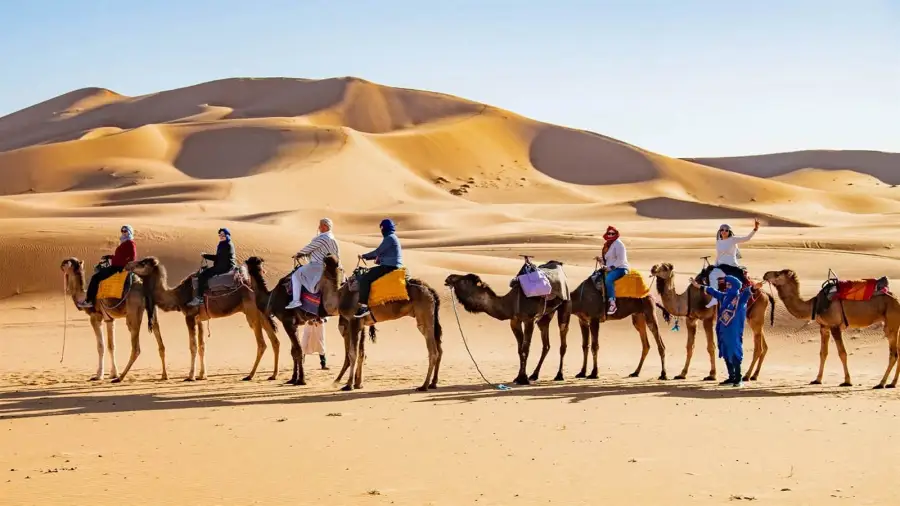 MoroccoAtlas Mountains hiking and Sahara desert camps can be combined in one trip, with options from gentle walks to longer treks.
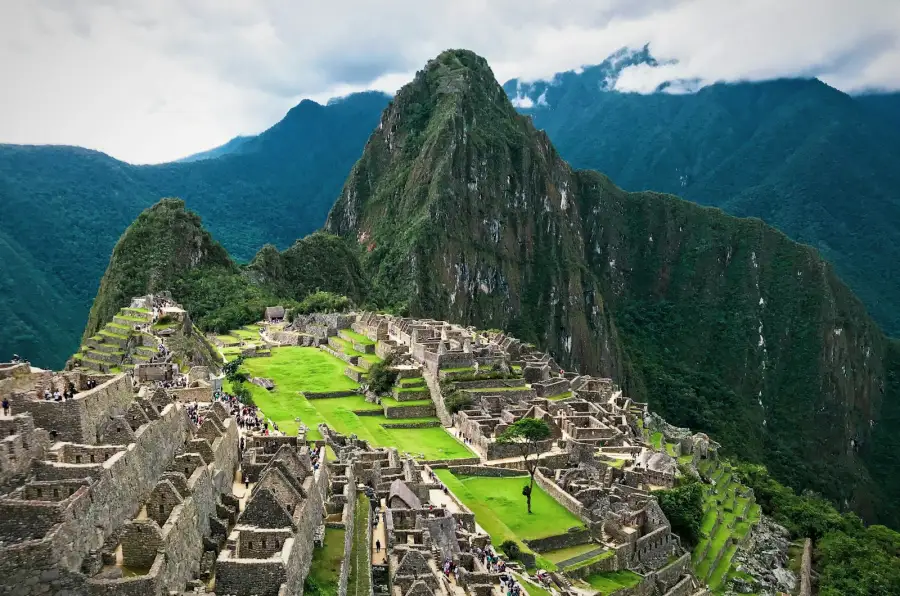 PeruAndean treks, including routes towards Machu Picchu, and high-altitude scenery for travellers ready to acclimatise properly.
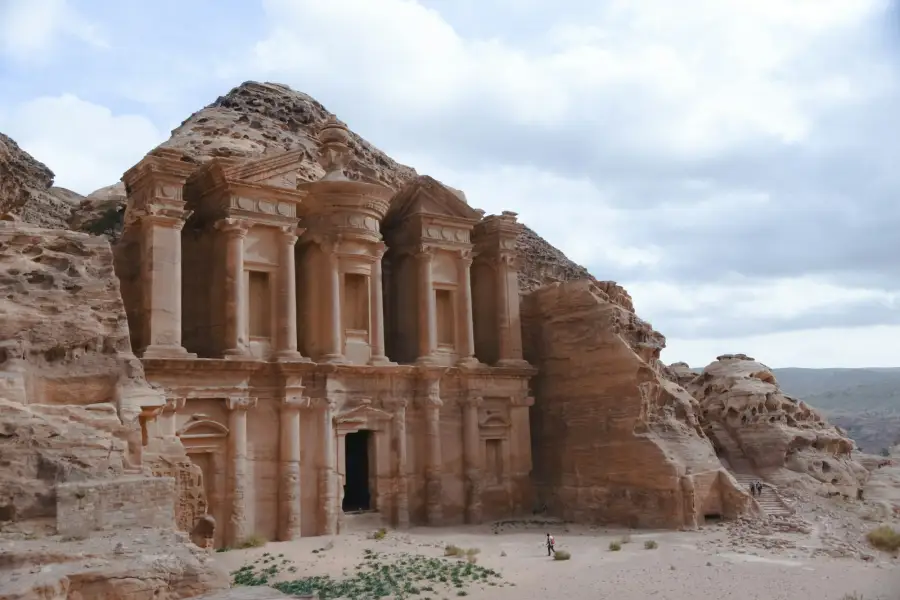 JordanDesert landscapes in Wadi Rum and hikes around Petra and nature reserves, best outside the hottest months.
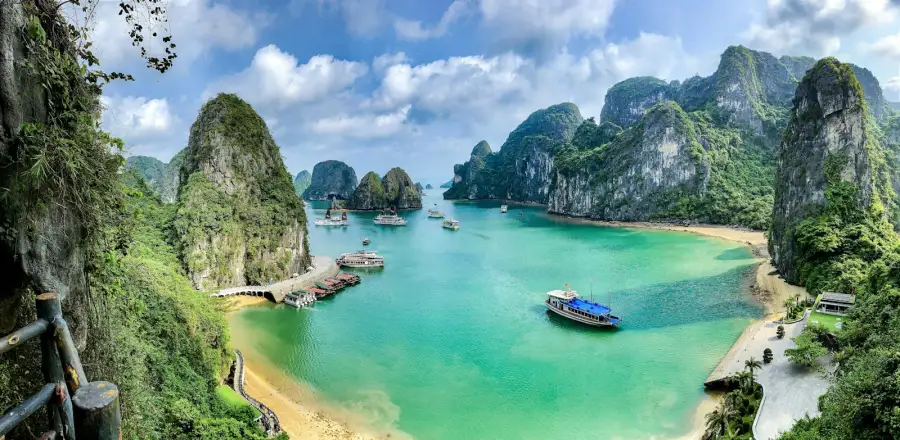 VietnamHiking in the northern mountains, cycling in the countryside and kayaking around limestone bays offer variety at a lower cost.
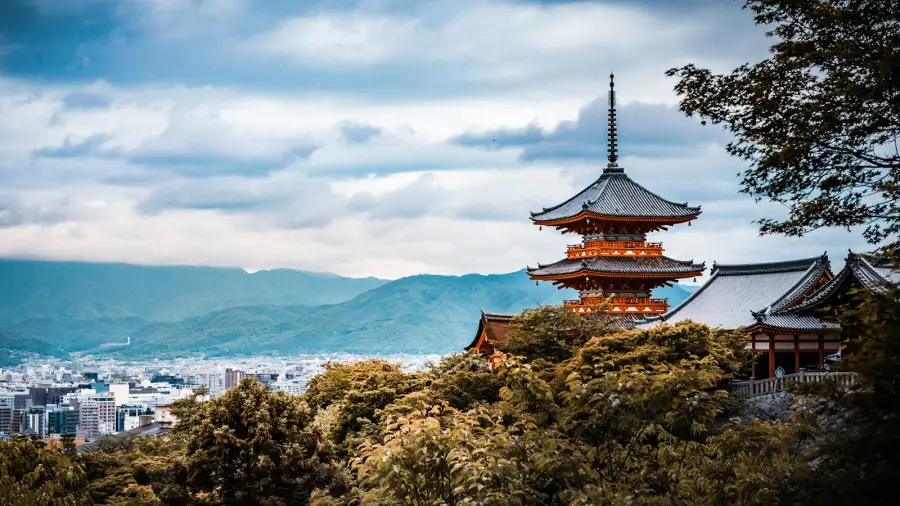 JapanWell-marked hiking routes, mountain areas and pilgrimage trails, with good public transport between trailheads.
 GreeceCoastal paths, gorges and island walks, plus sea kayaking, suit active travellers who want warm weather.
Questions people ask
How fit do I need to be for an adventure group trip?
It depends on the trip grade. Look at daily walking hours, height gain, altitude and terrain rather than just the label. If you are unsure, choose an easier trip or ask the organiser for honest advice.
Is altitude sickness a concern on group treks?
It can be on routes above roughly 2,500 metres, and it can affect fit people too. Good itineraries allow time to acclimatise. Speak to your doctor before travelling and tell your guide straight away if you feel unwell.
Do I need special travel insurance for adventure trips?
Usually yes. Make sure the policy covers the specific activities and maximum altitude, and includes emergency medical evacuation where relevant. Read the policy wording before you buy.
Will I have to carry my own luggage?
Often not. Many treks use porters, pack animals or vehicles to move main luggage, so you carry only a day pack. Check the trip notes, as this varies.
What is a good first adventure trip?
A trip with day hikes from a fixed base or a mix of activity and rest days is a good start. Morocco's Atlas Mountains, Greek island walks or a short desert trip in Jordan are examples people often consider.
Are adventure trips suitable for solo women?
Many women join adventure trips alone. Ask about rooming or tent sharing, the guide team and safety procedures, and read your government's travel advice for the region.
Do I need to buy expensive gear?
Not necessarily. Good footwear and layers are worth investing in, but sleeping bags, poles and specialist kit can often be hired. Ask what the organiser provides before buying.
Are adventure group tours good for solo travellers?
Yes, they are a popular choice, because guides, equipment, transport and safety planning are shared and you travel with people who enjoy the same activities. Remote trails and desert camps are far easier with a group than alone. Choose a trip whose grade genuinely matches your fitness.
What is a good adventure trip for a solo woman?
A first adventure trip with day hikes from a base or a mix of active and rest days is a comfortable start. Ask about rooming or tent sharing, the guide team and safety procedures, and read your government's advice for the region. Many women join adventure trips alone.
What does trip grading mean on adventure tours?
Grades describe how demanding a trip is, but there is no shared standard – one organiser's moderate can be another's challenging. Look at the numbers behind the label: daily walking hours, height gain, maximum altitude, terrain and weather. Ask the organiser for honest advice if unsure.
How do I train for a trekking group trip?
Start several weeks before the trip with regular walks that include hills, carrying a day pack. Break in your boots before you leave. If you have any health conditions, speak to your doctor, especially for altitude or very hot conditions.
How much does an adventure group trip cost?
Excluding flights, hiking and desert trips in North Africa, the Middle East or South-East Asia are usually the lower-priced options, multi-activity trips in Southern Europe cost more, and treks with permits or high altitude are often the most expensive. Add permits, gear hire, tips and supplements. Check current prices.
What should I ask an adventure tour operator about safety?
Ask what first-aid training and qualifications guides have, what equipment is provided and how it is checked, and what happens if someone is injured in a remote area. Ask how weather and route decisions are made and whether there is an altitude plan. Clear answers are a good sign.
What types of adventure group trips are there?
Common types include hiking and trekking, desert trips with camel rides and camps, cycling, water-based trips such as kayaking or sailing, and multi-activity trips. They range from a few easy hikes between cities to multi-day high-altitude treks. Check how many days are actually active.
Do I need hiking experience to join an adventure tour?
Not for easier trips, which suit people with general fitness and some walking practice. Harder treks with long days, steep height gain or altitude need more preparation. Pick a trip slightly easier than you think you need for a first adventure.
What happens if I am slower than the rest of the group?
Groups often walk at the pace of the slowest person, and that is normal. Short rest stops are part of the day, and guides would rather you go steadily than push too hard. Tell the leader early if you are struggling.
Is a desert trip in Morocco or Jordan a good first adventure?
Desert trips are often considered approachable first adventures, mixing camel rides, four-wheel-drive journeys and nights in camps with fairly short walks. Nights can be cold even when days are hot, so pack layers. Check the trip notes for how long the drives are.
How can I travel responsibly on an adventure trip?
Follow your guide's instructions on trails and wildlife, take your rubbish with you and respect local customs in villages. Tip guides, porters, cooks and drivers fairly where it is customary. Choosing organisers with fair conditions for local staff also matters.
People also search for
adventure group trips adventure tours for solo travellers solo adventure travel hiking group tours for solo travellers trekking group trips solo female adventure travel adventure travel for women desert group tour adventure trip fitness level what to pack for a trekking trip altitude sickness on treks best first adventure trip