Solo travel in Egypt – a practical guide for travelling with a group
Egypt is one of the most remarkable places you can visit on your own. The pyramids of Giza, the temples of Luxor and Abu Simbel, a slow boat on the Nile and the Red Sea reefs fit into one trip, and the main sights are well set up for visitors. Egyptians are often warm and funny, and solo travellers rarely feel ignored.
At the same time, Egypt can be hard work alone. Distances are long, tickets and transport are not always simple to arrange, and constant offers from vendors, drivers and touts can wear you down. Travelling in a small group, at least for the Nile Valley, gives you an expert guide at the ancient sites, organised transport and people to share the experience with, which many solo travellers find makes Egypt far more relaxing.
How to get to Egypt from the USA, UK, Canada, Australia…
Information checked: October 2026 · how we check
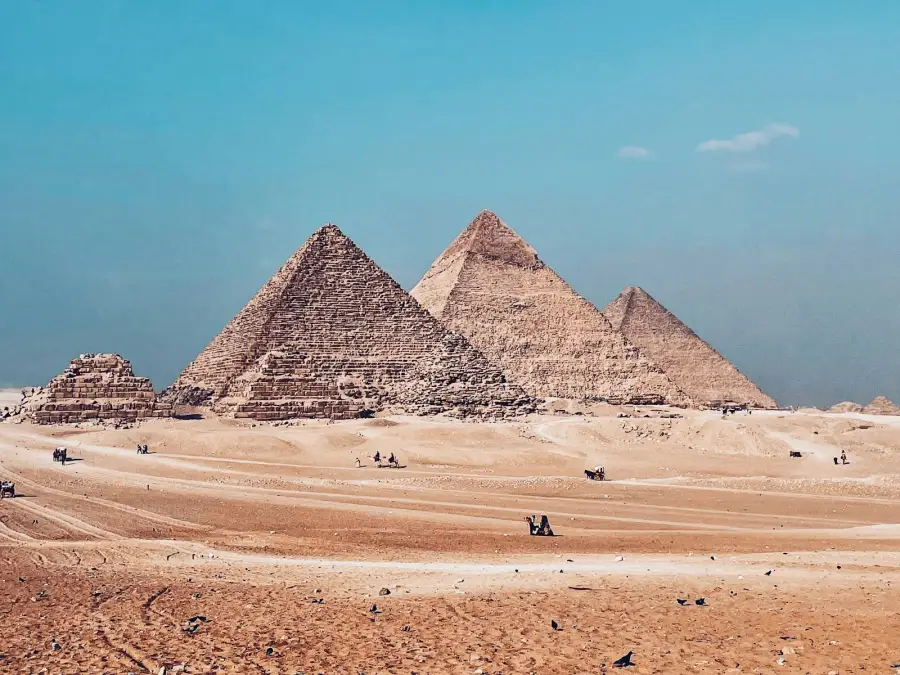
Places to visit in Egypt as a solo traveller
A full guide for each: what to see, where to stay, safety and how many days.
Egypt month by month
Typical weather and what each month is like for a group trip. Every year is different – check the forecast before you go.
Pleasant for sightseeing in the south, but it is a busy month and desert nights are cold.
Excellent weather for temples and the Nile; Abu Simbel's sun alignment usually happens around 22 February.
Warm and bright, though dusty khamsin winds can blow in spring.
Getting hot in the south by midday, so plan early starts at the sites.
Hot in Upper Egypt; the Red Sea coast is pleasant for diving and snorkelling.
Very hot inland; sightseeing is best at dawn and late afternoon.
Peak heat, though the Mediterranean and Red Sea coasts are popular with domestic visitors.
Fewer foreign visitors and sometimes lower prices, but the heat in Luxor and Aswan is intense.
Still hot, but the sea is at its warmest for Red Sea snorkelling.
The season starts, with warm days and the second Abu Simbel alignment usually around 22 October.
One of the most comfortable months for a full Cairo, Nile and Red Sea trip.
Mild and sunny but very busy around Christmas and New Year, so book early.
Great timeMixedTough (heat, rain or crowds)
Solo travel in Egypt: the guide
Why join a group trip in Egypt as a solo traveller
Egypt's highlights are spread along almost 1,000 kilometres of the Nile, from Cairo in the north to Aswan and Abu Simbel in the south. Linking them yourself means booking trains, internal flights, cruise cabins and early-morning transfers, often with cash and some negotiation. A group trip packages this into one plan, which is a big help on a first visit.
Guides make the sites come alive
The tombs and temples are much more meaningful with someone who can read the scenes on the walls and explain who built what and why. A qualified Egyptologist guide on a group trip shares this knowledge with everyone, which is cheaper than hiring a private guide at every site. Guides also know the best times to visit popular places, such as reaching Karnak early or seeing Abu Simbel before the heat.
Less hassle, more company
Solo visitors, particularly women, can attract a lot of attention from vendors, camel owners and drivers around big sites like Giza. Being part of a group reduces this noticeably and makes it easier to say no. Long days in the sun are more fun with others, and a Nile cruise or felucca trip is very social: meals, sunsets on deck and evening stops are shared moments.
- Check the room arrangement: ask whether solo travellers can share a cabin or room, or pay a single supplement.
- Look at the pace: some itineraries include very early starts, such as the drive to Abu Simbel before dawn.
- Understand what is included: site tickets in Egypt are a significant cost, so see whether they are part of the price.
Many travellers do Cairo and the Nile with a group and then spend extra days alone in Dahab, Hurghada or Alexandria, where travelling independently is easier.
Best time to visit Egypt
The best time to visit Egypt is usually from October to April, when temperatures in Luxor and Aswan are comfortable for long days at temples and tombs. November to February is the coolest and most popular period; nights can be surprisingly cold, especially in the desert and on the water.
Spring
March and April are warm, with fewer crowds than midwinter. This is when the khamsin, a hot, dusty wind from the desert, can blow for a few days, making the air hazy. It does not usually stop sightseeing.
Summer
From May to September, Upper Egypt is very hot, with afternoon temperatures in Luxor and Aswan often above 40°C. Visiting is possible if you start at sunrise, rest in the middle of the day and drink plenty of water. Summer suits the coasts better: the Red Sea resorts and the Mediterranean around Alexandria are warm and lively.
Festivals and special dates
- Abu Simbel sun festival: usually around 22 February and 22 October, the rising sun lights the statues in the inner sanctuary of the Great Temple. It is very crowded on these days.
- Ramadan: dates move about 11 days earlier each year. Sites remain open, but hours may change, and evenings are full of life after iftar.
- Coptic Christmas: celebrated on 7 January by Egypt's Christian community.
If your trip includes the Western Desert, such as the White Desert near Bahariya, the cooler months are the only comfortable choice, and you should check current travel advice for desert areas first.
What to pack for Egypt
Packing for Egypt is about sun, dust and respectful dress. Days at archaeological sites are long, often with little shade, and walking surfaces can be sandy, uneven or rocky.
Clothing
- Lightweight, loose clothes covering shoulders and knees, in breathable cotton or linen.
- A scarf for women to cover hair in mosques, such as in Islamic Cairo, and for sun protection.
- A warm layer for winter evenings, felucca trips and early mornings in the desert.
- Comfortable, closed walking shoes for Giza, the Valley of the Kings and Karnak.
Sun and health
Bring a wide-brimmed hat, good sunglasses, high-factor sunscreen and lip balm. Rehydration salts are useful in the heat. Stomach upsets are common, so pack basic remedies and hand sanitiser. Tap water is generally not recommended for visitors; use sealed bottled water.
Practical items
- Plenty of small Egyptian pound notes for tips, which you will use many times a day.
- A money belt or secure bag for crowded places such as Khan el-Khalili.
- A small torch for dim tomb corridors and power cuts.
- Reef-safe sunscreen, a rash vest and your own mask if you plan to snorkel in the Red Sea.
- A dust mask or buff for windy days.
Photography rules vary from site to site and some tombs charge extra for cameras or do not allow them, so check at each ticket office. Drones are tightly regulated in Egypt; do not bring one without checking official rules first.
Egypt visa and entry requirements
Most foreign visitors need a visa for Egypt, but for many nationalities it is straightforward to get. Rules vary by passport and change from time to time, so confirm them before you travel.
E-visa and visa on arrival
Many nationalities, including UK, EU, US, Canadian and Australian passport holders, can usually choose between applying online in advance for an e-visa through Egypt's official e-visa portal or buying a tourist visa on arrival at the main international airports. The visa-on-arrival fee is usually paid in cash in US dollars or another major currency, and the amount can change. An e-visa can save time in the queue.
Use only the official government e-visa portal; several unofficial websites look similar and charge extra fees.
Passport validity
Your passport generally needs to be valid for at least six months from your date of arrival, with a blank page for the visa. Check the exact requirement for your nationality.
Sinai entry
Visitors arriving directly in some South Sinai resorts, such as Sharm el-Sheikh, may be able to receive a free Sinai-only entry stamp for a short stay limited to certain areas. If you plan to travel beyond those areas, for example to Cairo or Luxor, you need a full visa. The details vary, so check before you go.
Where to check
- Your government's travel advice for Egypt, such as the UK Foreign Office, the US State Department or Smartraveller in Australia.
- Egypt's official e-visa portal and the Egyptian embassy or consulate in your country.
Government travel advice also lists areas of Egypt where travel is advised against, including parts of the Sinai and remote border regions. Read this carefully, as it can affect your route and your travel insurance.
How much does a trip to Egypt cost?
Day-to-day costs in Egypt can be low, but entry tickets to the major sites and transport between regions add up. All prices here are approximate 2026 ranges in euros; the local currency is the Egyptian pound (EGP), which has changed a lot in value in recent years, and ticket prices for foreign visitors have been raised several times. Always check before you go.
Egypt budget per day
- Low budget, around €30–45 per day: hostels and simple hotels, street food such as koshari and falafel, trains and public minibuses, plus a few site tickets.
- Mid-range, around €70–120 per day: good hotels or a Nile cruise cabin, restaurant meals, guides at major sites and some internal flights.
- Comfort, from around €150 per day: upmarket hotels, private guides and drivers, and premium cruises or dahabiyas.
Typical costs
A hostel dorm in Cairo is often around €7–15, and a double room in a mid-range hotel around €40–80. A plate of koshari or a falafel sandwich costs very little, while a meal in a restaurant aimed at visitors is often €8–20. Ride-hailing apps are widely used in Cairo and make short city rides cheap and simple.
Site tickets
Entry to big sites such as the Giza plateau, the Valley of the Kings, Karnak and Abu Simbel can each cost from around €10 to €30 or more, and some tombs, such as Tutankhamun's or Nefertari's, charge separate tickets. The Grand Egyptian Museum near Giza is a major visit in its own right. Over a week, tickets can easily total over €150, so they belong in your budget.
Nile cruises
A three- or four-night cruise between Luxor and Aswan varies widely in price, depending on the boat, season and what is included. Felucca trips, on traditional sailing boats, are a cheaper and more basic alternative. Remember to keep cash for tips, which are expected throughout the trip.
Is Egypt safe for solo and female travellers?
Egypt has welcomed visitors for a very long time, and the main tourist areas such as Cairo, Giza, Luxor, Aswan and the Red Sea resorts have a strong security presence. Government travel advice does advise against travel to some areas, especially North Sinai and parts of the border regions, so read your government's current advice before you plan your route.
Hassle and scams
For most visitors the main challenge is persistent selling and touting. Around the pyramids, people may claim the entrance is closed, offer camel or horse rides at unclear prices or push you to take a photo and then ask for money. Common sense helps:
- Buy tickets only at official counters or online through official channels.
- Agree prices, including what currency and for how many people, before any ride or service.
- Use ride-hailing apps or arranged transfers rather than unmarked taxis, especially at night.
- Keep valuables secure in busy markets and on public transport.
Tips for women travelling alone
Street harassment, mostly comments and staring, is common for women in Egypt, both local and foreign. Many women still enjoy travelling here, especially in a group or with a guide. Dressing conservatively, wearing sunglasses, not engaging with persistent men and sitting in women's carriages on the Cairo Metro can help. Be cautious about friendly offers from men you have just met, including invitations for drinks or felucca rides alone. Choose well-reviewed hotels and arrange airport pickups in advance.
Health and heat
Heat exhaustion is a real risk from April to October. Drink plenty of bottled water, wear a hat and avoid the strongest midday sun. Stomach upsets are common; eat freshly cooked food and peel fruit. Travel insurance covering medical care is strongly recommended, and you should save the local emergency numbers from your government's advice page.
On the Red Sea, follow the rules of your dive or snorkel centre and the advice of local authorities about currents and marine life.
Getting around Egypt
Egypt is a long, narrow country centred on the Nile, which makes routes fairly simple, though distances are big. Most travellers combine trains or flights with a Nile cruise.
Trains
Egyptian National Railways runs services from Cairo south along the Nile to Luxor and Aswan, and north to Alexandria. Overnight sleeper trains between Cairo and Luxor or Aswan are a popular way to save a night of accommodation; they are usually booked in advance and often priced in US dollars for foreign visitors. Day trains are cheaper and give views of farmland and villages along the river.
Flights
Domestic flights connect Cairo with Luxor, Aswan, Abu Simbel, Hurghada and Sharm el-Sheikh. They are useful when time is short, especially for the long journey between Cairo and the south.
On the Nile
- Nile cruise ships: usually sail between Luxor and Aswan over three to four nights, stopping at Edfu and Kom Ombo temples.
- Dahabiyas: smaller sailing boats with a few cabins, slower and more intimate.
- Feluccas: traditional sailing boats for an hour at sunset in Aswan or a basic overnight trip.
In the cities
Cairo has a metro system that is cheap and avoids heavy traffic, with women-only carriages. Ride-hailing apps are widely used in Cairo and Alexandria. In Luxor and Aswan, taxis and horse-drawn carriages need prices agreed in advance, and local ferries cross the Nile cheaply between the east and west banks.
Buses
Long-distance coaches link Cairo with the Red Sea, Sinai, Alexandria and Upper Egypt. They are comfortable and inexpensive. Travelling by road can involve police checkpoints, so carry your passport.
Culture, etiquette and food
Egyptian life mixes thousands of years of history with a busy, modern Arab culture. Most Egyptians are Muslim, and there is a significant Coptic Christian community with its own churches and monasteries, especially in Old Cairo.
Etiquette
- Dress modestly, particularly in mosques, churches and rural villages; women should cover their hair in mosques.
- Remove your shoes before entering a mosque.
- Use your right hand for eating and handing over money.
- Ask before photographing people, and expect some to ask for a tip.
- Friday is the main prayer day, and some places close at midday.
Baksheesh
Tipping is part of everyday life in Egypt. Small notes are expected for toilet attendants, guards who open a tomb, porters, drivers and boat crew. It helps to keep a separate pocket of small notes so you are not showing all your money.
What to eat in Egypt
Egyptian food is filling, cheap and largely vegetarian-friendly. Koshari, a mix of rice, lentils, pasta, chickpeas and crispy onions with tomato sauce, is the national street dish. Ful medames, slow-cooked fava beans, and ta'ameya, Egyptian falafel made with fava beans, are breakfast staples. Try molokhia, a green leaf stew, mahshi, stuffed vegetables, and fiteer, a flaky layered pastry with sweet or savoury fillings.
For dessert, look for om ali, a warm bread pudding, and basbousa, a semolina cake. Fresh sugar cane juice, hibiscus drink known as karkadeh, and sweet tea are everywhere. Alcohol is available in hotels and some restaurants, but less so in conservative areas.
Places of faith and history
Islamic Cairo, with its mosques, minarets and the Khan el-Khalili bazaar, and Coptic Cairo, with its old churches, are as rewarding as the ancient sites and give you a feel for daily life.
Meeting other travellers in Egypt
Egypt's classic route between Cairo, Luxor and Aswan sees many visitors, and you will often meet other travellers on organised visits, boats and trains. The country's social side is easiest to enjoy if you build shared activities into your trip.
Where solo travellers meet
- Nile cruises and dahabiyas: shared meals and sun-deck time make it easy to get to know other passengers over a few days.
- Felucca trips: an overnight felucca from Aswan brings a small group together on deck, sleeping under the stars.
- Hostels in Cairo, Luxor and Dahab: rooftop common areas often organise trips to Giza, Saqqara or the West Bank.
- Dahab and the Red Sea: dive and snorkel courses are very social, and Dahab is known for its relaxed traveller scene.
- Shared day trips: early-morning convoys to Abu Simbel or hot-air balloon flights over Luxor's West Bank bring travellers together.
Choosing a group trip
When comparing group trips in Egypt, look at whether a qualified Egyptologist guide accompanies the group, how big the group is, whether sleeper trains or flights are used, if site tickets are included, and how cabins or rooms are shared. Some trips focus on history, others on diving, desert camping or travel for women or older travellers.
Meeting Egyptians
Egyptians are often curious and chatty, and a conversation over tea can be a highlight. A visit to a Nubian village near Aswan, with its brightly painted houses, or a cooking class in Cairo are good ways to connect. Learning a few words, such as shukran for thank you, is always appreciated. Stay friendly but keep your usual caution with strangers who offer help or invitations.
Egypt packing list
- Loose, breathable clothes covering shoulders and knees
- A scarf for mosque visits and sun protection
- Wide-brimmed hat and good sunglasses
- High-factor sunscreen and lip balm
- Comfortable closed walking shoes for sand and rocky sites
- Warm layer for winter nights, felucca trips and the desert
- Rehydration salts and stomach remedies
- Hand sanitiser and tissues
- Lots of small Egyptian pound notes for tips
- Money belt or secure cross-body bag
- Small torch for tomb corridors
- Buff or dust mask for windy days
- Swimsuit, rash vest and reef-safe sunscreen for the Red Sea
- Reusable water bottle for sealed bottled water refills
- Printed or saved copy of your visa and travel insurance
The general list for any trip: solo travel packing list.
Typical costs in Egypt
| What | Basic | Mid-range |
|---|---|---|
| Hostel dorm bed | €7–15 | €40–80 (hotel double room) |
| Street food meal (koshari, falafel) | €1–4 | €8–20 (restaurant meal) |
| Ride in Cairo | €2–5 (ride-hailing app) | €20–40 (private driver half day) |
| Cairo Metro ticket | under €1 | under €1 |
| Major site entry (Giza, Karnak, Valley of the Kings) | €10–30 each | €20–50 (with guide fee) |
| Cairo–Luxor or Aswan transport | €10–25 (day train) | €60–130 (sleeper train or flight) |
| Local SIM card with data | €5–10 | €10–20 |
Approximate prices for 2026 in euros. Prices change – check before you go. More: how to budget a solo trip.
Egypt itineraries: 5, 7, 10 and 14 days
Routes that work for a first visit – on your own or as the shape of a group trip.
Egypt in 5 days: Cairo and Luxor
Cairo – Giza – Luxor
- Day 1Arrive in Cairo
Settle in and take an evening walk around Islamic Cairo and the Khan el-Khalili bazaar.
- Day 2Giza, Saqqara and the museum
See the pyramids and Sphinx early, then visit the Step Pyramid at Saqqara or the Grand Egyptian Museum.
- Day 3To Luxor
Fly or take the train to Luxor and visit Karnak and Luxor Temple, which is beautiful when lit at night.
- Days 4–5Luxor West Bank
Explore the Valley of the Kings, Hatshepsut's temple and the Colossi of Memnon, then return to Cairo for your flight.
Egypt in 7 days: Cairo, Nile cruise and Aswan
Cairo – Luxor – Edfu – Kom Ombo – Aswan – Abu Simbel
- Days 1–2Cairo and Giza
Visit the pyramids, Saqqara and the Grand Egyptian Museum, and spend an evening in Islamic Cairo.
- Day 3Luxor
Travel south and explore Karnak and Luxor Temple before boarding a Nile cruise.
- Day 4West Bank
See the royal tombs and the Temple of Hatshepsut, then start sailing south.
- Day 5Edfu and Kom Ombo
Visit the well-preserved Temple of Horus at Edfu and the riverside temple at Kom Ombo.
- Day 6Aswan
Visit Philae Temple, take a felucca at sunset and see a Nubian village.
- Day 7Abu Simbel and departure
Make the early trip to Abu Simbel, then fly back to Cairo.
Egypt in 10 days: the Nile and the Red Sea
Cairo – Aswan – Abu Simbel – Nile cruise – Luxor – Hurghada
- Days 1–3Cairo
Giza, Saqqara and Dahshur, the Grand Egyptian Museum, Coptic Cairo and Islamic Cairo at a comfortable pace.
- Days 4–5Aswan and Abu Simbel
Take the sleeper train or fly south, then visit Philae, Abu Simbel and the Nubian villages.
- Days 6–7Nile cruise to Luxor
Sail north past Kom Ombo and Edfu by cruise ship or dahabiya.
- Day 8Luxor
Explore the West Bank tombs and temples, and Karnak in the afternoon.
- Days 9–10Red Sea
Drive to Hurghada for snorkelling or a beach day before flying home.
Egypt in 2 weeks: Cairo, the Nile, Sinai and Alexandria
Cairo – Alexandria – Luxor – Aswan – Abu Simbel – Dahab
- Days 1–3Cairo and Giza
Pyramids, museums and the historic quarters of the capital.
- Day 4Alexandria
Day trip or overnight to the Mediterranean city for its library, catacombs and seafront.
- Days 5–7Luxor
Time to see both banks properly, including quieter tombs and perhaps a sunrise balloon flight.
- Days 8–10Nile and Aswan
Cruise or travel to Aswan via Edfu and Kom Ombo, with Philae and Abu Simbel.
- Days 11–14Dahab
Fly to Sharm el-Sheikh and transfer to relaxed Dahab for snorkelling and diving, then fly home.
Where to go in Egypt
The pyramids, the Grand Egyptian Museum and the historic Islamic and Coptic quarters, in a huge, lively city.
Often called the world's greatest open-air museum, with Karnak, the Valley of the Kings and the West Bank temples.
A calmer Nile town with felucca sailing, Philae Temple and colourful Nubian villages.
The giant rock-cut temples of Ramesses II near the Sudanese border, usually visited on an early day trip from Aswan.
Cruises and dahabiyas stop at the temples of Edfu and Kom Ombo, a sociable way to travel.
A relaxed Red Sea town popular with divers and independent travellers; check travel advice for Sinai first.
Resorts, coral reefs and boat trips, good for ending a trip with a few beach days.
A Mediterranean city with a different feel, sea views, Graeco-Roman history and seafood.
Group trips in Egypt for solo travellers
We have no confirmed group departure in Egypt yet. We only list real dates.
Host your own group trip to EgyptHow to choose a group tripSingle supplement explained
Solo travel in Egypt: questions
Is Egypt good for solo travel?
Yes, Egypt can be a fantastic solo trip, with world-famous sites and plenty of other visitors on the main route. The hassle and logistics can be tiring alone, so many solo travellers join a group for Cairo and the Nile Valley.
Is Egypt safe for solo female travellers?
Many women travel to Egypt and enjoy it, but street harassment, mainly comments and staring, is common. Dressing modestly, using arranged transport, choosing well-reviewed hotels and travelling with a group or guide help a lot. Check your government's latest travel advice before you go.
What is the best time to visit Egypt?
October to April is usually the best time, with comfortable temperatures for temples and tombs. Summer is very hot in Luxor and Aswan, though the Red Sea coast is popular all year.
Do I need a visa for Egypt?
Most visitors need a visa. Many nationalities, including UK, EU, US, Canadian and Australian passport holders, can usually apply for an e-visa through the official portal or buy one on arrival at main airports. Check your government's advice and official Egyptian sources, as rules vary.
How much money do I need per day in Egypt?
As an approximate guide, budget travellers can manage on about €30–45 per day and mid-range travellers on about €70–120, plus site tickets, which are a big part of the cost. Prices and exchange rates change often, so check before you travel.
How many days do I need in Egypt?
Seven days covers Cairo, Luxor, Aswan and Abu Simbel at a fast pace. Ten days to two weeks allows a full Nile cruise and some time on the Red Sea or in Alexandria.
Is a Nile cruise good for solo travellers?
A Nile cruise is one of the easiest ways for solo travellers to see Upper Egypt, with guided visits and shared meals. Ask about single cabin supplements or cabin sharing before you book.
What should I wear in Egypt?
Light, loose clothes covering shoulders and knees are best, with a scarf for women to cover hair in mosques. Swimwear is fine at resorts and beaches but not in towns.
Do I need cash in Egypt?
Yes. Cards work in many hotels and larger restaurants, but cash in Egyptian pounds is needed for tips, small shops, taxis and markets. Keep plenty of small notes for baksheesh.
Egypt for solo travellers, groups and women: more questions
Is Egypt a good choice for a first solo trip?
Egypt can work for a first solo trip, but many first-timers find it easier with some structure. The highlights are spread along almost 1,000 km of the Nile, and booking trains, flights, cruise cabins and early transfers yourself takes effort, while touting around the big sites is persistent. Joining a group or hiring guides for the main sites lets you focus on the temples instead of the logistics.
Is a week enough to see Egypt on your own?
A week covers Cairo and Giza plus the Nile between Luxor and Aswan, including an early trip to Abu Simbel. Five days is enough only for Cairo, Giza and Luxor. With 10 to 14 days you can add a Nile cruise, Alexandria or the Red Sea at Hurghada or Dahab.
Is Egypt expensive for solo travellers?
Day-to-day costs are low: roughly €30–45 a day on a budget and €70–120 a day mid-range (approximate, check before you go). The big extras are site tickets, at around €10–30 each for places like Giza, Karnak and the Valley of the Kings, plus Nile cruises and private drivers, which cost more when you pay alone. The currency is the Egyptian pound (EGP), and small notes are handy for tips.
Where do solo travellers stay in Egypt?
Solo travellers often use hostels or small hotels in Cairo, Luxor and Dahab, where rooftop common areas organise trips to Giza, Saqqara or Luxor's West Bank. A dorm bed costs roughly €7–15 and a hotel double around €40–80 (approximate). Choose places with good reviews from other solo travellers, especially women, and book an arranged transfer for late arrivals.
How can I meet other travellers in Egypt when I'm alone?
Shared activities are the easiest way: a Nile cruise or dahabiya, an overnight felucca from Aswan, the early convoy to Abu Simbel or a balloon flight over Luxor's West Bank all put you with other travellers. Hostel rooftops in Cairo, Luxor and Dahab are good places to find company for day trips. Dive and snorkel courses on the Red Sea are very social too.
Should a solo traveller join a group tour in Egypt?
For most first visits, yes, at least for the Nile Valley. A group links Cairo, Luxor and Aswan in one plan, shares the cost of a qualified Egyptologist guide and noticeably reduces hassle from vendors and drivers around sites like Giza. Relaxed places such as Dahab are easy to enjoy independently afterwards.
What is the best group trip in Egypt for solo travellers?
The classic choice is Cairo and Giza followed by the Nile Valley: Luxor, Aswan and Abu Simbel, often with a Nile cruise or a felucca trip in between. Some trips add time on the Red Sea for diving or snorkelling, and others focus on desert camping or on travel for women or older travellers. Check whether an Egyptologist guide stays with the group and whether site tickets are included.
How many people are on a group tour in Egypt?
It varies. Small-group trips often keep numbers to somewhere around 10–16 people, while larger coach tours can have 30 or more. On a big Nile cruise boat you share the decks with other passengers too, while a dahabiya carries far fewer guests, so check both the group size and the boat type.
How do I avoid the single supplement in Egypt?
Ask whether the trip pairs solo travellers in a shared room or cabin of the same gender; this is the most common way to avoid the supplement. If you want your own cabin on a Nile cruise, expect to pay extra. Independent days in hostels and shared felucca trips are cheaper ways to travel alone.
Is Cairo safe for a woman travelling alone?
Many women visit Cairo alone, but street harassment, mostly comments and staring, is common for women in Egypt. Dressing conservatively, wearing sunglasses, not engaging with persistent men and using the women's carriages on the Cairo Metro all help. Use ride-hailing apps or arranged transfers rather than unmarked taxis, and read your government's current travel advice, which advises against some areas such as North Sinai.
What should a woman wear to visit the pyramids and temples?
Loose, breathable clothes that cover the shoulders and knees work best, and long sleeves also protect you from strong sun. Add a hat, sunglasses and comfortable closed shoes for uneven ground, and carry a scarf to cover your hair when visiting mosques. At Red Sea resorts swimwear is normal on the beach, but cover up away from it.
Are there women-only tours in Egypt?
Yes, some group trips in Egypt are designed for women only, and they are a popular choice given how much attention solo women can receive. They usually follow the same Cairo, Luxor and Aswan route as mixed groups. Compare group size, guide, room sharing and what is included, and look for recent reviews from other women.
Can a woman travel alone at night in Egypt?
In busy central areas of Cairo, Luxor and the Red Sea resorts many women go out in the evening, but take more care than you would at home. Use a ride-hailing app or a transfer arranged by your hotel rather than flagging unmarked taxis after dark. Be cautious about friendly invitations from men you have only just met, including offers of drinks.
Can I visit the pyramids of Giza on my own?
Yes, you can visit Giza independently if you buy tickets only at the official counters or through official online channels. Expect people claiming the entrance is closed or offering camel and horse rides at unclear prices; agree the price, currency and number of people first, or simply say no. Many solo travellers hire a guide or go with a small group to keep the hassle down.
Is Dahab good for solo travellers?
Dahab, in South Sinai, is known for its relaxed traveller scene and is a popular place to unwind after the Nile Valley. Dive and snorkel courses are very social, and hostels make it easy to meet people. Check your government's travel advice for Sinai before you go, as it differs between areas.
People also search for
solo travel egypt egypt solo female travel is egypt safe for women travelling alone egypt group tours for solo travellers egypt small group tour egypt itinerary 7 days solo nile cruise solo traveller women only tours egypt is cairo safe for solo female travellers egypt budget per day egypt tour no single supplement visiting the pyramids alone what to wear in egypt as a woman dahab solo travel
Official sources to check before you go
- UK Foreign Office travel advice: Egypt
- Egypt official e-visa portal
- US State Department international travel information
- Smartraveller (Australian Government) destinations
Entry rules, safety advice and prices change. This guide is general information, not legal or medical advice – always check your own government's travel advice.
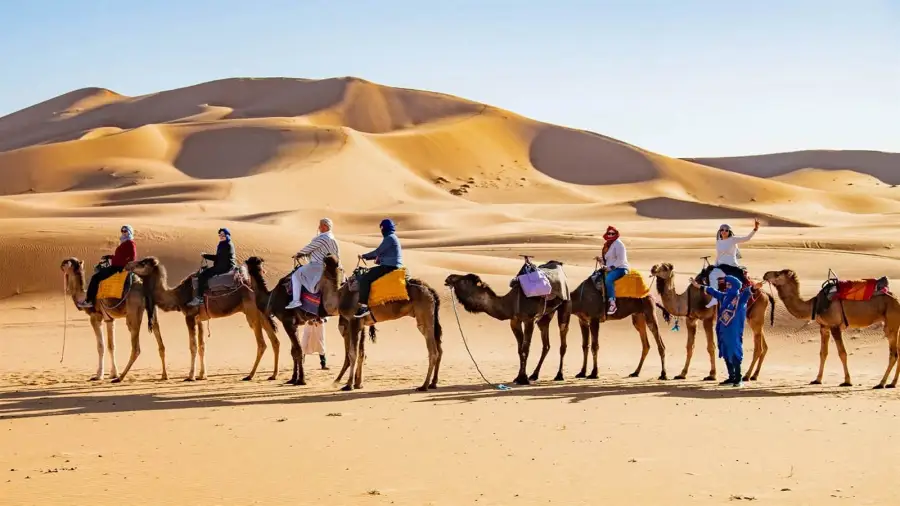
Also loved by solo travellers
Add Morocco to your list
Planning solo travel in Morocco? Best time to go, visa basics, budget per day, safety tips for women, packing list and 5 to 14-day itineraries.
More of Africa
AfricaMorocco Best: Mar–May, Sep–Nov from €35–50/day AfricaBotswana Best: May–Oct for wildlife; Jan–Apr for green-season birds and the pans from €50–80/day (camping, self-catering, buses)
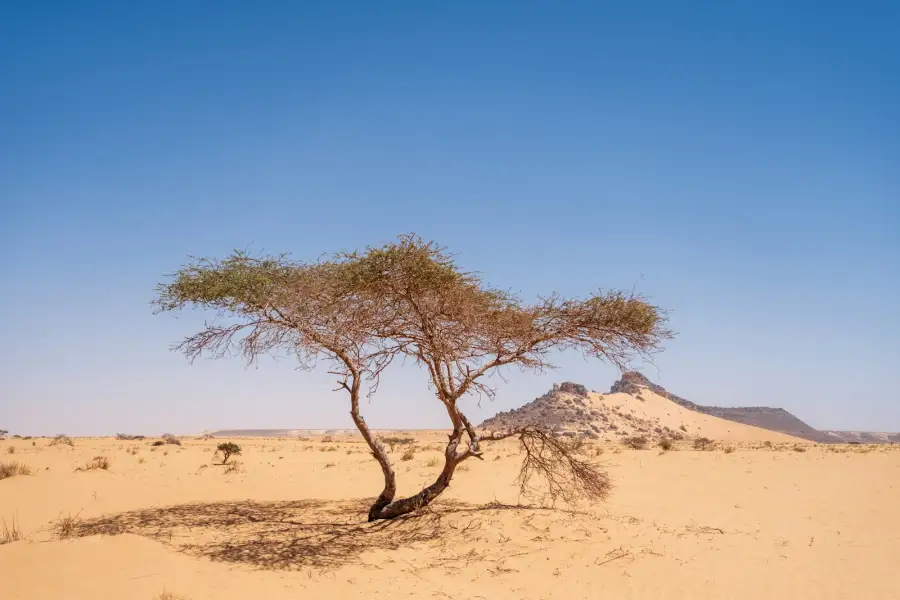 AfricaMauritania Best: Nov–Feb from €40–60/day (basic auberges, shared transport)
 AfricaNamibia Best: May–Oct (dry season) from €45–70/day (camping, excluding car hire and tours)
Travel solo. Explore together.
Thinking about Egypt with a group?
Ask us anything about travelling solo with a group, or tell us your dates. When a real group trip matches, we will let you know – no spam, no invented offers.
- 1Tell us the country and monthOr just ask a question – packing, safety, budget.
- 2Get an honest answer by emailFrom people who plan group trips, not a robot.
- 3Join a real departure – or notYou only book when a date suits you. Book now, pay later.