What is solo travel?
Solo travel simply means travelling without a partner, friend or family member. It does not mean being alone the whole time. Many people who describe themselves as solo travellers spend part of their trip with others: in a hostel common room, on a day tour, at a cooking class or on a small group trip with people they had never met before.
There are a few common styles of solo travelling:
- Fully independent. You plan and book everything yourself and move at your own pace.
- Independent with social activities. You travel alone but book walking tours, classes or day trips where you meet people.
- Mixed. You spend a few days alone in a city, then join a small group for the harder part of the trip, such as a desert, trek or long transfer.
- Joining a group trip. You book alone but travel with a group for the whole trip. You are still a solo traveller – you just do not need to organise anything.
People travel solo for very different reasons. Some have nobody free to travel with at the same time. Some have different interests from their partner or friends. Others are recently single, newly retired, between jobs or simply curious about what it feels like. All of these are normal reasons, and none of them requires you to be especially brave or outgoing.
Solo travel is also not limited by age. Students on gap years, people in their 30s fitting a trip into annual leave, and travellers in their 50s, 60s and beyond all travel this way. What changes with age is usually the style – the type of accommodation, the pace and how much organisation you want – rather than whether solo travel suits you.
Pros and cons of travelling solo
Travelling solo is not better or worse than travelling with others. It is different, and it suits some trips and some people more than others.
The advantages
- Total freedom. You choose when to get up, what to see, where to eat and when to rest, with no compromise.
- You meet more people. Locals and other travellers approach a person on their own more easily than a couple or a group of friends.
- Confidence. Solving small problems on your own – a missed bus, a menu you cannot read – builds a quiet confidence that lasts.
- Time to think. Many people value the space to reflect, read, walk and simply be without other people's needs around them.
- You do not have to wait for anyone. If friends cannot agree on dates or budgets, you can still go.
The disadvantages
- Higher cost per person. You pay for the whole room, the whole taxi and the whole private driver. Group trips may add a single supplement for a private room.
- All the planning is on you. Every booking and decision is yours, which can be tiring.
- Loneliness at times. Evenings, long meals and bad days are harder with nobody to share them.
- Safety needs more thought. Nobody is watching your bag while you use the bathroom, and you need to plan arrivals at night more carefully.
- No one to share the memories. Some people miss turning to someone and saying, look at that.
Most of these downsides can be reduced. Hostels with private rooms, shared day tours and small group trips cut costs and loneliness, while a little preparation takes care of most safety concerns. The rest of this guide covers how.
Countries we recommend
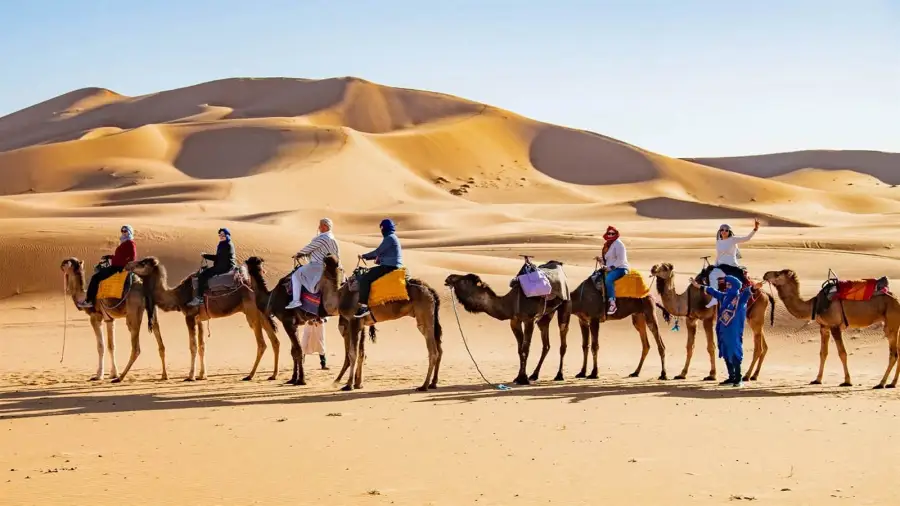 Best mix of solo days and a groupMoroccoExplore Marrakech or Fes alone, then join others for the Sahara and the long drives.
 Easiest first solo trip in EuropePortugalShort distances, simple trains and buses and a relaxed pace, with hostel scenes in Lisbon and Porto.
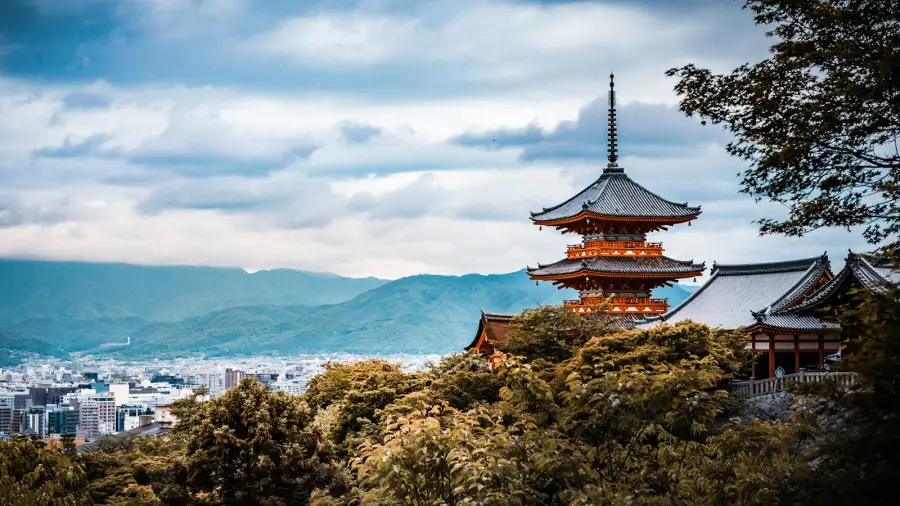 Easiest country to travel aloneJapanPunctual transport, low crime and counter seating that makes eating alone completely normal.
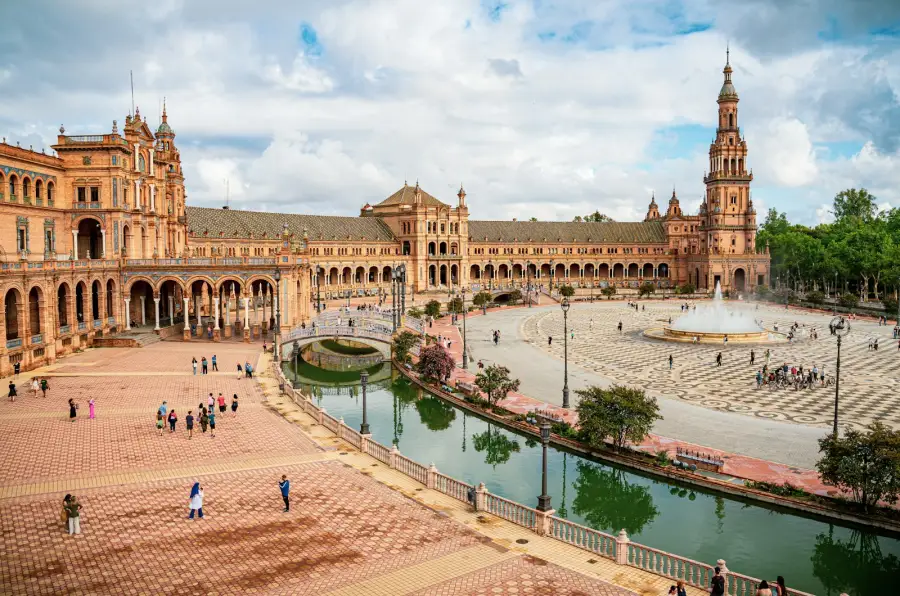 Best for meeting peopleSpainTapas bars, plazas and late dinners make it easy to be around others.
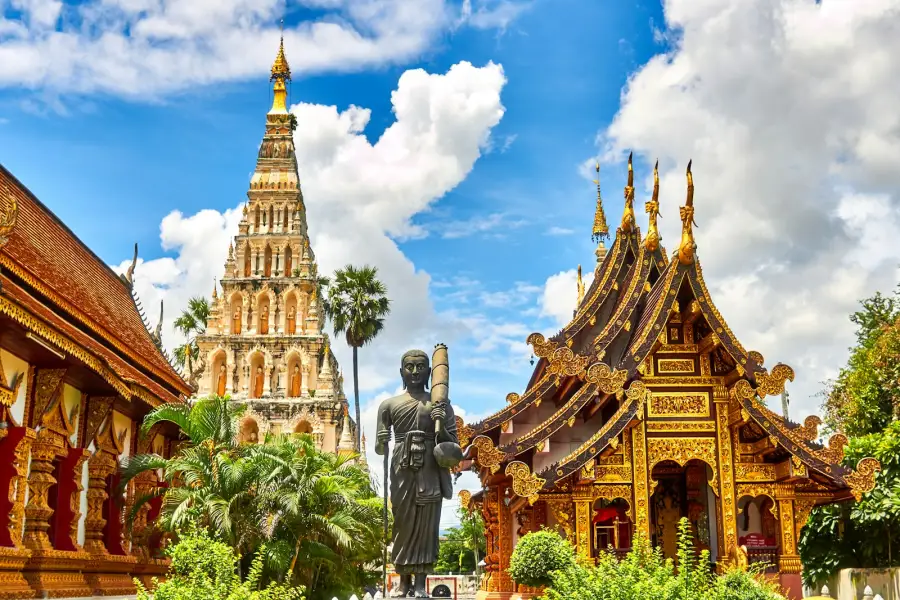 Classic first trip in AsiaThailandWell-organised transport and lots of other travellers in Bangkok, Chiang Mai and on the islands.
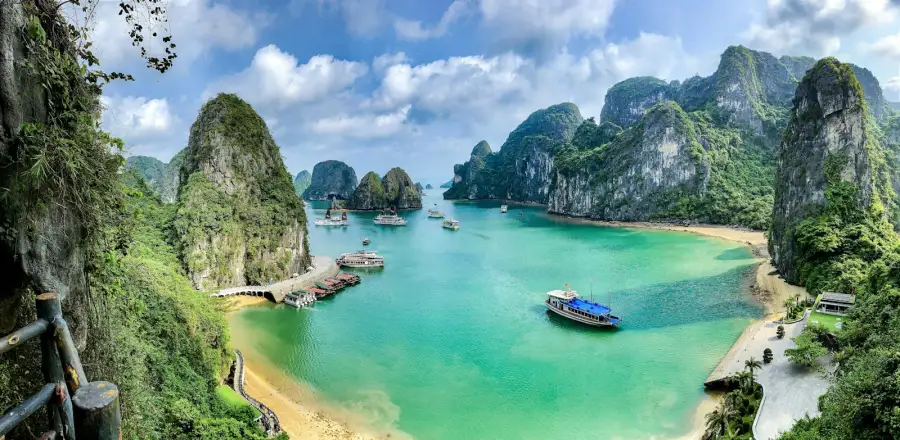 Best value for solo travellersVietnamRoughly €25–40 a day on a budget and a single main route where you keep meeting the same people.
How to start solo travelling
The hardest part of solo travel is usually booking the first trip. After that, most people wonder why they waited. These steps make the start much easier.
1. Start small
A long weekend in a city a short flight or train ride away is a great test. You will learn how you feel eating alone, finding your way and spending evenings by yourself, without a big commitment.
2. Choose an easy destination
For a first longer trip, pick a country with simple public transport, plenty of English in tourist areas and a culture where being alone is normal. Portugal, Spain, Greece and Japan are good examples; Thailand and Vietnam are popular first trips in Asia.
3. Book the first nights before you go
Arriving in a new place with a confirmed bed and a plan for getting there from the airport removes the most stressful moment of the trip. Try to arrive in daylight.
4. Plan a few social anchors
Book a walking tour on your first morning, a cooking class or a day trip midweek. These give your days structure and almost guarantee conversation.
5. Sort the practical basics
- Check passport validity and entry rules for your nationality with your government's travel advice and the country's official immigration site.
- Buy travel insurance that covers medical care and the activities you plan.
- Get a local SIM or eSIM so you have maps and messaging from the moment you land.
- Carry two payment cards and keep them in different places.
- Share your itinerary with someone at home and agree a simple check-in routine.
6. Leave some days unplanned
Part of the joy of travelling solo is changing your plans when you like a place or meet good company. Keep at least one flexible day in every week.
If even a short independent trip feels like too much, joining a small group trip for your first solo holiday is a perfectly good way to start. You get the experience of travelling without a companion, with the organisation handled for you.
How much does solo travel cost?
Solo travel almost always costs more per person than travelling as a pair, because the biggest costs – rooms, taxis, drivers and rental cars – are usually priced per unit, not per person. How much more depends on how you travel.
Typical daily budgets
From our country guides, approximate 2026 daily budgets for a budget traveller (hostel or simple guesthouse, local food, public transport) range from around €25–40 in Vietnam and €30–45 in Thailand, Egypt and Peru, to €45–70 in Portugal and Greece, €55–80 in Italy and €60–90 in Japan. Mid-range travellers who want private rooms and some guided activities often spend roughly double. Treat all of these as rough figures and check prices before you travel.
Where solo travellers pay more
- Accommodation. A private double room costs the same whether one or two people sleep in it.
- Transport. Taxis, private transfers and drivers are not shared.
- Single supplements. Some tours and cruises charge extra for a solo traveller to have a private room.
How to keep costs down
- Use hostels with private rooms, or guesthouses that offer true single rooms.
- Choose countries with good, cheap public transport.
- Eat where locals eat; lunch menus are often much cheaper than dinner.
- Share day tours and transfers with other travellers you meet.
- Travel just outside peak season, when room prices drop.
- Look for group trips that offer room sharing with another solo traveller of the same gender, or that charge little or no single supplement.
A useful habit is to budget per day rather than per trip. Add your flights and insurance separately, then multiply your daily budget by the number of days and keep a small buffer for surprises such as a missed connection or a night in a better room when you need rest.
Solo travel safety: practical tips
Solo travel is not inherently dangerous, and millions of trips go smoothly every year. Being on your own does mean there is nobody else looking out for you, so a few habits matter more than usual. No destination is completely risk-free, and the right precautions depend on where you go.
Before you go
- Read your government's travel advice for the country, for example gov.uk/foreign-travel-advice, travel.state.gov or smartraveller.gov.au. It covers local laws, health, scams and areas to avoid, and is updated when things change.
- Buy travel insurance with good medical cover and check it includes your activities.
- Save copies of your passport, insurance and bookings somewhere you can reach from any device.
- Share your itinerary and accommodation details with someone at home.
On the road
- Plan to arrive in daylight, and know how you will get from the airport or station to your bed.
- Use official taxis or reputable ride apps rather than accepting lifts from people who approach you.
- Keep your phone and wallet in a closed bag worn in front of you in crowded places.
- Do not tell strangers where you are staying or that you are alone if you do not want to.
- Watch your drink, and know your limits with alcohol.
- Be careful with scooters and motorbikes; in parts of Asia, road accidents are a bigger risk to visitors than crime.
For women travelling alone
Many women travel solo every year and have great experiences. Dressing in line with local norms in conservative areas, choosing well-reviewed accommodation, and being ready to be firm and walk away from unwanted attention all help. In Japan, for example, many city train lines have women-only carriages during rush hours.
Trust your instincts. If something feels wrong, leave, change your plans or ask for help in a hotel, shop or restaurant. Keeping a small emergency fund aside means you can always pay for a safe taxi or an extra night somewhere better.
Solo travel vs group travel: which is right for you?
Many people think they have to choose between going completely independent and booking a group trip. In practice, plenty of solo travellers do both, sometimes on the same holiday.
Independent solo travel suits you if
- You enjoy planning and researching routes.
- You want full control over your pace and budget.
- The destination has easy public transport and lots of other travellers.
- You are comfortable spending some evenings alone.
Joining a group as a solo traveller suits you if
- You would rather not organise transport, permits and tickets.
- You want company at meals and on long travel days.
- The destination is hard to navigate alone or needs private drivers.
- It is your first trip abroad alone and you want support.
- You want a local guide to explain culture and history.
The mixed approach
A popular option is to spend a few days alone in a city, then join a small group for the most complex part of the trip. For example, exploring Lisbon or Marrakech on your own and then joining others for a wine region or the Sahara. This gives you freedom, company and less stress where it matters most.
Countries where independent travel is straightforward include Portugal, Spain, Italy, Greece and Japan. Countries where a group or guide often helps most include Egypt, Morocco, Jordan and Peru, mainly because of long distances, limited transport, timed tickets or permits. Thailand, Vietnam and Turkey sit in between.
Neither option is the right way to travel solo. The best choice is the one that lets you enjoy the trip rather than worry about it.
How to choose where to go solo
Choosing a destination is easier when you start with your own situation rather than a list of famous places. Work through these questions in order.
When can you travel?
Season changes everything. Egypt is usually at its best from around October to April, Japan in spring and autumn, Peru's Andes in the dry season from roughly May to September, and much of Southern Europe in spring and early autumn. A great destination in the wrong month can be uncomfortably hot, wet or crowded.
What is your budget?
Remember that daily costs are higher alone. Vietnam, Thailand, Egypt, Peru and Morocco offer lower daily budgets; Italy and Japan are among the more expensive of the countries we cover. Long-haul flights can outweigh a cheap daily budget on a short trip.
What do you want to do?
- History and culture: Italy, Egypt, Turkey, Japan, Jordan.
- Adventure and nature: Peru, Jordan, Morocco, Vietnam.
- Beaches and islands: Greece, Thailand, Portugal.
- Food: Italy, Spain, Japan, Vietnam, Thailand, Peru.
How confident are you?
For a first trip, choose somewhere with simple transport and a big traveller scene. Save countries that need more planning or more resilience to hassle for later, or for a group trip.
What does the official advice say?
Check your government's travel advice for the whole country and the regions you want to visit. Some countries are fine to visit overall but have specific areas where travel is advised against.
Our separate page on the best places to travel solo groups 12 countries by first trip, culture, adventure, budget and Europe if you want a ready-made shortlist.
Loneliness and mindset when travelling solo
Almost every solo traveller feels lonely at some point. It often comes at predictable moments: the first evening, a long rainy day, a beautiful view with nobody to share it, or a bad day when something goes wrong. Feeling this does not mean solo travel is not for you. It usually passes quickly, especially if you plan for it.
Ways to meet people
- Join something with a schedule. Walking tours, cooking classes, day trips and treks put you next to the same people for hours.
- Stay social. Hostels with common areas, guesthouses with shared breakfasts and family-run riads or B and Bs make conversation easy, even if you book a private room.
- Follow the traveller routes. On well-used routes, such as north to south in Vietnam or Cusco to Arequipa in Peru, you keep meeting the same faces.
- Eat at the counter or bar. In Japan and Spain especially, counter seating makes eating alone normal and conversation natural.
- Join a small group for part of the trip. Even a three-day group excursion can change how the whole holiday feels.
Enjoying your own company
Being alone is not the same as being lonely. Many solo travellers grow to love a slow breakfast with a book, a long walk without a plan, or writing a few lines in a journal each evening. Treat yourself to good meals; eating well alone is a skill worth practising.
A helpful mindset
- Expect small things to go wrong, and see fixing them as part of the trip.
- Lower the bar for conversation – a short chat counts.
- Rest when you need to. Solo travel uses more energy because every decision is yours.
- Stay in touch with home, but not so much that you never settle into where you are.
If loneliness becomes heavy rather than passing, it is fine to change your plans: move to a more social place, book a group activity, or go home early. A trip is supposed to serve you, not the other way around.
Solo traveller tips that make a real difference
These small habits come up again and again in our country guides. None of them is complicated, but together they make travelling solo smoother, cheaper and safer.
- Pack light. You have nobody to watch your bag or help carry it. A carry-on size bag and a small day pack are enough for most trips.
- Keep a tiny admin kit. A pen, copies of key documents, a spare card, a power bank and a universal adapter solve many problems.
- Learn ten words. Hello, please, thank you, sorry, how much and where is make a big difference to how people respond to you.
- Download offline maps and translation for the language before you arrive.
- Carry some cash in the local currency for small purchases, tips and places that do not take cards.
- Ask staff for help. Hotel and hostel staff can recommend safe areas, reliable taxis and good places to eat alone.
- Take photos of yourself. Ask other travellers or use a small tripod; you will want some pictures with you in them.
- Respect local customs. Dress codes at religious sites, tipping norms and table manners vary widely. Each of our country guides has a culture and etiquette section.
- Keep evenings simple. Have an early dinner plan in a busy area; it reduces the pressure of finding somewhere late.
- Check in with someone. A quick daily message to a friend or family member is reassuring for both of you.
- Book flexible where you can. Free cancellation on rooms lets you stay longer somewhere you love or leave somewhere you do not.
- Know when to join others. For deserts, treks, bay cruises and long transfers, sharing with a group is often cheaper and more fun.
The more you travel alone, the more these become automatic. Most people find their second solo trip far easier than their first.
Questions people ask
What is solo travel?
Solo travel means taking a trip without a companion. You might stay independent the whole time, join day tours and classes, or book a group trip on your own. You are still a solo traveller in every case, because you set off alone.
Is it weird to travel solo?
Not at all. Travelling alone is common at every age, and in popular destinations you will see many other people doing it. In places such as Japan and Spain, eating alone is completely normal. Most people feel self-conscious only for the first day or two.
Is solo travel safe?
Solo travel is not inherently dangerous, and most trips go smoothly. The main risks are petty theft, scams and, in some countries, road accidents. Reading your government's travel advice, arriving in daylight, keeping valuables secure and trusting your instincts cover most situations.
How do I start solo travelling?
Start with a short trip to an easy destination, such as a long weekend in a city with good public transport. Book your first nights in advance, plan one or two social activities like a walking tour, and leave some time unplanned. If that feels like too much, join a small group trip for your first solo holiday.
Is solo travel more expensive?
Usually yes, per person, because you pay the full price for rooms, taxis and drivers, and some tours charge a single supplement. Hostels with private rooms, public transport, local food and room-sharing options on group trips help bring the cost down.
How much money do I need to travel solo?
It depends heavily on the country. Approximate 2026 budget-traveller ranges in our guides go from around €25–40 a day in Vietnam to €60–90 a day in Japan, before flights and insurance. Mid-range travel often costs roughly double. Always check current prices before you go.
What are the best solo traveller tips for beginners?
Pack light, arrive in daylight, have offline maps and a local SIM or eSIM, carry two payment cards in different places, and share your itinerary with someone at home. Book a walking tour on your first day to meet people. Keep at least one flexible day each week.
How do I not get lonely when travelling solo?
Plan activities with a schedule, such as day trips, cooking classes or treks, and stay somewhere with common areas. Follow well-used traveller routes where you meet the same people again. Joining a small group for part of the trip is the most reliable way to have company.
Is travelling solo good for mental health?
Many people find solo travel builds confidence and gives them space to think, but it can also be tiring and lonely at times. It is worth planning rest days and social time. If you are struggling, it is fine to change your plans or come home early.
Can introverts enjoy solo travel?
Yes, and many introverts love it because they control how much social time they have. Small group trips, guided days and counter dining let you choose when to chat. Quiet guesthouses and slow itineraries help you recharge.
Is it better to travel solo or with a group?
Neither is better; they suit different trips. Independent travel gives freedom and is easy in countries such as Portugal, Spain and Japan. A group helps more where transport is limited or logistics are complex, such as Egypt, Jordan, Morocco or Peru. Many solo travellers combine both.
What age is best for solo travel?
There is no best age. Students, people in their 30s and 40s, and travellers in their 50s, 60s and beyond all travel solo. What changes is usually the style of trip, such as accommodation type, pace and how much organisation you want.
How do I eat alone while travelling?
Choose places with counter or bar seating, go for lunch when restaurants are less formal, or bring a book. In Japan, Spain and Greece eating alone is very normal. Food tours and cooking classes are a good way to share meals with others.
What should I pack for a solo trip?
Pack light enough to carry everything yourself: a carry-on bag and a small day pack are enough for most trips. Include a power bank, universal adapter, copies of documents, a spare card, a basic first-aid kit and clothes that respect local dress codes. Each of our country guides has a specific packing list.
Do I need travel insurance for solo travel?
Travel insurance is strongly recommended for any trip abroad and especially when you are alone. Make sure it covers medical treatment, repatriation and any activities you plan, such as trekking at altitude or diving. Read what is excluded before you buy.
How do I stay safe as a woman travelling solo?
Choose well-reviewed accommodation, arrive in daylight, dress in line with local norms in conservative areas and use official taxis or reputable ride apps. Be ready to be firm and walk away from unwanted attention. Each of our country guides has a section on safety for solo and female travellers.
Where should I go on my first solo trip?
Countries with simple transport and a strong traveller scene work best, such as Portugal, Spain, Greece and Japan, or Thailand and Vietnam in Asia. Our page on the best places to travel solo ranks 12 countries by first trip, culture, adventure, budget and Europe.
How long should a first solo trip be?
Around five to ten days is a good length for a first trip. A long weekend is a useful test if you are nervous. Longer trips are easier once you know how you handle being alone.
What is the hardest part of solo travel?
For many people it is the first evening, making every decision alone, and the higher cost of rooms and transport. Planning your arrival, booking a social activity early and budgeting realistically make these much easier.
Can I travel solo if I am nervous or anxious?
Yes. Start with a short, well-planned trip to an easy destination, book everything for the first few days, and keep in touch with someone at home. Joining a small group trip is a good way to travel without a companion while still having support around you.
People also search for
solo travel solo travelling travelling solo solo traveller tips solo travel for beginners how to start solo travelling is solo travel safe solo travel cost solo travel loneliness solo vs group travel eating alone while travelling first solo trip tips solo travel packing list solo travel insurance solo traveling solo travelling guide solo traveling benefits solo traveling pros and cons solo travel experience solo traveling ideas solo traveling loneliness solo traveling after a breakup solo traveling definition