What are solo travel groups?
A solo travel group is any organised trip where people who are travelling on their own join together. The term covers a few different things, and it helps to know which one you are looking at.
- Group tours open to everyone. Most small group tours accept couples, friends and solo travellers. Often a large share of the group is travelling alone, but not always.
- Solo-only tours. Some trips are marketed only to people travelling alone. Everyone starts as a stranger, which many people find reassuring.
- Interest-based groups. Trips built around hiking, food, photography, wellness or culture, where shared interests make conversation easy.
- Age-based groups. Trips aimed at a particular age range, such as 18 to 35, or travellers over 50.
- Women-only groups. Trips where all travellers, and sometimes the guides, are women.
- Informal travel groups. Online communities and meet-ups where solo travellers find companions for part of a trip. These are not organised tours, so nobody is responsible for logistics or safety.
Solo group travel normally includes a guide or tour leader, transport between destinations, accommodation and some activities. Meals vary: some trips include most of them, others only breakfast. There is usually a mix of planned activities and free time, so you can still explore on your own.
The big benefit for a solo traveller is that the hard parts are handled – permits, tickets, long transfers, finding a reliable driver – and you have company built in. The trade-off is less freedom over the pace and route, and the chance that you will not click with everyone in the group.
Types of travel groups for solo travelers
Travel groups for solo travellers vary a lot in style. Picking the right type matters more than picking the right destination, because it decides who you spend every day with.
By age
Groups for people in their 20s and early 30s tend to be faster, use simpler accommodation and include more nightlife. Groups aimed at travellers over 50 or 60 often move at a gentler pace, use more comfortable hotels and include more guided time. Many trips have no age limit at all and attract a wide mix.
Women-only groups
Some women prefer travelling with other women, especially in countries where solo women may receive unwanted attention. Women-only groups can also give access to experiences with local women that are harder to arrange in a mixed group.
Adventure and active groups
Trekking in Peru, desert camps in Jordan's Wadi Rum or Morocco's Sahara, cycling or kayaking trips. These are often the easiest groups to bond in, because shared effort brings people together quickly. Check the fitness level carefully.
Culture and history groups
Trips focused on sites, museums and local life, such as the Nile Valley in Egypt or Kyoto and Nara in Japan. A good guide is the main value here.
Food and wine groups
Cooking classes, market visits and tastings, common in Italy, Spain, Portugal, Vietnam and Thailand. Meals are central, which suits solo travellers who dislike eating alone.
Comfort level
Budget groups use hostels, guesthouses and public transport; mid-range groups use small hotels and private vehicles; premium groups add better hotels and more inclusions. Ask exactly what type of room and transport is used before booking.
Length
Short group excursions of two to four days are a good way to try group travel. Full trips are commonly around one to two weeks, and longer overland trips exist for people with more time.
Countries we recommend
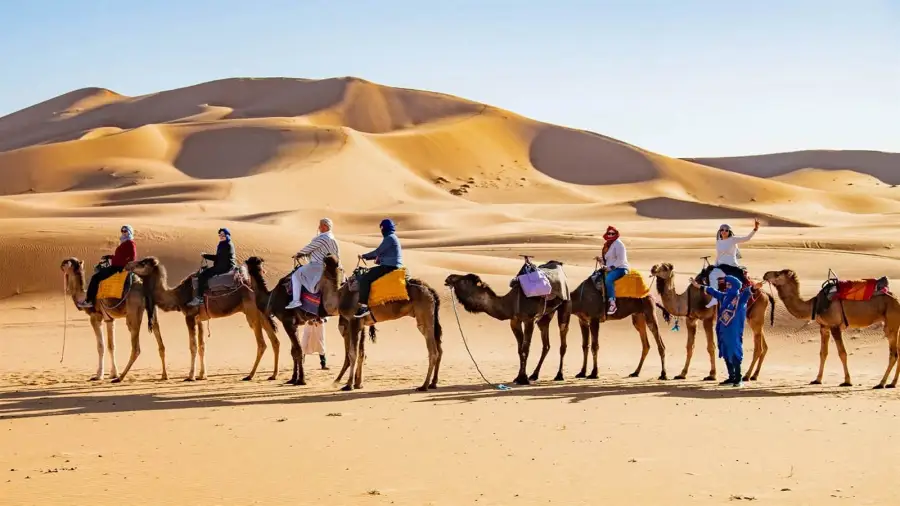 Best for a desert group tripMoroccoSahara trips involve long drives over the Atlas; a group shares transport and camp logistics.
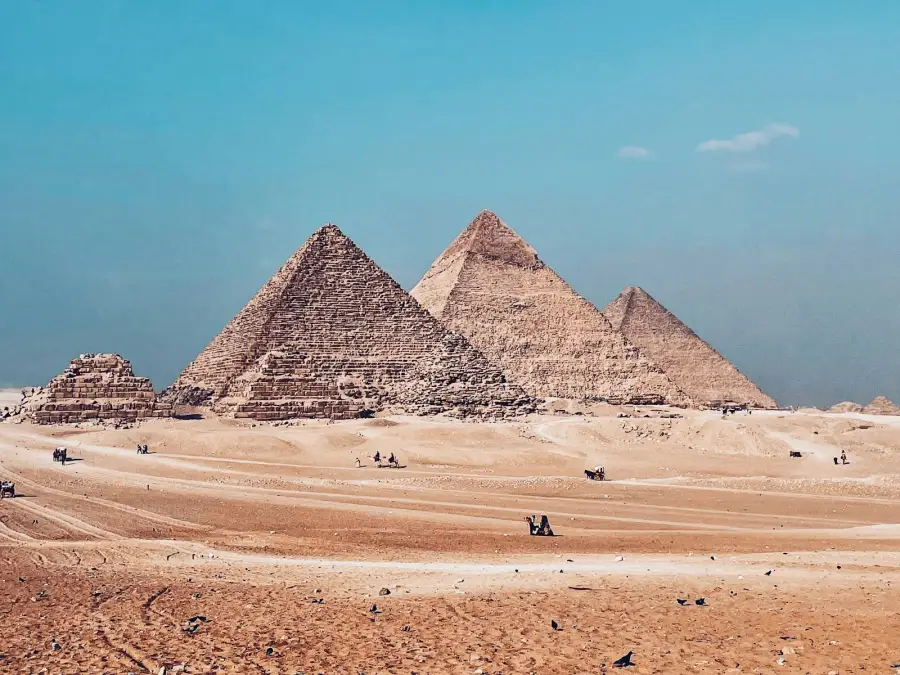 Where a group helps mostEgyptLong distances, complex tickets and constant touting make a guided group the calmest way to see the Nile Valley.
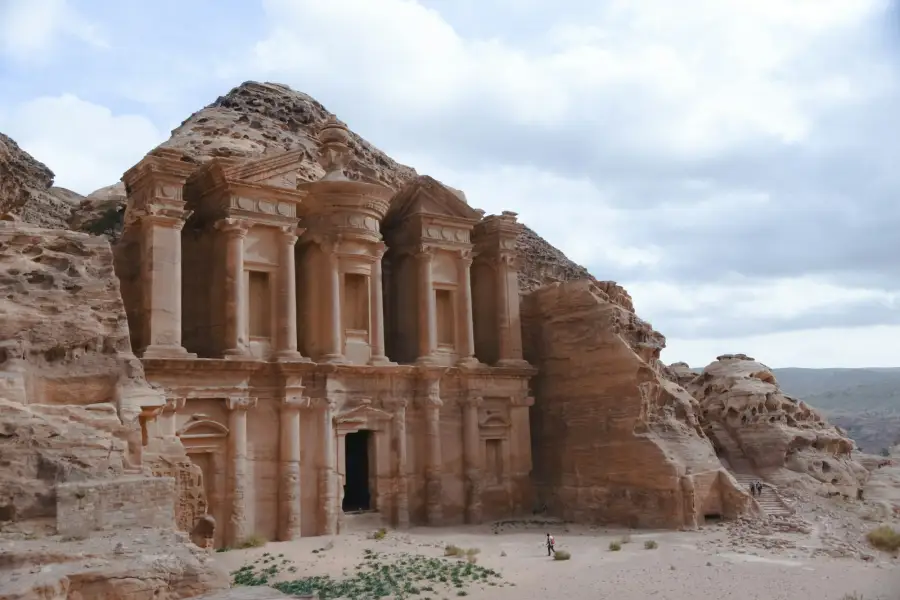 Best for sharing transport costsJordanLimited public transport between Petra, Wadi Rum and the Dead Sea makes private drivers expensive for one person.
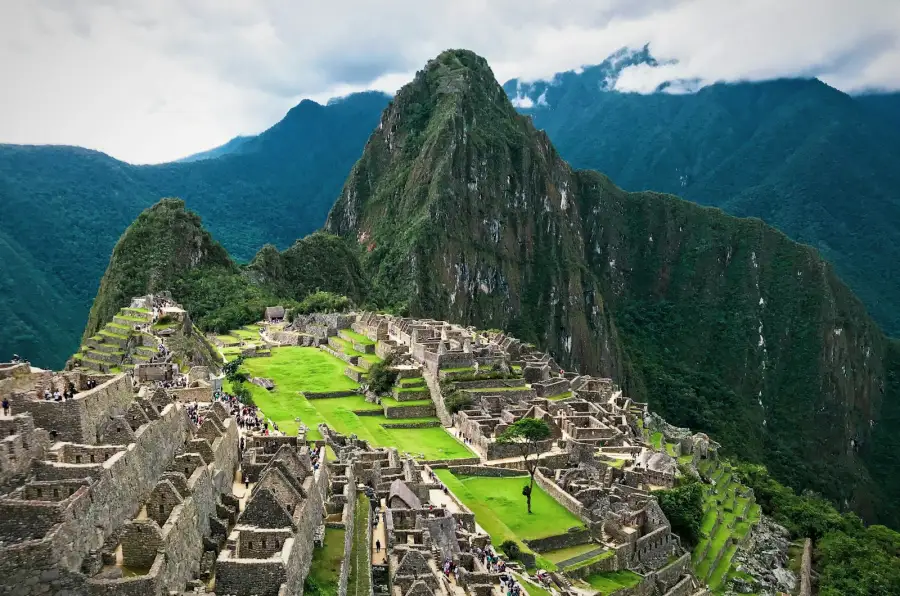 Best for trekking groupsPeruTimed Machu Picchu tickets, trek permits and altitude are much easier when acclimatisation days are built in.
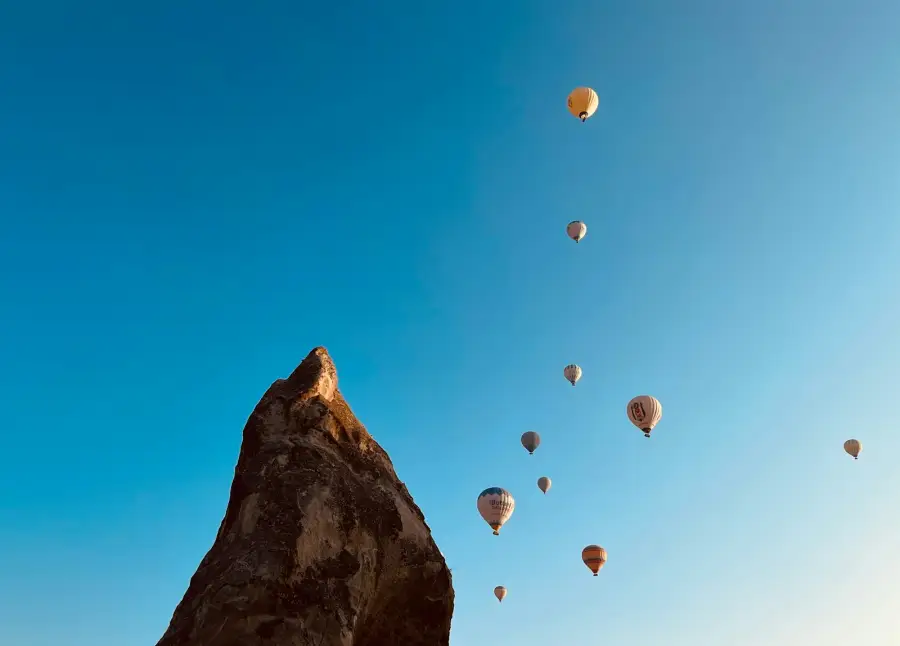 Best multi-region group routeTurkeyLinks Istanbul, Cappadocia, Ephesus and the coast efficiently across a big country.
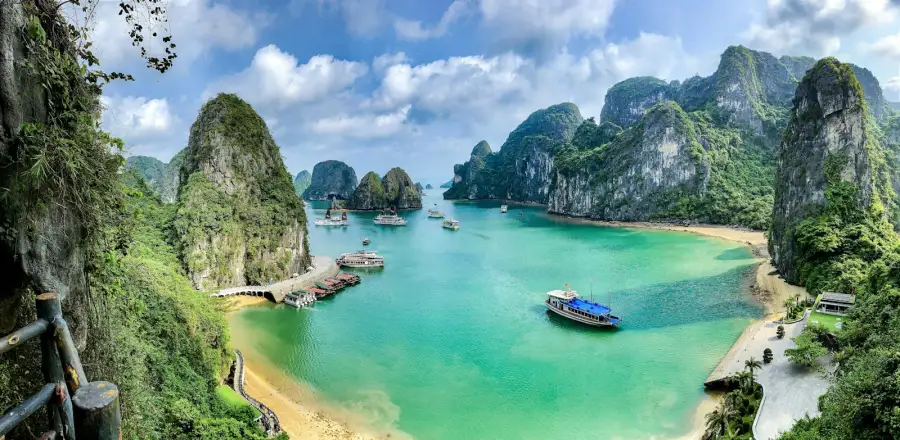 Best value group trip in AsiaVietnamLow daily costs, plus bay cruises and northern mountain loops that are easier with others.
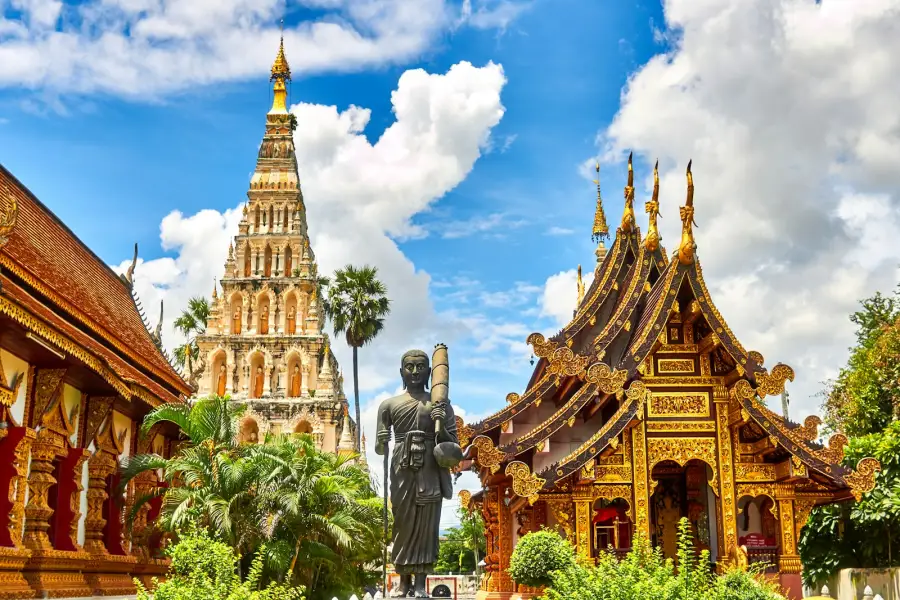 Best for combining north and southThailandA group links Bangkok, Chiang Mai and the islands without hours of comparing ferry timetables.
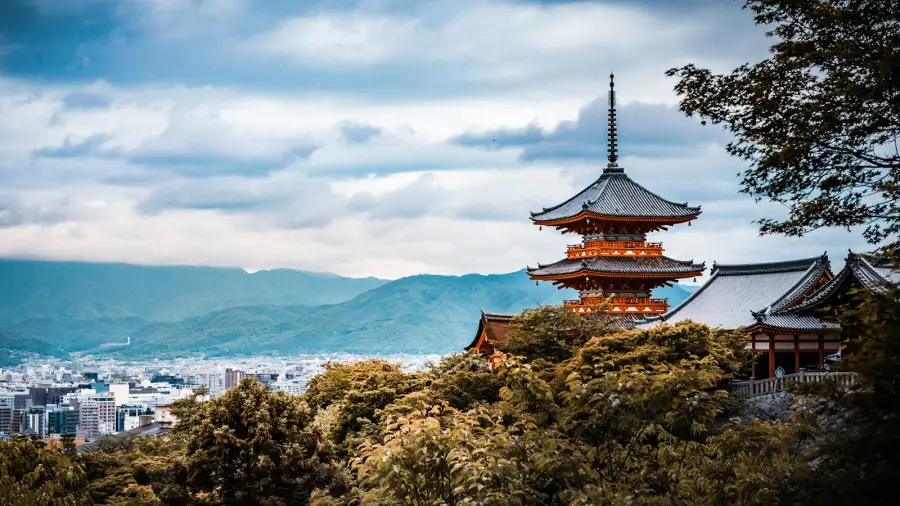 Best for a guided culture tripJapanTransport is easy, but a guide explains the many unspoken customs and gets more from short visits.
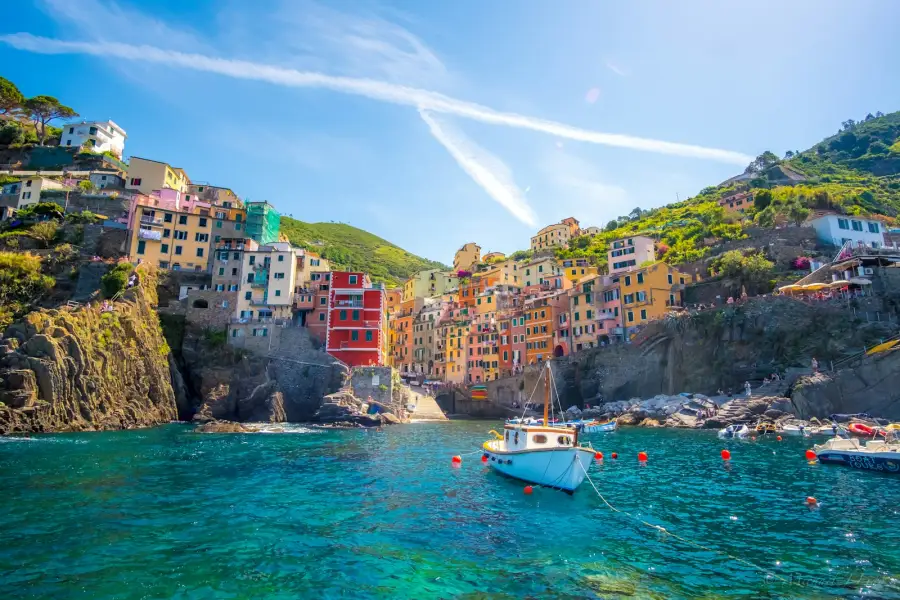 Best for food and wine groupsItalyLong dinners, tastings and cooking classes are more enjoyable shared.
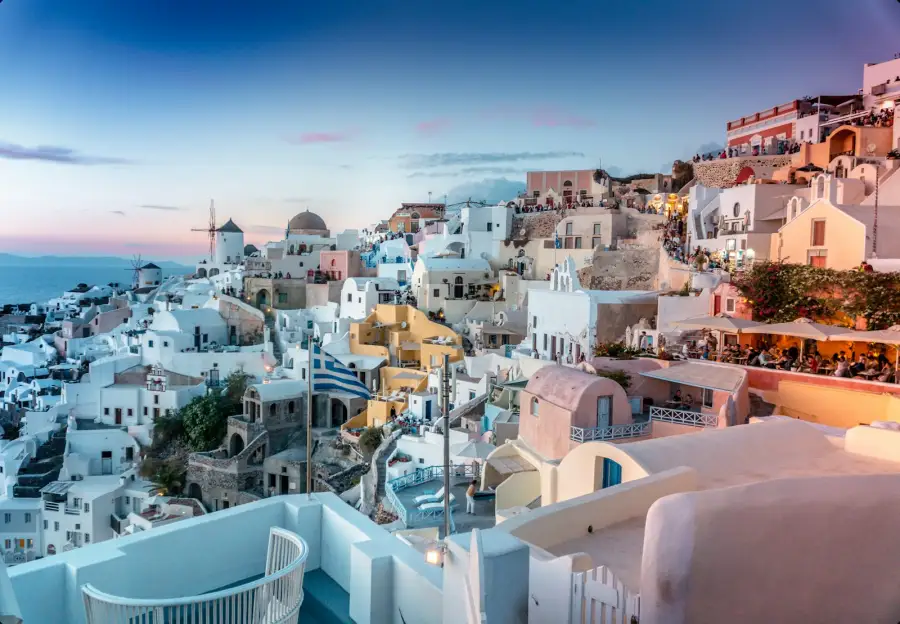 Best for island-hopping groupsGreeceA group takes care of matching ferry timetables and reaching mountain villages.
How solo group travel works day to day
If you have never joined a group, it helps to know what a normal day looks like. Details vary, but most small group trips follow a similar pattern.
Meeting the group
Most trips start with a welcome meeting on the first evening at the hotel. The guide explains the plan, safety points and practical details, and everyone introduces themselves. Many groups go out for dinner together that first night.
A typical day
Days usually combine a travel leg or main activity in the morning with a guided visit and some free time later. Free afternoons and evenings let you explore alone, rest or join others. On some days, such as a desert trip, a Nile cruise or a trek, the whole day is shared.
Rooms
Solo travellers on group trips usually have two options: pay extra for a private room, or agree to share a twin room with another solo traveller of the same gender. Some trips use dorms or shared camps for specific nights, such as overnight trains or desert camps. Ask exactly how rooms work for each night.
Meals
Some meals are included, often breakfasts and a few dinners. Others are left free, and the group often eats together anyway. You are never obliged to join every meal.
The guide or tour leader
The leader handles tickets, transport and problems, and is your first contact if anything goes wrong. Some trips add specialist local guides at major sites.
Group dynamics
You will get on well with some people and less well with others. That is normal. Most groups settle into a friendly rhythm within a day or two. If something goes wrong, such as a serious conflict or behaviour that makes you uncomfortable, speak to the guide early.
Many solo travellers arrive a day or two before the trip starts, or stay on afterwards, to have some independent time as well.
How to choose group tours for solo travelers
Two trips to the same country can feel completely different. Before you book any group tour for solo travellers, check these points carefully.
- Maximum group size. A trip described as small group should state a maximum number. The difference between 10 and 25 people is huge.
- Who usually joins. Ask about the typical age range and how many travellers usually come alone. A responsible organiser can give a general answer without sharing personal details.
- Room policy. Is there a single supplement? Can you share with another solo traveller to avoid it? What happens if no roommate is found?
- What is included. Transport, entry tickets, guides, meals and activities. Compare what is left as optional, because extras can add up.
- Pace and fitness level. How many hotel changes are there? How long are travel days? How much walking or hiking is involved?
- Free time. Some travellers want every hour planned; others want afternoons to themselves.
- Accommodation style. Hostel, guesthouse, riad, hotel, camp? Ask for examples of where the group usually stays.
- Guide qualifications. Is there a licensed local guide where required? Does the leader stay with the group throughout?
- Safety and support. What happens in a medical emergency? Is there a local contact available at all times?
- Booking conditions. Deposit, cancellation terms, minimum numbers for the trip to run, and what happens if it is cancelled.
- Financial protection. Depending on where you book, package holidays may be covered by consumer protection schemes. Check what applies in your country.
Read independent reviews on several platforms, and look for detailed reviews that describe the guide, the group and how problems were handled, rather than just a star rating. Be cautious of reviews that all sound the same.
Finally, make sure the trip matches what you want from it. A fast trip covering five cities in a week may look like great value, but a slower route with fewer hotel changes is often more enjoyable.
Group size and cost of solo travel tours
Group size and price are the two things people compare first. Both vary widely, so treat the figures below as rough orientation rather than exact prices.
Typical group sizes
- Small groups: often somewhere around 8 to 16 travellers. Easier to get to know everyone, fit in smaller vehicles and guesthouses, and are more flexible.
- Medium groups: roughly 16 to 25. Still sociable, but logistics are slower.
- Large coach tours: sometimes 30 or more. Lower cost per person but much less personal.
- Private or micro groups: a handful of people, usually at a higher price per person.
What affects the price
Costs depend on the country, season, accommodation level, group size, what is included and how many internal flights or permits are needed. Trips in Japan or Western Europe usually cost more per day than trips in Vietnam, Thailand, Morocco or Egypt, mirroring the daily budgets in our country guides. Peak dates, such as cherry blossom season in Japan or summer in the Greek islands, also push prices up.
Price levels
Budget small group trips in lower-cost countries usually cost the least, mid-range trips cost more, and premium trips go higher. International flights are usually extra, and real prices vary a lot – compare several options and check what is included before you decide.
Compare like with like
A cheaper trip may leave out entry tickets, most meals or activities, which you then pay locally. When comparing, add up the trip price, the single supplement if you want your own room, likely optional extras, tips for guides and drivers, and any visa or entry fees. Compare that total against what the same route would cost you independently, remembering that private drivers and single rooms are expensive when you travel alone.
Single supplements and room sharing
The single supplement is the extra charge a solo traveller pays to have a room to themselves. It exists because hotels usually price per room, and many group trip prices are calculated on the basis of two people sharing.
How much is it?
It varies enormously. On some trips it is a small extra; on others it can come close to the price of a second person in the room. It also tends to be higher in expensive destinations and in peak season. Always ask for the exact figure before you book, and check whether it applies to every night or only some.
Ways to avoid or reduce it
- Room sharing. Many group trips will pair you with another solo traveller of the same gender in a twin room. Ask what happens if no roommate is found – some organisers then give you a single room at no extra cost, others charge the supplement.
- Solo-friendly trips. Some trips are designed for solo travellers and either include a private room or keep the supplement low.
- Off-peak dates. Supplements are sometimes lower outside high season.
- Simpler accommodation. Guesthouses and hostels with genuine single rooms are often cheaper than hotel doubles.
Should you share?
Sharing saves money and many people end up good friends with their roommate. It also means less privacy, adjusting to someone else's sleep habits, and no guaranteed quiet space after long days. If you are a light sleeper or value time alone, a private room, even for part of the trip, may be worth the cost.
Some trips include nights where everyone shares by default, such as desert camps, overnight trains or mountain huts. Check the itinerary for these so there are no surprises.
Red flags when booking group trips for solo travellers
Most group trips are run responsibly, but it is worth knowing the warning signs. These red flags apply wherever and however you book.
- No clear maximum group size. Small group with no number attached can mean anything.
- Vague inclusions. If the itinerary does not clearly list what is included and what costs extra, you may face large additional costs on the ground.
- Pressure to pay quickly. Countdown timers, last-minute deals that keep repeating, or requests to pay the full price long in advance with no clear reason.
- Unusual payment methods. Requests to pay by bank transfer to a personal account, by cryptocurrency or by gift cards, especially from someone you met online.
- No written terms. You should be able to read booking, cancellation and refund conditions before paying.
- No local contact or emergency plan. A responsible organiser can tell you who to call if something goes wrong.
- Reviews that look copied. Many short, similar five-star reviews with no detail, or reviews only on the organiser's own site.
- Unrealistic itineraries. Too many places in too few days, very long driving days, or ignoring altitude, heat or permit rules.
- Ignoring official advice. Trips that visit areas your government advises against travelling to may not be covered by your travel insurance.
- Informal groups with no structure. Meeting strangers online to travel together can work well, but nobody is responsible for safety. Meet in public first, keep control of your own money and documents, and tell someone at home your plans.
If something feels wrong, ask direct questions. A good organiser answers clearly in writing. If the answers are evasive, keep looking. Paying by credit card can also give you extra protection in some countries – check what applies to you.
Best countries for group trips for solo travellers
Group travel works anywhere, but in some countries it adds far more value than in others. Based on our 12 country guides, these are the places where joining a group as a solo traveller makes the biggest difference.
Where a group helps most
- Egypt. Long distances between Cairo, Luxor and Aswan, complex ticketing and persistent touting around major sites. A group with a guide makes the Nile Valley much calmer.
- Jordan. Limited public transport between Amman, Petra, Wadi Rum and the Dead Sea. Sharing a vehicle cuts costs that are high for one person.
- Morocco. The Sahara at Merzouga or Zagora involves long drives over the Atlas; a group shares transport and camp logistics, and medina hassle is easier with company.
- Peru. Timed Machu Picchu tickets, trekking permits, altitude and early starts. Group itineraries usually include acclimatisation days.
Where a group adds convenience and company
- Turkey. Links Istanbul, Cappadocia, Ephesus and the coast across a large country.
- Vietnam and Thailand. Easy to travel alone on the main routes, but groups help with bay cruises, northern mountain loops and combining regions in a short holiday.
- Japan. Transport is easy, but a guide helps you understand customs and get more from short visits, and the cost of a guide is shared.
Where a group is mainly for company
Portugal, Spain, Italy and Greece are straightforward to do alone. A group here is mostly about shared meals, wine tastings, cooking classes, rural areas without trains and less planning.
Each of our country guides has a section on why to join a group trip there as a solo traveller, plus sample itineraries, approximate budgets and safety advice.
How to find tour groups for solo travelers
There are more ways than ever to find a group to travel with. The trick is to search in a way that shows trips actually suited to solo travellers, then check them carefully.
Search smart
Combine the country with phrases such as small group tour, group trip for solo travellers or solo travel tour. Add your age range, women-only or an interest such as hiking or food if that matters to you. Then read the trip details, not just the headline.
Ask the organiser directly
- What is the maximum group size, and what is the usual size on this departure?
- Roughly how many travellers come alone, and what is the typical age range?
- How does room sharing work, and what is the single supplement?
- Is the departure guaranteed to run, or does it need a minimum number?
- Who is my contact in an emergency?
Check independent sources
Read reviews on more than one independent platform and look for detail about the guide, the group and how problems were handled. Travel forums and solo travel communities can be useful for questions, but treat recommendations from strangers with the same care as any advert.
Join a group locally
You do not have to book everything before you leave. In many places you can join short group excursions locally – a two or three day desert trip from Marrakech, a bay cruise from Hanoi, a guided Sacred Valley tour from Cusco. Book through accommodation with good reviews or established local offices, and check what is included before paying.
Check the basics
Whatever you book, check entry rules for your passport with official sources, buy travel insurance that covers the trip's activities, and read your government's travel advice for every region on the route.
Questions people ask
How do I find a travel group as a solo traveller?
Search for small group tours or group trips for solo travellers in the country you want, adding your age range or interest if it matters. Check the maximum group size, room policy and inclusions, and read independent reviews on more than one platform. You can also join short group excursions locally once you arrive.
What are solo travel groups?
Solo travel groups are organised trips where people who book alone travel together, usually with a guide who handles transport, tickets and accommodation. Some are open to everyone, others are solo-only, women-only, age-based or built around an interest such as hiking or food.
Are group tours good for solo travellers?
They suit many solo travellers well, especially on a first trip or in countries where logistics are harder, such as Egypt, Jordan, Morocco or Peru. You get company and support without planning everything. The trade-offs are less freedom and the chance you will not click with everyone.
How many people are in a small group tour?
Small group tours often have somewhere around 8 to 16 travellers, though definitions vary. Always check the stated maximum, because a trip described as small group could have 10 or 25 people. Ask about the usual size on your departure too.
How much do group trips for solo travellers cost?
Prices vary widely by country, season and comfort level. Budget small group trips in lower-cost countries usually cost the least and mid-range trips more, with flights usually extra. Compare total costs, including single supplements and extras.
What is a single supplement?
A single supplement is the extra charge a solo traveller pays to have a room to themselves on a trip priced for two sharing. It can be a small extra or close to the cost of a second person. Many trips let you avoid it by sharing with another solo traveller of the same gender.
How can I avoid the single supplement?
Choose trips that offer room sharing with another solo traveller, look for solo-friendly trips with low or no supplement, or travel off-peak when supplements may be lower. Ask what happens if no roommate is found, as policies differ.
Is it weird to join a group tour alone?
Not at all. On many small group trips a large share of the travellers come alone, and some trips are only for solo travellers. Most groups become friendly within the first day or two.
What age are people on solo group tours?
It depends on the trip. Some are aimed at 18 to 35s, others at travellers over 50, and many have no age limit and attract a wide mix. Ask the organiser about the typical age range on the departure you are looking at.
Are there travel groups for solo travelers over 50?
Yes, many trips are aimed at or popular with travellers over 50 and 60. They often have a gentler pace, more comfortable hotels and more guided time. Check the activity level and number of hotel changes to make sure it suits you.
Are there women-only solo travel groups?
Yes, women-only group trips exist in many countries. Some women prefer them for comfort, especially in places where solo women may receive unwanted attention, and they can give access to experiences with local women that are harder in mixed groups.
What should I ask before booking a solo travel tour?
Ask the maximum and usual group size, typical age range, how many travel alone, the room-sharing policy and single supplement, what is included, the pace and fitness level, whether the departure is guaranteed, and who to contact in an emergency. Get the answers in writing.
What are the red flags when booking a group trip?
Watch for no stated group size, vague inclusions, pressure to pay quickly, requests for unusual payment methods, no written terms, no emergency contact, and reviews that look copied. If answers to direct questions are evasive, keep looking.
Which countries are best for group trips for solo travellers?
A group helps most in Egypt, Jordan, Morocco and Peru, where distances, limited transport, permits or touting make solo travel harder. Turkey, Vietnam, Thailand and Japan also suit groups well. In Portugal, Spain, Italy and Greece, groups are mainly about company and less planning.
Can I join a group tour once I arrive?
Often yes. Short group excursions, such as a desert trip from Marrakech, a bay cruise from Hanoi or a Sacred Valley tour from Cusco, can usually be booked locally. Book through well-reviewed accommodation or established offices and check what is included.
Do I have to share a room on a group trip?
Usually not; you can normally pay a single supplement for your own room. Some nights, such as desert camps, overnight trains or mountain huts, may be shared by default, so check the itinerary.
What if I do not get along with the group?
It is normal not to click with everyone. Use free time to do your own thing, and speak to the guide early if there is a real problem or behaviour that makes you uncomfortable. Arriving early or staying on after the trip also gives you independent time.
Is solo group travel safe?
Travelling with a guide and a group reduces many common risks, such as getting lost, scams and travelling alone at night. It does not remove all risk, so still read your government's travel advice, keep your valuables secure and buy travel insurance that covers the trip.
Are online travel groups for meeting other solo travellers safe?
They can be a good way to find company, but nobody is responsible for safety or logistics. Meet in public first, keep control of your own money and documents, do not pay strangers in advance, and tell someone at home your plans.
Are solo travel tours worth it?
They are often worth it where independent travel is expensive or complicated for one person, because transport, guides and logistics are shared. In easy countries you may save money going independently. Compare the full trip price with what the same route would cost alone, including single rooms and private drivers.
People also search for
solo travel groups travel groups for solo travelers solo travel tours solo group travel group tours for solo travelers group trips for solo travellers tour groups for solo travelers travel solo groups small group tours for solo travellers single supplement group trips over 50 women only group tours solo travel group age 20s 30s how to find a travel group solo traveling groups solo travelling trips solo traveling companies solo travel agency solo travel groups over 50 solo travel groups 30s solo travel groups over 40 solo travel groups 40s solo traveling groups for women solo travel companies uk solo travel tours 40s solo trips 40s