Solo travel in Japan – a complete guide for joining a group
Japan is often described as one of the easiest countries in the world to travel alone. Trains are punctual, cities are clean and well organised, crime rates are low, and eating alone is completely normal – many ramen shops, sushi bars and izakaya have counter seating designed for single diners. From the neon of Tokyo to the temples of Kyoto, the island shrines of Miyajima and the snowy mountains of Hokkaido, there is a huge amount to see.
Where a group helps is in understanding a culture with many unspoken rules, navigating busy stations and rural transport, and getting the most from short visits to places like Kyoto, where the best experiences often need local knowledge or advance booking. A group also offers company in a country where language can be a barrier outside the big cities.
How to get to Japan from the USA, UK, Canada, Australia…
Information checked: October 2026 · how we check
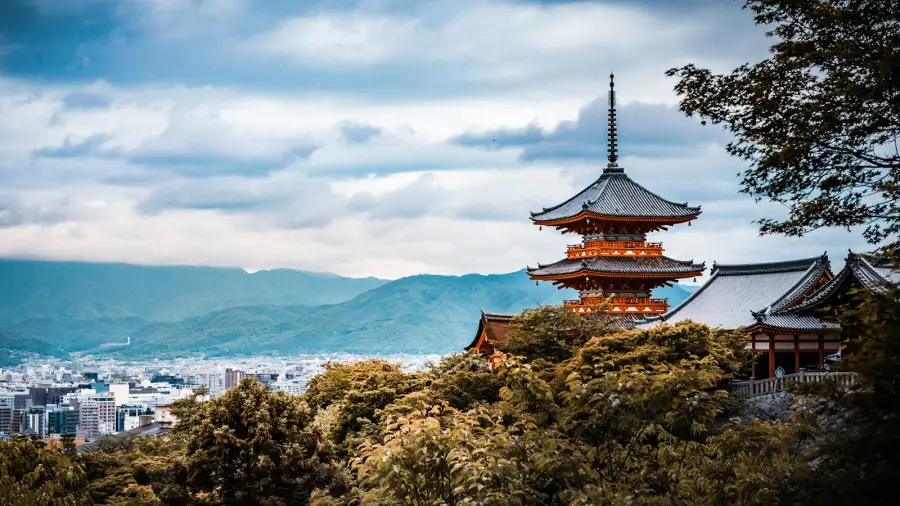
Places to visit in Japan as a solo traveller
A full guide for each: what to see, where to stay, safety and how many days.
Japan month by month
Typical weather and what each month is like for a group trip. Every year is different – check the forecast before you go.
Clear skies and good Mount Fuji views; the first days of the year are a holiday period with some closures.
Snow festivals in Hokkaido and excellent skiing; cities are quiet and good value.
Plum blossom early in the month and cherry blossom often starting in late March in Tokyo and Kyoto.
Peak cherry blossom season early in the month in many cities; very busy, so book well ahead.
Fresh green landscapes and pleasant weather, but avoid Golden Week at the start of the month if you can.
The rainy season (tsuyu) affects most of the country except Hokkaido; hydrangeas are in flower.
Hot summer with festivals such as Kyoto's Gion Matsuri; the climbing season on Mount Fuji usually opens.
Fireworks and Obon festivals, but intense heat, busy transport around Obon and typhoon risk.
Heat eases slowly; typhoon season can disrupt transport, so keep plans flexible.
Comfortable weather and autumn colours beginning in Hokkaido and the mountains.
Autumn leaves (koyo) peak in Kyoto and Tokyo, usually from mid to late month.
Winter illuminations in cities; transport is busy around New Year when some places close.
Great timeMixedTough (heat, rain or crowds)
Solo travel in Japan: the guide
Why join a group trip in Japan as a solo traveller
Japan is very safe and efficient, and many first-time solo travellers manage well on their own. So why join a group? Mostly to save time, understand more, and share the experiences that are harder to arrange alone.
Understanding a different culture
Japan has many customs that visitors are not always aware of – how to behave in a temple, an onsen or a traditional inn, what to do with your shoes, and when to stay quiet. A good group leader explains these naturally as you go, so you feel relaxed rather than worried about getting something wrong.
Language and rural travel
In Tokyo, Kyoto and Osaka, signs are usually in English and transport is easy to follow. In smaller towns, the Japan Alps or the countryside, English is less common, buses can be infrequent and menus may be in Japanese only. A group trip makes these areas much more accessible.
Bookings that sell out
Popular experiences – traditional ryokan stays, some museums, certain tea ceremonies and restaurant counters, and accommodation during cherry blossom or autumn leaf season – can be booked up weeks or months ahead. Group trips usually have these arranged, which helps if you are planning at short notice.
Sharing costs
Japan is not cheap, and single rooms in ryokan are scarce or priced per person in a way that favours couples or groups. Shared private transfers, multi-course kaiseki dinners and local guides are easier to justify when split.
Who it suits
Group trips suit first-time visitors who want to see Tokyo, Kyoto and beyond in one or two weeks, travellers over 50 who prefer not to handle large stations with luggage, and food lovers who want to try dishes they would not know how to order. Many people join a group for the first part of a trip, then spend extra days in Tokyo or Kyoto on their own with new confidence.
Best time to visit Japan
The most popular times to visit Japan are spring (March to May) and autumn (October to November). Both bring comfortable temperatures and beautiful scenery, but also the biggest crowds and highest prices.
Spring: cherry blossom
Cherry blossom (sakura) usually reaches Tokyo and Kyoto in late March or early April, moving north to Hokkaido by late April or May. The exact dates change each year and are forecast in advance. Parks fill with hanami picnics, and it is a wonderful time to be in Japan, but accommodation in Kyoto in particular is in high demand. Golden Week, a cluster of public holidays from late April to early May, is one of the busiest travel periods for Japanese people – trains and hotels fill up.
Summer: festivals and heat
June brings the rainy season to most of the country except Hokkaido, usually until mid to late July. July and August are hot and very humid, often above 30°C, with occasional heatwaves. Summer is also festival season, with fireworks, Kyoto's Gion Matsuri in July and Obon in mid-August, when many people travel to their home towns. Hokkaido and the mountains are cooler escapes.
Autumn: colourful leaves
Typhoons are most likely from about August to October and can disrupt flights and trains, so leave some flexibility. From October the weather is pleasant, and autumn colours (koyo) spread south from Hokkaido, usually peaking in Kyoto and Tokyo from mid to late November.
Winter: snow and clear skies
Winter is cold but often dry and sunny on the Pacific side, with good views of Mount Fuji. Hokkaido and the Japan Alps have some of the world's best powder snow, and the Sapporo Snow Festival takes place in February. Apart from the New Year holiday, it is a quieter and better-value time for cities.
What to pack for Japan
The most useful advice for a Japan packing list is to pack light. You will carry your bag through busy stations, up stairs and on to trains with limited luggage space, and some Shinkansen routes require a reservation for oversized bags.
Clothing
- Smart-casual, layered clothing. Japanese people tend to dress neatly, and layers handle air-conditioned trains and changing weather.
- Shoes that are easy to take off and put on – you will remove them in temples, ryokan, some restaurants and homes.
- Clean socks without holes, for the same reason.
- Comfortable walking shoes: many visitors walk 15,000 steps or more a day.
- A light rain jacket or a compact umbrella, especially for June, July and typhoon season. Cheap umbrellas are also sold in every convenience store.
- Warm layers, a hat and gloves for winter, and proper winter gear for Hokkaido or the mountains.
- Breathable, quick-dry clothing for the humid summer.
Practical items
- A Type A plug adapter if your devices use another standard. Japan's voltage is 100 V; most phone and laptop chargers handle this, but check other devices.
- A small towel or handkerchief – many public toilets have no paper towels or dryers.
- A small bag for your rubbish, as public bins are rare.
- A coin purse: Japan still uses a lot of coins.
- A pocket Wi-Fi device or eSIM, useful for maps and translation.
- Any regular medicines with prescription, as some common medicines are restricted in Japan. Check the rules before you travel.
Japan visa and entry requirements
Japan's entry rules depend on your nationality, so always check the latest information from your government and from Japan's Ministry of Foreign Affairs before you book.
Visa exemption for short stays
Citizens of many countries can visit Japan without a visa for short-term tourism. For many passport holders, including those from many EU countries, the UK, the US, Canada and Australia, the visa-free stay is often up to 90 days, but the permitted length can differ by nationality and conditions apply. Other nationalities need to apply for a visa at a Japanese embassy or consulate, and some may be able to use an e-visa system. Do not assume the rule for your passport – check the official list.
At the border
Visitors usually have their fingerprints and photo taken on arrival. You may be asked to show a return or onward ticket and details of where you are staying. Japan's government offers Visit Japan Web, an official online service where you can register immigration and customs information before arrival to speed up the process at many airports.
Planned changes
Japan has announced plans to introduce an electronic pre-travel authorisation system for visa-exempt visitors in the future. At the time of writing, its start date and details were not confirmed. Check your government's travel advice and official Japanese government sources for the current position.
Medicines
Japan has strict rules on some medicines, including certain common cold and allergy remedies and prescription medicines. Carrying larger quantities may require advance permission. Check the official guidance well before you travel.
Where to check
Use your government's travel advice, such as the UK Foreign Office, the US State Department or Australia's Smartraveller, together with the Ministry of Foreign Affairs of Japan website.
How much does a trip to Japan cost?
Japan uses the yen (JPY). Exchange rates have moved a lot in recent years, which has changed how expensive Japan feels for visitors. The prices below are approximate 2026 ranges in euros – check current rates and prices before you go.
Japan budget per day
A budget traveller staying in hostels or capsule hotels, eating ramen, convenience-store meals and set lunches, and using local trains can manage on around €60–90 per day, not including long-distance rail. A mid-range traveller in business hotels, eating in restaurants and izakaya and joining a few tours can expect around €130–220 per day. A night in a traditional ryokan with dinner and breakfast costs considerably more.
Where the money goes
- Accommodation: business hotels are compact but well equipped and are good value for solo travellers, as many offer single rooms. Prices rise sharply during cherry blossom, Golden Week and autumn leaf season.
- Long-distance transport: the Shinkansen is fast but expensive. The national Japan Rail Pass became much more expensive after a price rise in 2023, so compare it with single tickets and regional passes for your exact route.
- Food: eating well on a budget is easy. Lunch sets (teishoku), ramen, curry rice, conveyor-belt sushi and convenience-store meals are all good value.
- Experiences: temple entry fees are usually modest, but tea ceremonies, kaiseki dinners and some attractions add up.
Saving money as a solo traveller
Make lunch your main restaurant meal, stay in business hotels with single rooms, use highway buses for some long journeys, and travel outside peak blossom and holiday weeks. Department store food halls often discount prepared food in the evening.
Is Japan safe for solo and female travellers?
Japan is widely regarded as one of the safest countries for solo travellers, including women travelling alone. Lost wallets are often handed in, and walking in cities at night generally feels comfortable. Still, no country is free of risk, and a few practical points are worth knowing.
Tips for women travelling alone
- Groping (chikan) on crowded trains is a known problem. Many lines in big cities have women-only carriages during rush hours, marked on the platform and the train. If something happens, say it clearly and loudly and report it to station staff.
- In nightlife districts such as Kabukicho in Tokyo, ignore touts who try to lead you into bars, as some bars overcharge heavily.
- Keep an eye on your drink, as you would anywhere.
- Many hostels and capsule hotels have women-only floors or dorms.
Natural hazards
Japan is in an active earthquake zone, and typhoons, heavy rain and landslides happen mainly between June and October. Japan has excellent warning systems. Learn the basics of what to do in an earthquake, follow instructions from hotel staff and officials, and consider the official Safety tips app from the Japan Tourism Agency, which sends alerts in English and other languages. Summer heat and humidity can cause heatstroke, so drink water and rest in the shade.
Other things to know
- Japan has very strict laws on drugs, including some medicines, and police can stop and ask for ID. Carry your passport, as foreign visitors are required to.
- Cycling on pavements is common; stay alert when walking.
- On mountain hikes, including Mount Fuji, weather changes quickly. Go in season and prepared.
Emergency numbers
Call 110 for police and 119 for fire and ambulance. Koban, the small police boxes found in most neighbourhoods, can also help with directions and lost property.
Getting around Japan
Japan's public transport is famous for being punctual, clean and well signposted. Most solo travellers never need a car.
Shinkansen (bullet trains)
The Shinkansen links Tokyo with Kyoto, Osaka, Hiroshima, Kanazawa, northern Honshu, Hokkaido and Kyushu. Tokyo to Kyoto takes around two to two and a quarter hours on the fastest services. Reserved seats are recommended at busy times, and luggage above a certain size may need a reservation on some routes. Trains leave exactly on time, so arrive at the platform a few minutes early.
Rail passes
The national Japan Rail Pass covers most JR trains, including most Shinkansen, for 7, 14 or 21 days. After its price increase in 2023, it is not always cheaper than single tickets for a simple Tokyo–Kyoto–Osaka trip. Regional JR passes, covering areas such as Kansai, Hokkaido or Kyushu, can be better value. Compare prices for your exact route before buying.
IC cards
Rechargeable IC cards such as Suica, PASMO and ICOCA work on trains, subways and buses in most big cities, and in many convenience stores. You can also add a Suica card to some smartphones. They make city travel very simple.
Buses
Highway buses, including overnight buses, are a cheaper alternative to the Shinkansen on many routes. Local buses reach temples, mountain villages and rural areas, but may be infrequent – check the last bus back.
Luggage forwarding
Japan's luggage delivery service (takkyubin) lets you send your suitcase from one hotel to the next, often arriving the next day. It makes train travel much easier and is popular with travellers moving between cities.
Driving
Japan drives on the left. A car is useful in Hokkaido and rural areas, but visitors need a valid International Driving Permit of the right type or another accepted document. Check the requirements for your country.
Culture, etiquette and food
Japanese culture values politeness, consideration for others and harmony in shared spaces. Visitors are not expected to know every rule, but making an effort is appreciated.
Etiquette tips
- Take off your shoes when entering homes, ryokan, many temples and some restaurants. Look for a step up or a row of slippers. Use the separate toilet slippers only in the toilet.
- Keep your voice down and do not take phone calls on trains.
- Do not tip. If you leave money, staff may run after you to return it.
- Do not stick chopsticks upright in rice or pass food from chopsticks to chopsticks, as both are linked to funerals.
- In onsen (hot spring baths), wash thoroughly before getting in, do not put your towel in the water, and bathe without swimwear. Some onsen restrict visitors with tattoos; check in advance or look for tattoo-friendly or private baths.
- Eating while walking is frowned upon in some places, especially near temples. Many people eat beside the stall or shop where they bought the food.
- Queue neatly on platforms and stand on the correct side of escalators (left in Tokyo, right in Osaka).
Festivals and traditions
Matsuri (festivals) take place all year. Highlights include cherry blossom picnics in spring, Kyoto's Gion Matsuri in July, Obon in August with lantern and dance events, and New Year, when people visit shrines for the first prayers of the year.
What to eat
Japanese food is far more varied than sushi. Try:
- Ramen – regional styles from rich tonkotsu in Fukuoka to miso ramen in Sapporo.
- Sushi and sashimi – from affordable conveyor-belt sushi to counter restaurants.
- Okonomiyaki – savoury pancakes, with different styles in Osaka and Hiroshima.
- Takoyaki – octopus balls, a classic Osaka street food.
- Tempura, udon and soba – everyday comfort food.
- Kaiseki – a traditional multi-course meal, often served at ryokan.
- Izakaya dishes – small plates such as yakitori (grilled skewers) with beer or sake.
- Konbini food – convenience stores sell surprisingly good onigiri, sandwiches and hot snacks.
Meeting other travellers in Japan
Japanese culture is reserved, and you may find that people are polite but less likely to start a conversation with strangers than in some other countries. Meeting other travellers is still easy if you know where to go.
Where solo travellers meet
- Hostels in Tokyo, Kyoto, Osaka and Hiroshima often have lounges, bars and organised events such as food walks or karaoke nights.
- Food tours and cooking classes are a sociable way to learn about Japanese cuisine, from street food in Osaka to izakaya crawls in Tokyo.
- Izakaya and standing bars with counter seating often lead to conversations with the staff and the people next to you, especially in smaller places.
- Hiking trails such as the Kumano Kodo pilgrimage routes and the Nakasendo trail attract international walkers who often share guesthouses along the way.
- Temple stays on Mount Koya (Koyasan) put you with other guests for vegetarian monastic meals and morning prayers.
Joining a group trip
If you want company and structure, a small-group trip is a good way to see Japan. Compare trips by group size, age range, single room options, the type of accommodation (ryokan, business hotels or both), how much is spent on trains, and whether luggage forwarding is included. Some trips focus on culture and food, others on hiking, cherry blossom or the countryside.
Meeting locals
Learning a few words – konnichiwa (hello), arigato gozaimasu (thank you), sumimasen (excuse me or sorry) – is appreciated. Language exchange events in big cities and English-speaking volunteer guides at some tourist sites are good ways to meet Japanese people. Smaller towns and rural guesthouses often lead to the warmest encounters.
Japan packing list
- Light, layered smart-casual clothing
- Slip-on shoes for frequent removal
- Clean socks without holes
- Comfortable walking shoes
- Compact umbrella or light rain jacket
- Breathable quick-dry clothes for summer
- Warm coat, hat and gloves for winter
- Type A plug adapter (100 V)
- Small hand towel or handkerchief
- Small bag for carrying rubbish
- Coin purse
- eSIM or pocket Wi-Fi for maps and translation
- Prescription medicines with paperwork, checked against Japan's rules
- Small backpack or carry-on sized luggage
- Sun cream and hat for summer
- Passport, which visitors must carry at all times
The general list for any trip: solo travel packing list.
Typical costs in Japan
| What | Basic | Mid-range |
|---|---|---|
| Hostel dorm or capsule bed | €20–40 | €80–150 (business hotel single or double) |
| Ramen or set lunch | €6–10 | €10–18 |
| Izakaya or restaurant dinner | €12–20 | €30–60 with drinks |
| Convenience-store meal | €4–8 | €6–10 |
| City train or subway ride | around €1–2 | €8–15 day pass |
| Shinkansen Tokyo to Kyoto (one way) | around €75–90 (unreserved/reserved) | €90–120 (Green Car higher) |
| Temple or shrine entry | free–€5 | €5–15 |
| Ryokan night with dinner and breakfast | €90–150 per person | €150–350+ per person |
| Onsen or public bath entry | €3–10 | €10–25 |
Approximate prices for 2026 in euros. Prices change – check before you go. More: how to budget a solo trip.
Japan itineraries: 5, 7, 10 and 14 days
Routes that work for a first visit – on your own or as the shape of a group trip.
Japan in 5 days: Tokyo and Kyoto
Tokyo – Kyoto
- Day 1Arrive in Tokyo
Settle in and explore Shinjuku or Shibuya in the evening, with dinner in a small izakaya lane.
- Day 2Classic Tokyo
Senso-ji temple in Asakusa, the Meiji Shrine, Harajuku and a view over the city from an observation deck.
- Day 3Shinkansen to Kyoto
Morning bullet train to Kyoto, then an afternoon walk through the Higashiyama district to Kiyomizu-dera.
- Day 4Temples and shrines
Early visit to the gates of Fushimi Inari, then the bamboo grove and temples of Arashiyama.
- Day 5Nara day trip and departure
Visit Nara's great Buddha and deer park, then travel to Osaka's Kansai Airport or back to Tokyo.
Japan in 7 days: Tokyo, Hakone, Kyoto and Osaka
Tokyo – Hakone – Kyoto – Osaka
- Days 1–2Tokyo
Neighbourhoods from historic Asakusa to modern Shibuya, food markets and a museum or two.
- Day 3Hakone
Travel to the hot spring area of Hakone for lake and mountain views, with a chance of seeing Mount Fuji, and a night in a ryokan.
- Days 4–5Kyoto
Temples, gardens and the old streets of Gion, plus Fushimi Inari early in the morning.
- Day 6Nara
Day trip to Nara for Todai-ji temple and its deer park.
- Day 7Osaka
Street food in Dotonbori before departing from Kansai Airport.
Japan in 10 days: Tokyo, the Alps, Kyoto and Hiroshima
Tokyo – Takayama – Kanazawa – Kyoto – Hiroshima – Osaka
- Days 1–3Tokyo
Three days for the city, with an optional day trip to Nikko or Kamakura.
- Day 4Takayama
Travel into the Japan Alps to Takayama's preserved old town, morning markets and sake breweries.
- Day 5Shirakawa-go and Kanazawa
Visit the thatched farmhouses of Shirakawa-go, then continue to Kanazawa.
- Day 6Kanazawa
Kenroku-en garden, the geisha district and the fresh seafood of Omicho market.
- Days 7–8Kyoto
Temples, gardens and traditional streets in Japan's old capital.
- Day 9Hiroshima and Miyajima
The Peace Memorial Park and Museum, then the island shrine of Itsukushima on Miyajima.
- Day 10Osaka and departure
Travel to Osaka for a last evening of street food, or straight to the airport.
Japan in 2 weeks: from Tokyo to Hiroshima at a slower pace
Tokyo – Hakone – Takayama – Kanazawa – Kyoto – Koyasan – Osaka – Hiroshima
- Days 1–3Tokyo
Explore different neighbourhoods each day, from traditional Yanaka to futuristic Odaiba.
- Day 4Hakone
Hot springs, lake cruises and mountain views, with a ryokan night.
- Days 5–6Takayama and Shirakawa-go
Mountain towns, farmhouses and local Hida beef.
- Day 7Kanazawa
Gardens, castle grounds and the old samurai and geisha districts.
- Days 8–10Kyoto and Nara
Temples, tea culture and Nara's deer park, with time for quieter northern Kyoto.
- Day 11Koyasan
A night in a temple lodging on sacred Mount Koya, with vegetarian monastic food and morning prayers.
- Day 12Osaka
Street food, Osaka Castle and lively nightlife.
- Days 13–14Hiroshima and Miyajima
Peace Memorial Park, Miyajima's floating torii gate and a final okonomiyaki dinner before departing.
Where to go in Japan
A vast, safe and endlessly varied city where solo dining, solo karaoke and solo exploring are completely normal.
The former imperial capital, with hundreds of temples, shrines and gardens, and traditional streets best seen early in the morning.
Japan's food capital, known for friendly, outgoing locals and some of the best street food in the country.
An easy day trip from Kyoto or Osaka, with giant Buddha statues, ancient temples and free-roaming deer.
A moving visit to the Peace Memorial Park combined with the scenic island shrine of Itsukushima.
Hot springs, ryokan stays and lake views with a chance of seeing Mount Fuji, close to Tokyo.
Preserved old towns, thatched farmhouses and mountain scenery, giving a slower, more traditional side of Japan.
Japan's northern island, for summer hiking, flower fields, winter snow and fresh seafood.
Group trips in Japan for solo travellers
We have no confirmed group departure in Japan yet. We only list real dates.
Host your own group trip to JapanHow to choose a group tripSingle supplement explained
Solo travel in Japan: questions
Is Japan good for solo travel?
Yes. Japan is safe, efficient and well set up for people on their own, from counter-seat restaurants to single hotel rooms. Language can be a barrier outside the cities, but signs and transport are easy to follow in the main tourist areas.
Is Japan safe for solo female travellers?
Japan is generally considered very safe for women travelling alone. Groping on crowded trains is a known issue, so use women-only carriages at rush hour if you prefer, and ignore nightlife touts. Check your government's travel advice for the latest information.
What is the best time to visit Japan?
Spring (March to May) and autumn (October to November) are usually the most pleasant, with cherry blossom and autumn leaves, but they are also the busiest. Winter is good for snow and clear skies, while summer is hot, humid and festive.
Do I need a visa for Japan?
Many nationalities can visit Japan visa-free for short tourist stays, often up to 90 days, but the rules depend on your passport. Others need a visa from a Japanese embassy. Check the Ministry of Foreign Affairs of Japan and your government's travel advice before booking.
How much does a trip to Japan cost per day?
As a rough guide, budget travellers spend around €60–90 per day and mid-range travellers around €130–220, not including long-distance trains. Exchange rates change, so check current prices before you go.
Is the Japan Rail Pass worth it?
It depends on your route. Since the price rise in 2023, the national pass is often not worth it for a simple Tokyo–Kyoto–Osaka trip, but it can pay off for long journeys. Regional passes may be better value, so compare for your exact itinerary.
How many days do I need in Japan?
Five days is enough for Tokyo and Kyoto. Seven to ten days lets you add Hakone, Osaka, Nara or Hiroshima, and two weeks allows the Japan Alps and a temple stay at a more relaxed pace.
Do I need to speak Japanese?
No, but a few polite phrases help. Cities and stations have English signs, and translation apps work well for menus. Outside major cities, spoken English is less common.
Should I tip in Japan?
No. Tipping is not part of Japanese culture and may cause confusion. Good service is included, and a polite thank you is the best way to show appreciation.
Japan for solo travellers, groups and women: more questions
Is Japan good for a first solo trip?
Japan is one of the easiest countries for a first solo trip: it is very safe, trains are efficient and cities have English signage. Eating and sightseeing alone are completely normal. The main things to learn are local customs, such as etiquette in temples, onsen and traditional inns.
Is a week enough for Japan as a solo traveller?
A week is enough for Tokyo, Hakone, Kyoto and Osaka. Five days suits Tokyo and Kyoto only, while 10 days lets you add Takayama, Kanazawa and Hiroshima. With two weeks you can include a temple stay on Koyasan.
Is Japan expensive for solo travellers?
Japan is one of the more expensive destinations: roughly €60–90 a day on a budget and €130–220 a day mid-range (approximate, check before you go). Capsule hotels and dorms (around €20–40), ramen or set lunches (around €6–10) and convenience-store meals keep costs down. Ryokan are often priced per person in a way that favours couples, so solo travellers may pay more there; the currency is the Japanese yen (JPY).
Where do solo travellers stay in Japan?
Solo travellers often use hostels and capsule hotels, many with women-only floors or dorms, and business hotels, which have small single rooms. A night in a ryokan (traditional inn) with dinner and breakfast is worth it once, and a temple stay on Koyasan is a memorable option. Book early for cherry blossom and autumn leaf seasons.
How do I meet people travelling alone in Japan?
Japanese culture is reserved, so meeting people takes a little more effort. Hostel lounges and events, food tours in Osaka, izakaya crawls in Tokyo and counter seats in small bars are good places to start conversations. Walking routes such as the Kumano Kodo and Nakasendo trail bring international walkers together in shared guesthouses.
Should I join a group tour in Japan as a solo traveller?
You can manage Japan alone, but a group saves time and explains customs as you go. It makes rural areas such as the Japan Alps easier, where English is less common and buses are infrequent. Groups also secure ryokan stays and experiences that sell out weeks or months ahead, especially in cherry blossom season.
What is the best group trip in Japan for solo travellers?
For a first visit, the classic route runs Tokyo – Hakone – Kyoto – Osaka – Hiroshima. Second-time or slower travellers often prefer the Japan Alps and countryside (Takayama, Shirakawa-go, Kanazawa) or walking trips on the Kumano Kodo or Nakasendo. Seasonal trips for cherry blossom or autumn leaves and food-focused trips are also popular; check if luggage forwarding is included.
How big are group tours in Japan?
It varies. Small-group trips often keep to somewhere around 10–16 people, which suits public trains and small ryokan, while coach tours can be larger. Check the maximum group size, the type of accommodation and how much travel is by train.
How do I avoid the single supplement in Japan?
Japan is easier than many countries for solo travellers, because business hotels and capsule hotels have single rooms or beds. On group trips, ask whether room sharing with another solo traveller of the same gender is offered. Ryokan nights are where solo costs usually rise.
Is Tokyo safe for a woman travelling alone?
Tokyo is widely regarded as very safe for women travelling alone, and walking at night generally feels comfortable. Groping (chikan) on crowded trains is a known problem, so many lines have women-only carriages at rush hour; if something happens, say it loudly and report it to station staff. In nightlife districts such as Kabukicho, ignore touts who try to lead you into bars.
What should women wear in Japan?
There is no strict dress code, but neat, fairly modest clothes fit in well, and very revealing tops are less common than in Europe. Shoes that slip on and off easily help, because you remove them in temples, ryokan and some restaurants. Onsen are bathed in without clothing and are separated by gender, and some do not allow visible tattoos.
Are there women-only group tours in Japan?
Yes, some operators run women-only trips in Japan, though many women feel comfortable travelling alone there. Japan also has practical women-only options, such as women-only train carriages at rush hour and women-only floors in hostels and capsule hotels. Compare group size, accommodation type and pace.
Can a woman travel alone at night in Japan?
Yes, most women find walking around Japanese cities at night comfortable, and lost wallets are often handed in. Usual care still applies: watch your drink in nightlife areas and ignore touts. Check last train times, as many lines stop running around midnight.
Can I go to an onsen alone as a woman?
Yes, going to an onsen alone is very common, and baths are usually separated by gender. Wash thoroughly at the shower stations before entering, and keep your small towel out of the water. If you have tattoos or prefer privacy, look for a private bath that can be booked for your own use.
Is Japan lonely for solo travellers?
Japan is very easy to travel alone, but some people find it quieter socially because locals are polite and reserved. Eating alone is normal, with counter seats in ramen shops and izakaya. To meet people, choose social hostels, food tours, walking trails or a small group trip.
People also search for
solo travel japan japan solo female travel is japan safe for solo female travellers japan group tours for solo travellers japan small group tour japan itinerary 7 days solo tokyo solo travel women only tours japan is tokyo safe for women at night japan budget per day solo japan tour single supplement kumano kodo group walk first solo trip japan japan tours for over 50s solo traveling japan solo traveling tokyo solo travel osaka solo travel okinawa solo travel japan itinerary solo traveling japan as a woman
Official sources to check before you go
- UK Foreign Office travel advice: Japan
- US State Department: Japan travel information
- Australian Government Smartraveller
- Ministry of Foreign Affairs of Japan: visas
Entry rules, safety advice and prices change. This guide is general information, not legal or medical advice – always check your own government's travel advice.
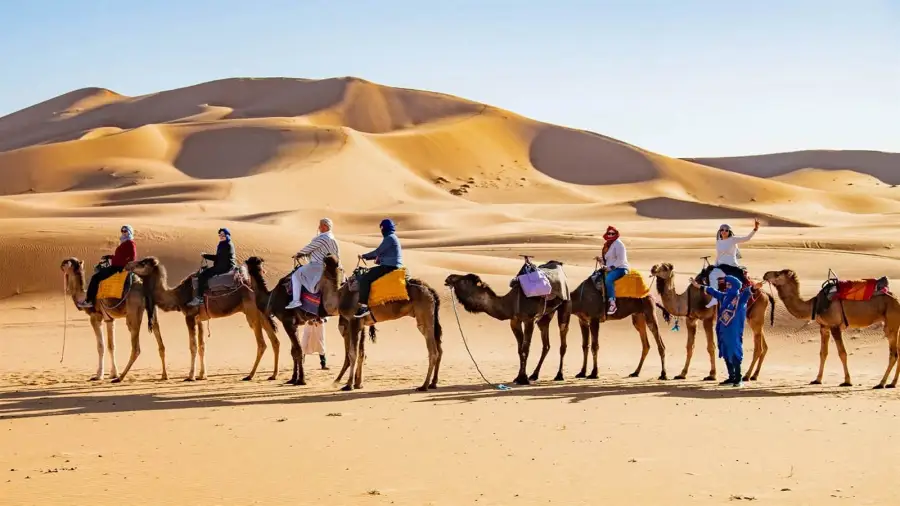
Also loved by solo travellers
Add Morocco to your list
Planning solo travel in Morocco? Best time to go, visa basics, budget per day, safety tips for women, packing list and 5 to 14-day itineraries.
Travel solo. Explore together.
Thinking about Japan with a group?
Ask us anything about travelling solo with a group, or tell us your dates. When a real group trip matches, we will let you know – no spam, no invented offers.
- 1Tell us the country and monthOr just ask a question – packing, safety, budget.
- 2Get an honest answer by emailFrom people who plan group trips, not a robot.
- 3Join a real departure – or notYou only book when a date suits you. Book now, pay later.