Is Kyoto good for solo travel?
Kyoto is one of the most rewarding cities in Japan for solo travel. It is smaller and calmer than Tokyo, with a slower pace that suits wandering alone. The city is generally very safe, and temples, gardens and walking paths are naturally peaceful places to spend time with your own thoughts.
Why it works alone
- Many highlights, such as gardens, tea ceremonies and quiet temples, are more enjoyable without distractions.
- You can start very early or stay out late to avoid the crowds, which is easier alone.
- Kyoto has many small guesthouses, hostels and traditional townhouse stays (machiya) where it is easy to meet other travellers.
- Food is light and seasonal, and counter seats are common.
What can be harder
Kyoto is very popular, especially during cherry blossom and autumn leaf season. The most famous sights can be crowded from mid-morning, and city buses get packed. Accommodation books up early in peak seasons. Some neighbourhoods have introduced rules to protect residents, such as closing private lanes in Gion to tourists, so respectful behaviour is important.
The best way to travel to Kyoto alone is to plan each day around one area, walk as much as possible and use the early morning for the busiest places. That leaves the afternoon for smaller temples, cafés and gardens.
Things to do in Kyoto alone
The best things to do in Kyoto alone combine famous sights with quiet moments that are easier to enjoy on your own.
Temples and shrines
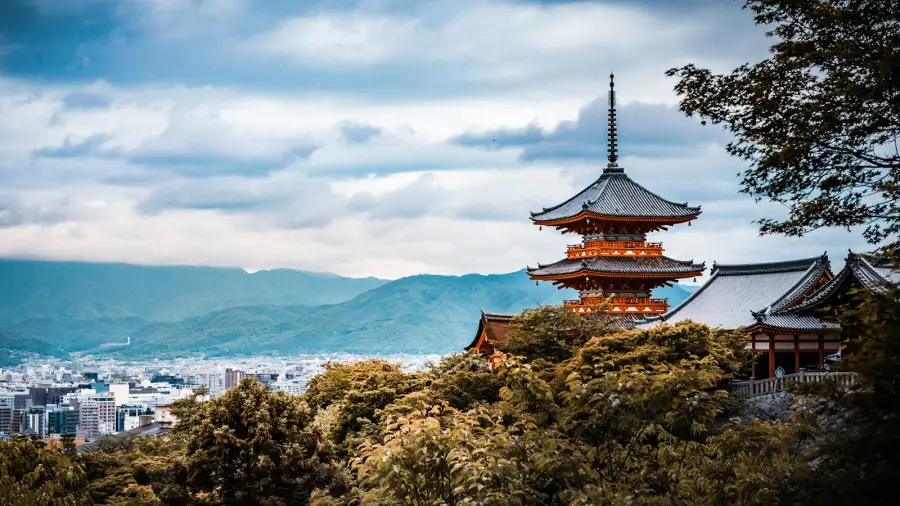
Kyoto has more than a thousand temples and shrines. Beyond the famous names – Fushimi Inari, Kiyomizu-dera, Kinkaku-ji – look for smaller places such as the moss gardens and sub-temples around Daitoku-ji and Myoshin-ji, or the stone garden at Ryoan-ji. Many temples have a small entry fee and close in the late afternoon.
Gardens
Japanese gardens are designed for quiet contemplation, which makes them perfect for solo visits. Sit on the veranda of a temple and look at a raked gravel garden, walk around a pond garden, or visit in autumn when maple leaves turn red.
Traditional culture
Try a tea ceremony, a kimono rental for a stroll in Higashiyama, a calligraphy class or a meditation session at a Zen temple. Many are run in small groups, so you will be with other people for an hour or two.
Walks
Walk the Philosopher's Path, the lanes of Higashiyama from Kiyomizu-dera to Yasaka Shrine, the Kamo River banks at sunset, or the forest trail between Kurama and Kibune. Hiking up Mount Inari past the last crowds is also a peaceful experience.
Evenings
Pontocho, a narrow lane by the river, and the Gion area come alive in the evening. Stroll respectfully and enjoy the lantern-lit streets.
Where to stay in Kyoto as a solo traveller
When deciding where to stay in Kyoto as a solo traveller, think about how you will get around. Buses can be slow and crowded, so being close to a train or subway station helps.
Around Kyoto Station
The most practical choice for transport. Kyoto Station has the Shinkansen, JR lines to Nara, Arashiyama and Fushimi Inari, the subway and the main bus terminal. The area is modern rather than charming, but there are many business hotels with single rooms and plenty of food options.
Downtown: Shijo, Kawaramachi and Karasuma
The centre of shopping, restaurants and nightlife, close to Nishiki Market and Pontocho. It is lively in the evening, well connected by subway and private railway, and within walking distance of Gion. A good balance for most solo travellers.
Higashiyama and Gion
The most atmospheric area, close to Kiyomizu-dera, Yasaka Shrine and old streets. Staying here makes early-morning visits easy. It is quieter at night, and accommodation can be more expensive. Traditional machiya townhouses and ryokan are found here, but check whether single occupancy is possible.
Hostels and guesthouses
Kyoto has many hostels and small guesthouses, some in renovated townhouses, often with shared lounges. Several have women-only dorms. In cherry blossom and autumn leaf seasons, book well in advance, as rooms sell out.
Is Kyoto safe for solo female travellers?
Kyoto is generally considered very safe for solo female travellers. Crime levels are low, streets are quiet at night, and many women explore the city alone without any issues. The main things to watch for are practical rather than serious.
Everyday tips
- Kyoto's residential streets are quiet and dark at night. Most women feel comfortable walking, but stay on main streets if you prefer more people around.
- Trains are rarely as crowded as in Tokyo, but women-only carriages are available on some lines at rush hour.
- In bars in the downtown area, use the same care you would anywhere, and avoid touts.
- Pickpocketing is rare, but keep bags closed in very crowded places such as Fushimi Inari and Nishiki Market.
Hiking and nature
Trails such as Mount Inari, Kurama–Kibune and the hills around Arashiyama are popular and generally safe. Some paths are steep and slippery after rain. Carry water, wear proper shoes and finish before dark. In some forested areas around Kyoto, signs warn about wild animals such as monkeys, wild boar or occasionally bears – follow local signs.
Weather and natural hazards
Summers are very hot and humid, so watch for heatstroke. Typhoons and heavy rain mainly affect late summer and early autumn. Earthquakes can happen anywhere in Japan. Follow official alerts and staff instructions.
Emergency numbers are 110 for police and 119 for fire and ambulance.
Getting around Kyoto
Kyoto is spread out, and getting around takes some planning. A mix of walking, trains, subway and buses works best.
Getting there
The Shinkansen runs from Tokyo to Kyoto in around two to two and a quarter hours on the fastest trains. From Kansai International Airport, a JR limited express takes about 75 minutes to Kyoto Station, and airport buses are also available. Osaka is only around 15 minutes away by Shinkansen or a little longer on regular trains.
Trains and subway
JR lines connect Kyoto Station with Fushimi Inari, Arashiyama and Nara. The city's two subway lines cross the centre, and private railways run to Gion, Fushimi and the north towards Kurama. Trains are often faster and less crowded than buses.
Buses
City buses reach almost all sights, but they can be slow and very crowded, especially on routes to Kiyomizu-dera and Kinkaku-ji. Avoid peak times, and consider taking a train for part of the journey. Use your IC card or pay when you get off.
Walking and cycling
Many areas, such as Higashiyama, Gion and the Philosopher's Path, are best explored on foot. Cycling is a good option on flat parts of the city; park only in official bike parking areas, as illegal parking is towed.
Taxis
Taxis are common and useful for short trips, especially if you are tired or it is raining.
What to eat in Kyoto alone
Kyoto's food is known for refinement, seasonal ingredients and a light touch. Eating alone is easy, from market snacks to counter meals.
Kyoto specialities
- Yudofu – tofu simmered in a light broth, a classic near Zen temples such as Nanzen-ji and in Arashiyama.
- Yuba – delicate tofu skin, served fresh or dried.
- Kyo-tsukemono – Kyoto-style pickled vegetables, sold in Nishiki Market.
- Obanzai – home-style Kyoto side dishes, often served as small set meals.
- Shojin ryori – Buddhist vegetarian cuisine, served at some temples.
- Kaiseki – an elegant multi-course meal that follows the seasons, often booked in advance.
- Matcha sweets – green tea ice cream, parfaits and wagashi (traditional sweets), especially near Uji.
Markets
Nishiki Market is the best place to graze: grilled skewers, tofu doughnuts, pickles and sweets. Eating while walking is discouraged here, so eat at the stall where you buy. Department store food halls near Shijo and Kyoto Station are also good for take-away meals.
Eating out alone
Counter restaurants serving ramen, udon, tempura or sushi are perfect for solo diners. Some high-end restaurants require reservations, and a few prefer guests who speak Japanese or come through a hotel booking, so ask your accommodation for help. Lunch sets are often much cheaper than dinner.
Day trips from Kyoto
Kyoto sits at the heart of the Kansai region, and several excellent day trips are close by.
Nara
Around 45 minutes by train, Nara was Japan's first permanent capital. See the giant Buddha in Todai-ji, Kasuga Taisha shrine with its stone lanterns, and the deer that roam the park. Bow to the deer and they may bow back, but be careful when you have deer crackers in your hand.
Uji
A short train ride south, Uji is famous for green tea and the Byodo-in temple, whose Phoenix Hall appears on the 10-yen coin. A pleasant, quiet half day.
Osaka
Just 15 minutes by Shinkansen or a little longer by regular train, Osaka offers street food, nightlife and Osaka Castle – a great contrast to Kyoto.
Himeji Castle
One of Japan's original castles and a UNESCO World Heritage Site, reached in under an hour by Shinkansen from Kyoto. Combine it with the Koko-en garden next door.
Lake Biwa and Ohara
Japan's largest lake is just east of Kyoto, and the rural village of Ohara in the northern hills has peaceful temples and gardens.
Koyasan and Amanohashidate
Further afield, Mount Koya (Koyasan) offers temple stays, and Amanohashidate on the Sea of Japan coast is a famous sandbar view. Both are better as overnight trips.
Kyoto itinerary: 1, 2 or 3 days
How many days in Kyoto is right? Three to four days is ideal for a first visit. This Kyoto itinerary groups nearby sights together and uses early mornings for the busiest places.
1 day in Kyoto
- Sunrise: Fushimi Inari, walking up beyond the first gates.
- Late morning: Kiyomizu-dera and the lanes of Sannenzaka and Ninenzaka.
- Afternoon: Yasaka Shrine, Maruyama Park and Nishiki Market.
- Evening: A walk through Gion and Pontocho.
2 days in Kyoto
- Day 1: As above.
- Day 2: Arashiyama early in the morning for the bamboo grove and Tenryu-ji, then Kinkaku-ji and Ryoan-ji in the afternoon.
3 days in Kyoto
- Days 1–2: As above.
- Day 3: Ginkaku-ji, the Philosopher's Path and Nanzen-ji in the morning, then Nijo Castle or Sanjusangen-do in the afternoon. Or take a half-day trip to Nara.
With more time
Add Uji, the Kurama–Kibune hike or a day in Osaka. In peak seasons, extra days help you avoid rushing and enjoy quieter temples.
Tips for planning your days
Group sights by area – east (Higashiyama), west (Arashiyama), north (Kinkaku-ji) and south (Fushimi Inari) – so you are not crossing the city several times a day. Many temples close around 16:30 to 17:00, so plan evening walks in Gion, Pontocho or along the Kamo River instead.
Kyoto group tours for solo travellers
Kyoto is easy to explore independently, but joining others for part of your visit can add depth and company.
Short group experiences
Tea ceremonies, cooking classes, guided early-morning walks at Fushimi Inari, evening walks through Gion with a guide who explains its customs, and Zen meditation sessions are often run for small groups. They are a natural way to meet other travellers and learn about traditions that are hard to understand alone.
Kyoto on a group trip
Almost every group trip to Japan includes Kyoto, usually for two to four nights, often combined with Tokyo, Hakone, Nara, Osaka and Hiroshima. For solo travellers, a group can help with booking accommodation in peak seasons, arranging tea ceremonies or kaiseki dinners, and getting to sights at quieter times with a local guide.
Benefits in Kyoto
- A guide explains the stories behind temples and gardens.
- Transport between areas, often the most tiring part, is planned for you.
- Shared meals make it easier to try Kyoto's more formal cuisine.
What to look for
Check how many nights are spent in Kyoto, whether the trip includes a ryokan stay, how early the days start, the group size and whether single rooms are available. Many people add a free day or two in Kyoto at the end of a group trip to revisit favourite places alone.
Kyoto for solo travellers: questions
Is Kyoto worth visiting alone?
Yes. Kyoto's temples, gardens and quiet streets are ideal for solo exploration, and the city is generally very safe. Travelling alone also makes it easier to get up early and avoid crowds.
How many days in Kyoto do I need?
Three to four days is ideal for the main sights and a day trip to Nara. Two days gives a good taste but feels rushed in peak seasons.
Where is the best place to stay in Kyoto for solo travellers?
The Shijo–Kawaramachi downtown area is lively and central, while Kyoto Station is best for transport. Higashiyama is the most atmospheric but quieter at night.
How do I avoid crowds in Kyoto?
Visit the most famous sights, such as Fushimi Inari, Arashiyama and Kiyomizu-dera, at opening time or very early. Spend the middle of the day at smaller temples, gardens or museums.
Can I take photos of geiko and maiko in Gion?
Only with permission. Gion has closed some private lanes to tourists and asks visitors not to follow or photograph geiko and maiko without consent. Follow local signs.
When is the best time to visit Kyoto?
Late March to early April for cherry blossom and mid to late November for autumn colours are the most beautiful but busiest. May and October are pleasant and slightly quieter.
Is it easy to get around Kyoto without speaking Japanese?
Yes. Trains, buses and many sights have English signs, and map apps work well. Spoken English can be limited in small restaurants, but translation apps help.
Should I use buses or trains in Kyoto?
Use trains and subways where possible, as they are faster and less crowded. Buses reach almost everywhere but can be very busy at popular times.
Can I stay in a traditional ryokan as a solo traveller?
Yes, but some ryokan price rooms for two or more guests. Look for places that accept single occupancy, or try a machiya guesthouse or a temple stay.
Is Kyoto better than Tokyo for solo travel?
They complement each other. Tokyo is bigger and more modern, while Kyoto is slower and more traditional. Most first-time visitors spend time in both.
What should I eat in Kyoto?
Try yudofu, yuba, Kyoto pickles, obanzai side dishes, matcha sweets and, if you can, a kaiseki meal. Nishiki Market is a good place to start.
Is Nara worth a day trip from Kyoto?
Yes. Nara is under an hour away and has the giant Buddha of Todai-ji, ancient shrines and its famous deer. It is easy to visit alone by train.
People also search for
solo travel Kyoto solo traveling Kyoto travel to Kyoto alone Kyoto solo female travel is Kyoto safe for solo female travellers things to do in Kyoto alone where to stay in Kyoto as a solo traveller how many days in Kyoto Kyoto itinerary 3 days best time to visit Kyoto Kyoto group tour for solo travellers day trips from Kyoto