Solo traveling 101: how to use this solo travel handbook
Think of this page as a short solo travel handbook rather than an essay. The tips are grouped in the order most people need them: what to sort out before you leave, how to handle money, how to stay safe, how to meet people and where to sleep. Further down there are tips for women, for young adults travelling at 18 or 19, and for reading the habits of a specific country.
You do not need to follow all 78 tips. Pick the ones that solve the worries you actually have. A nervous first-timer might focus on the planning and first-trip sections. Someone who has travelled with friends but never alone might go straight to meeting people and accommodation.
The three ideas behind every tip
- Remove the hard moments. Most solo stress happens at arrival, at night and when something goes wrong. Many tips simply make those moments easier.
- Keep a backup. A second card, a paper copy of your passport, an offline map. When you travel alone there is no one else carrying the spare.
- Make company easy to find. Travelling solo does not mean being alone all the time. The right hostel, a class or a group day trip changes the whole feel of a trip.
If you are planning to join a group trip for part of your route, many tips still apply for the days before and after the group, when you are on your own.
Before you go: planning tips 1–9
Good planning for a solo trip is less about filling every hour and more about making the first and last days predictable.
- 1. Match the trip to your confidence. If this is your first trip alone, choose a place with easy transport and plenty of other visitors. You can go somewhere more demanding next time.
- 2. Check entry rules for your own passport early. Visa rules, passport validity and online travel authorisations depend on nationality and change often. Check your government's travel advice and the country's official immigration site, not a forum post.
- 3. Buy travel insurance when you book. Cover that starts at booking also protects you if you have to cancel. Read what it says about medical evacuation, theft and any activities you plan, such as hiking at altitude or diving.
- 4. Leave your plan with someone at home. Share your flights, the names of your accommodation and a rough route. Update them if the plan changes.
- 5. Book the first and last nights. Arriving with a confirmed bed removes the hardest decision of the trip. Booking the last night near the airport or station makes the journey home calmer.
- 6. Plan to arrive in daylight. Finding a new address is much easier in daylight, and you can see the area before deciding whether to walk. If a late arrival is unavoidable, arrange a transfer or know exactly which official taxi rank to use.
- 7. Download offline maps and a translation app. Save your accommodation, the station and a few landmarks before you land, in case you have no signal or data.
- 8. Learn ten words. Hello, please, thank you, sorry, how much, where is, no thank you and the numbers one to ten go a long way, and people often respond warmly to the effort.
- 9. Sort your phone before you fly. Check roaming rules or set up a local SIM or eSIM, so maps, ride apps and messages work from the moment you land.
Countries we recommend
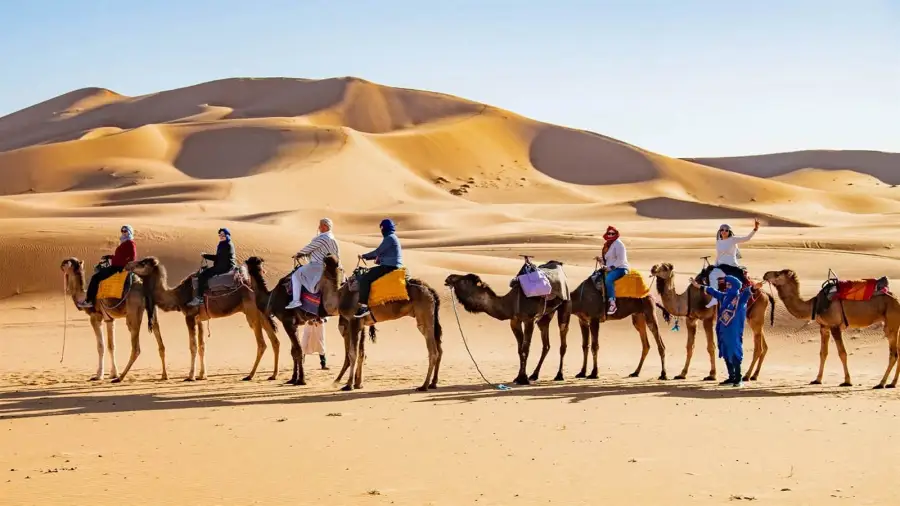 A first trip beyond EuropeMoroccoSouks, Atlas villages and a Sahara night in one short trip. Medinas and negotiated prices can feel intense alone, so a small group for part of the route is a good way to practise these tips.
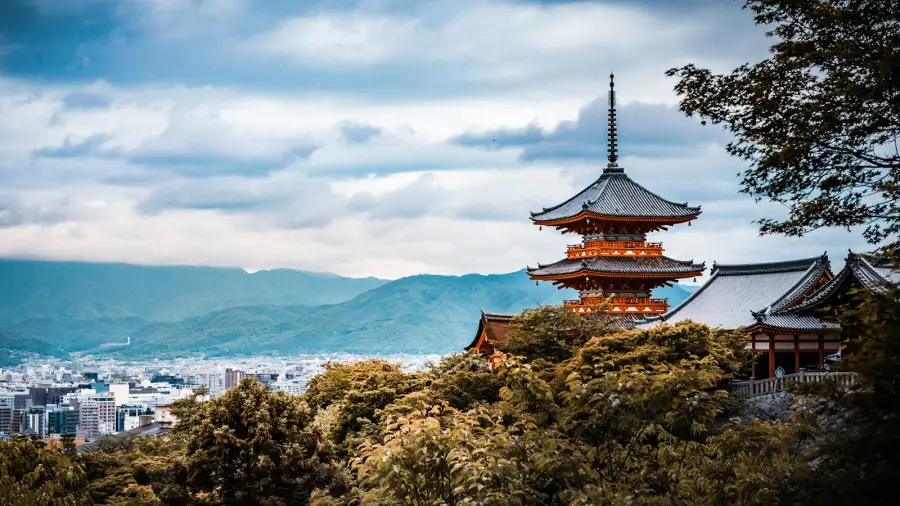 Easiest to put these tips into practiceJapanPunctual transport, counter seating for single diners and women-only carriages on some rush-hour lines make it a simple place to travel alone.
 Good for a first solo tripPortugalShort distances, easy trains and buses and a relaxed hostel scene in Lisbon and Porto make it easy to practise solo habits.
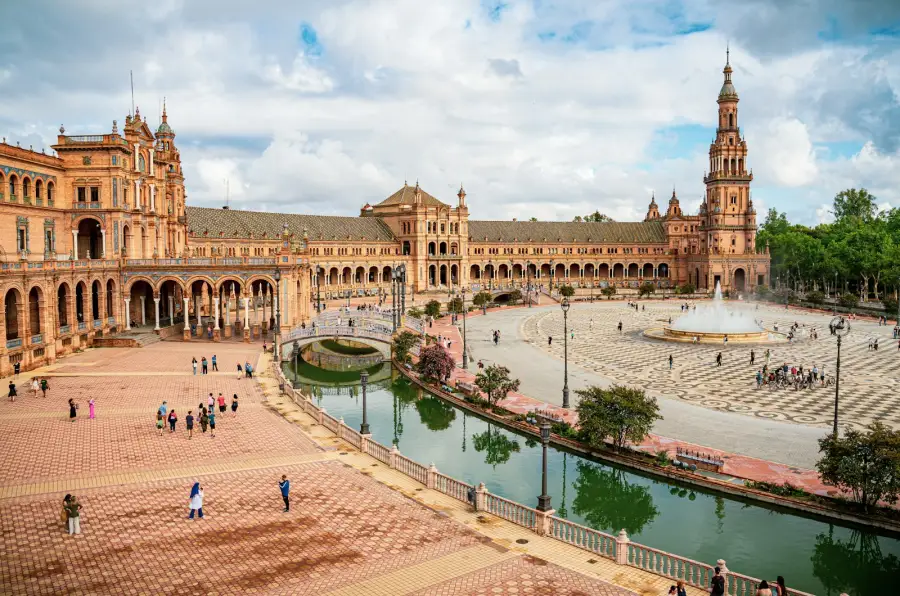 Best for meeting peopleSpainTapas bars, plazas and late dinners mean you are rarely far from company, and set lunches suit a careful budget.
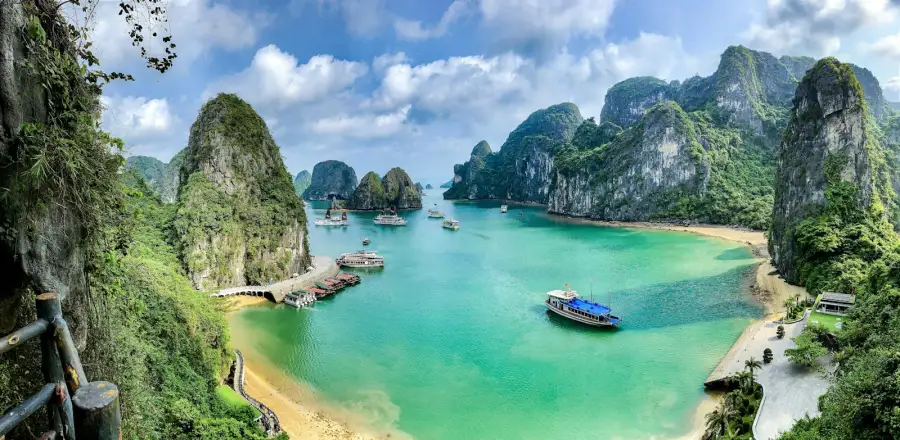 Good for budget tipsVietnamStreet food, hostels and a well-worn north–south route where you keep meeting the same travellers.
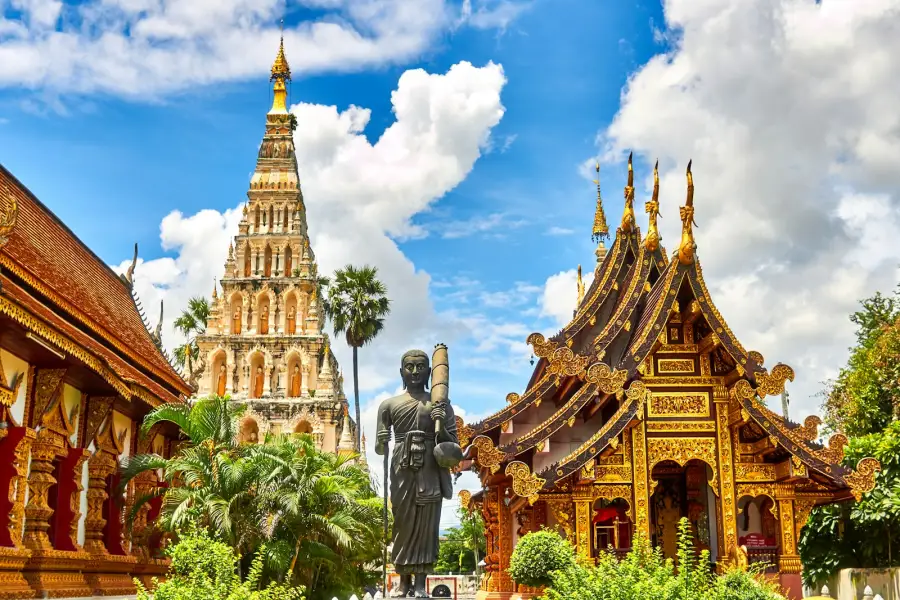 Good first trip in AsiaThailandPlenty of other travellers, a huge range of hostels and guesthouses and well-organised transport between the main areas.
Solo traveling for the first time: tips 10–15
Solo traveling for the first time is often more about nerves than about logistics. These tips are about keeping the first trip manageable so you want to do it again.
- 10. Keep the first trip shorter than you think. Around five to ten days is enough to learn how you like to travel alone without feeling stuck if you do not enjoy it.
- 11. Choose a place with good public transport. Trains and buses that run on time mean you are not dependent on drivers or complicated bookings.
- 12. Leave free time on purpose. Plan a loose half day every few days. Solo travellers often over-schedule because they worry about being bored, then end up exhausted.
- 13. Book something social early. A walking tour, a cooking class or a short group excursion on the first or second day gives you people to talk to straight away.
- 14. Expect a wobble on day two or three. Many first-timers feel a dip once the excitement of arrival fades. It usually passes after a good night's sleep, a proper meal and a conversation.
- 15. Try a practice weekend. A night or two alone in a city in your own country lets you test eating alone, navigating and spending an evening by yourself before you go far.
If the idea of being completely independent feels like too much, joining a small group trip for the first few days and then continuing alone is a common middle path. You get company and local knowledge at the start, then the freedom of travelling solo once you feel settled.
Solo traveling on a budget: money tips 16–25
Solo traveling on a budget is mostly about avoiding the costs that hit single travellers hardest: rooms and taxis that you cannot split, and fees on cards and cash.
- 16. Set a daily budget and track it. A simple note on your phone each evening shows quickly whether you are on track, and stops small spending from adding up unnoticed.
- 17. Carry two cards on different networks. Keep them in different places. If one is lost, blocked or swallowed by a machine, you still have access to money.
- 18. Pay in the local currency. When a card machine or cash machine offers to charge you in your home currency, choose the local currency instead. The conversion offered at the till is usually poorer value.
- 19. Avoid airport exchange desks. Change only what you need for the first journey, or withdraw from a bank machine inside a bank or a busy area.
- 20. Make lunch the big meal. In many countries restaurants offer good-value set lunches, while the same food costs more in the evening.
- 21. Use kitchens and markets. A hostel or apartment kitchen plus a local market makes breakfast and a few dinners much cheaper, and markets are good places to talk to people.
- 22. Travel in shoulder season. The months just before and after the peak season often have lower room rates, fewer crowds and pleasant weather.
- 23. Consider overnight trains or buses carefully. They can save the cost of a night's accommodation, but only if you will actually sleep and arrive at a sensible hour.
- 24. Join tip-based walking tours. They are a cheap way to learn a city and meet other travellers. Tip fairly for the guide's time.
- 25. Share costs with other travellers. Splitting a taxi, a driver for a day trip or a shared room on a group trip are among the easiest ways to bring the solo cost down.
Staying safe when travelling alone: tips 26–34
Most solo trips pass without serious problems, and most issues travellers do meet are petty theft, scams and transport hassles. These habits reduce the risks without making you anxious.
- 26. Trust your instincts. If a place, a person or an offer feels wrong, leave. You do not need a reason and you do not need to be polite about it.
- 27. Keep your address written down. Carry the name and address of where you are staying, ideally in the local script as well, to show a driver or ask for help.
- 28. Use official taxis or ride apps. Check that the plate and driver match the booking before you get in, and sit in the back if that is normal locally.
- 29. Watch your drink. Keep it in your hand, buy your own and leave it behind if you have lost sight of it. Know your limits, because there is no friend to get you home.
- 30. Do not announce that you are alone. You can say you are meeting friends or that your group is nearby. It is fine to keep your plans vague with strangers.
- 31. Split your valuables. Keep a little cash and an old card in an easy pocket, and the rest in a zipped inner pocket or at your accommodation.
- 32. Mind your phone in the street. Step into a shop or against a wall to check a map, rather than standing at the kerb with your phone out.
- 33. Know the emergency number. In EU countries 112 works for emergencies; elsewhere the number varies, so save the local one in your phone on arrival.
- 34. Read official advice and register if you can. Check your government's advice for the country, for example gov.uk/foreign-travel-advice, travel.state.gov or smartraveller.gov.au, and use any traveller registration scheme your country offers.
Safety is never absolute anywhere. These tips simply put the odds in your favour, which is what experienced travellers do everywhere they go.
Solo traveling tips for women: tips 35–41
The general safety tips above apply to everyone. These solo traveling tips for women cover the extra situations that women often mention, from dress to unwanted attention.
- 35. Research dress norms before you pack. In some countries, covering shoulders and knees is expected at religious sites and appreciated in rural areas. Dressing like local women tends to reduce attention.
- 36. Choose women-only options when they help. Female dorms in hostels, women-only floors in some hotels and capsule hotels, and women-only carriages on some city trains can make you feel more at ease.
- 37. Bring a portable door lock or door wedge. It is small, cheap and adds a layer of security in rooms where the lock feels weak.
- 38. Sit near other women or families. On buses, trains and in waiting rooms, choosing your seat is a simple way to feel more comfortable.
- 39. Use a short, firm no. You do not owe anyone a conversation. Walking on with confidence and not engaging usually ends unwanted attention faster than arguing.
- 40. Pack your own period products and medication. Your preferred products may be hard to find in some places, especially outside cities.
- 41. Agree a daily check-in time. A message at the same time each day to a friend at home means someone notices quickly if you go quiet.
Many women travel alone happily and repeatedly. Some prefer to join a women-only group for destinations where they expect more attention, and then travel independently elsewhere. Both approaches are common and sensible.
Solo traveling: how to meet people (tips 42–48)
One of the most common worries is loneliness. In practice, solo traveling meet people moments come easily if you put yourself in the right places, so the answer to solo traveling how to meet people is mostly about where and how.
- 42. Stay somewhere with a common room. A shared kitchen, a terrace or a lounge is where most conversations between travellers begin.
- 43. Join walking tours, classes and day trips. Cooking classes, hikes and guided visits give you something to talk about immediately, which is much easier than a cold introduction.
- 44. Sit at the counter or bar. Counter seats make eating alone feel natural, and staff and other diners are more likely to chat.
- 45. Ask questions. Asking another traveller where they have been, or a local for a food recommendation, is the simplest opener there is.
- 46. Use meet-up apps and online groups with care. Traveller groups and apps can help you find people to explore with. Meet in busy public places first and tell someone your plans.
- 47. Join a group trip for part of the route. A few days or a week with a small group gives you ready-made company, especially in places where travelling independently is harder.
- 48. Say yes, but keep an exit. Accept the invitation to dinner or a day trip, but keep your own transport and money so you can leave when you want.
If you are shy, start small: one question to the person next to you on a walking tour is enough. Many travellers find it easier to talk to strangers abroad than at home, because everyone is in the same position.
Solo travel hostel and solo travel hotels tips: 49–55
Where you sleep shapes a solo trip more than almost anything else. A solo travel hostel can give you instant company; solo travel hotels give you privacy and rest. Many people mix both.
Hostels
- 49. Read the most recent reviews from solo travellers. Look for comments on safety, cleanliness, noise and whether people found it easy to meet others.
- 50. Choose the hostel's mood. Some hostels are built around bars and nights out, others are quiet. Pick the one that matches the trip you want.
- 51. Pick a bed with a curtain and bring a padlock. Pod-style bunks with curtains, a light and a socket feel more private, and a padlock secures your locker.
- 52. Book a private room in a hostel as a middle way. You get your own space and still have the common room and events downstairs.
Hotels and guesthouses
- 53. Look for genuine single rooms. Some hotels, especially in parts of Europe and Japan, offer rooms designed for one person.
- 54. Ask for a room above the ground floor. If the receptionist says your room number aloud in a busy lobby, you can quietly ask for it to be written down instead.
- 55. Choose location over luxury. A central place means shorter walks back at night and fewer taxis, which matters more when you are alone.
Guesthouses and small family-run places are a good option in between: hosts often give useful local advice and notice if a guest has not come back.
Solo traveling essentials and your solo travel kit: tips 56–63
Solo traveling essentials are about independence: you carry your own spares, chargers and backups because there is nobody else to borrow from. A small solo travel kit covers most situations.
- 56. Pack light enough to carry everything alone. You will lift your bag onto trains and up stairs without help, so carry-on size is ideal.
- 57. Bring a universal adapter and a power bank. A dead phone means no map, no tickets and no way to call for help.
- 58. Add a padlock, a door wedge and a small torch. They take up almost no space and solve problems in hostels, guesthouses and power cuts.
- 59. Take a quick-dry towel, earplugs and an eye mask. They make dorms, night buses and noisy streets far easier.
- 60. Carry a mini first aid kit. Plasters, painkillers, rehydration salts and any prescription medication in its original packaging, with a copy of the prescription.
- 61. Keep copies of your documents. A photo of your passport, insurance and bookings in your email or cloud storage, plus one paper copy in your bag.
- 62. Use a zipped crossbody bag. It stays in front of you in crowds and is harder to snatch than a backpack or open tote.
- 63. Solo travel essentials for women. Many women add a large light scarf for sun, temples and cool buses, preferred period products, a portable door lock and comfortable, sturdy shoes for long days on foot.
Before you zip the bag, check each item answers one question: will I miss this if I need it and I am alone? If not, it can probably stay at home.
Solo traveling at 18 or 19: tips for young adults (64–69)
Solo traveling at 18 is increasingly common, often during a gap year or between school and university. Solo traveling at 19 brings the same questions. The tips below are for solo travel young adults who are planning a first big trip alone.
- 64. Check age rules before you book. Some hostels set minimum or maximum ages, some hotels require guests to be over 18 or 21 to check in, and car hire often needs drivers to be older or pay extra.
- 65. Ask for youth and student discounts. Many museums, rail passes and transport networks offer reduced fares for young people or students. An international student card can help where student ID is accepted.
- 66. Know the local laws on alcohol and drugs. The legal drinking age differs between countries, for example it is 21 in the United States, and penalties for drug offences in some countries are very severe.
- 67. Keep an emergency fund someone can top up. Agree with family or a trusted person how they could send money quickly if you lose your cards or need to fly home.
- 68. Look into working holiday visas. Some countries offer working holiday schemes for young adults of certain nationalities, often within an age range. Check the official immigration site for your passport.
- 69. Pick group trips aimed at your age if you want company. Many group trips are aimed at travellers in their late teens, twenties and thirties, which can be an easy way to make friends at the start of a longer trip.
Young travellers are sometimes targeted by scams that rely on wanting to fit in, such as a friendly stranger inviting you to a bar. It is fine to say no and fine to leave early.
Solo traveling Japan tips and how to read any country (70–78)
Every country has its own small habits that make life easier once you know them. Japan is a good example, because it is popular with solo travellers and has some customs that surprise first-time visitors. These solo traveling Japan tips are general; check details before you go.
Japan
- 70. Get a rechargeable IC transport card. Cards such as Suica or Pasmo work on trains and buses in big cities and in many convenience stores, which saves buying single tickets.
- 71. Carry some cash. Card payments are widely accepted in cities, but smaller restaurants, shrines and rural places may still prefer cash.
- 72. Do the maths on rail passes. A national rail pass pays off for some itineraries and not for others, so compare it with single tickets for your actual route.
- 73. Keep quiet on trains. Phone calls on trains are discouraged and people speak softly. Set your phone to silent.
- 74. Carry a small bag for rubbish. Public bins can be hard to find, and people usually take their rubbish home.
- 75. Try counter dining and capsule hotels. Counter seats in ramen and sushi restaurants suit single diners, and many capsule hotels have women-only floors.
Any country
- 76. Read about tipping. In Japan tipping is not customary; in other places it is expected. Checking before you go avoids awkward moments.
- 77. Learn the common scams for that place. Most destinations have two or three well-known tricks aimed at visitors. Knowing them in advance is the best defence.
- 78. Ask before photographing people. In many cultures it is polite to ask first, and at some religious sites photography is not allowed at all.
Questions people ask
What are the most useful solo traveling tips if I can only remember a few?
Book your first and last nights, arrive in daylight, carry two cards kept in different places and keep a copy of your passport online. Stay somewhere with a common room so meeting people is easy, and agree a daily check-in with someone at home. Those habits solve most of the problems solo travellers meet.
What is solo traveling 101 for a complete beginner?
Solo traveling 101 means choosing an easy destination, keeping the first trip short and booking the first night before you leave. Add travel insurance, offline maps and one social activity early in the trip. Everything else you can learn on the way.
What are the best solo traveling tips for women going alone for the first time?
Research how local women dress, choose female dorms or well-reviewed guesthouses, and bring a portable door lock or wedge. Plan to arrive in daylight, use official taxis or ride apps, and agree a daily check-in time with someone at home. Many women also join a women-only group for destinations where they expect more attention.
How should I prepare for solo traveling for the first time?
Check entry rules for your passport, buy insurance when you book and share your plan with someone at home. Download offline maps, learn a few words of the language and book a walking tour or class for your first full day. A night or two away alone closer to home is a good rehearsal.
How can I go solo traveling on a budget without missing out?
Travel in shoulder season, stay in hostels or guesthouses with kitchens and make lunch your main meal out. Join tip-based walking tours and share taxis or day-trip drivers with other travellers. Pay card transactions in the local currency to avoid poor conversion rates.
What are the solo traveling essentials I should never leave behind?
Your passport, two bank cards, your phone with a power bank and universal adapter, and copies of your documents. A padlock, a small first aid kit and any medication in its original packaging are close behind. Everything else can usually be bought on the way.
What should be in a basic solo travel kit?
A useful solo travel kit includes a padlock, door wedge, small torch, quick-dry towel, earplugs and an eye mask. Add a mini first aid kit, a power bank, a universal adapter and a zipped crossbody bag. It all fits in a small pouch and solves most hostel and transport problems.
What are the solo travel essentials for women specifically?
Many women pack a large light scarf for sun and religious sites, preferred period products, a portable door lock and comfortable walking shoes. Clothing that covers shoulders and knees is useful in more conservative destinations. Pack medication you rely on, as specific brands may be hard to find.
Solo traveling: how to meet people if I am shy?
Choose activities that give you something to talk about, such as cooking classes, walking tours or group hikes. Sit at counters rather than tables, and start with one simple question to the person next to you. Joining a small group trip for a few days is the easiest option if starting conversations feels hard.
Where do solo travellers meet people most easily?
Hostel common rooms, walking tours, cooking classes, day trips and group tours are the most reliable places. Popular travel routes, where people move in the same direction, also make it easy to see the same faces again. Traveller meet-up groups can help, but meet in public places first.
Is a solo travel hostel a good idea if I am over 30?
Yes, many hostels have a mix of ages, and private rooms let you combine privacy with a social common room. Read recent reviews to avoid places built around partying if that is not your style. A few hostels have age limits, so check before booking.
Should a solo traveller book a hostel or a hotel?
A hostel makes meeting people easier and costs less, while a hotel gives privacy and better sleep. Many solo travellers mix both, using hostels in social cities and hotels or guesthouses when they need rest. A private room in a hostel is a good middle option.
What should I look for in solo travel hotels?
Look for a central location, genuine single rooms, a 24-hour reception and recent reviews that mention feeling safe. Ask for a room above the ground floor and for your room number to be written down rather than said aloud. Small guesthouses with attentive hosts can be a good alternative.
Is solo traveling at 18 a good idea?
It can be, if you plan carefully and choose an easy first destination. Check hostel and hotel age rules, know the local laws on alcohol and drugs, and keep an emergency fund someone at home can top up. Joining a group trip for travellers your age is a good way to start.
What should I know before solo traveling at 19?
Some hotels and car hire companies have minimum ages above 19, so check before you book. Use youth and student discounts, keep copies of your documents and share your plans with someone at home. Be wary of friendly strangers who push you towards a particular bar or shop.
What kinds of trips suit solo travel young adults?
Well-travelled routes with plenty of hostels, such as rail trips in Europe or classic routes in Southeast Asia, suit young solo travellers well. Group trips aimed at people in their late teens to thirties are another easy option. Some young adults also look into working holiday visas where their nationality qualifies.
What are the best solo traveling Japan tips for a first visit?
Get a rechargeable IC card for trains, carry some cash for smaller places and keep your voice low on trains. Carry a small bag for rubbish because bins are scarce, and remember that tipping is not customary. Counter restaurants and capsule hotels make Japan very comfortable to travel alone.
Is there a simple solo travel handbook or checklist I can follow?
This page works as a short solo travel handbook: follow the planning tips before you go, the money and safety tips on arrival, and the meeting-people tips once you settle in. Print or save the sections you need. Always add your own government's travel advice for the country.
How do I keep my money safe when travelling alone?
Carry two cards on different networks and keep them in separate places. Keep a small amount of cash in an easy pocket and the rest in a zipped inner pocket or at your accommodation. Use bank machines inside banks or busy areas where possible.
What should I do in the first hour after arriving somewhere new alone?
Get to your accommodation by the transport you planned, drop your bag and tell someone you have arrived. Save the local emergency number, find the nearest shop or café and take a short walk to get your bearings. Leave big decisions until after a meal and some rest.
How do I avoid tourist scams as a solo traveller?
Read about the two or three most common scams in your destination before you go. Be cautious with strangers who start a conversation and then steer you to a shop, bar or taxi. Agree prices before services start and walk away from pressure.
What should I do if I lose my passport abroad?
Report the loss to the local police and get a written report, then contact your country's embassy or consulate for an emergency travel document. A photo or copy of your passport speeds this up. Tell your insurer and anyone expecting you.
People also search for
solo travel tips tips for travelling alone first solo trip checklist solo travel checklist hostel tips for solo travellers how to meet people while travelling alone solo travel packing essentials budget travel tips for solo travellers japan travel tips for first timers solo travel at 18 tips solo female travel tips solo travel safety tips what to pack for a solo trip how to save money travelling alone