Solo travel in Costa Rica – a complete guide for joining a group
Costa Rica is one of the easiest countries in Latin America for solo traveling. In one trip you can watch Arenal Volcano from a hot spring, walk hanging bridges in the Monteverde cloud forest, spot sloths and monkeys in Manuel Antonio and learn to surf on the Nicoya Peninsula. The main route is well used by visitors, many people in tourism speak some English, and hostels and eco-lodges make it simple to meet other travellers.
It is also more expensive than its neighbours, distances on mountain roads take longer than maps suggest, and the best wildlife is often found with a trained naturalist guide rather than alone. Joining a small group for part or all of the trip takes care of transfers and guided walks, gives you people to share sunsets and early-morning wildlife walks with, and lets you enjoy the pura vida pace without planning every connection yourself.
How to get to Costa Rica from the USA, UK, Canada, Australia…
Information checked: October 2026 · how we check
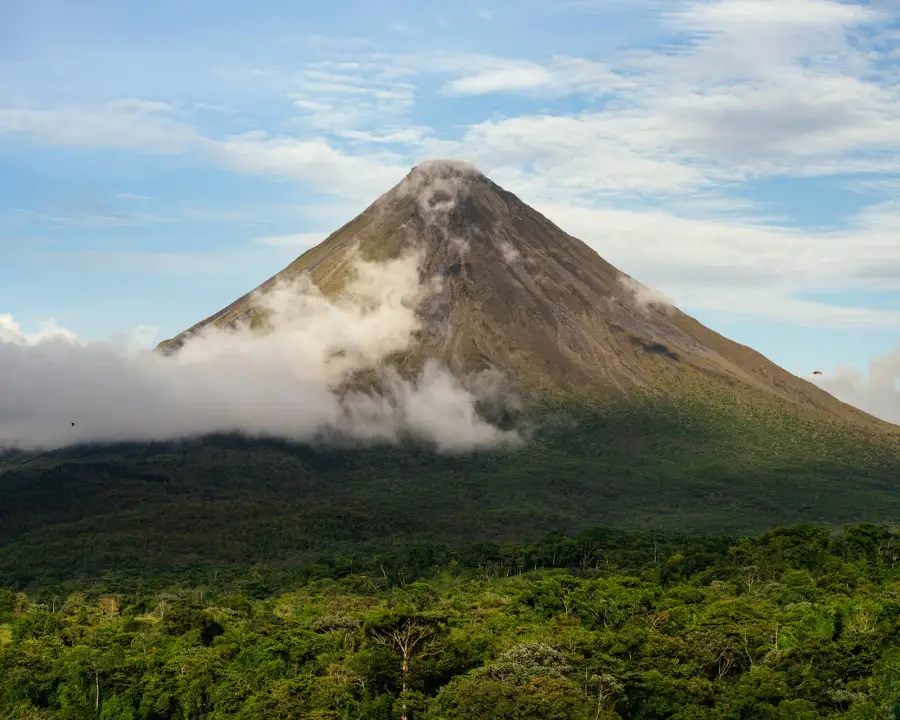
Places to visit in Costa Rica as a solo traveller
A full guide for each: what to see, where to stay, safety and how many days.
Costa Rica month by month
Typical weather and what each month is like for a group trip. Every year is different – check the forecast before you go.
Dry, sunny and busy on the Pacific side, so book beds early, especially around the New Year holidays.
One of the most reliable dry months for Guanacaste, Manuel Antonio and the Nicoya Peninsula.
Dry and hot; the Caribbean side often has a drier spell too, which suits a coast-to-coast trip.
The end of the dry season; Holy Week (Semana Santa) brings domestic crowds to beaches and buses.
The green season begins with sunny mornings and rain later in the day, plus fresher landscapes and fewer visitors.
Regular afternoon rain on the Pacific side, but mornings are usually good for wildlife walks.
Often a short drier spell on the Pacific side and the start of the turtle nesting season in Tortuguero.
Green and lush, with whales often seen off the south Pacific coast; expect rain most afternoons.
Usually one of the wettest months on the Pacific side, but often a good month for Puerto Viejo and the Caribbean.
Heavy rain on the Pacific side can close some roads and lodges; the Caribbean coast is often the better choice.
A transition month: the Pacific starts to dry out, while the Caribbean side can get wetter.
The dry season returns to the Pacific; very busy and booked up around Christmas and New Year.
Great timeMixedTough (heat, rain or crowds)
Solo travel in Costa Rica: the guide
Solo traveling Costa Rica: why join a group trip
Costa Rica is small on the map, but getting around takes time. Roads wind through mountains, the drive from La Fortuna to Monteverde is slow even though the two are close, and public buses between regions often mean returning to San José or changing in small towns. A small group trip solves the logistics: transfers are arranged, you are not driving mountain roads after dark, and you reach places like Tortuguero, which has no road access, without working out boat timetables yourself.
The second reason is wildlife. Many of Costa Rica's animals are well camouflaged, and a naturalist guide with a spotting scope finds sloths, vipers, toucans and frogs that most people walk straight past. In some parks guides are compulsory: in Corcovado National Park, for example, visitors must enter with a certified guide. Group trips usually include these guided walks, so you see more and learn more than you would alone.
Company without losing freedom
For many solo travellers the biggest benefit is having people to share the experience with: a night walk listening to frogs, sunrise in a cloud forest, a first surf lesson. Costa Rica's eco-lodges are often remote, and dinner is more fun with a group around the table.
- Rooms: ask whether solo travellers can share a room with another solo traveller of the same gender, or whether a private room is standard.
- Group size: smaller groups suit narrow forest trails, small boats and family-run lodges.
- Activity level: check how much hiking, early starts and adventure activities are planned, and which are optional.
- Free time: look for a few unplanned afternoons for the beach, a hot spring or simply resting.
A common approach is to join a group for the volcano, cloud forest and rainforest part of the trip, then spend a few independent days at a beach town such as Santa Teresa, Sámara or Puerto Viejo, where it is easy to meet people on your own.
Best time to visit Costa Rica
Costa Rica is a year-round destination, but the weather depends on which side of the mountains you are on. In general terms, the country has a dry season and a green (rainy) season, and the two coasts do not follow exactly the same pattern.
Dry season on the Pacific side (roughly December to April)
For Guanacaste, the Nicoya Peninsula, Manuel Antonio and the Central Valley, the dry season usually runs from about December to April. Days are sunny, beaches are at their best and roads are easier. It is also the busiest and most expensive time, especially around Christmas, New Year and Holy Week, so book beds and transport early. Guanacaste becomes very dry and hot by March and April.
Green season (roughly May to November)
From May, afternoon showers become common. Mornings are often clear, so wildlife walks and activities are planned early. Forests are lush, waterfalls are full and there are fewer visitors. Around July there is often a short drier spell on the Pacific side. September and October are usually the wettest months on the Pacific coast, when some roads in the south and on the Osa Peninsula can become difficult and a few lodges close.
The Caribbean side
Puerto Viejo, Cahuita and Tortuguero receive rain through much of the year. September and October, the wettest months on the Pacific, are often among the drier months on the Caribbean, along with a spell around February and March. This makes the Caribbean a good choice when the Pacific is wet.
Wildlife and events
- Turtles: green turtle nesting in Tortuguero is usually strongest from around July to October; visits to the beach at night are only allowed with a licensed local guide.
- Whales: humpback whales are often seen off the south Pacific coast around Uvita in two seasons, roughly December to April and July to October.
- Independence Day: on 15 September, with lantern parades the evening before.
- Limón Carnival: a Caribbean celebration usually held around 12 October; dates vary, so check local listings.
Costa Rica packing list
Your Costa Rica packing list should cover three climates in one trip: hot, humid beaches, wet rainforest and cool highlands. Monteverde and the area around Arenal can feel chilly in the evening, while the coast stays hot day and night. Pack light, quick-drying clothes and a few warm layers.
Clothing
- Quick-drying T-shirts, shorts and at least one pair of light long trousers for forest walks and mosquitoes.
- A fleece or light jacket for the cloud forest and early mornings.
- A good rain jacket or poncho in any season, and essential from May to November.
- Hiking shoes or trail trainers that can get muddy, plus sandals for the beach.
- Swimwear, a rash vest for surf lessons and a quick-dry towel.
For wildlife and nature
Binoculars make a big difference when looking for birds and sloths high in the trees. A head torch is useful for night walks and lodges with limited lighting. Insect repellent and long sleeves help in the evening and in the rainforest, where mosquitoes are common.
Practical items
- Dry bags or zip bags to protect your phone and passport on boats and in the rain.
- Reef-safe sunscreen, a hat and sunglasses; the sun is strong near the equator.
- A refillable water bottle: tap water is considered safe in many areas, but check locally, especially in remote places.
- A small padlock for hostel lockers.
- A printed or saved copy of your onward or return ticket, as you may be asked for it on arrival.
- Basic first aid, blister plasters and any regular medicines.
North American flat-pin plugs (Type A and B) are used, so travellers from Europe, the UK and Australia need an adapter. Laundry services are common in tourist towns, so you can pack less than you think.
Costa Rica visa and entry requirements
Many travellers do not need a visa for a holiday in Costa Rica. Passport holders from the USA, Canada, the UK, most EU countries and Australia can usually enter as tourists without arranging a visa in advance. The number of days you are allowed to stay is decided by the immigration officer at entry and has changed in recent years, so do not assume a fixed length of stay. Rules depend on your nationality and can change, so check before you book.
What you may be asked for
- Passport validity: your passport must be valid for your stay, and some nationalities need extra validity; check the exact rule for your passport.
- Onward or return ticket: travellers are commonly asked to show proof that they will leave Costa Rica, such as a return or onward flight or bus ticket. Airlines may check this before you board.
- Accommodation and funds: officers may ask where you are staying and whether you have enough money for your stay.
- Yellow fever: a vaccination certificate may be required if you arrive from, or have recently been in, certain countries with yellow fever risk.
Departure tax
A departure tax applies when you leave by air. It is usually included in airline tickets, but check your booking, and check separately if you leave by land.
Nationalities that need a visa
Some nationalities need a visa arranged in advance through a Costa Rican embassy or consulate, and some may be exempt if they hold certain valid visas for other countries. Because this depends on your passport, check with Costa Rica's immigration authority, the Dirección General de Migración y Extranjería, or your nearest Costa Rican embassy. Use only official government websites.
Where to check
- Your own government's travel advice for Costa Rica, such as the UK Foreign Office, the US State Department or Smartraveller in Australia.
- Costa Rica's immigration authority and the Costa Rican embassy or consulate in your country.
Travel insurance is strongly recommended and should cover medical care, evacuation from remote areas and adventure activities such as zip-lining, rafting and surfing.
Costa Rica budget per day
Costa Rica is one of the more expensive countries in Central America, closer to Southern European prices than to its neighbours in many tourist areas. All prices below are approximate 2026 ranges in euros; the local currency is the Costa Rican colón (CRC), US dollars are widely accepted, and prices change, so check before you go.
Costa Rica budget per day
- Low budget, around €45–65 per day: hostel dorms, meals at local sodas, public buses, free beaches and self-guided trails.
- Mid-range, around €100–160 per day: private rooms in guesthouses or small hotels, restaurant meals, shared shuttle vans and some guided activities.
- Comfort, from around €200 per day: eco-lodges, private transfers and more guided activities.
Typical independent costs
A dorm bed in a hostel in La Fortuna, Monteverde or Puerto Viejo is often around €15–25, while a private double room in a simple guesthouse is commonly €50–100, more in high season and in Manuel Antonio. A casado, the set lunch of rice, beans, salad, plantain and meat or fish at a soda, usually costs around €6–10. A meal in a restaurant aimed at visitors is often €15–25, and a coffee around €2–3.
Public buses are good value: a long-distance bus between San José and La Fortuna or Monteverde is often around €5–12. Shared shuttle vans between tourist towns cost considerably more but save time.
National parks and activities
National parks charge an entry fee, which is higher for foreign visitors than for residents, and popular parks such as Manuel Antonio usually require tickets booked online in advance with a limited number of daily visitors. Check current fees and opening days on the official SINAC website or the park's official page. Guided walks, zip-lines, rafting, surf lessons and wildlife boat trips are often the largest part of a budget, so decide early which activities matter most to you.
Money tips
Cards are accepted in many hotels, supermarkets and restaurants, but carry some colones for sodas, buses and small shops. ATMs are common in towns but rarer in remote areas such as Tortuguero and parts of the Osa Peninsula, so take out cash before you go. Restaurant prices may not show tax and service, which are often added to the bill.
Is Costa Rica safe for solo female travellers?
Many solo travellers, including women, visit Costa Rica each year and have a good experience. It is generally considered one of the more relaxed countries in the region for tourists, but it is not risk-free. Petty theft is the most common problem, and the natural environment, especially the sea and the roads, needs respect. Read your government's current travel advice before you go, as it is updated when the situation changes.
Common issues
- Petty theft: bags left on beaches, in parked cars or on bus luggage racks are common targets. Keep valuables with you, use hostel lockers and never leave anything visible in a hire car.
- Rip currents: many Pacific and Caribbean beaches have strong currents and few lifeguards. Ask locally before swimming, swim near other people, and if caught in a current, swim parallel to the shore rather than against it.
- Driving at night: roads can be narrow, unlit and winding, with potholes, pedestrians and animals. Plan journeys to arrive before dark, which comes early, around 5.30 to 6 pm all year.
- Rainy season: heavy rain can cause landslides, flooding and road closures, especially in September and October. Follow local warnings and do not cross flooded rivers.
- Taxis: use official taxis, which in San José are usually red with a yellow triangle on the door, or the official airport taxis.
Tips for women travelling alone
Women may get comments or whistles in the street, known locally as piropos. It is usually verbal and fades if ignored. Popular party areas such as Tamarindo, Jacó and Puerto Viejo can be fun, but watch your drink, go out with people you know from your hostel and take a registered taxi back at night. Avoid walking alone on empty beaches after dark.
Choose accommodation with good reviews from other solo women, arrive in a new town in daylight and ask your host about which areas to avoid. In San José, many travellers prefer to stay in neighbourhoods recommended by their accommodation and use taxis at night rather than walking. Travelling with a small group for the more remote parts of the trip is a practical way to enjoy night walks and early starts with company.
Health and nature
Mosquito-borne illnesses such as dengue occur, so use repellent and cover up at dusk. Stay on marked trails, wear closed shoes on forest walks and look before you put your hand on a branch. Costa Rica has active volcanoes and earthquakes; follow park rules and closures. Save the national emergency number, 911, and take out insurance that covers medical evacuation.
Getting around Costa Rica
Costa Rica has several ways to get around, and the right choice depends on your budget and time. Most journeys start or end in San José, and travel times are longer than the distances suggest because of mountains and winding roads.
Public buses
Long-distance public buses connect San José with almost every town, including La Fortuna, Monteverde, Quepos for Manuel Antonio, Puerto Viejo and the Nicoya beaches. They are cheap and generally reliable, but different companies leave from different terminals in San José, and timetables are not always online. Ask your accommodation for the current departure point. Buses between regions can involve changes in small towns.
Shared shuttle vans
Shared tourist shuttles run between the main hubs, such as San José, La Fortuna, Monteverde, Manuel Antonio, Tamarindo and Puerto Viejo, with hotel pick-ups. They cost more than buses but are faster and easier with luggage, which makes them popular with solo travellers.
Boats, ferries and small planes
- Tortuguero has no road access; you travel by road to a river dock and continue by boat through the canals.
- Gulf of Nicoya ferries link Puntarenas with the southern Nicoya Peninsula, useful for Montezuma and Santa Teresa.
- Lake Arenal: a shared transfer combining road and boat across the lake is a popular way between La Fortuna and Monteverde.
- Domestic flights on small planes connect San José with places such as Tortuguero, Drake Bay, Puerto Jiménez and the Nicoya beaches, saving long drives.
Driving and taxis
Hiring a car gives freedom, especially on the Nicoya Peninsula, but roads to Monteverde and the Osa Peninsula can be steep and unpaved, and a four-wheel-drive is often recommended in the green season. Avoid driving at night, check what insurance is compulsory before you book, and never leave bags in a parked car. In towns, use official taxis; ride-hailing apps are used in the San José area, but check the current situation locally.
Many solo travellers combine buses or shuttles for the main route with a group trip for remote areas such as Tortuguero, Corcovado or a multi-stop volcano and cloud forest circuit.
Culture, etiquette and food
Costa Ricans call themselves Ticos and Ticas, and the phrase you will hear most is pura vida, used as hello, goodbye, thank you and a general sense that life is good. The country abolished its army in 1948, protects a large share of its land in national parks and reserves, and is proud of its conservation record. The Caribbean coast has a strong Afro-Caribbean culture, with its own music, food and English-based Creole.
Etiquette
- Greet people before asking a question; a simple buenos días or buenas goes a long way.
- Ticos tend to be polite and indirect, so a calm, friendly tone works better than complaining loudly.
- Time can be relaxed, often called hora tica, but be on time for tours, buses and boats.
- Do not feed or touch wildlife, including monkeys and coatis at beaches, and keep your distance from turtles and nesting beaches.
- Ask before photographing people, especially in Indigenous communities.
- Dress is casual, but cover up away from the beach in towns and churches.
What to eat in Costa Rica
Gallo pinto, rice and black beans fried together, is the classic breakfast, served with eggs, plantain, sour cream and tortillas. At lunch, look for a casado, a set plate with rice, beans, salad, fried plantain and a choice of chicken, beef, fish or vegetables. These are found at sodas, small family-run restaurants that are the best value in the country.
Try chifrijo, a bar snack of rice, beans, pork and pico de gallo; olla de carne, a beef and vegetable stew; and ceviche on the coast. Salsa Lizano, a slightly sweet brown sauce, is on almost every table. On the Caribbean side, rice and beans cooked in coconut milk, patí pastries and rondón, a coconut seafood stew, show the region's different heritage.
Coffee and drinks
Costa Rican coffee is excellent, and coffee farms in the Central Valley and around Monteverde offer visits explaining the process from bean to cup. Fresh fruit drinks, called refrescos naturales, are made with water or milk, and agua de pipa, coconut water straight from the coconut, is sold at beaches. Imperial is the best-known local beer.
Meeting other travellers in Costa Rica
Costa Rica is one of the easiest places in the Americas to meet other travellers. Many people follow a similar route from San José to La Fortuna, Monteverde, Manuel Antonio and the Pacific beaches, so you often meet the same people in different towns.
Where solo travellers meet
- Hostels: hostels in La Fortuna, Monteverde, Puerto Viejo, Santa Teresa and Tamarindo often have pools, shared kitchens, family dinners and noticeboards for finding activity partners.
- Guided walks: night walks in Monteverde, early bird-watching walks and park walks with a naturalist mix independent travellers of all ages.
- Surf lessons: beach towns such as Santa Teresa, Nosara, Sámara and Tamarindo have a friendly surf scene with group lessons for beginners.
- Yoga and wellness: the Nicoya Peninsula and the south Pacific coast have many drop-in yoga classes, a relaxed way to meet people.
- Volunteering: some travellers join conservation projects, such as turtle or wildlife programmes; research them carefully and choose ones that put animal welfare first.
- Spanish classes: language schools in San José, the Central Valley and beach towns are a good way to stay longer and make friends.
Joining a group trip
A small group trip is the most reliable way to have company throughout, especially in remote areas like Tortuguero and the Osa Peninsula. When comparing options, look at the group size, the age range or theme, how much of the time is spent on guided activities versus free time, how rooms work for solo travellers, and what is not included, such as some meals, park fees, optional activities and tips. There are trips focused on wildlife and photography, active trips with hiking and rafting, and trips aimed at women or older travellers.
Meeting Ticos
Do not forget the locals. Staying in a family-run guesthouse, eating at the neighbourhood soda, visiting a small coffee farm or watching a local football match can be the most memorable part of a trip. Even a few words of Spanish are warmly received.
Costa Rica packing list
- Quick-drying T-shirts and shorts
- Light long trousers and a long-sleeved top for forest walks and mosquitoes
- Fleece or light jacket for Monteverde and cool mornings
- Good rain jacket or poncho, in any season
- Hiking shoes or trail trainers that can get muddy
- Sandals or flip-flops for beaches and hostels
- Swimwear, rash vest and a quick-dry towel
- Binoculars for birds and sloths
- Head torch for night walks and remote lodges
- Insect repellent
- Reef-safe sunscreen, hat and sunglasses
- Dry bags or zip bags for boats and rain
- Refillable water bottle
- Small padlock for hostel lockers
- Plug adapter for Type A/B sockets if you are not from North America
- Copy of your onward or return ticket
- Basic first aid kit and blister plasters
The general list for any trip: solo travel packing list.
Typical costs in Costa Rica
| What | Basic | Mid-range |
|---|---|---|
| Hostel dorm bed | €15–25 | €50–100 (guesthouse double room) |
| Breakfast (gallo pinto) | €4–7 (soda) | €8–14 (café) |
| Lunch or dinner | €6–10 (casado at a soda) | €15–30 (restaurant) |
| Coffee or fresh fruit drink | €1.50–3 | €3–5 |
| Long-distance public bus | €5–12 | Shared shuttle van (costs more; check current fares) |
| City taxi ride | €3–8 (official taxi) | €10–25 (longer ride or transfer) |
| Supermarket groceries for a day | €8–15 | €15–25 |
| National park entry | Fee set by SINAC; check the official site | Guided walk extra; check locally |
Approximate prices for 2026 in euros. Prices change – check before you go. More: how to budget a solo trip.
Costa Rica itineraries: 5, 7, 10 and 14 days
Routes that work for a first visit – on your own or as the shape of a group trip.
Costa Rica in 5 days: volcano and cloud forest
San José – La Fortuna (Arenal) – Monteverde – San José
- Day 1Arrive in San José
Stay near the airport or in the city, and if you arrive early, visit the Central Market or the National Theatre.
- Days 2–3La Fortuna and Arenal
Travel to La Fortuna, hike the lava trails in Arenal Volcano National Park, swim below the La Fortuna waterfall and relax in a hot spring.
- Day 4Monteverde
Cross to Monteverde by road or road-and-boat transfer, then join a guided night walk to look for frogs, insects and sleeping birds.
- Day 5Cloud forest and return
Walk a cloud forest reserve or hanging bridges early in the morning, then return to San José.
Costa Rica in 7 days: Arenal, Monteverde and Manuel Antonio
San José – La Fortuna – Monteverde – Manuel Antonio – San José
- Day 1Arrive in San José
Settle in and rest after the flight; the city is a convenient base for an early start.
- Days 2–3Arenal
Volcano trails, waterfalls and hot springs around La Fortuna, with time for a hanging bridges walk or river float.
- Days 4–5Monteverde
Explore the cloud forest reserves, try a coffee farm visit and join a night walk.
- Days 6–7Manuel Antonio
Travel to the Pacific coast for a guided walk in Manuel Antonio National Park and time on the beach, then return to San José.
Costa Rica in 10 days: Caribbean, volcano, cloud forest and Pacific
San José – Tortuguero – La Fortuna – Monteverde – Manuel Antonio – San José
- Day 1San José
Arrive and prepare for an early departure to the Caribbean side.
- Days 2–3Tortuguero
Reach the village by road and boat, explore the canals by canoe or boat at dawn and, in season, join a licensed night turtle walk.
- Days 4–5La Fortuna and Arenal
Hike near the volcano, visit the waterfall and unwind in hot springs.
- Days 6–7Monteverde
Cloud forest walks, hanging bridges and a night tour in the cool highlands.
- Days 8–10Manuel Antonio
Spot sloths and monkeys in the national park, enjoy the beaches of Quepos and return to San José for your flight.
Costa Rica in 2 weeks: coast to coast
San José – Tortuguero – Puerto Viejo – La Fortuna – Monteverde – Nicoya (Santa Teresa or Sámara) – Manuel Antonio or Uvita – San José
- Days 1–3San José and Tortuguero
Arrive, then head to Tortuguero for canals, rainforest and, in season, turtle nesting.
- Days 4–5Puerto Viejo
Enjoy the Caribbean coast, cycle to quiet beaches and walk the coastal trail in Cahuita National Park.
- Days 6–7La Fortuna
Travel back across the country to Arenal for volcano trails and hot springs.
- Days 8–9Monteverde
Spend time in the cloud forest with guided day and night walks.
- Days 10–11Nicoya Peninsula
Take a surf lesson or yoga class in Santa Teresa or Sámara and watch the sunset over the Pacific.
- Days 12–14Manuel Antonio or Uvita
Finish with rainforest and beach, or the whale-tail sandbar of Marino Ballena National Park, then return to San José.
Where to go in Costa Rica
The arrival point for most travellers, with museums, markets, coffee farms and good bus connections to the rest of the country.
A cone-shaped volcano, rainforest trails, waterfalls and hot springs, with plenty of hostels and a sociable atmosphere.
Misty cloud forest reserves, hanging bridges and night walks in a cool mountain village that is easy to explore on foot.
A small national park where rainforest meets white-sand beaches, known for sloths, monkeys and easy trails.
A village reached by boat, surrounded by canals and rainforest, famous for nesting sea turtles in season.
Dry-season sunshine, surf towns such as Santa Teresa, Nosara, Sámara and Tamarindo, and volcanic parks like Rincón de la Vieja.
One of the most biodiverse places in the country, remote and wild; Corcovado can only be visited with a certified guide.
Afro-Caribbean culture, reggae, coconut-based cooking, quiet beaches and Cahuita National Park, with a relaxed backpacker scene.
Group trips in Costa Rica for solo travellers
We have no confirmed group departure in Costa Rica yet. We only list real dates.
Host your own group trip to Costa RicaHow to choose a group tripSingle supplement explained
Solo travel in Costa Rica: questions
Is Costa Rica good for solo travel?
Yes, Costa Rica is one of the easiest countries in Latin America for solo traveling, with a well-used route, many hostels and plenty of English spoken in tourism. It is more expensive than its neighbours and travel times are long, so many solo travellers join a small group for part of the trip.
Is Costa Rica safe for solo female travellers?
Many women travel in Costa Rica alone and enjoy it. Petty theft, catcalling and drink safety in party towns are the main concerns, along with rip currents and driving at night. Choose well-reviewed accommodation, use official taxis after dark and check your government's latest travel advice.
What is the best time to visit Costa Rica?
The dry season, roughly December to April, is the most popular time for the Pacific side and the Central Valley. The green season from May to November brings afternoon rain but fewer visitors; September and October are often drier on the Caribbean side.
Do I need a visa for Costa Rica?
Many nationalities, including US, Canadian, UK, most EU and Australian passport holders, can usually visit as tourists without a visa. The length of stay is set by the officer on arrival, and you may need to show an onward ticket. Check your government's advice and Costa Rica's immigration authority before you travel.
How much money do I need per day in Costa Rica?
As an approximate guide, budget travellers can manage on around €45–65 per day using hostels, sodas and public buses, while a mid-range trip is closer to €100–160 per day. Park fees and guided activities add a lot, so check current prices before you go.
How many days do I need in Costa Rica?
Seven days is enough for Arenal, Monteverde and Manuel Antonio at a steady pace. Ten days to two weeks lets you add Tortuguero, the Caribbean coast or the Nicoya Peninsula without spending most of your time on the road.
Do I need to speak Spanish in Costa Rica?
Not on the main tourist route, where many guides, hostels and restaurants use English. Basic Spanish helps on public buses, at sodas and in smaller towns, and is warmly appreciated.
Can I use US dollars in Costa Rica?
US dollars are widely accepted in tourist areas, and many activity and hotel prices are quoted in dollars. Colones are better for buses, sodas and small shops, and change is often given in colones.
Is it safe to swim in the sea in Costa Rica?
Many beaches are lovely for swimming, but rip currents are common and lifeguards are rare. Ask locals or your accommodation which beaches are calm, swim near others and avoid swimming alone, after drinking or at night.
Is Costa Rica good for a first solo trip?
It is a popular first solo trip because the route is easy to follow, nature is the main attraction and it is simple to meet people in hostels and on guided walks. Budget carefully, as it costs more than many travellers expect.
Costa Rica for solo travellers, groups and women: more questions
Is Costa Rica a good destination for a first solo trip?
Costa Rica is one of the most popular first solo trips in Latin America. The main route from San José to Arenal, Monteverde and Manuel Antonio is well travelled, many people in tourism speak English and hostels make it easy to meet others. The main challenges are cost and slow mountain roads, so many first-timers join a small group for the volcano, cloud forest and rainforest part and travel independently at the beach.
Is Costa Rica safe for solo female travellers?
Many women travel around Costa Rica alone and have a good experience. The most common problems are petty theft, catcalls in the street and drink safety in party towns such as Tamarindo, Jacó or Puerto Viejo. Use official taxis at night, avoid empty beaches after dark, choose accommodation with good reviews from other solo women and check your government's current travel advice.
Is one week enough for Costa Rica if I travel alone?
Seven days is enough for a classic loop of Arenal and La Fortuna, the Monteverde cloud forest and Manuel Antonio on the Pacific coast. Each move takes a few hours on winding roads, so avoid adding more stops. With 10 to 14 days you can include Tortuguero, the Caribbean coast around Puerto Viejo or a surf town on the Nicoya Peninsula.
Is Costa Rica expensive for solo travellers?
Costa Rica is one of the pricier countries in Central America. As an approximate guide, around €45–65 a day covers hostels, soda meals and public buses, and around €100–160 a day covers private rooms, restaurants and shuttle vans (approximate, check before you go). National park fees and guided activities add significantly, and solo travellers pay more when they cannot share rooms or transfers; the local currency is the Costa Rican colón (CRC).
Should I join a group tour in Costa Rica as a solo traveller?
A group trip helps most with logistics and wildlife. Transfers between Arenal, Monteverde and the coasts are arranged, you avoid driving mountain roads after dark, and naturalist guides find animals you would probably miss alone. In Corcovado National Park a certified guide is compulsory. Many solo travellers combine a group section with a few independent days at a beach town.
Are there women-only group trips in Costa Rica?
Women-only small group trips to Costa Rica do exist, often combining wildlife, hiking, yoga or surf lessons. When comparing them, check the group size, how rooms work for solo travellers, the activity level, how much free time is included and what is not covered, such as park fees, some meals and tips.
Where do solo travellers stay in Costa Rica?
Most solo travellers stay in hostels or small guesthouses in La Fortuna, Monteverde, Puerto Viejo, Santa Teresa and Tamarindo, many with pools, shared kitchens and organised dinners. A dorm bed is roughly €15–25 and a simple private double around €50–100, more in high season (approximate). In San José, stay where your accommodation recommends and use taxis at night.
How do I meet people when traveling solo in Costa Rica?
Hostels, guided night walks in Monteverde, group surf lessons in Santa Teresa, Nosara or Sámara, yoga classes on the Nicoya Peninsula and Spanish schools are all easy ways to meet people. Because most travellers follow a similar route, you often see the same faces in different towns.
What is the best month for a solo trip to Costa Rica?
For the Pacific side and the Central Valley, the dry season from roughly December to April is the most reliable, with February and March often the sunniest. If you prefer fewer visitors and greener forests, May to August works well with early-morning activities. In September and October the Caribbean coast is often a better choice than the wetter Pacific.
Do I need a visa for Costa Rica?
Many nationalities, including US, Canadian, UK, most EU and Australian passport holders, can usually visit as tourists without a visa. The immigration officer decides how many days you get, and you may be asked to show an onward or return ticket. Rules depend on your passport and change, so check your government's advice and Costa Rica's immigration authority before booking.
Is it safe to take public buses alone in Costa Rica?
Public buses are widely used by locals and travellers and are generally a reasonable option in daylight. Keep valuables with you rather than in overhead racks, watch your luggage at stops and avoid arriving in a new town after dark. Shared shuttle vans cost more but are simpler with luggage and offer hotel pick-ups.
Is Costa Rica good for solo travellers over 50?
Yes, many travellers over 50 visit Costa Rica alone or with a small group. Wildlife walks, bird-watching, hot springs, coffee farms and the cloud forest suit a gentle pace, and eco-lodges offer comfort in nature. A group trip removes the stress of driving and transfers; check how much walking and early starts are planned.
Can I see Tortuguero and Corcovado on my own?
Tortuguero can be reached independently by road to a river dock and then boat, but night turtle walks are only allowed with a licensed local guide. Corcovado National Park can only be visited with a certified guide. Many solo travellers visit both areas as part of a group trip because they are remote.
What is the biggest safety risk for travellers in Costa Rica?
For many visitors the main risks are natural and practical rather than crime: rip currents on beaches with few lifeguards, driving on unlit winding roads at night, and flooding or landslides in the rainy season. Petty theft from cars and beaches is the most common crime. Ask locally before swimming and plan to arrive before dark.
Is Costa Rica good for solo travellers in their 20s and 30s?
Costa Rica has a lively backpacker scene in La Fortuna, Monteverde, Puerto Viejo, Santa Teresa and Tamarindo, with hostels, surf lessons, adventure activities and social evenings. It is easy to find people to share shuttles and activities with, which also helps with the higher costs.
People also search for
solo traveling costa rica solo travel costa rica is costa rica safe for solo female travellers costa rica solo female travel costa rica group tours for solo travellers costa rica small group tour women only tours costa rica costa rica itinerary 7 days solo costa rica itinerary 10 days costa rica budget per day solo best time to visit costa rica costa rica packing list is costa rica good for a first solo trip costa rica solo travel over 50 costa rica visa requirements meeting people in costa rica hostels
Official sources to check before you go
- UK Foreign Office travel advice: Costa Rica
- US State Department international travel information
- Smartraveller (Australian Government) destinations
Entry rules, safety advice and prices change. This guide is general information, not legal or medical advice – always check your own government's travel advice.
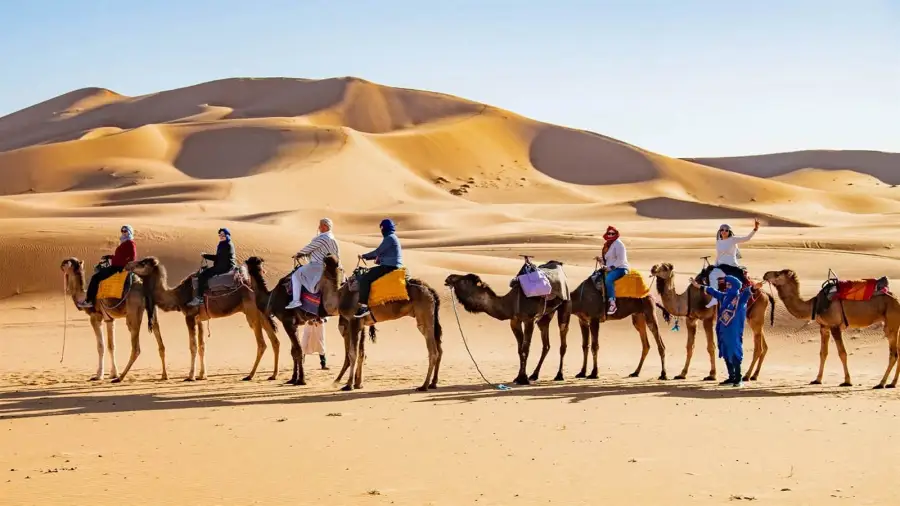
Also loved by solo travellers
Add Morocco to your list
Planning solo travel in Morocco? Best time to go, visa basics, budget per day, safety tips for women, packing list and 5 to 14-day itineraries.
Travel solo. Explore together.
Thinking about Costa Rica with a group?
Ask us anything about travelling solo with a group, or tell us your dates. When a real group trip matches, we will let you know – no spam, no invented offers.
- 1Tell us the country and monthOr just ask a question – packing, safety, budget.
- 2Get an honest answer by emailFrom people who plan group trips, not a robot.
- 3Join a real departure – or notYou only book when a date suits you. Book now, pay later.