Solo travel in Namibia – a complete guide for joining a group
Namibia is one of the most spectacular and peaceful countries in Africa for a solo traveller. Its landscapes feel enormous: red dunes at Sossusvlei, the white salt pan of Etosha with elephants and rhinos at the waterholes, the foggy Skeleton Coast with its shipwrecks and seal colonies, and starry desert skies with almost no light pollution. English is widely spoken, roads are well signposted and the country is calm and well organised.
The challenge is distance. Namibia is large and very thinly populated, public transport barely reaches the main sights, and most visitors travel by car on long gravel roads. Driving alone for hours, changing a tyre in the desert and covering the cost of a 4x4 by yourself is a lot for one person. That is why many solo travellers choose a small group trip, often a camping or lodge-based overland route, which turns those long drives into shared days with company around the campfire.
How to get to Namibia from the USA, UK, Canada, Australia…
Information checked: October 2026 · how we check
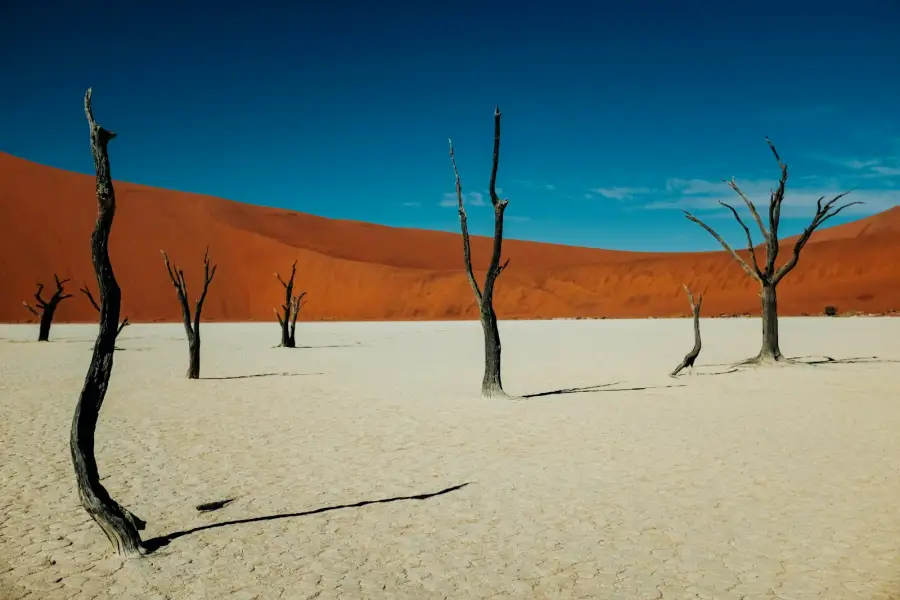
Places to visit in Namibia as a solo traveller
A full guide for each: what to see, where to stay, safety and how many days.
Namibia month by month
Typical weather and what each month is like for a group trip. Every year is different – check the forecast before you go.
Hot summer with afternoon thunderstorms in the north and centre; the coast stays cool and foggy.
Often the wettest month in the north; landscapes turn green and birdlife is excellent, but animals spread out.
Rains taper off, the countryside is still green and visitor numbers are low.
A pleasant shoulder month with clear air, fewer crowds and the start of drier weather.
The dry season begins; comfortable for driving, hiking and dune climbs.
Winter brings sunny days and cold nights; wildlife starts gathering at Etosha's waterholes.
Excellent wildlife viewing and clear skies, and one of the busiest months, so book campsites early.
Peak season for Etosha, with strong winds and dust possible in the desert.
Warming up and still dry; wildlife viewing at waterholes is at its best.
Hot and dry with superb game viewing; early starts help in the heat.
Very hot inland with the first storms possible in the north; the coast is a cool escape.
Summer heat and holiday season for southern African visitors, so popular camps fill up.
Great timeMixedTough (heat, rain or crowds)
Solo travel in Namibia: the guide
Why join a group trip in Namibia as a solo traveller
Namibia is about one and a half times the size of France but has only around three million people. The main sights, from Sossusvlei in the south to Etosha in the north and Damaraland and the Skeleton Coast in the west, are hundreds of kilometres apart, often linked by gravel roads. Buses and shuttles run between a few towns, but they do not reach the dunes, the national parks or the remote lodges. In practice, you either drive yourself or travel with others.
Self-drive versus a group trip
Self-drive is very popular in Namibia, and for good reason: the roads are quiet, the scenery is incredible and campsites are well set up. But it is a different experience alone. You do all the driving, often five to eight hours a day; you handle punctures, navigation, fuel planning and setting up camp; and you pay for a whole 4x4 by yourself. Gravel roads also need concentration, and accidents involving single vehicles on gravel are a known risk for visitors.
A small group trip takes that pressure away. A guide drives, knows where fuel and water are available, explains the geology, wildlife and cultures you pass, and gets you to Sossusvlei for sunrise. Evenings become social: a braai at a campsite, watching animals at a floodlit waterhole in Etosha, or looking at the Milky Way with people to share it with.
- Camping or lodges: group trips range from participation camping, where everyone helps with tents and cooking, to lodge-based trips. Decide how much comfort you want.
- Rooms and tents: ask whether solo travellers share a tent or room with another solo traveller of the same gender, or whether a private one is available for an extra fee.
- Vehicle: check the group size, whether everyone gets a window seat and how long the longest driving days are.
Another option is a mixed approach: a few days alone in Windhoek and Swakopmund, which are easy to get between by shuttle, combined with a group trip for the desert and Etosha.
Best time to visit Namibia
The best time to visit Namibia for most travellers is the dry season, from around May to October. Days are usually sunny and comfortable, skies are clear and wildlife gathers at waterholes, which makes Etosha especially rewarding. It is also winter in the southern hemisphere, so desert nights can be very cold, sometimes below freezing in June and July.
Wildlife in Etosha
From around July to October, much of the surrounding bush dries out and elephants, giraffes, zebras, springbok, lions and rhinos come to drink at the waterholes. You can sit by a waterhole and let the animals come to you. In the rainy months, animals spread out and are harder to find, but the park is green and birdlife is excellent.
Summer and the rains
From roughly November to April, temperatures inland often rise into the 30s °C and higher in the desert. Rain falls mainly in the north and centre, usually as afternoon thunderstorms, from around December to March. Some gravel roads and riverbeds can flood briefly after storms. The south and the Namib Desert get very little rain at any time.
The coast
The Atlantic coast is different from the rest of the country all year round. A cold ocean current brings frequent fog and cool temperatures, often around 15–20°C, to Swakopmund, Walvis Bay and the Skeleton Coast. Bring a warm layer even in summer.
Planning tips
- July, August and the European summer holidays are busy, and so is the December holiday period for southern African visitors. Popular campsites and lodges near Sossusvlei and in Etosha fill up early.
- April, May and late October to November are good shoulder months with fewer visitors.
- If you want to hike the Fish River Canyon multi-day trail, it is usually only open in the cooler months; check the season and permit rules with the park authority.
What to pack for Namibia
A Namibia packing list needs to cover hot desert days, freezing nights, the cold and misty coast and long hours on dusty roads. Layers are the key, whatever the month.
Clothing
- Light, breathable shirts and trousers or shorts for daytime, ideally in neutral colours for game drives.
- A warm fleece and a down or insulated jacket for nights and early mornings, especially from May to September.
- A warm hat and light gloves for winter camping.
- A windproof jacket for the coast and the open desert.
- Sturdy walking shoes or trail shoes for dune climbs, Sesriem Canyon and Spitzkoppe; sand gets everywhere, so shoes that are easy to empty help.
Sun and dust
The sun is intense and the air is very dry. Bring high-factor sunscreen, a wide-brimmed hat, good sunglasses, lip balm and moisturiser. A buff or scarf protects your face from dust and wind, and eye drops help if you wear contact lenses.
For camping and self-drive
- A head torch for campsites, which are often dark.
- A sleeping bag suitable for cold nights if you are camping in winter, or check what your trip provides.
- Large refillable water bottles; you will drink more than you expect.
- A power bank and car charger, as electricity is limited at some campsites.
- Offline maps downloaded before you go, because mobile signal disappears in large areas.
Practical items
- A plug adapter for the large round three-pin Type M sockets used in Namibia and South Africa.
- Binoculars for Etosha and birdwatching.
- Insect repellent and any antimalarial medicine your clinic recommends if you visit the north.
- Some cash in Namibian dollars or rand for fuel stations, small shops and tips in rural areas.
Namibia visa and entry requirements
Namibia's visa rules changed in 2025. Many nationalities that could previously visit without a visa, including several European and North American passports, now need a tourist visa. For many of them it can be applied for online in advance or obtained on arrival at the main entry points, such as Hosea Kutako International Airport near Windhoek. Rules depend on your nationality and can change, so always check before you book.
Applying
Where an online application is available, applying in advance usually saves time at the airport. Use only the official Namibian government website, run by the Ministry responsible for home affairs and immigration, and avoid look-alike sites that charge extra fees. If you are unsure, contact the Namibian embassy or high commission in your country.
Passport
- Your passport should usually be valid for at least six months beyond your stay; check the exact requirement.
- Countries in southern Africa often require blank pages for entry stamps, so make sure you have several free pages, especially if you are crossing into South Africa, Botswana or Zimbabwe.
- You may be asked for proof of onward travel and your accommodation details.
Crossing borders by road
Many trips combine Namibia with South Africa, Botswana, Zambia or Zimbabwe. Each country has its own visa rules, and if you drive a rented car across a border you will usually need the rental company's written permission and extra paperwork. Check before you plan an overland route.
Health
You may need a yellow fever vaccination certificate if you arrive from, or have transited through, a country with a risk of yellow fever. Ask a travel clinic about this and about malaria in the north. Travel insurance is strongly recommended and should include medical evacuation, as distances to hospitals can be very long.
Where to check
- Your own government's travel advice for Namibia, such as the UK Foreign Office, the US State Department or Smartraveller in Australia.
- The official Namibian government immigration website, or the Namibian embassy or high commission in your country.
How much does a trip to Namibia cost?
Namibia is not a cheap destination compared with much of Africa, mainly because of the distances and the need for a vehicle. Everyday costs such as groceries and campsites are moderate, but transport adds up quickly for one person. All figures below are approximate 2026 ranges in euros for independent costs only; the local currency is the Namibian dollar (NAD), equal in value to the South African rand, and prices change, so check before you go.
Namibia budget per day
- Low budget, around €45–70 per day: camping or hostel dorms, self-catering from supermarkets and some simple meals out.
- Mid-range, around €100–180 per day: guesthouses and mid-range lodges, restaurant meals and a few paid activities.
These figures do not include car hire, fuel for long drives, group trips or guided activities. For a solo traveller, renting a 4x4 is usually the single biggest cost, which is a big reason many people join a group or look for others to share a car with.
Park entry fees
National parks such as Etosha and the Namib-Naukluft park, which includes Sossusvlei, charge entry fees, usually per person per day and per vehicle. The fees for foreign visitors are different from those for residents and change from time to time, so check the current figures with the official park authority before you travel, and check whether any trip you compare includes them.
Typical everyday costs
A dorm bed in Windhoek or Swakopmund is often around €12–20, and a camping pitch commonly €10–25 per person, more in popular parks. A double room in a guesthouse is often €60–120. Kapana, the grilled meat sold at markets, can cost €2–5, a café breakfast €5–10 and a restaurant dinner €12–25. Fuel is usually around €1.00–1.30 per litre, but you can easily use a full tank in a day.
Money tips
Cards work in supermarkets, larger lodges and restaurants in towns, but many rural fuel stations and small shops prefer cash. ATMs are found in towns like Windhoek, Swakopmund, Walvis Bay, Outjo and Keetmanshoop, but not in the desert, so withdraw enough before long drives.
Is Namibia safe for solo and female travellers?
Namibia is generally regarded as one of the calmer countries in southern Africa to visit, and many solo travellers, including women, travel there without problems. The biggest risk for most visitors is not crime but the roads. Still, petty and opportunistic crime does happen in towns, so it is worth knowing the main issues. Read your government's current travel advice before you go.
Road safety
- Most accidents involving visitors happen on gravel roads, often when a car rolls over after losing grip at speed. Drive slowly, usually well below the speed limit on gravel, and take extra care on corners and loose surfaces.
- Avoid driving at night: wildlife and livestock on the road are hard to see and help is far away.
- Fill up with fuel and water whenever you can and tell someone your route on remote days.
- If you are not confident on gravel and sand, a group trip with a professional driver is the safer choice.
Crime in towns
In Windhoek, street robbery and theft from cars are the main issues. Avoid walking alone after dark, even short distances, and take a registered taxi or one booked by your accommodation. Do not leave anything visible in a parked car, use guarded parking, and be careful at ATMs; use machines inside banks or shopping centres and do not accept help from strangers. Swakopmund and smaller towns are usually quieter, but the same habits apply.
Tips for women travelling alone
Women travelling alone generally find Namibia relaxed, with less street hassle than in many destinations. The practical concerns are more about isolation: long empty roads and remote campsites. Choose well-reviewed accommodation, keep your phone charged and a power bank with you, and plan arrivals before dark. Joining a small group for the remote parts of the country is a simple way to have support where you need it most.
Health and nature
Malaria is present in the north, especially the Zambezi (Caprivi) and Kavango regions and at times around Etosha, mainly in the rainy season; ask a travel clinic for advice. The sun and dehydration are real risks in the desert, so carry plenty of water. In Etosha you must stay in your vehicle except at designated areas, and gates open and close with sunrise and sunset.
Getting around Namibia
Getting around Namibia is all about long distances. The drive from Windhoek to Sossusvlei is roughly 350 kilometres, much of it on gravel, and usually takes five to six hours with stops. From Sossusvlei to Swakopmund, or from Swakopmund to Etosha, takes most of a day. A typical two-week route covers well over 2,500 kilometres.
Arriving
Most international visitors fly into Hosea Kutako International Airport, about 40 to 45 kilometres east of Windhoek. There is no public bus into the city, so arrange a transfer or shuttle in advance, especially if you arrive at night. Walvis Bay has a smaller airport with some regional connections.
Self-drive
- Vehicles: a 2WD car can manage many main routes in the dry season, but a 4x4 gives more clearance and is needed for deep sand, including the last stretch to Sossusvlei, and remote areas. Many rentals come with rooftop tents and camping gear.
- Roads: B roads are mostly paved, C and D roads are usually gravel. Check tyre pressure, carry two spare tyres if possible and know how to change one.
- Distances: plan no more than about four to six hours of driving a day to enjoy the trip and avoid driving in the dark.
- Fuel: stations can be far apart; never pass one with less than half a tank.
Buses, shuttles and combis
Intercity buses and shuttles link Windhoek with Swakopmund, Walvis Bay and some other towns, and long-distance buses run to South Africa, Botswana and Zambia. Combis, shared minibuses, are cheap but cover routes used by locals and rarely reach the sights. The national rail service is slow and infrequent, but a few scenic tourist train services run at times.
Group trips
For solo travellers without a car, a group trip is the most practical way to reach Sossusvlei, Damaraland, the Skeleton Coast and Etosha. Some trips start in Windhoek, others in Cape Town or Victoria Falls and include Namibia as part of a longer southern Africa overland route.
Flying
Light aircraft and scenic flights can reach remote lodges and the northern Skeleton Coast, and save long drives if time is short.
Culture, etiquette and food
Namibia's people include the Ovambo, the largest group, as well as the Herero, Damara, Nama, Kavango, San, Himba, Caprivian and Tswana communities, plus Namibians of Afrikaans, German and other European descent. This mix shows in the languages you hear, the architecture of towns like Swakopmund and Lüderitz, and the food. Namibia became independent in 1990, and the colonial past, including the history of the Herero and Nama peoples, is an important and sensitive subject.
Etiquette
- Greet people before asking for anything; a handshake is common, and taking time over hellos is polite.
- Always ask before photographing people. If you visit a Himba or San community, go with a local guide or a community-run project, ask about customs, and treat it as a visit to people's homes, not a photo stop.
- Dress is relaxed in most places, but cover up a little when visiting villages and churches.
- Petrol stations are attended: someone fills your tank and often cleans your windscreen, and a small tip is normal.
- Leave no rubbish in the desert and stay on marked tracks; vehicle tracks on the gravel plains can last for decades.
What to eat in Namibia
Meat is central to Namibian food. The braai, or barbecue, is a social event, and game meats such as oryx, kudu, springbok and eland appear on many menus. In Windhoek, try kapana, small pieces of grilled beef sold with spicy salsa at markets such as the Single Quarters market in Katutura, ideally with a local guide. Biltong and droëwors, dried meat snacks, are perfect for road trips.
In the north, oshifima, a stiff porridge made from mahangu (pearl millet), is a staple. You will also find vetkoek, fried dough with fillings, and potjiekos, a slow-cooked stew in a three-legged iron pot. German influence shows in Swakopmund's bakeries, cakes and coffee houses, and in the local beer brewing tradition. On the coast, Walvis Bay and Lüderitz are known for oysters and fresh fish.
Stargazing and silence
One of Namibia's great cultural experiences is simply the night sky. Parts of the country, including areas of the Namib, have some of the darkest skies in the world. Many lodges and camps offer stargazing, and a quiet night under the stars is something many travellers remember most.
Meeting other travellers in Namibia
Namibia has fewer backpackers than East Africa or Southeast Asia, and many visitors travel as couples in rental cars, so meeting people needs a little more effort if you are on your own. The good news is that the same few places see most travellers, and campsites are friendly.
Where solo travellers meet
- Hostels in Windhoek: backpacker hostels have bars, pools and noticeboards where people look for travel partners to share a rental car and fuel.
- Swakopmund: the adventure capital of Namibia, with sandboarding, quad biking on the dunes, kayaking with seals at Walvis Bay, skydiving and Sandwich Harbour trips. Activities are done in small groups and the town has a social café and bar scene.
- Campsites at Sesriem and in Etosha: shared braai areas and the floodlit waterholes at camps such as Okaukuejo are natural places to start conversations.
- Spitzkoppe and Damaraland: smaller campsites where travellers often share stories about routes and road conditions.
Joining a group trip
A small group trip is the most reliable way to have company the whole way in Namibia. When comparing options, look at the group size, the style of accommodation, whether you help with camp tasks, whether solo travellers share a tent or room, how long the driving days are and what is not included, such as park fees, activities and some meals. There are trips focused on photography, wildlife, hiking and stargazing, and longer overland routes that include Botswana, South Africa or Victoria Falls.
Meeting Namibians
Look for community-based experiences: a guided township walk in Katutura, a visit to a community conservancy in Damaraland, a stay at a farm guesthouse, or a guided walk with San trackers. Namibians are often curious and friendly, and conversations at petrol stations and small-town cafés can be some of the best moments of a road trip.
Namibia packing list
- Light breathable clothes in neutral colours for daytime
- Warm fleece and insulated jacket for cold desert nights
- Warm hat and light gloves for winter camping
- Windproof jacket for the foggy coast
- Trail shoes or walking shoes for dune climbs and canyons
- Wide-brimmed hat, good sunglasses and high-factor sunscreen
- Lip balm, moisturiser and eye drops for the dry air
- Buff or scarf against dust and wind
- Head torch for dark campsites
- Large refillable water bottles
- Power bank and car charger
- Offline maps downloaded before you travel
- Type M plug adapter (large round three-pin)
- Binoculars for Etosha and birdwatching
- Insect repellent and antimalarials if your clinic advises them for the north
- Cash in Namibian dollars or rand for rural fuel stations and tips
- Sleeping bag for cold nights if camping
The general list for any trip: solo travel packing list.
Typical costs in Namibia
| What | Basic | Mid-range |
|---|---|---|
| Hostel dorm bed or camping pitch | €10–25 | €60–120 (guesthouse double room) |
| Breakfast or café meal | €3–6 | €6–12 |
| Dinner | €2–5 (kapana or self-catering) | €12–25 (restaurant) |
| Coffee or soft drink | €1–2 | €2–4 (café) |
| Supermarket groceries for a day | €8–15 | €15–25 |
| Fuel per litre | €1.00–1.30 | €1.00–1.30 |
| Taxi ride in Windhoek | €2–5 (shared taxi) | €8–15 (booked taxi) |
| Local SIM card with data | €5–10 | €10–20 |
Approximate prices for 2026 in euros. Prices change – check before you go. More: how to budget a solo trip.
Namibia itineraries: 5, 7, 10 and 14 days
Routes that work for a first visit – on your own or as the shape of a group trip.
Namibia in 5 days: Sossusvlei and Swakopmund
Windhoek – Sossusvlei – Swakopmund – Windhoek
- Day 1Arrive in Windhoek
Transfer from the airport, pick up your car or meet your group, and buy supplies for the desert.
- Day 2Drive to Sesriem
Cross the Khomas Highland escarpment to the Sesriem area and watch the sunset over the desert.
- Day 3Sossusvlei and Deadvlei
Enter the park at first light, climb a dune and walk among the dead camel thorn trees of Deadvlei, then visit Sesriem Canyon.
- Day 4To Swakopmund
Drive north via Solitaire and the Kuiseb Canyon to the coast, with a stop at the Walvis Bay lagoon for flamingos.
- Day 5Back to Windhoek
Try a morning activity such as kayaking with seals or sandboarding, then return to Windhoek.
Namibia in 7 days: desert, coast and Etosha
Windhoek – Sossusvlei – Swakopmund – Etosha – Windhoek
- Days 1–2Windhoek to Sossusvlei
Arrive in Windhoek, then drive south-west to the Sesriem area for sunset.
- Day 3Sossusvlei dunes
Sunrise on the red dunes, Deadvlei and Sesriem Canyon.
- Day 4Swakopmund
A long but scenic drive to the coast for good food and an evening walk on the seafront.
- Days 5–6Etosha National Park
Drive north to Etosha for game drives across the pan and evenings at a floodlit waterhole.
- Day 7Return to Windhoek
Drive south via Otjiwarongo for your flight home.
Namibia in 10 days: the classic loop with Damaraland
Windhoek – Sossusvlei – Swakopmund – Spitzkoppe – Damaraland – Etosha – Windhoek
- Days 1–3Windhoek and Sossusvlei
Arrive, then spend two nights near Sesriem to see the dunes at sunrise without rushing.
- Days 4–5Swakopmund
Enjoy the coast, adventure activities and the Walvis Bay lagoon.
- Day 6Spitzkoppe
Camp among granite peaks with rock arches and San rock paintings, and an outstanding night sky.
- Day 7Damaraland
Visit the Twyfelfontein rock engravings and look for desert-adapted elephants with a local guide.
- Days 8–9Etosha
Two days of game drives between the camps of Okaukuejo, Halali and Namutoni.
- Day 10Back to Windhoek
Return to the capital for your flight.
Namibia in 2 weeks: from the Fish River Canyon to Etosha
Windhoek – Fish River Canyon – Lüderitz – Sossusvlei – Swakopmund – Skeleton Coast – Damaraland – Etosha – Windhoek
- Days 1–3South to the Fish River Canyon
Drive south from Windhoek, via the Quiver Tree Forest near Keetmanshoop, to the rim of one of Africa's largest canyons.
- Days 4–5Lüderitz and Kolmanskop
Explore the sand-filled ghost town of Kolmanskop and the coastal town of Lüderitz, watching for wild horses near Aus.
- Days 6–7Sossusvlei
Head north through dramatic desert scenery for sunrise at the dunes and Deadvlei.
- Days 8–9Swakopmund
Rest, eat well and try a dune or ocean activity on the coast.
- Day 10Skeleton Coast
Drive north past shipwrecks and the Cape Cross seal colony, then turn inland into Damaraland.
- Days 11–13Damaraland and Etosha
See Twyfelfontein, then spend two days at Etosha's waterholes.
- Day 14Windhoek
Return to Windhoek for your onward flight.
Where to go in Namibia
A small, easy-going capital and the usual starting point, with hostels, markets and the place to meet travel partners.
Towering red dunes and white clay pans with ancient dead trees, at their best at sunrise.
A huge salt pan with waterholes that draw elephants, lions and rhinos, excellent for self-drive or group safaris.
Coastal towns with adventure activities, German-style cafés, lagoon flamingos and a sociable atmosphere.
A wild, foggy coastline of shipwrecks, seals and desert meeting the ocean, with parts only accessible on special trips.
Rugged red mountains, rock art at Twyfelfontein, desert-adapted elephants and some of the best camping under the stars.
The far south, with a vast canyon, the ghost town of Kolmanskop and a quieter, less visited route.
The green north-eastern strip with rivers, hippos and birdlife, often combined with Botswana or Victoria Falls.
Group trips in Namibia for solo travellers
We have no confirmed group departure in Namibia yet. We only list real dates.
Host your own group trip to NamibiaHow to choose a group tripSingle supplement explained
Solo travel in Namibia: questions
Is Namibia good for solo travel?
Yes, Namibia is calm, well organised and spectacular, with English widely spoken. The main challenge is the long distances and lack of public transport to the sights, so many solo travellers join a small group trip or share a rental car with other travellers.
Is Namibia safe for solo female travellers?
Many women travel alone in Namibia and find it relaxed, with less street hassle than in many destinations. Take normal precautions in Windhoek, especially after dark, and plan carefully for remote driving. Check your government's latest travel advice before you go.
What is the best time to visit Namibia?
The dry season, roughly May to October, is usually best, with sunny days, cold nights and excellent wildlife viewing at Etosha's waterholes from around July. The summer months are hot, with thunderstorms in the north and centre.
Should I self-drive Namibia alone or join a group?
Self-drive is popular and possible alone if you are a confident driver on gravel, but you handle all the driving, navigation and costs yourself. A group trip is less tiring, safer for inexperienced drivers and more social, especially on long driving days.
Do I need a visa for Namibia?
Since 2025, many nationalities that used to visit without a visa, including several European and North American passports, need a tourist visa, often available online or on arrival. Rules depend on your passport and change, so check the official Namibian government website and your government's advice.
How many days do I need in Namibia?
A week is enough for Sossusvlei, Swakopmund and Etosha at a fast pace. Ten days to two weeks lets you add Damaraland, Spitzkoppe, the Skeleton Coast or the far south without driving all day every day.
Do I need a 4x4 in Namibia?
Not always, as many main roads can be driven with a 2WD car in the dry season. A 4x4 gives more clearance and comfort on gravel and is needed for deep sand, such as the last stretch to Sossusvlei, and many remote areas. A park shuttle covers the final sandy section to Sossusvlei.
How much money do I need per day in Namibia?
As a rough guide, budget travellers camping and self-catering can manage on around €45–70 per day and mid-range travellers about €100–180, excluding car hire, fuel and group trips (approximate, check before you go). Transport is the biggest cost for solo travellers.
Is there malaria in Namibia?
Malaria risk is mainly in the north, especially the Zambezi and Kavango regions, and can extend to the Etosha area in the rainy season. The south, the desert and the coast are generally low risk. Ask a travel clinic for advice on your route.
Can I use cards in Namibia?
Cards are widely accepted in towns, supermarkets and lodges, but many rural fuel stations and small shops prefer cash. Withdraw Namibian dollars in towns before long drives, as ATMs are scarce in remote areas.
Namibia for solo travellers, groups and women: more questions
Is Namibia a good destination for a first solo trip?
Namibia is calm, well organised and English-speaking, which makes it reassuring for a first solo trip to Africa. The difficulty is distance: the main sights are hundreds of kilometres apart on gravel roads and public transport does not reach them. Many first-time solo travellers join a small group trip, or spend a few days in Windhoek and Swakopmund alone and join a group for the desert and Etosha.
Can I self-drive Namibia as a solo traveller?
Yes, if you are a confident driver on gravel roads and comfortable with long days alone. You will handle all the driving, navigation, fuel planning and any punctures yourself, and pay for the whole rental car. Drive slowly on gravel, never drive at night, carry plenty of water and tell someone your route on remote days.
Is a group trip or self-drive better for Namibia alone?
Self-drive gives total freedom, but for one person it is tiring and the full cost of a 4x4 falls on you. A small group trip shares the vehicle, puts a professional driver on the gravel roads and gives you company in camps. Many solo travellers find a group trip more relaxing and safer for the long, remote sections.
Is Namibia safe for solo female travellers?
Many women travel in Namibia alone and find it relaxed, with less street hassle than in many destinations. In Windhoek, avoid walking alone after dark, use booked taxis and be careful at ATMs. The bigger concerns are road safety and isolation on long empty roads, so plan arrivals before dark and consider a group for remote areas; check your government's latest advice.
How many days do I need in Namibia?
A week covers the classic highlights of Sossusvlei, Swakopmund and Etosha at a quick pace. Ten days lets you add Spitzkoppe and Damaraland, and two weeks lets you include the far south, such as the Fish River Canyon and Kolmanskop, or the Skeleton Coast, without driving all day every day.
What is the best time to visit Namibia for wildlife?
The dry season, roughly May to October, is usually best, and from around July to October animals gather at Etosha's waterholes, making them easier to see. Days are sunny and comfortable but desert nights can be close to freezing in June and July. The summer rains, mainly from around December to March, make the north green but animals spread out.
How long does it take to drive between the main sights in Namibia?
Distances are long: Windhoek to the Sossusvlei area is roughly 350 kilometres and usually takes five to six hours with stops, much of it on gravel. Sossusvlei to Swakopmund and Swakopmund to Etosha each take most of a day. Plan about four to six hours of driving a day to arrive before dark.
Do I need a visa for Namibia?
Since 2025, many nationalities that previously visited without a visa, including several European and North American passports, need a tourist visa, often available online in advance or on arrival at main entry points. Rules depend on your passport and change, so check the official Namibian government immigration website and your government's travel advice.
Is Namibia expensive for solo travellers?
Namibia is moderately expensive, mainly because of transport. Camping and self-catering can cost roughly €45–70 a day and mid-range guesthouses and restaurants €100–180 a day (approximate, check before you go), excluding car hire, fuel and tours. For solo travellers, sharing a vehicle on a group trip or with travel partners makes the biggest difference.
Where do solo travellers meet people in Namibia?
Backpacker hostels in Windhoek are good places to find other travellers and even people to share a rental car. Swakopmund is the social hub, with group activities such as sandboarding, quad biking and kayaking with seals. Campsites at Sesriem and Etosha, with shared braai areas and floodlit waterholes, also make it easy to start conversations.
Are there women-only group trips in Namibia?
Some group trips to southern Africa are designed for women travelling together, and some include Namibia. Mixed small groups are more common and are comfortable for solo women. When comparing trips, check group size, whether solo travellers share a tent or room, the accommodation style and reviews from other solo women.
Is Namibia good for solo travellers over 50?
Yes, especially on lodge-based group trips where a guide drives and accommodation has proper beds. Camping trips involve putting up tents, cold winter nights and long drives, so choose the style that suits your comfort. Travel insurance with medical evacuation is important, as distances to hospitals can be very long.
Can I visit Sossusvlei without a car?
Not easily, as there is no public transport to the Sesriem area. Most travellers without a car join a group trip or a shuttle-based tour from Windhoek or Swakopmund. The final sandy stretch to Sossusvlei and Deadvlei needs a 4x4 or the park shuttle, even for those who drive themselves.
What should I pack for Namibia?
Bring layers: light clothes for hot days, a warm fleece and insulated jacket for cold desert nights, and a windproof jacket for the foggy coast. Add high-factor sunscreen, a hat, sunglasses, a buff for dust, a head torch, binoculars, a power bank and offline maps, plus a plug adapter for the large round three-pin Type M sockets.
Is there mobile signal across Namibia?
Mobile coverage is good in towns and along some main roads but disappears in large parts of the desert, Damaraland and the Skeleton Coast. Download offline maps before you go, carry a paper map as backup, and tell your accommodation your plans on remote driving days. A local SIM card is inexpensive and useful in towns.
People also search for
solo travel namibia namibia solo female travel is namibia safe for solo travellers namibia group tours for solo travellers namibia small group tour namibia self drive alone namibia self drive or guided tour sossusvlei tour solo etosha safari solo traveller namibia itinerary 10 days namibia itinerary 2 weeks best time to visit namibia namibia budget per day namibia tour without single supplement namibia camping tour for solo travellers women only tours namibia
Official sources to check before you go
- UK Foreign Office travel advice: Namibia
- US State Department international travel information
- Smartraveller (Australian Government) destinations
Entry rules, safety advice and prices change. This guide is general information, not legal or medical advice – always check your own government's travel advice.
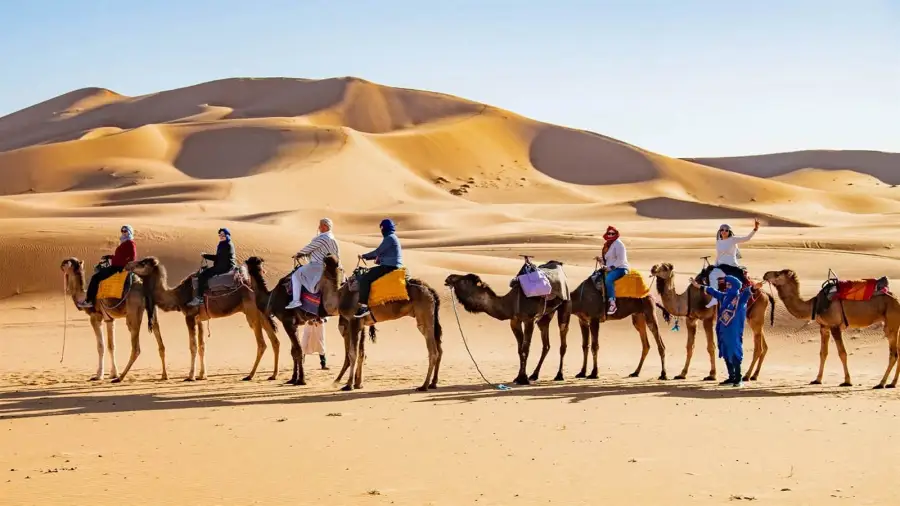
Also loved by solo travellers
Add Morocco to your list
Planning solo travel in Morocco? Best time to go, visa basics, budget per day, safety tips for women, packing list and 5 to 14-day itineraries.
More of Africa
AfricaMorocco Best: Mar–May, Sep–Nov from €35–50/day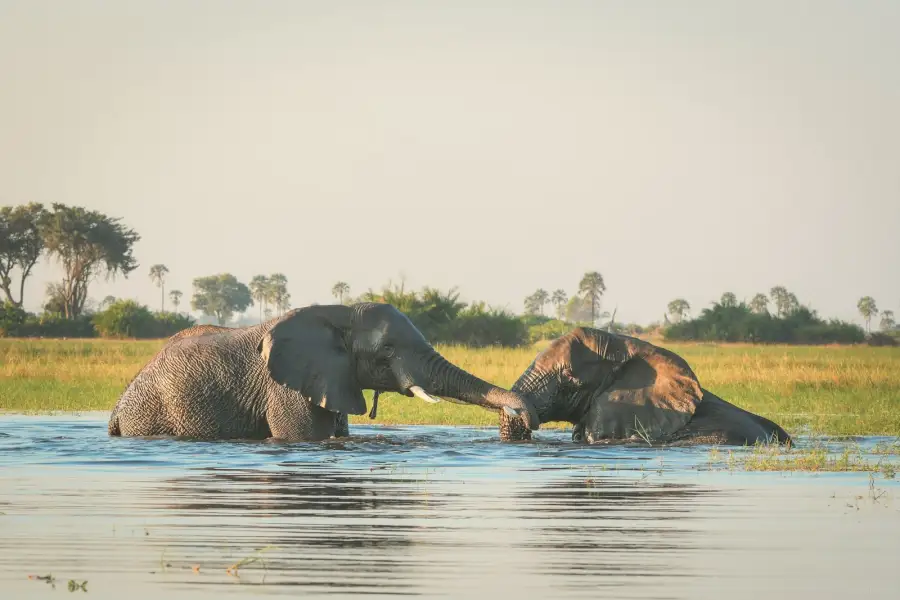 AfricaBotswana Best: May–Oct for wildlife; Jan–Apr for green-season birds and the pans from €50–80/day (camping, self-catering, buses)
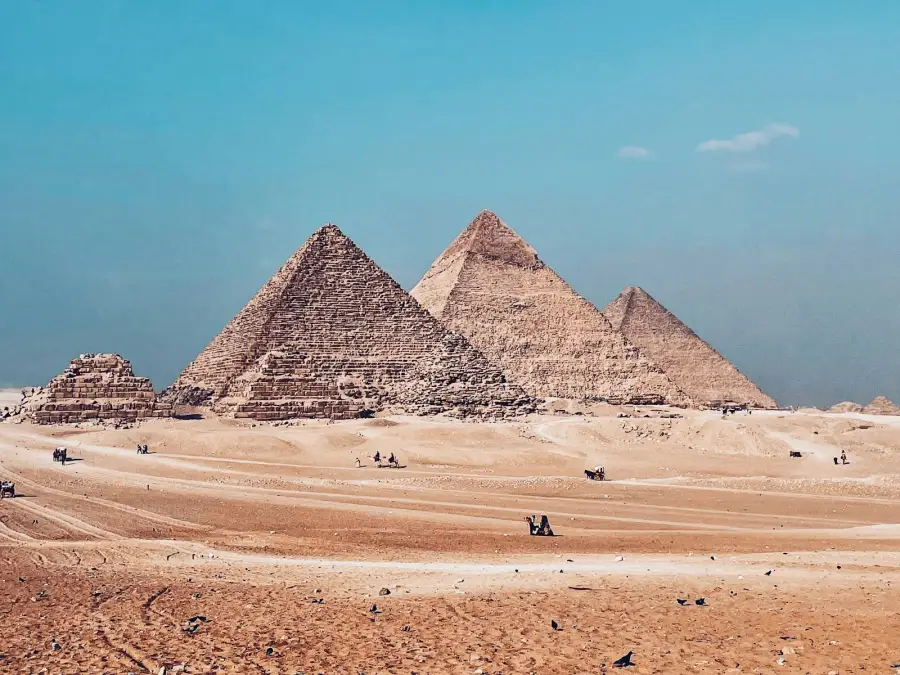 AfricaEgypt Best: Oct–Apr from €30–45/day
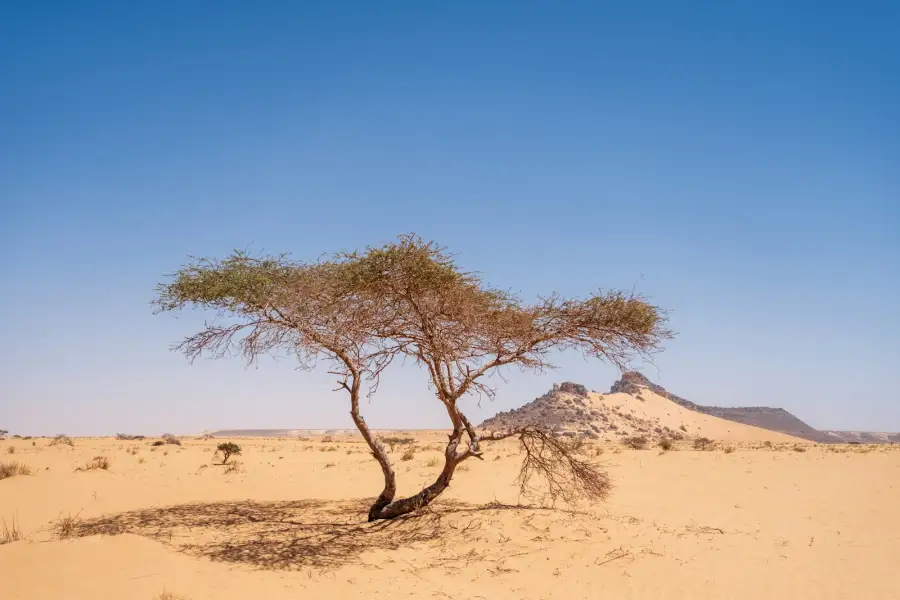 AfricaMauritania Best: Nov–Feb from €40–60/day (basic auberges, shared transport)
Travel solo. Explore together.
Thinking about Namibia with a group?
Ask us anything about travelling solo with a group, or tell us your dates. When a real group trip matches, we will let you know – no spam, no invented offers.
- 1Tell us the country and monthOr just ask a question – packing, safety, budget.
- 2Get an honest answer by emailFrom people who plan group trips, not a robot.
- 3Join a real departure – or notYou only book when a date suits you. Book now, pay later.