Solo travel in Spain – a complete guide for joining a group
Spain is a natural choice for a first solo trip. Fast trains connect the big cities, meals are made for sharing, and social life happens outdoors in plazas and tapas bars late into the evening. From Madrid's museums and Barcelona's architecture to the Moorish palaces of Andalusia and the green hills of Galicia, every region feels different.
A group trip helps because Spanish life is so social. Tapas crawls, flamenco nights and long dinners are better with company, and a group makes it easy to cover several regions without planning every train. It also suits travellers who want someone to explore with in busy cities or on long walks such as the Camino de Santiago.
How to get to Spain from the USA, UK, Canada, Australia…
Information checked: October 2026 · how we check
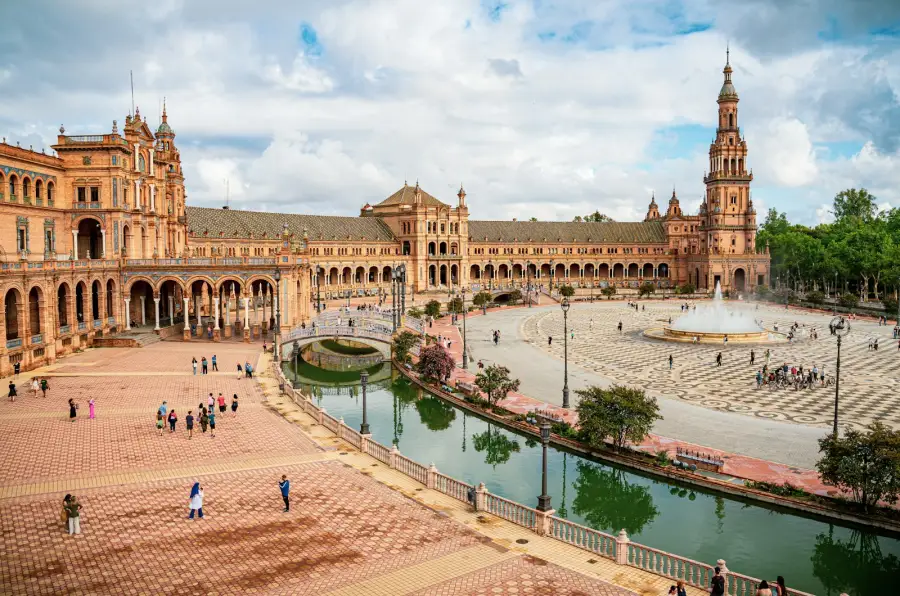
Places to visit in Spain as a solo traveller
A full guide for each: what to see, where to stay, safety and how many days.
Spain month by month
Typical weather and what each month is like for a group trip. Every year is different – check the forecast before you go.
Cold in the centre and north, mild in the south and Canary Islands; winter sales in shops.
Quiet and cheap; Carnival in Cádiz and the Canary Islands is lively.
Spring starts in the south; Valencia celebrates Las Fallas in mid-March.
Holy Week processions and Seville's April Fair draw crowds, so book early.
One of the best months: warm, green and full of patio and flower festivals.
Long days and the start of beach season; San Juan bonfires on the night of 23 June.
Very hot inland; the north coast and Galicia are more comfortable. San Fermín in Pamplona.
Peak holiday month; beaches are crowded and some city businesses close for holidays.
Warm sea, calmer crowds and grape harvest festivals in wine regions.
Pleasant for cities, Andalusia and hiking; first autumn rains in the north.
Good value and quiet; wetter in the north, still mild in the south.
Christmas markets and lights; the Canary Islands stay warm all winter.
Great timeMixedTough (heat, rain or crowds)
Solo travel in Spain: the guide
Why join a group trip in Spain as a solo traveller
Spain is easy to travel independently, but its culture is built around sharing. Tapas are small plates designed for a table of friends, dinner starts late and lasts for hours, and evenings are spent outside in the plaza. Eating alone is perfectly normal, especially at a bar counter, yet many solo travellers find that a group makes Spain more fun.
Covering a big country
Spain is large and varied. Madrid, Barcelona, Andalusia, the Basque Country and Galicia each have their own food, language and rhythm. A group trip can link several regions without you having to research each train connection, book timed entry tickets for the Alhambra or the Sagrada Família, or work out which towns are worth an overnight stay.
Experiences better with others
- Tapas or pintxos evenings, where ordering several dishes to share means tasting more.
- Flamenco shows in Seville, Granada or Madrid.
- Wine tastings in La Rioja or the Ribera del Duero.
- Hiking in the Picos de Europa, the Pyrenees or the Sierra Nevada.
- Walking part of the Camino de Santiago with a group for support and company.
Who it suits
Group trips suit first-time solo travellers, women who prefer company at night, older travellers who want the logistics handled and anyone who simply wants to share the experience. They are also helpful in summer, when heat makes long days of independent sightseeing tiring.
What to check before booking
- Group size and the balance of guided and free time.
- Whether timed entry to major sights is included.
- Single room options and supplements.
- The season – a trip through Andalusia in August is very different from one in April.
A common approach is to spend a few days alone in Madrid or Barcelona, then join a group for the regions that need more planning.
Best time to visit Spain
For most solo travellers, the best time to visit Spain is spring (March to June) or autumn (September to November). Temperatures are usually comfortable, prices are lower than in midsummer and the big sights are easier to enjoy.
Spring
Spring is festival season. Valencia's Las Fallas, in mid-March, fills the city with huge sculptures that are burned on the final night. Semana Santa (Holy Week) brings solemn processions to Seville, Málaga and many other towns, and Seville's Feria de Abril follows a couple of weeks later. Córdoba's patios fill with flowers in May. These events are memorable but crowded, so book accommodation early.
Summer
July and August are very hot in the interior and the south. Seville and Córdoba often reach 38–40°C or more, and Madrid is usually above 30°C. Summer is beach season on the Costa Brava, the Balearic Islands and the Atlantic coast, and the north – the Basque Country, Cantabria, Asturias and Galicia – is cooler and greener. Pamplona's San Fermín festival runs from 6 to 14 July, and the Tomatina tomato fight in Buñol is held in late August. Many Spaniards take holidays in August, so some city restaurants close while coasts are packed.
Autumn
September is still warm with a sea at its best. October and early November are excellent for Andalusia, Madrid, hiking and wine regions during the harvest. Barcelona's La Mercè festival takes place in late September.
Winter
Winter is mild on the Mediterranean coast and in Andalusia, usually around 15–18°C during the day, but cold in Madrid and the central plateau, and wet in the north. Skiing is possible in the Pyrenees and Sierra Nevada. The Canary Islands, off the coast of Africa, stay warm all year and are a popular winter escape. Winter is also the cheapest season for city breaks.
What to pack for Spain
Your Spain packing list depends heavily on the season and region. Andalusia in July and Galicia in November need very different clothes. A few items are useful almost everywhere.
Clothing
- Light, breathable clothes for summer, ideally covering shoulders for sun protection.
- Comfortable walking shoes – Spanish cities are best explored on foot, and old towns are full of cobblestones.
- A light jacket or jumper – even in summer, evenings in Madrid or the mountains can be cooler, and air-conditioning on trains is strong.
- Rain jacket for the north (Basque Country, Asturias, Galicia) at any time of year, and for anywhere from November to March.
- Smarter outfit for evenings out – people in Spanish cities often dress up for dinner.
- Something to cover shoulders and knees for cathedrals and religious sites.
Practical items
- High-factor sunscreen, sunglasses and a hat – the sun is strong from April to October.
- Reusable water bottle; tap water is generally safe to drink, though taste varies.
- Type C/F plug adapter if you are coming from outside mainland Europe.
- A cross-body bag or money belt for crowded areas, especially in Barcelona and Madrid.
- Phone with offline maps and screenshots of timed entry tickets.
- Walking boots and blister plasters if you plan the Camino de Santiago or mountain hikes.
- Ear plugs – Spanish cities stay lively very late.
Pack light if you plan to use trains, as you may need to carry your bag through stations and up stairs in old towns.
Spain visa and entry requirements
Spain is part of the European Union and the Schengen area. Entry rules depend on your nationality and can change, so always check your government's travel advice and official EU sources before you book.
Visa-free short stays
EU and EEA citizens and Swiss nationals can travel to Spain with a valid passport or national ID card. Many other nationalities, including UK, US, Canadian, Australian and New Zealand passport holders, can usually visit the Schengen area without a visa for up to 90 days in any 180-day period. The 90 days are counted across all Schengen countries together, so time in Portugal, France or Italy is included. Some nationalities need a Schengen visa in advance – check with the Spanish embassy or consulate in your country.
Passport and documents
Under Schengen rules, visa-free visitors generally need a passport issued within the last 10 years and valid for at least three months after the date they leave the Schengen area. Border officers may also ask about your return ticket, where you are staying and whether you have enough money for your stay. Rules on these documents can vary, so check your government's advice.
Entry/Exit System (EES)
The EU Entry/Exit System started in phases from October 2025. It registers non-EU short-stay travellers digitally at the external Schengen border, including passport data, fingerprints and a facial photo, and replaces manual passport stamps over time. Your first crossing may take longer, so leave extra time at airports.
ETIAS
ETIAS is a planned online travel authorisation for visa-exempt visitors to Schengen countries. It is not a visa. Its launch has been delayed several times, so check the official EU site travel-europe.europa.eu for the current start date, fee and how to apply. Avoid unofficial websites that charge extra.
Official sources
- UK: gov.uk/foreign-travel-advice/spain
- US: travel.state.gov
- Australia: smartraveller.gov.au
- EES and ETIAS: travel-europe.europa.eu
Stays over 90 days, work and study need a different visa or permit.
How much does a trip to Spain cost?
Spain offers good value, especially if you eat like the locals. Costs vary a lot between regions: Barcelona, Madrid, San Sebastián and the Balearic Islands are the most expensive, while inland Andalusia, Extremadura and Galicia are cheaper. All prices are approximate 2026 ranges in euros – check before you go.
Spain budget per day
- Budget: around €50–70 per day. Hostel dorm, a menú del día (set lunch) as your main meal, a few tapas in the evening, public transport and free sights.
- Mid-range: around €110–170 per day. Private room in a hotel or guesthouse, restaurant dinners, paid sights such as the Alhambra and a flamenco show or day trip.
- Comfortable: €220+ per day. Boutique hotels, guided tours and high-end dining, particularly in Barcelona or San Sebastián.
Eating well for less
The menú del día is one of Spain's best bargains: a weekday set lunch with a starter, main course, dessert or coffee, bread and often a drink. In parts of Andalusia, especially Granada, some bars still serve a small free tapa with each drink. In the Basque Country, pintxos are priced individually and can add up quickly.
Solo traveller extras
Single travellers often pay nearly the full price of a double room. Hostels in Madrid, Barcelona, Seville, Granada and Valencia are good for both saving money and meeting people. On group trips, ask about single supplements or room sharing.
Other costs to plan for
- Catalonia and some other regions charge a tourist tax per person per night, usually paid at your accommodation.
- Popular sights like the Alhambra and Sagrada Família use timed tickets that sell out; book well ahead on official sites.
- High-speed train fares vary with demand, so booking early can save a lot.
Is Spain safe for solo and female travellers?
Spain is generally considered a safe country for solo travellers, including women. Violent crime against tourists is uncommon, and streets are often busy late into the night, which many solo travellers find reassuring. The main risk is petty theft.
Pickpocketing and scams
Barcelona has a well-known pickpocketing problem, particularly on La Rambla, in the Gothic Quarter, on the metro and at the beach. Madrid's Puerta del Sol, Gran Vía and metro are also busy spots. Thieves often work in teams, using distractions such as asking for directions, offering a petition to sign or pointing to a stain on your clothes.
- Keep your phone off café tables and out of back pockets.
- Use a bag with a zip, worn in front of you in crowds.
- On the beach, never leave belongings unattended while swimming.
- Be careful with drinks and strangers in nightlife areas.
Tips for women travelling alone
Many women travel alone in Spain without problems. Late nights are normal, and you will see people of all ages out at midnight. Still, plan your route home, use licensed taxis or ride-hailing apps after dark, and agree meeting points if you go out with people from your hostel. In party resorts, stick with people you trust and watch your drink.
Heat and outdoors
Heat is a real health risk in summer. In Andalusia and the interior, avoid walking around in the hottest hours, drink plenty of water and follow official heat warnings. Wildfires can affect rural areas in summer. In the mountains, weather changes quickly, so check forecasts and tell someone your route.
Emergencies
Call 112 for all emergencies in Spain. Report thefts at a police station; you will need a police report for insurance claims. Check your own government's travel advice before you travel.
Getting around Spain
Spain has one of the best high-speed rail networks in the world, and getting between big cities without a car is easy and comfortable.
Trains
Renfe is the state rail operator. Its AVE high-speed trains link Madrid with Barcelona, Seville, Málaga, Valencia and many other cities, often in two and a half to three hours. Several private high-speed operators also run on the busiest routes, which has helped bring prices down. Book in advance for the best fares. Regional and Media Distancia trains are slower but cheaper and reach smaller towns. Cercanías are commuter trains around major cities, useful for day trips.
Buses
Long-distance buses are cheap and reach places trains do not, such as the white villages of Andalusia, many towns in Galicia and mountain areas. In Andalusia, buses are often more practical than trains between cities such as Granada, Córdoba and Málaga.
City transport
- Madrid and Barcelona have large, efficient metro systems, plus buses and trams. Multi-trip cards cost less than single tickets.
- Seville, Valencia, Bilbao and Málaga have metro or tram lines and good buses, but their old centres are best seen on foot.
Flights and ferries
Domestic flights are useful for the Canary Islands and between distant cities. Ferries connect the mainland with the Balearic Islands (Mallorca, Menorca, Ibiza and Formentera) from Barcelona, Valencia and Dénia.
Driving
Spain drives on the right. A car is helpful for Andalusia's white villages, the Picos de Europa and rural Galicia. Some motorways have tolls. Many cities have low-emission zones and restricted historic centres, so check rules before driving into the centre and use car parks.
Walking the Camino
The Camino de Santiago is a network of pilgrim routes ending in Santiago de Compostela. The Camino Francés is the best known, but the Portuguese and Northern routes are also popular. Albergues (pilgrim hostels) make it easy to meet other walkers.
Culture, etiquette and food
Spanish daily life runs later than in most of Europe. Lunch is the main meal, usually from about 14:00 to 16:00, and dinner rarely starts before 21:00. Many smaller shops close in the afternoon, especially in the south and in smaller towns. Adapt to the rhythm and you will eat better and meet more people.
Etiquette
- Greet people with buenos días or buenas tardes when entering a shop or bar.
- Friends usually greet each other with two kisses on the cheek; a handshake is normal on first meeting.
- In Catalonia, the Basque Country and Galicia, regional identity is strong. Learning a word or two of Catalan, Basque or Galician, like gràcies or eskerrik asko, is appreciated.
- Cover shoulders and knees in cathedrals, and do not walk around cities in swimwear; some coastal towns fine this.
- Waiters will not bring the bill until you ask – say la cuenta, por favor.
What to eat
- Tapas – small dishes such as patatas bravas, croquetas and gambas al ajillo.
- Pintxos – small bites on bread in the Basque Country, especially San Sebastián and Bilbao.
- Paella – originally from Valencia, traditionally with chicken, rabbit and beans; seafood versions are popular on the coast.
- Tortilla española – a thick potato omelette found in every bar.
- Jamón ibérico – cured ham, a national passion.
- Gazpacho and salmorejo – cold tomato soups from Andalusia, ideal in summer.
- Pulpo a la gallega – Galician octopus with paprika and olive oil.
- Churros con chocolate – fried dough with thick hot chocolate.
Drinks and nightlife
Try a caña (small draught beer), a glass of Rioja or Albariño, cava from Catalonia, sherry from Jerez or cider poured from a height in Asturias. Vermouth before lunch is a weekend tradition in many cities. Flamenco, rooted in Andalusia and recognised by UNESCO, is best seen in a small venue where the music and dance feel close.
Meeting other travellers in Spain
Spain is one of the easiest countries in Europe to meet people as a solo traveller. Social life is public, people are out in the streets until late and there is a big community of students, travellers and remote workers.
Hostels
Madrid, Barcelona, Seville, Granada, Valencia, Málaga and San Sebastián have many social hostels. Look for those with shared kitchens, rooftop terraces and organised activities such as tapas tours, paella nights and walking tours. Even quieter boutique hostels often have a common room where people swap travel plans.
Activities
- Walking tours – a good first-day activity in any big city.
- Tapas and pintxos tours – a friendly way to learn local food culture.
- Cooking classes – learning to make paella in Valencia or tapas in Seville or Madrid.
- Flamenco lessons in Seville or Granada.
- Language exchanges – many cities host intercambio evenings in bars, where locals and visitors practise Spanish and English.
- Surfing in the Basque Country, Cantabria or the Canary Islands.
The Camino de Santiago
The Camino is famous for its community. Many people start alone and soon walk, eat and stay with others they meet on the way. Pilgrim albergues, shared evening meals and the simple routine of walking make it one of the most social experiences in Spain. You can walk just the last 100 km from Sarria, or longer sections.
Joining a group
If you prefer guaranteed company, a small group trip is the easiest option. It gives you people to share tapas, sunsets and long train journeys with, without having to start new conversations every day. Many solo travellers also like combining a group trip with a few independent days in Barcelona or Madrid, where the social scene makes it easy to keep meeting people.
Spain packing list
- Comfortable walking shoes for cobbled old towns
- Light, breathable clothing for hot summer days
- Light jumper or jacket for cool evenings and air-conditioned trains
- Rain jacket for northern Spain and winter trips
- Smart-casual outfit for late dinners
- Shawl or layer to cover shoulders in cathedrals
- High-factor sunscreen, sunglasses and a sun hat
- Reusable water bottle
- Type C/F plug adapter (230 V)
- Zipped cross-body bag for crowded areas
- Swimwear and a light beach towel
- Ear plugs for late, lively nights
- Walking boots and blister plasters for the Camino or mountains
- Screenshots or printouts of timed tickets for the Alhambra and Sagrada Família
- Copies of your passport and travel insurance
The general list for any trip: solo travel packing list.
Typical costs in Spain
| What | Basic | Mid-range |
|---|---|---|
| Hostel dorm bed | €20–40 | €80–140 (private double in a hotel) |
| Coffee and breakfast pastry or toast | €2.50–4 | €5–8 |
| Menú del día (set lunch) | €12–16 | €18–30 |
| Tapas dinner with a drink | €12–20 | €30–50 |
| Metro ride in Madrid or Barcelona | €1.50–2.50 | €10–15 (taxi across town) |
| High-speed train Madrid–Seville or Madrid–Barcelona | €20–45 (booked early) | €60–110 |
| Major sight entry (Alhambra, Sagrada Família) | €15–20 | €30–50 (with guide) |
| Flamenco show | €15–25 (small venue) | €35–60 |
| Cooking class | €30–50 | €60–110 |
Approximate prices for 2026 in euros. Prices change – check before you go. More: how to budget a solo trip.
Spain itineraries: 5, 7, 10 and 14 days
Routes that work for a first visit – on your own or as the shape of a group trip.
Spain in 5 days: Madrid and Toledo
Madrid – Toledo – Segovia – Madrid
- Day 1Arrive in Madrid
Walk from Puerta del Sol to Plaza Mayor and the Royal Palace, then tapas in La Latina.
- Day 2Art and parks
Visit the Prado or Reina Sofía, then relax in Retiro Park.
- Day 3Toledo
A short train ride to the historic hill town of three cultures, with its cathedral and narrow lanes.
- Day 4Segovia
See the Roman aqueduct and the Alcázar, and try the local roast specialities.
- Day 5Madrid market and departure
Browse a food market, enjoy a last vermouth and head to the airport.
Spain in 7 days: Madrid, Seville and Granada
Madrid – Córdoba – Seville – Granada
- Days 1–2Madrid
Museums, Retiro Park and lively tapas neighbourhoods.
- Day 3Córdoba
High-speed train south to the Mezquita-Catedral and the old Jewish quarter.
- Days 4–5Seville
The Real Alcázar, cathedral and Giralda, Plaza de España and an evening of flamenco.
- Days 6–7Granada
The Alhambra (book ahead), the Albaicín quarter at sunset and tapas before flying home.
Spain in 10 days: Barcelona, Madrid and Andalusia
Barcelona – Madrid – Seville – Granada
- Days 1–3Barcelona
Gaudí's Sagrada Família and Park Güell, the Gothic Quarter and the beach.
- Days 4–5Madrid
High-speed train to the capital for art, parks and tapas.
- Day 6Córdoba
Stop for the Mezquita on the way south.
- Days 7–8Seville
Alcázar, Triana district, flamenco and riverside evenings.
- Days 9–10Granada
Alhambra and Albaicín, then fly home from Granada or Málaga.
Spain in 2 weeks: from the Basque Country to Andalusia
Bilbao – San Sebastián – Madrid – Valencia – Granada – Seville
- Days 1–3Bilbao and San Sebastián
The Guggenheim, pintxos bars and La Concha beach in the green north.
- Days 4–6Madrid and a day trip
Museums and markets, plus Toledo or Segovia.
- Days 7–8Valencia
City of Arts and Sciences, Turia gardens and paella near the coast.
- Days 9–10Granada
Alhambra, mountain views and tapas culture.
- Day 11Ronda or Córdoba
A dramatic gorge town or the great Mezquita on the way to Seville.
- Days 12–14Seville
Alcázar, cathedral, flamenco and a relaxed finish before flying home.
Where to go in Spain
The capital's world-class museums, parks and late-night tapas bars make it easy to fill days and meet people.
Gaudí architecture, beaches and a huge traveller scene, but watch your belongings closely.
Flamenco, orange trees and the Real Alcázar; lovely in spring, very hot in summer.
Home of the Alhambra and the hillside Albaicín, with a student atmosphere and generous tapas.
A relaxed coastal city with modern architecture, a long park in an old riverbed and the birthplace of paella.
San Sebastián and Bilbao offer pintxos, surf beaches and green hills.
Rainy, green and full of seafood; the end point of the Camino and a very social place for walkers.
Volcanic islands with mild weather all year, good for hiking, beaches and winter sun.
Group trips in Spain for solo travellers
We have no confirmed group departure in Spain yet. We only list real dates.
Host your own group trip to SpainHow to choose a group tripSingle supplement explained
Solo travel in Spain: questions
Is Spain good for solo travel?
Yes. Spain has fast trains, many social hostels, a lively street life and a food culture made for sharing. Eating alone at a tapas bar counter is completely normal. A group trip helps if you want company and less planning across several regions.
Is Spain safe for solo female travellers?
Spain is generally considered safe for women travelling alone, and streets are busy until late. The biggest issue is pickpocketing, especially in Barcelona and Madrid. Use licensed taxis or apps at night, watch your drink and check your government's travel advice.
What is the best time to visit Spain?
Spring (March to June) and autumn (September to November) are usually best, with warm but comfortable weather. July and August are very hot inland and in Andalusia, so head north or to the coast. The Canary Islands are mild all year.
Do I need a visa for Spain?
It depends on your nationality. Many visitors, including UK, US, Canadian and Australian passport holders, can usually stay up to 90 days in 180 across the Schengen area without a visa. The EU Entry/Exit System applies to non-EU travellers and ETIAS is planned – check travel-europe.europa.eu and your government's advice.
How much does Spain cost per day?
As an approximate 2026 guide, budget travellers spend around €50–70 a day and mid-range travellers about €110–170. Barcelona, Madrid, San Sebastián and the islands cost more; inland Andalusia and Galicia are cheaper. Check current prices before you go.
How many days do I need in Spain?
Five days suits Madrid with Toledo or Segovia. A week covers Madrid and two Andalusian cities, while 10 days to two weeks lets you add Barcelona, Valencia or the Basque Country.
What time do people eat in Spain?
Lunch is usually between 14:00 and 16:00 and dinner often starts around 21:00 or later. Many restaurants do not open for dinner before 20:00. Tapas bars are a good option if you are hungry earlier.
Do I need to book the Alhambra and Sagrada Família in advance?
Yes, ideally. Both use timed tickets and often sell out, especially in spring and summer. Book on the official websites as early as possible to avoid resellers charging more.
Is the Camino de Santiago good for solo travellers?
Many people walk the Camino alone and find it very social. Pilgrim hostels, shared meals and the daily routine make it easy to meet others. Choose a route and season that matches your fitness, and pack light.
Do I need to speak Spanish?
Not necessarily in big cities and tourist areas, where English is common in hotels and many restaurants. In smaller towns and rural areas English is less widely spoken. Basic Spanish phrases make travel easier and are appreciated.
Spain for solo travellers, groups and women: more questions
Is Spain a good destination for a first solo trip?
Spain is a very good choice for a first solo trip. Social life happens in public, streets are busy late, eating alone at a bar counter is completely normal and high-speed trains link the main cities. Madrid, Barcelona and Seville all have plenty of hostels and walking tours to help you settle in.
Is 10 days enough for Spain as a solo traveller?
Ten days is enough for Barcelona, Madrid, Seville and Granada by high-speed train. With a week, Madrid plus Andalusia (Córdoba, Seville and Granada) works well, and five days suits Madrid with day trips to Toledo and Segovia. Two weeks lets you add the north, such as Bilbao and San Sebastián, or Valencia.
Is Spain expensive for solo travellers?
Spain is mid-priced for Western Europe: roughly €50–70 a day on a budget and €110–170 a day mid-range (approximate, check before you go). The menú del día set lunch, around €12–16, is the best-value meal, and high-speed trains are much cheaper when booked early. Single rooms in hotels are the main extra cost for one person.
Where do solo travellers stay in Spain?
Madrid, Barcelona, Seville, Granada, Valencia, Málaga and San Sebastián all have social hostels with rooftop terraces, shared kitchens and tapas tours or paella nights. Dorm beds cost roughly €20–40 (approximate). On the Camino de Santiago, pilgrim albergues are a sociable and inexpensive option.
How do I meet people when travelling solo in Spain?
Spain is one of the easiest countries in Europe for meeting people. Try a walking tour on your first day, a tapas or pintxos tour, a paella class in Valencia or a flamenco lesson in Seville or Granada. Intercambio language-exchange evenings in bars are a great way to meet locals as well as other travellers.
Should I join a group tour in Spain if I'm travelling alone?
You do not need one, but many solo travellers find a group makes Spain more fun, because tapas and long dinners are designed for sharing. A group also links several regions without you researching every train or booking timed tickets for the Alhambra and Sagrada Família. It is especially helpful in summer, when heat makes long days of independent sightseeing tiring.
What is the best group trip in Spain for solo travellers?
For a first visit, an Andalusia route from Madrid through Córdoba, Seville and Granada is the classic choice. Food lovers often prefer trips through the Basque Country and La Rioja, and active travellers can choose hiking in the Picos de Europa, the Pyrenees or the Sierra Nevada, or a guided section of the Camino de Santiago. Check group size, free time and the single room option.
How many people are on a group tour in Spain?
It varies. Small-group trips often have somewhere around 10–16 people, which fits tapas bars and small hotels, while coach tours can carry 30 to 50. Always check the maximum group size before booking.
How do I avoid the single supplement in Spain?
Ask whether the group pairs solo travellers of the same gender in shared rooms instead of charging a supplement. Travelling independently, hostel private rooms and pilgrim albergues on the Camino are cheaper options. Booking outside the summer peak also helps.
Is Barcelona safe for women travelling alone?
Barcelona is generally safe for women travelling alone, and violent crime against tourists is uncommon, but it has a well-known pickpocketing problem. Take care on La Rambla, in the Gothic Quarter, on the metro and at the beach, where thieves often work in teams with distractions. Keep your phone off café tables and use a zipped bag worn in front of you.
What should women wear in Spain?
Everyday city clothes are fine, and there is no strict dress code. Cover your shoulders when visiting cathedrals and churches, and keep swimwear for the beach, as some coastal towns have rules about walking around in it. In summer, a hat and light, breathable clothes help with the heat in Andalusia and the interior.
Are there women-only group tours in Spain?
Yes, some operators run women-only trips in Spain, often focused on themes such as food, walking or culture. Many women also travel independently and join walking or food tours for company. Compare group size, room sharing and what is included before booking.
Can a woman go out alone at night in Spain?
Late nights are normal in Spain, and you will see people of all ages out at midnight, which many solo women find reassuring. Still, plan your route home, use licensed taxis or ride-hailing apps after dark and agree meeting points if you go out with people from your hostel. In party resorts, stick with people you trust and watch your drink.
Is it awkward to eat alone in Spain?
Not at all: sitting at a bar counter and ordering a few tapas is a very normal way to eat alone in Spain. The menú del día at lunchtime is another easy solo option. If you want company, a tapas or pintxos tour turns dinner into a social evening.
Is Spain too hot for a solo trip in summer?
Summer heat in Andalusia and the interior is a real health risk, with very hot afternoons in places like Seville, Córdoba and Madrid. If you travel then, sightsee early and late, drink plenty of water and follow official heat warnings. Spring (March to June) and autumn (September to November) are more comfortable for most solo travellers.
People also search for
solo travel spain spain solo female travel is barcelona safe for solo female travellers spain group tours for solo travellers spain small group tour andalusia spain itinerary 10 days solo best cities in spain for solo travellers women only tours spain camino de santiago solo spain budget per day solo spain tour single supplement eating alone in spain first solo trip spain solo traveling barcelona solo travel madrid solo traveling valencia solo traveling in spain
Official sources to check before you go
- UK Foreign Office travel advice: Spain
- US Department of State travel information
- Australian Government Smartraveller
- EU official site for EES and ETIAS
Entry rules, safety advice and prices change. This guide is general information, not legal or medical advice – always check your own government's travel advice.
Also loved by solo travellers
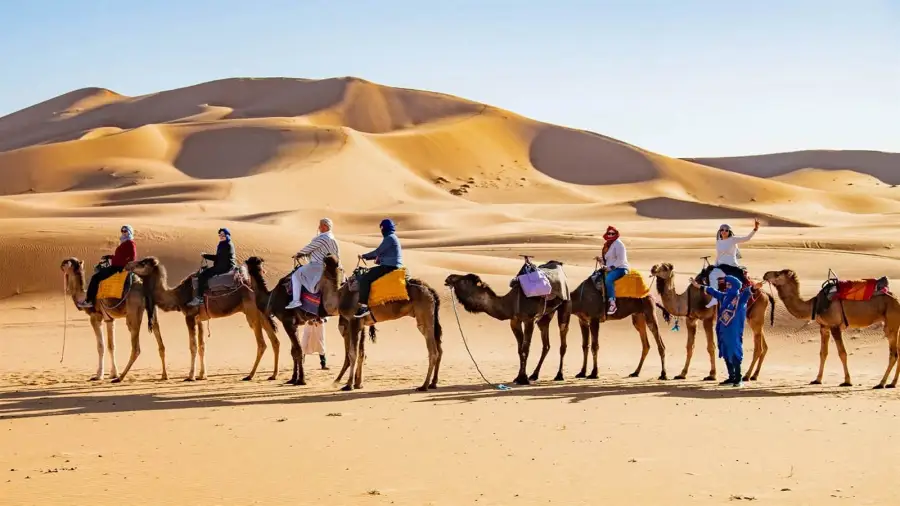
Add Morocco to your list
Planning solo travel in Morocco? Best time to go, visa basics, budget per day, safety tips for women, packing list and 5 to 14-day itineraries.

Travel solo. Explore together.
Thinking about Spain with a group?
Ask us anything about travelling solo with a group, or tell us your dates. When a real group trip matches, we will let you know – no spam, no invented offers.
- 1Tell us the country and monthOr just ask a question – packing, safety, budget.
- 2Get an honest answer by emailFrom people who plan group trips, not a robot.
- 3Join a real departure – or notYou only book when a date suits you. Book now, pay later.