Solo travel in Turkey – a complete guide for joining a group
Turkey (officially Türkiye) is a rewarding country for solo travellers. In one trip you can explore Istanbul's mosques and bazaars, watch sunrise over the rock valleys of Cappadocia, walk among the ruins of Ephesus and swim in the turquoise bays of the Mediterranean coast. Long-distance buses and domestic flights cover huge distances cheaply, and hospitality is a strong part of the culture – a glass of tea is offered almost everywhere.
The country is big, though, and travel days can be long. A group trip helps you link regions efficiently, avoid the common tourist traps in busy areas, and understand the history behind places that have been Greek, Roman, Byzantine and Ottoman. It also gives you company for long dinners of meze and for evenings in places where solo diners are less common.
How to get to Turkey from the USA, UK, Canada, Australia…
Information checked: October 2026 · how we check
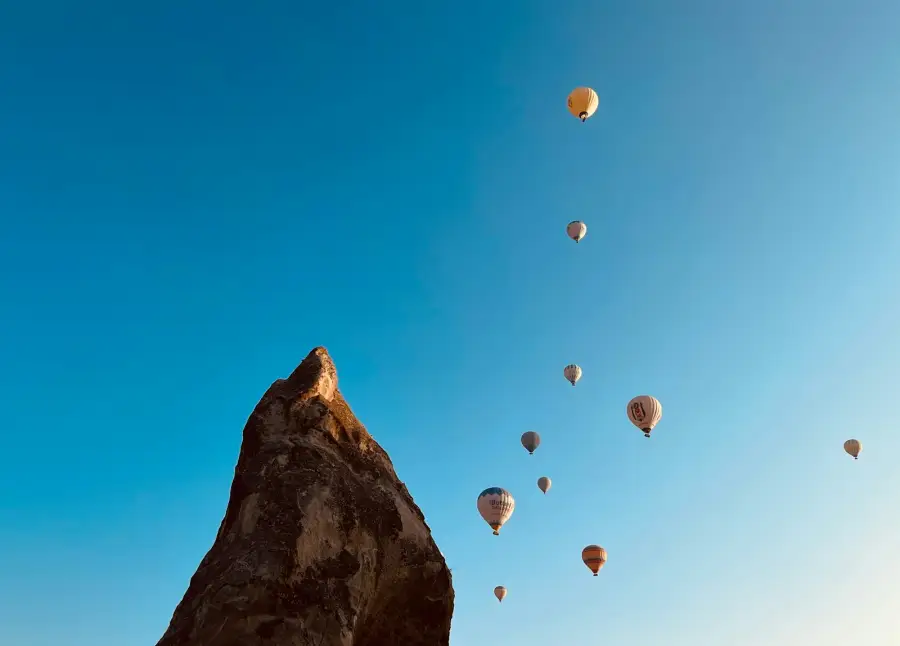
Places to visit in Turkey as a solo traveller
A full guide for each: what to see, where to stay, safety and how many days.
Turkey month by month
Typical weather and what each month is like for a group trip. Every year is different – check the forecast before you go.
Low season with good prices in Istanbul; snowy landscapes in Cappadocia but cold early-morning balloon flights.
Quiet museums and mosques in Istanbul, but the coast is out of season.
Weather is changeable; a good month for city sightseeing before spring crowds.
Tulips bloom across Istanbul's parks and the countryside turns green.
One of the best months overall, with mild weather for Cappadocia, Ephesus and coastal walks.
Warm sea and long days; the Lycian coast is lovely before the peak heat.
Peak beach season; very hot for sightseeing at Ephesus or Pamukkale in the afternoon.
Busy with domestic and international holidaymakers; book coastal stays early.
Excellent for combining sightseeing with swimming as the heat eases.
Comfortable for hiking and city walking, with autumn colours in Cappadocia.
Good value for Istanbul and Cappadocia; many coastal resorts wind down.
Quiet season; Konya hosts whirling dervish ceremonies around mid-December.
Great timeMixedTough (heat, rain or crowds)
Solo travel in Turkey: the guide
Why join a group trip in Turkey as a solo traveller
Plenty of people travel around Turkey independently, and the country has the infrastructure to make it possible. But Turkey is about three times the size of the United Kingdom, and that changes how a trip feels when you are on your own.
Big distances, fewer decisions
Istanbul to Cappadocia is roughly 700 km, and the coast is further still. Overnight buses and domestic flights are good value, but planning them around early-morning balloon flights, site opening hours and hotel check-ins takes time. A group trip handles these connections, so you spend your energy on the places rather than on bus stations.
Avoiding tourist traps
Busy areas such as Sultanahmet in Istanbul and the main streets of Göreme have their share of carpet-shop detours, over-friendly invitations and inflated prices. A group leader who knows the area helps you avoid them and points you to honest places to eat and shop.
History that needs explaining
Turkey's sites span thousands of years: Hittite, Greek, Roman, Byzantine, Seljuk and Ottoman. Places like Ephesus, Hagia Sophia, the underground cities of Cappadocia and the Lycian rock tombs are far more rewarding with a guide who can tell you what you are looking at and how the layers fit together.
Sharing costs and meals
Some of Turkey's best experiences – a boat trip along the coast, a private transfer to a remote valley, a long dinner of meze – are easier and cheaper to share. Solo travellers often pay a single supplement for rooms, but shared transport and guiding can bring the overall cost down.
Who it suits
Group trips suit first-time visitors, women who would like company in more conservative areas, travellers over 50 who prefer not to manage long transport days, and anyone who wants to see Istanbul, Cappadocia and the coast in one or two weeks.
Best time to visit Turkey
The best time to visit Turkey for most solo travellers is April to June and September to October. These months are warm but not too hot, the sea is pleasant from about June to October, and the main sites are less crowded than in midsummer.
Spring (April–June)
Spring is ideal for combining Istanbul, Cappadocia and the Aegean ruins. Istanbul's tulips are in flower in April, and Cappadocia's valleys are green and good for walking. By June, the Mediterranean and Aegean coasts are warm enough for swimming and boat trips.
Summer (July–August)
Summer is beach season. The coast from Bodrum to Antalya is lively and busy, and the Black Sea region, which is cooler and greener, becomes popular with Turkish travellers. Inland, temperatures often rise above 35°C, which makes sites like Ephesus and Pamukkale tiring in the afternoon – go early. Istanbul is hot and humid but still enjoyable with a slower pace.
Autumn (September–October)
Autumn is another excellent window. The sea stays warm into October, the crowds ease, and hiking on the Lycian Way becomes comfortable again. Cappadocia's vineyards are harvested in early autumn.
Winter (November–March)
Winter is good for an Istanbul city break and for seeing Cappadocia under snow, which is very photogenic. It is cold inland, and balloon flights are more often cancelled because of wind or fog. Most coastal resorts are quiet or closed.
Religious holidays
The dates of Ramadan and the two main religious holidays, Ramazan Bayramı (also called Şeker Bayramı) and Kurban Bayramı, move about 11 days earlier each year. Daily life continues during Ramadan in tourist areas, but during the holidays, transport and hotels can be very busy as people travel to their families, and some offices and shops close. Check the dates before booking.
What to pack for Turkey
A Turkey packing list depends on whether you are mixing cities, inland regions and coast. Cappadocia can be cold at dawn even when the coast is hot, so layers are important.
Clothing
- Light, breathable clothes for summer, with some longer options for mosques and more conservative towns.
- A scarf: women need to cover their hair in mosques, and it is useful for sun and wind too. Shoulders and knees should be covered by everyone when visiting a mosque.
- A warm layer or fleece for early-morning balloon flights and cool evenings in Cappadocia, even in spring and autumn.
- Shoes that are easy to slip off – you remove them before entering mosques and some homes.
- Comfortable walking shoes for uneven ancient sites and Cappadocia's valleys; hiking boots if you plan to walk the Lycian Way.
- A winter coat, hat and gloves for inland Turkey from December to February.
Sun and sea
- High-factor sun cream, a hat and sunglasses.
- Swimwear and a quick-dry towel for the coast and boat trips.
- A swimsuit is fine at beaches and resorts, but cover up when walking through town.
Practical items
- A Type C/F plug adapter if needed.
- A refillable water bottle – most locals drink bottled or filtered water.
- Some cash in lira for small shops, markets and dolmuş minibuses.
- Tissues and hand gel, as some public toilets have no paper.
- A travel pillow and eye mask if you plan to take overnight buses.
Turkey visa and entry requirements
Turkey's entry rules depend on your nationality and change from time to time, so always check before you travel. Turkey is not part of the Schengen area, so days spent in Turkey do not count towards a Schengen 90-day limit.
Visa-free and e-visa
Many nationalities can visit Turkey visa-free for short stays, often up to 90 days within a 180-day period. This includes citizens of most EU countries and the UK, among others. Some nationalities need an e-visa, which is applied for online before travel through Turkey's official e-visa website, evisa.gov.tr. Other nationalities need to apply for a visa at a Turkish embassy or consulate. The rules for some countries have changed in recent years, so do not rely on old blog posts or what a friend was told.
Use the official website
If you need an e-visa, use only the official government website. Several unofficial sites look similar and charge extra service fees. Check the price and conditions shown on the official site.
Passport validity
Turkey usually requires your passport to be valid for a period well beyond your stay – often at least 150 days from your date of arrival for many visitors – and to have at least one blank page. Requirements vary by nationality, so check your government's travel advice.
Where to check
Before you book, read your own government's travel advice, such as the UK Foreign Office pages, the US State Department or Australia's Smartraveller. These also explain any areas where travel is advised against. At the time of writing, some areas close to the border with Syria have advice against travel from several governments. Popular tourist areas such as Istanbul, Cappadocia and the Aegean and Mediterranean coasts are not in those areas, but advice can change, and your travel insurance may not cover areas your government advises against.
How much does a trip to Turkey cost?
Turkey's currency is the Turkish lira (TRY). Inflation has been high in recent years, so prices in lira change quickly and guidebook figures go out of date fast. Prices for tourists are often easier to compare in euros, and some hotels and tours quote in euros directly. The figures below are approximate 2026 ranges – check before you go.
Turkey budget per day
A budget traveller staying in hostels or simple guesthouses, eating street food and local canteens (lokanta) and taking buses can spend around €35–55 per day. A mid-range traveller in boutique hotels or cave hotels, eating in restaurants and taking a few tours can expect around €80–140 per day. Istanbul and the busiest resorts in summer cost more.
Where the money goes
- Entry tickets: major sites and museums in Istanbul and at places like Ephesus have become expensive for foreign visitors, and prices are often set in euros. Budget for this if you plan to see many sites.
- Balloon flight in Cappadocia: one of the biggest single costs. Prices vary a lot with season and demand.
- Transport: buses and domestic flights are good value for the distances covered.
- Food: street food such as simit, döner and pide is cheap; meze and fish restaurants cost more.
Saving money as a solo traveller
Eat at lokanta, where you choose from dishes on display at lunchtime, travel by bus rather than taxi, and buy an Istanbulkart for public transport in Istanbul. Avoid exchanging money at hotels or near major sights; use bank ATMs instead and choose to be charged in lira, not your home currency.
Is Turkey safe for solo and female travellers?
Most visits to Turkey are trouble-free, and many solo travellers, including women, travel there every year. The main issues for visitors are scams, petty theft and, for women, unwanted attention in some places. Political demonstrations can happen in big cities; avoid them and follow local news.
Common scams in Istanbul
- The bar scam: a friendly stranger suggests a drink at a bar they know, and the bill turns out to be huge. Choose your own bars and check prices.
- Shoe-shine trick: a shoe-shiner drops a brush, you pick it up, and you are offered a free shine that ends with a demand for money.
- Carpet shops: new friends who want to show you their cousin's shop. A firm, polite no is fine.
- Taxis: make sure the meter is running, or use a reputable taxi app.
Tips for women travelling alone
- Turkey ranges from very liberal city districts to conservative rural towns. Dressing more modestly outside resorts and Istanbul's central districts usually means less attention.
- Persistent compliments or approaches happen, particularly in tourist areas. Ignoring them or a firm no usually works.
- On long-distance buses, staff often try not to seat women next to men they do not know – if you are uncomfortable with your seat, ask the attendant.
- Choose accommodation with reviews from other solo women, especially in smaller towns.
Natural hazards and health
Turkey is in an active earthquake zone. Know what to do in an earthquake and follow official instructions if one happens. In summer, heat and wildfires can be a risk in coastal forests. Use reputable operators for balloon flights, boat trips and adventure activities, and check your insurance covers them.
Emergency number
The general emergency number in Turkey is 112. Major tourist areas also have tourist police.
Getting around Turkey
Turkey has a well-developed transport network. The main options are long-distance buses, domestic flights, high-speed trains on some routes, minibuses and ferries.
Long-distance buses
Buses are the classic way to travel. Most towns have a bus station called an otogar, often on the edge of town, with free shuttle buses (servis) to the centre on many routes. Buses are generally comfortable, with assigned seats, drinks and snacks. Overnight buses save a hotel night, for example between Istanbul and Cappadocia, but can be tiring.
Domestic flights
Flights are often the fastest and best-value option for long distances, such as Istanbul to Kayseri or Nevşehir (for Cappadocia), Izmir (for Ephesus), Antalya or Dalaman. Istanbul has two main airports: Istanbul Airport on the European side and Sabiha Gökçen on the Asian side. Check which one your flight uses.
Trains
High-speed trains (YHT) link Istanbul with Ankara and Konya, and Ankara with other cities. Regular trains are slower but scenic on some lines. Rail does not reach many coastal and tourist areas.
Dolmuş and local transport
The dolmuş is a shared minibus that runs set routes and leaves when full. It is cheap and useful along the coast and between villages. In Istanbul, the Istanbulkart card works on the metro, trams, buses, the Marmaray rail tunnel under the Bosphorus and public ferries.
Ferries
Ferries across the Bosphorus between Europe and Asia are one of the joys of Istanbul. There are also ferries to the Princes' Islands and across the Sea of Marmara.
Driving
Turkey drives on the right. A hire car is useful on the coast and in Cappadocia, but city driving can be stressful. Check whether you need an International Driving Permit.
Culture, etiquette and food
Turkish culture blends Middle Eastern, Mediterranean, Balkan and Central Asian influences. Hospitality matters a great deal, and you will often be offered tea (çay) in shops and homes.
Etiquette tips
- In mosques, remove your shoes, cover shoulders and knees, and women cover their hair. Avoid visiting during the five daily prayers, especially Friday midday prayers.
- Greet people with merhaba (hello) and say teşekkürler (thank you).
- Bargaining is normal in bazaars, but not in shops with fixed prices or restaurants.
- Public displays of affection are more acceptable in big cities than in rural areas.
- During Ramadan, be discreet about eating and drinking in public in conservative areas.
- Ask before photographing people, especially women.
Festivals and traditions
The two main religious holidays, Ramazan Bayramı at the end of Ramadan and Kurban Bayramı, are family occasions with special foods. National holidays include Republic Day on 29 October. In Konya, the city of the poet Rumi, whirling dervish ceremonies are held around his anniversary in mid-December. The traditional hammam (bathhouse) is an experience worth trying, with separate sections or hours for women and men.
What to eat
Turkish cuisine is one of the world's great food cultures. Try:
- Kahvaltı – a big breakfast of cheeses, olives, tomatoes, honey, eggs and bread.
- Menemen – eggs scrambled with tomatoes and peppers.
- Simit – a sesame bread ring sold on the street.
- Meze – small cold and hot dishes, often with rakı, an anise spirit.
- Kebabs – from Adana and İskender kebab to testi kebab, cooked in a sealed clay pot in Cappadocia.
- Pide and lahmacun – boat-shaped flatbreads and thin, spiced flatbread.
- Mantı – small dumplings with yoghurt and spiced butter.
- Baklava and künefe – syrupy pastries, best with Turkish coffee or tea.
Meeting other travellers in Turkey
Turkey sees large numbers of international visitors, and it is easy to meet other travellers in the main tourist areas.
Where solo travellers meet
- Hostels in Istanbul, especially in areas such as Sultanahmet, Karaköy and Kadıköy, often run walking tours and social evenings.
- Göreme in Cappadocia is compact and full of travellers. Day tours of the valleys and underground cities, sunrise viewpoints and hiking trails are natural places to meet people.
- Boat trips from Fethiye, Kaş and Bodrum mix travellers for a day of swimming and sunbathing. Multi-day sailing trips along the coast are also popular with solo travellers.
- The Lycian Way and other trails attract hikers, and village pensions along the route are sociable.
- Cooking classes in Istanbul or Cappadocia are a good way to meet people and learn about the food.
Joining a group trip
If you want company throughout, compare group trips by size, age range, single supplement or room-sharing options, how much free time is built in and how long the travel days are. Some trips focus on Istanbul and Cappadocia, others on the coast, hiking or food. Check whether internal flights and site entry fees are included, as these can add significantly to the cost.
Meeting locals
Turks are often curious about visitors, and conversations start easily over tea. Outside the main tourist areas, English is less common, so a translation app and a few Turkish words help. Evening walks along the seafront or in Istanbul's neighbourhoods, such as Kadıköy and Moda on the Asian side, show a more local side of city life.
Turkey packing list
- Light clothing with longer options for conservative areas
- Scarf for covering hair in mosques
- Warm fleece for Cappadocia dawns and evenings
- Slip-on shoes for mosque visits
- Comfortable walking shoes for ancient sites
- Hiking boots for the Lycian Way or valley walks
- Swimwear and a cover-up for walking through town
- Quick-dry towel
- High-factor sun cream, hat and sunglasses
- Refillable water bottle
- Type C/F plug adapter
- Small amount of Turkish lira cash
- Tissues and hand gel
- Travel pillow and eye mask for overnight buses
- Winter coat, hat and gloves (December to February inland)
- Copies of passport, visa or e-visa and insurance
The general list for any trip: solo travel packing list.
Typical costs in Turkey
| What | Basic | Mid-range |
|---|---|---|
| Hostel dorm bed | €12–25 | €60–130 (boutique or cave hotel double) |
| Street food (simit, döner, pide) | €2–6 | €5–10 |
| Lokanta lunch or restaurant dinner | €6–12 | €20–40 with drinks |
| Glass of tea or Turkish coffee | €0.50–2 | €2–5 |
| Istanbul public transport ride | around €1 with Istanbulkart | €5–15 taxi in the centre |
| Long-distance bus | €15–35 | €50–100 domestic flight |
| Major museum or site entry | €10–25 | €25–50+ (top Istanbul sites) |
Approximate prices for 2026 in euros. Prices change – check before you go. More: how to budget a solo trip.
Turkey itineraries: 5, 7, 10 and 14 days
Routes that work for a first visit – on your own or as the shape of a group trip.
Turkey in 5 days: Istanbul and Cappadocia
Istanbul – Cappadocia – Istanbul
- Day 1Arrive in Istanbul
Settle in and take an evening walk around Sultanahmet, between the Blue Mosque and Hagia Sophia.
- Day 2Old Istanbul
Topkapı Palace, the Basilica Cistern and the Grand Bazaar, then a ferry across the Bosphorus to Kadıköy for dinner.
- Day 3Fly to Cappadocia
Morning flight to Kayseri or Nevşehir, then a sunset walk in the valleys near Göreme.
- Day 4Valleys and underground cities
Optional sunrise balloon flight, then the Göreme Open-Air Museum and an underground city such as Derinkuyu or Kaymaklı.
- Day 5Return to Istanbul
A last valley hike or pottery visit in Avanos before flying back to Istanbul.
Turkey in 7 days: Istanbul, Cappadocia and Ephesus
Istanbul – Cappadocia – Selçuk (Ephesus) – Istanbul
- Days 1–2Istanbul
The historic peninsula, the Spice Bazaar, a Bosphorus ferry ride and the lively streets around Galata and Karaköy.
- Days 3–4Cappadocia
Fly to Cappadocia for fairy chimneys, rock churches, valley walks and an optional balloon flight.
- Day 5To the Aegean
Fly to Izmir and transfer to Selçuk, a small town that makes a good base for Ephesus.
- Day 6Ephesus
Explore Ephesus early before the heat and the crowds, then visit the hill village of Şirince.
- Day 7Back to Istanbul
Fly from Izmir to Istanbul for your onward flight.
Turkey in 10 days: Istanbul, Cappadocia, Pamukkale and the coast
Istanbul – Cappadocia – Pamukkale – Selçuk – Fethiye
- Days 1–3Istanbul
Three days for the main sights, the bazaars, a hammam visit and neighbourhoods on both the European and Asian sides.
- Days 4–5Cappadocia
Rock valleys, cave hotels, underground cities and sunrise views over the balloons.
- Day 6Pamukkale
Travel to Pamukkale to walk barefoot on the white travertine terraces and visit ancient Hierapolis.
- Day 7Ephesus
Continue to Selçuk and spend the afternoon or next morning at Ephesus.
- Days 8–10Fethiye and the Turquoise Coast
A boat trip among the bays, the lagoon at Ölüdeniz and a walk on a section of the Lycian Way, before flying out from Dalaman.
Turkey in 2 weeks: from Istanbul to the Mediterranean
Istanbul – Cappadocia – Konya – Pamukkale – Ephesus – Kaş – Antalya
- Days 1–3Istanbul
Historic mosques and palaces, food markets, Bosphorus ferries and a slower day in Kadıköy or Balat.
- Days 4–6Cappadocia
Hiking in the Rose and Red valleys, underground cities, Ihlara Valley and an optional balloon flight.
- Day 7Konya
Visit the Mevlana Museum, the shrine of the poet Rumi, in a more traditional city.
- Day 8Pamukkale
The travertine terraces and the ruins of Hierapolis.
- Days 9–10Ephesus and Şirince
Ephesus, the House of the Virgin Mary and the wine village of Şirince.
- Days 11–13Kaş
A relaxed harbour town for swimming, kayaking over the sunken city at Kekova and coastal walks.
- Day 14Antalya
Explore Kaleiçi, Antalya's old town, before flying home.
Where to go in Turkey
A huge, exciting city across two continents, with Byzantine and Ottoman monuments, bazaars, ferries and some of the best food in the country.
Fairy chimneys, cave hotels, rock-cut churches and underground cities, with easy valley walks and sunrise balloon views.
One of the best-preserved ancient cities in the Mediterranean, with a small, friendly town nearby as a base.
White calcium terraces with warm pools above the Roman spa city of Hierapolis, an easy stop between Cappadocia and the coast.
A lively base for boat trips, paragliding and hikes on the Lycian Way, popular with younger travellers.
A small, relaxed harbour town with clear water, diving and sea kayaking, good for a slower few days.
A big coastal city with a historic old town, nearby ancient sites and an international airport.
A more traditional city known for Rumi and the whirling dervishes, giving a different view of Turkish life.
Group trips in Turkey for solo travellers
We have no confirmed group departure in Turkey yet. We only list real dates.
Host your own group trip to TurkeyHow to choose a group tripSingle supplement explained
Solo travel in Turkey: questions
Is Turkey good for solo travel?
Yes. Turkey has good transport, plenty of hostels and guesthouses, and a strong culture of hospitality. The main tourist route of Istanbul, Cappadocia and the coast is well set up for solo visitors.
Is Turkey safe for solo female travellers?
Many women travel solo in Turkey without problems. Expect some unwanted attention in tourist areas, dress more modestly outside resorts and big cities, and choose well-reviewed accommodation. Check your government's travel advice for the latest information.
What is the best time to visit Turkey?
April to June and September to October are usually best, with comfortable temperatures for sightseeing and a warm sea from June. July and August are very hot inland and busy on the coast.
Do I need a visa for Turkey?
It depends on your nationality. Many visitors, including most EU and UK citizens, can enter visa-free for short stays, while others need an e-visa from the official site evisa.gov.tr or an embassy visa. Check your government's travel advice before booking.
How much does a week in Turkey cost?
As a rough guide, budget travellers spend around €35–55 per day and mid-range travellers around €80–140, plus domestic flights, major site entry fees and any balloon flight. Prices change quickly because of inflation, so check before you go.
How many days do I need in Turkey?
Five days covers Istanbul and Cappadocia. Seven to ten days adds Ephesus, Pamukkale or the coast, and two weeks lets you travel from Istanbul to the Mediterranean at a comfortable pace.
Is a hot air balloon flight in Cappadocia worth it?
Many visitors consider it a highlight, but it is expensive and flights can be cancelled because of wind or weather. Book with a licensed operator, allow more than one morning in Cappadocia in case of cancellation, and check your insurance covers it.
Should I pay in lira or euros?
Lira is the local currency and usually gives the best value for everyday spending. Some hotels and tours quote in euros. When paying by card, choose to be charged in lira rather than your home currency.
What should I wear in Turkey?
In Istanbul and the resorts, casual Western clothes are normal. In mosques and more conservative towns, cover shoulders and knees, and women should carry a scarf for their hair in mosques.
Turkey for solo travellers, groups and women: more questions
Is Turkey a good first solo trip?
Turkey can be a great first solo trip, with good buses, domestic flights and a big traveller scene in Istanbul and Cappadocia. The main challenges are the large distances and the scams and inflated prices in busy tourist areas. Starting with Istanbul and Cappadocia is an easy introduction.
Is 10 days enough for Turkey as a solo traveller?
Ten days is enough for Istanbul, Cappadocia, Pamukkale, Ephesus (from Selçuk) and the coast at Fethiye. Five days suits Istanbul and Cappadocia, and a week adds Ephesus. With two weeks you can include Konya, Kaş and Antalya.
Is Turkey expensive for solo travellers?
Turkey is good value: roughly €35–55 a day on a budget and €80–140 a day mid-range (approximate, check before you go). Street food such as simit, döner and pide costs around €2–6, and long-distance buses around €15–35. The big extras are a Cappadocia balloon flight, whose price varies with the season, and entry to top Istanbul sites; the currency is the Turkish lira (TRY).
Where do solo travellers stay in Turkey?
In Istanbul, solo travellers often stay in hostels in Sultanahmet, Karaköy or Kadıköy, many of which run walking tours and social evenings. In Cappadocia, Göreme is compact and full of travellers, with hostels and cave hotels. Along the Lycian Way, village pensions are friendly places to meet other hikers.
How can I meet people as a solo traveller in Turkey?
Hostel walking tours in Istanbul, day tours and sunrise viewpoints in Göreme, and boat trips from Fethiye, Kaş and Bodrum all mix travellers. Multi-day sailing trips along the coast and hikes on the Lycian Way are popular with solo travellers, and cooking classes in Istanbul or Cappadocia are another easy option. Conversations with locals often start over a glass of tea.
Should I join a group tour in Turkey as a solo traveller?
Turkey is about three times the size of the UK, and Istanbul to Cappadocia alone is roughly 700 km, so a group saves a lot of planning. A group leader also helps you avoid carpet-shop detours and inflated prices in busy areas. Sites such as Ephesus, Hagia Sophia and Cappadocia's underground cities are far more rewarding with a guide.
What is the best group trip in Turkey for solo travellers?
The classic route links Istanbul, Cappadocia, Pamukkale and Ephesus in about 10 days, often with a domestic flight or overnight bus. Coast-focused trips include boat trips or multi-day sailing around Fethiye and Kaş, while active travellers choose hiking trips on the Lycian Way. Check whether internal flights and site entry fees are included.
How big are group tours in Turkey?
It varies. Small-group trips often keep to somewhere around 10–16 people, while coach tours can carry 40 or more. Sailing trips are limited by the number of cabins on the boat, so check the maximum group size and the cabin arrangements.
How do I avoid the single supplement in Turkey?
Ask whether the group pairs solo travellers of the same gender in shared rooms or cabins. On sailing trips, a single cabin usually costs extra. Travelling independently, hostels in Istanbul and Göreme and village pensions are cheaper ways to have your own bed.
Is Istanbul safe for a woman travelling alone?
Most visits to Istanbul are trouble-free, and many women travel there alone. Know the common scams: the friendly stranger who suggests a bar with a huge bill, the dropped shoe-shine brush and new friends with a cousin's carpet shop. Persistent compliments happen in tourist areas; ignoring them or a firm no usually works, and taxis should use the meter or a reputable app.
What should women wear to visit mosques in Turkey?
Women should cover their hair with a scarf and wear clothing that covers the shoulders and knees, such as a long skirt or loose trousers, when visiting mosques. Major mosques often have scarves or wraps at the entrance, but carrying your own is easier. Outside resorts and Istanbul's central districts, dressing more modestly usually means less attention.
Are there women-only group tours in Turkey?
Yes, some operators run women-only trips in Turkey, often covering Istanbul, Cappadocia and the coast. They can make evenings and smaller towns feel more comfortable for some travellers. Compare group size, room sharing and how long the travel days are.
Can a woman go out alone at night in Turkey?
Many women go out in the evening in Istanbul's busy central districts, Göreme and the coastal resorts. Choose your own bars and restaurants rather than following invitations, check prices and take a metered taxi or app taxi back. In conservative rural towns, evenings are quieter and more modest clothing helps.
Is it safe for a solo woman to take overnight buses in Turkey?
Many solo women use Turkey's long-distance buses, which are a good-value way to cover big distances. Staff often try not to seat women next to men they do not know, and if you are uncomfortable with your seat you can ask the attendant. Domestic flights are a faster alternative for long routes.
Is Cappadocia good for solo travellers?
Yes, Göreme is compact and full of travellers, so it is easy to meet people on valley hikes, day tours of the underground cities and at sunrise viewpoints. A hot air balloon flight is the big extra, and its price depends on the season. Stay in a hostel or cave hotel with good reviews from other solo travellers.
People also search for
solo travel turkey turkey solo female travel is istanbul safe for solo female travellers turkey group tours for solo travellers turkey small group tour turkey itinerary 10 days solo cappadocia solo travel women only tours turkey lycian way group hike turkey budget per day solo turkey tour single supplement what to wear in turkey as a woman first solo trip turkey solo traveling turkey solo travel istanbul
Official sources to check before you go
- UK Foreign Office travel advice: Turkey
- US State Department: Türkiye travel information
- Australian Government Smartraveller
- Republic of Türkiye official e-visa website
Entry rules, safety advice and prices change. This guide is general information, not legal or medical advice – always check your own government's travel advice.
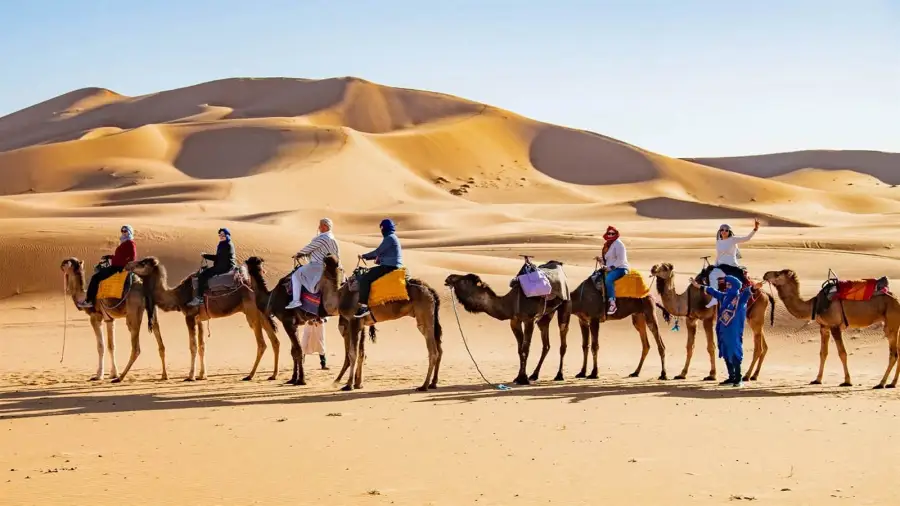
Also loved by solo travellers
Add Morocco to your list
Planning solo travel in Morocco? Best time to go, visa basics, budget per day, safety tips for women, packing list and 5 to 14-day itineraries.

Travel solo. Explore together.
Thinking about Turkey with a group?
Ask us anything about travelling solo with a group, or tell us your dates. When a real group trip matches, we will let you know – no spam, no invented offers.
- 1Tell us the country and monthOr just ask a question – packing, safety, budget.
- 2Get an honest answer by emailFrom people who plan group trips, not a robot.
- 3Join a real departure – or notYou only book when a date suits you. Book now, pay later.