What to expect on a food and culture group trip
Food and culture trips usually move at a gentler pace than adventure trips, with more time in each town and a focus on experiences rather than covering distance. A typical trip might mix guided visits to historic sites with time in markets, workshops and kitchens.
Common activities
- Market visits with a guide who explains local ingredients and how they are used.
- Cooking classes in a home, a school or a guesthouse kitchen.
- Street food walks in cities known for eating out.
- Visits to producers such as olive oil mills, tea plantations, vineyards or cheese makers.
- Craft workshops in pottery, weaving, calligraphy or similar local traditions.
- Historic and religious sites explained by local guides.
Some trips are mainly about food, with a tasting at almost every stop. Others are broader cultural tours with a few food experiences. Read the itinerary to see the balance. If eating is the main reason you travel, look for trips that list specific classes, tastings and market visits rather than vague mentions of local cuisine.
Cultural trips also often include time with local people: a meal in a family home, a visit to a craft cooperative or a walk with a guide who grew up in the area. These moments are often the most memorable, so look for itineraries that include them.
Why a group works well for food lovers travelling solo
Eating alone every night can be one of the harder parts of solo travel. In many countries, the best meals are shared plates, family-style dishes or long tables where food keeps arriving. A group makes those meals possible.
- Shared dishes: Spanish tapas, Greek meze, Turkish meze, Jordanian mezze and Vietnamese family meals all work best with several people.
- Access: home cooking classes, small family producers and local kitchens are easier to arrange through a guide.
- Understanding: a guide can explain what you are eating, how it is made and the customs around it.
- Confidence with street food: a local guide knows which stalls are popular and busy.
Eating out on your own time
Most food trips include free evenings. After a few days of guided eating, you will often feel confident enough to try places alone or with new friends from the group. Ask your guide for suggestions – they usually know where locals eat.
Food is also a natural way to start conversations. Comparing favourite dishes, sharing a plate or trying something unusual together breaks the ice quickly, which makes the first days of a group trip easier.
Dietary needs, allergies and food safety
Food trips can still work well if you are vegetarian, vegan, gluten-free or have allergies, but planning is essential.
Before you book
- Tell the organiser about any dietary requirement or allergy in writing.
- Ask how they handle it in cooking classes, tastings and included meals.
- Ask whether the local cuisine is naturally suited to your diet. Some countries have long vegetarian traditions, while in others meat or fish stock is used in many dishes.
On the trip
- Carry a card in the local language explaining your allergy or diet.
- Bring any medication you need, such as antihistamines or an adrenaline auto-injector if prescribed.
- Remind the guide before each food activity.
Stomach care
Upset stomachs are common when travelling, whatever the country. Wash or sanitise hands before eating, choose busy places with high turnover, and follow local advice about tap water. Pack oral rehydration salts and ask a pharmacist or doctor before you go about anything else to carry. Pacing yourself helps too – tasting menus every day can be a lot for any stomach.
If your needs are complex, such as a severe allergy or a medical diet, ask the organiser how they handle meals in remote areas and small villages, where options may be limited.
Culture, etiquette and respectful travel
Cultural trips go best when you understand a few local customs. Your guide will help, but a little reading before you go makes a big difference.
- Dress: many religious sites ask visitors to cover shoulders and knees, and some ask women to cover their hair. A light scarf is useful in many countries.
- Photography: always ask before photographing people, especially in markets, homes and religious places.
- Eating customs: in some countries food is eaten with the right hand, in others chopsticks have their own etiquette. Watch your hosts and follow their lead.
- Religious calendars: during Ramadan in countries such as Morocco, Egypt, Jordan and Turkey, opening hours and daily rhythms change. It can be a rewarding time to visit if you are respectful.
- Tipping: customs vary widely, from expected in some countries to unusual in others such as Japan. Ask your guide.
Travelling responsibly
Look for trips that use local guides, family-run restaurants and small producers. Buying crafts directly from makers and eating in local places helps more of your money stay in the community.
Learning a few words of the local language – hello, please, thank you and delicious – is appreciated almost everywhere and often leads to warmer conversations in markets and restaurants.
How much do food and culture group trips cost?
Food and culture trips often include more meals and paid experiences than standard tours, which can raise the headline price but reduce what you spend on the ground. As a general guide, excluding flights:
- Trips in South-East Asia, North Africa or the Middle East: usually the lower-priced options
- Trips in Southern Europe or Turkey: usually more expensive
- Trips in Japan or premium food-focused trips: often the most expensive
Prices vary a lot – check current prices and exactly which meals and classes are included before you go.
Questions to ask
- How many meals are included, and which ones?
- Are drinks, including wine tastings, included?
- How many cooking classes or food walks are there?
- Are entry fees for museums and historic sites included?
- Is there a single supplement?
Comparing trips by what is included, not only by price, gives a fairer picture.
If you plan to buy food products to bring home, check your own country's import rules first. Many countries restrict meat, dairy and some plant products, even in sealed packaging.
How to choose a food and culture trip
Many trips mention food and culture, so it helps to know what to compare.
- Number of food experiences: count the cooking classes, market walks and tastings actually listed in the itinerary.
- Hands-on or watching: some classes let you cook, others are demonstrations.
- Group size: cooking classes and home visits work best with smaller groups.
- Pace: two or three nights in each place give more time for markets and slow meals.
- Regional focus: a trip focused on one region often goes deeper into its food than a whole-country tour.
- Free time: evenings and afternoons to explore on your own let you try places that are not in the plan.
Matching the trip to your interests
If you love history as much as food, look for trips that combine guided visits to major sites with market and kitchen time, such as a route through Italian cities or historic Moroccan medinas. If you mostly want to eat, a shorter trip focused on one city or region can be ideal, such as a street-food-focused journey through Vietnam or a few days in Japan's food markets.
Read independent reviews from sites you trust, and ask the organiser about anything that matters to you, from wine tastings to vegetarian cooking options.
Timing your trip around seasons and festivals
Food changes with the seasons, so the time of year shapes what you eat. Harvests, markets and festivals can make a trip more memorable, while very hot months can make long market walks tiring.
- Spring and autumn are often comfortable for walking food tours in Mediterranean and Middle Eastern countries.
- Harvest seasons bring olive, grape and other harvests in parts of Southern Europe, usually in autumn.
- Festivals can be a highlight, but they also mean crowds and higher prices. Book early if a trip is timed around a major event.
- Religious holidays can close some sites and restaurants or change opening hours.
Each country guide on this site includes a month-by-month overview to help you choose. If a particular festival or harvest is important to you, check its dates for the year you travel, as many follow lunar or local calendars and move each year.
Weather matters too. A food walk in hot midday sun is much less enjoyable than one in the cool of the morning or evening, so look at typical temperatures for the months you are considering.
Countries that suit this style
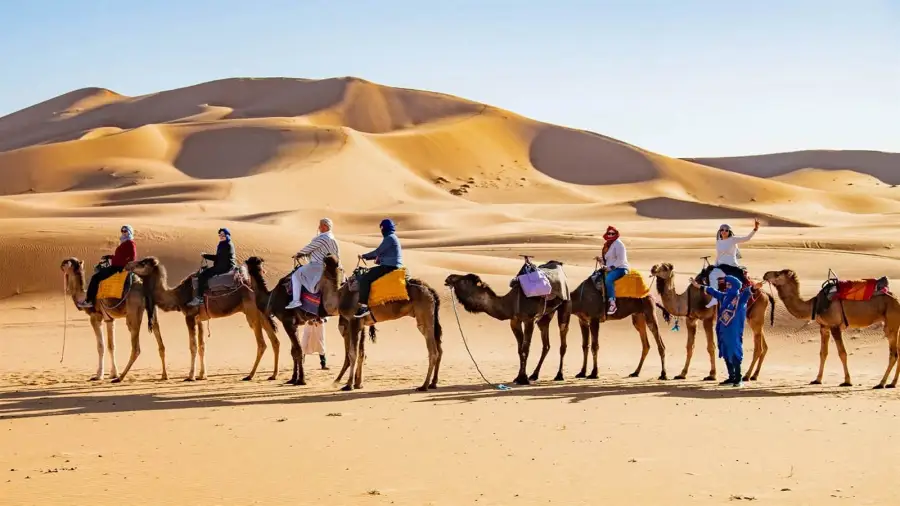 MoroccoSpice markets, tagines, mint tea and cooking classes in riads, combined with medinas and crafts such as pottery and weaving.
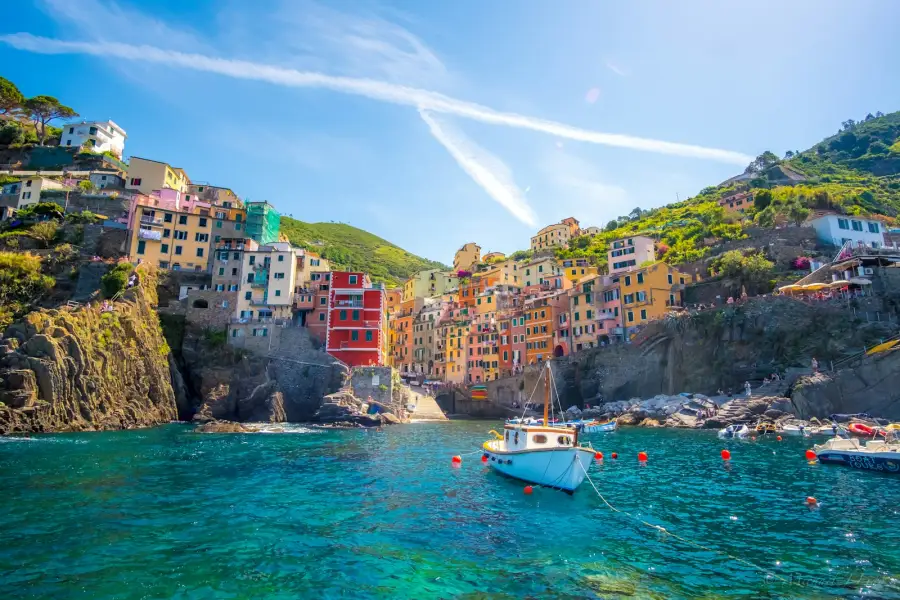 ItalyEvery region has its own dishes, from pasta and cheese to seafood, and cooking classes and market visits are easy to combine with historic cities.
 JapanFood culture runs from street stalls to traditional multi-course meals, alongside temples, crafts and seasonal festivals.
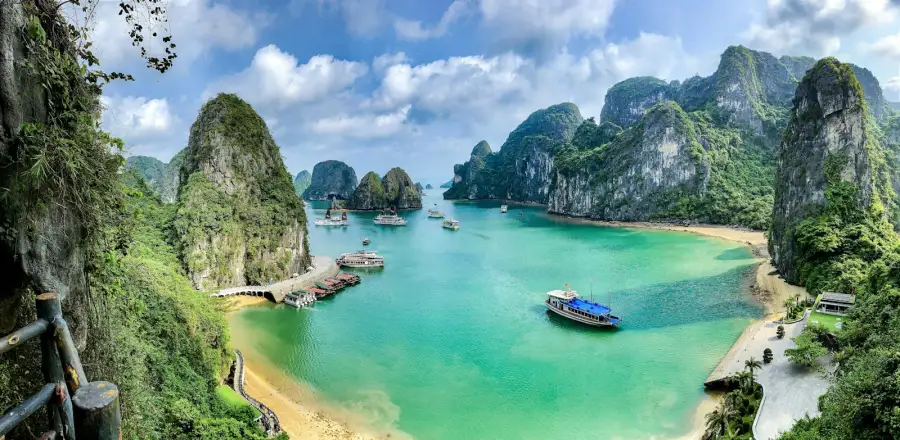 VietnamStreet food, markets and regional dishes change from north to south, and many meals are made for sharing.
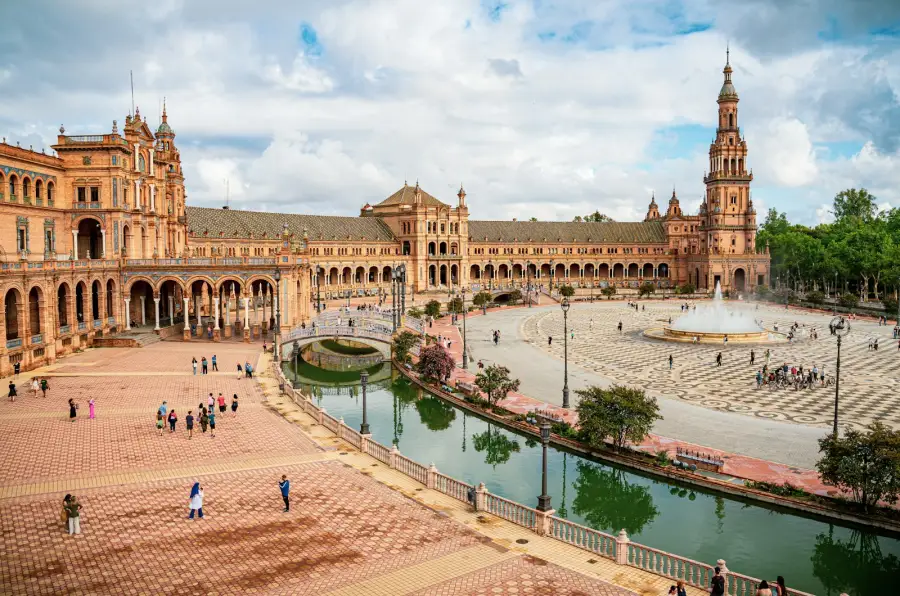 SpainTapas, markets and late shared dinners suit groups well, with strong regional differences between areas such as Andalusia and the Basque Country.
 TurkeyMeze, bazaars and a long history connecting Europe and Asia make Istanbul and the regions beyond rewarding for curious eaters.
Questions people ask
What is included on a food and culture group trip?
Usually accommodation, transport, a guide, some meals and food experiences such as cooking classes or market walks. The number of included meals varies a lot, so check the inclusions list carefully.
Can vegetarians join food tours?
Often yes. Tell the organiser when you book and ask how they handle cooking classes and tastings. Some cuisines adapt easily, while others rely on meat or fish stock, so ask about the specific country.
Which countries are best for food-focused solo travel?
Italy, Japan, Vietnam, Spain, Morocco and Turkey are popular choices because food is central to daily life and many dishes are shared. The best choice depends on what you like to eat and your budget.
Are food and culture trips very active?
They are usually gentler than adventure trips, but you can still walk a lot in markets and old towns, often on uneven streets. Check the daily walking estimate.
How do I avoid getting ill from food abroad?
Eat at busy places, wash or sanitise your hands, follow local advice about water and pace yourself. Carry oral rehydration salts and ask a pharmacist or doctor about anything else to bring.
Is it worth timing a trip around a food festival?
It can be a highlight, but festivals bring crowds and higher prices. Many festival dates change every year, so check them for your travel year and book early.
Do I need to tip on food tours?
Tipping customs vary by country. In some places tipping guides and drivers is expected, in others such as Japan it is unusual. Your trip notes or guide can give local advice.
Are food tours good for solo travellers?
Yes, food tours and food-focused group trips suit solo travellers well, because sharing dishes and cooking together makes conversation easy. In many cuisines, eating as a group also lets you taste more dishes than you could order alone. They are usually gentler than adventure trips.
What is a culinary group tour?
It is a group trip where food is a main focus, with market visits, cooking classes, street food walks and visits to producers such as olive oil mills, tea plantations or vineyards. Many also include historic sites and time with local people. Some are mainly about food, while others are broader cultural tours.
Is a cooking holiday a good idea for a woman travelling alone?
It can be a relaxed, sociable choice, as classes, market walks and shared meals bring you into contact with others naturally. Cultural trips sometimes include meals in family homes or visits to craft cooperatives. Read the itinerary to see the balance of food, culture and free time.
How much do food and culture group trips cost?
Excluding flights, trips in South-East Asia, North Africa or the Middle East are usually the lower-priced options, trips in Southern Europe or Turkey cost more, and trips in Japan or premium food trips are often the most expensive. More included meals can mean less spending on the ground. Check current prices.
Can people with food allergies join food tours?
Often yes, but plan carefully. Tell the organiser in writing when you book, ask how they handle cooking classes and tastings, and carry a card in the local language explaining your allergy. Bring any medication you need, such as antihistamines or a prescribed adrenaline auto-injector.
What kind of cultural activities are on a culture group tour?
Typical activities include guided visits to historic and religious sites, craft workshops in pottery, weaving or calligraphy, market walks and meals with local families. These encounters with local people are often the most memorable part. Look for itineraries that list them specifically.
Should I time a food trip around a festival?
A festival can be a highlight, but it brings crowds and higher prices. Many festival dates change every year, so check them for your travel year and book early. Harvest seasons can also shape what you eat.
How do I respect local etiquette on a cultural trip?
Learn the basics of greetings, dress, dining customs and tipping before you go, and ask before photographing people. Dress modestly at religious sites, often covering shoulders and knees. Your guide can explain local customs as you go.
Can I bring food souvenirs home from a food tour?
Check your own country's import rules first. Many countries restrict meat, dairy and some plant products, even in sealed packaging. Packaged dry goods are often easier, but rules vary.
What questions should I ask before booking a food tour?
Ask how many meals are included and which ones, whether drinks and tastings are included, how many cooking classes or food walks there are, and whether entry fees are covered. Ask about any single supplement too. Comparing by inclusions gives a fairer picture than price alone.
Are vegan travellers welcome on food and culture trips?
Often yes, but it depends a lot on the cuisine. Some countries have long vegetarian traditions, while others use meat or fish stock in many dishes. Ask the organiser how they handle vegan meals in classes, tastings and remote areas.
People also search for
food tours for solo travellers culinary group tours food and culture group trips cooking holidays for solo travellers solo female food travel food focused group tours cultural tours for solo travellers best countries for food travel vegetarian food tours abroad food festival trips cooking class holidays culture tours for women travelling alone