Solo travel in Italy – a complete guide for joining a group
Italy rewards solo travellers with art, history, food and scenery packed closely together. Fast trains link Rome, Florence, Bologna, Venice and Milan, so you can see several cities in a week without a car. Smaller places, from the Tuscan hill towns to the villages of the Dolomites and the coast of Puglia, show a slower, more local side of the country.
A group trip helps because many of Italy's best experiences are shared: long dinners, wine tastings in the countryside, cooking classes and boat days on the coast. A group also takes care of timed museum tickets, rural transport and summer crowds, which can be tiring to manage alone.
How to get to Italy from the USA, UK, Canada, Australia…
Information checked: October 2026 · how we check
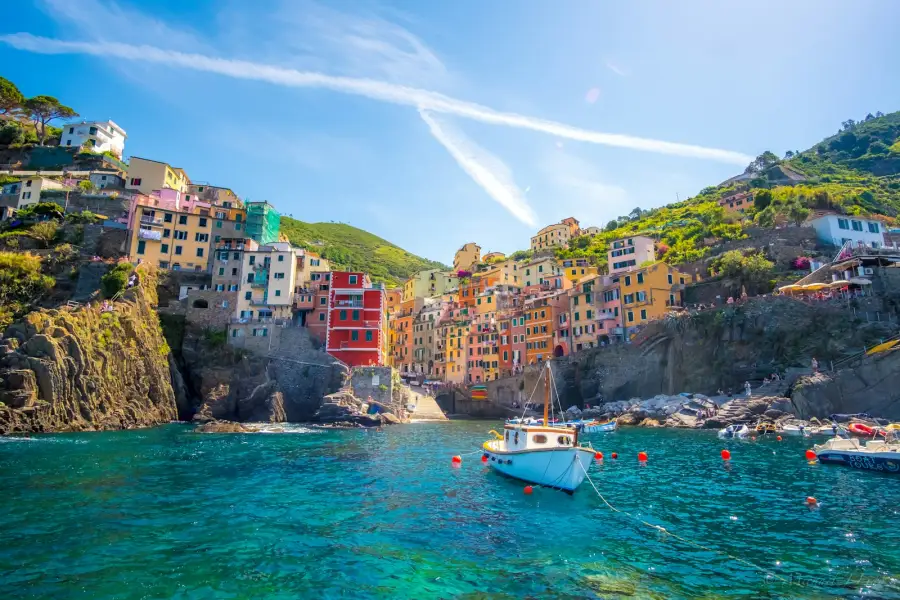
Places to visit in Italy as a solo traveller
A full guide for each: what to see, where to stay, safety and how many days.
Italy month by month
Typical weather and what each month is like for a group trip. Every year is different – check the forecast before you go.
Quiet museums and low prices; skiing in the Alps and Dolomites.
Venice Carnival brings masks and crowds; book well ahead if you go.
Spring begins and city sightseeing is comfortable; some coastal hotels still closed.
Lovely weather and blossoms, but Easter week is very busy, especially in Rome.
One of the best months for Tuscany, Cinque Terre and the Amalfi Coast.
Long days and warm seas; crowds and prices start to climb.
Hot and crowded in cities; the Dolomites and lakes are cooler. Palio di Siena on 2 July.
Peak Italian holidays around Ferragosto (15 August); coasts packed, some city shops close.
Warm sea, grape harvest and fewer families; a favourite month for many.
Golden light in Tuscany and Piedmont, truffle and food festivals; more rain.
Rainy but quiet and cheaper; Venice can see acqua alta (high water).
Christmas markets in the north, nativity scenes in Naples and festive lights.
Great timeMixedTough (heat, rain or crowds)
Solo travel in Italy: the guide
Why join a group trip in Italy as a solo traveller
Italy is easy to explore alone along the main rail line between Rome, Florence and Venice. Away from that route, planning gets more complicated. A group trip can make the difference between seeing a region and really enjoying it.
Countryside and coast
Tuscany's hill towns, such as Siena, San Gimignano, Montepulciano and Pienza, are linked by slow buses or winding roads. Wine estates in the Chianti and Val d'Orcia are spread out, and tastings are hard to reach without driving. The Amalfi Coast has crowded buses in summer, and the Dolomites need careful planning of cable cars and huts. Sicily and Puglia are large, and public transport between smaller towns can be limited. A small group with its own transport solves much of this.
Food is a shared pleasure
Italian meals are social and come in courses: antipasto, primo (pasta or risotto), secondo (meat or fish) and dolce. Sharing a table with others means you can try more dishes and stay longer over wine. Cooking classes, market visits and agriturismo dinners (farm stays) are also more fun with a group.
Less queueing, more seeing
Italy's famous sights, including the Colosseum, the Vatican Museums, the Uffizi and Leonardo's Last Supper in Milan, use timed tickets that can sell out. A group trip normally deals with bookings, and a local guide brings history to life in places like Pompeii and the Roman Forum.
What to check before you book
- Group size and how much free time is included.
- Which entry tickets and guided visits are covered.
- Single room supplements or room sharing options.
- Walking level – Italian towns have many steps and hills.
- The season, as July and August are hot and crowded.
Many solo travellers spend a few days independently in Rome or Florence and join a group for Tuscany, the south or the mountains.
Best time to visit Italy
The best time to visit Italy is usually April to June and September to October. Temperatures are pleasant, the landscape is at its best and crowds are more manageable than in midsummer. Italy is long, though, so the climate varies a lot from the Alps to Sicily.
Spring
April and May are ideal for city sightseeing in Rome, Florence and Venice, and for walking in Tuscany and the Cinque Terre. Easter is a major event, especially in Rome and the Vatican, and many Italians travel over the holiday, so book early. By June the sea is warm enough for swimming in the south, and the coast starts filling up.
Summer
July and August are hot, often above 30°C in Rome, Florence and the south, and the biggest sights are very crowded. Ferragosto on 15 August is the heart of the Italian holiday season: beaches are packed and some family-run shops and restaurants in cities close for part of August. Summer is the best season for the Dolomites, the Italian lakes and hiking in the Alps, where it is cooler. The Palio di Siena horse race is held on 2 July and 16 August.
Autumn
September is warm with a pleasant sea, and harvest time in wine regions such as Tuscany, Piedmont and Umbria. October brings golden colours, truffle season in Piedmont and food festivals (sagre) in many towns, but also more rain. From late autumn, Venice can experience acqua alta, high tides that flood low parts of the city.
Winter
Winter is cold and often damp in the north, and milder in the south and Sicily, usually around 12–15°C during the day. It is a good season for museums, opera and quiet city breaks at lower prices, and for skiing in the Alps and Dolomites. Venice Carnival takes place in the weeks before Lent, usually in February. Many hotels on the Amalfi Coast and islands close in winter.
What to pack for Italy
A good Italy packing list combines comfortable shoes for long days of walking with clothes that are respectful in churches and smart enough for dinner. Italians tend to dress well, even casually, so neat clothes help you blend in.
Clothing
- Comfortable, broken-in walking shoes – you may walk 15–20 km a day on cobbles, stairs and hills.
- Clothes that cover shoulders and knees – required in St Peter's Basilica, the Vatican, many cathedrals and churches. A light scarf or shawl works for warm days.
- Light, breathable layers for hot summer days, and a warm jumper for evenings in spring and autumn.
- Waterproof jacket from October to April, and for the mountains in any season.
- Smart-casual evening outfit for dinner or the opera.
- Swimwear and sandals for the coast, lakes and islands.
Practical items
- Plug adapter – Italy uses type C and F, and also type L (three round pins in a line). A universal adapter is safest.
- Reusable water bottle – Rome and many towns have public drinking fountains with free drinking water.
- Sunscreen, sunglasses and a hat from spring to autumn.
- A zipped cross-body bag for crowded areas and public transport.
- Some cash for small cafés, markets and rural areas.
- Hiking boots and layers if you plan the Dolomites, Cinque Terre trails or Mount Etna.
- Phone with offline maps and saved ticket confirmations.
Pack light. Many Italian towns have stairs instead of lifts, and on the Amalfi Coast or in Venice you will often carry your bag over bridges and steps.
Italy visa and entry requirements
Italy is a member of the European Union and the Schengen area. Entry rules depend on your nationality and can change, so always check your government's travel advice and official EU information before you travel.
Short stays without a visa
EU and EEA citizens and Swiss nationals can enter Italy with a valid passport or national ID card. Many other nationalities, including UK, US, Canadian, Australian and New Zealand passport holders, can usually visit the Schengen area visa-free for up to 90 days in any 180-day period. This limit applies to all Schengen countries combined, so days in Spain, France, Switzerland or Austria count too. Other nationalities may need a Schengen visa – check with the Italian embassy or consulate in your country.
Passport validity
Schengen rules for visa-free visitors generally require a passport issued within the past 10 years and valid for at least three months after you plan to leave the Schengen area. Check your own government's advice for any additional requirements.
Entry/Exit System (EES)
The EU Entry/Exit System has been introduced in phases since October 2025. When non-EU short-stay travellers cross an external Schengen border, it records passport details, fingerprints and a facial image, and then tracks entries and exits digitally, replacing passport stamps over time. Your first entry may take longer, so allow extra time at the airport.
ETIAS
ETIAS is a planned online travel authorisation for visa-exempt travellers to Schengen countries. It is not a visa. Its start date has been postponed several times, so check the official EU site travel-europe.europa.eu for current timing, fees and how to apply, and avoid unofficial sites that add charges.
Local registration and taxes
Hotels and other accommodation in Italy record guests' identity documents, so have your passport ready at check-in. Most Italian cities also charge a tourist tax (tassa di soggiorno) per person per night.
Official sources
- UK: gov.uk/foreign-travel-advice/italy
- US: travel.state.gov
- Australia: smartraveller.gov.au
- EES and ETIAS: travel-europe.europa.eu
How much does a trip to Italy cost?
Italy can be expensive in Venice, on the Amalfi Coast, around Lake Como and in central Rome or Florence, but much cheaper in the south, Sicily and smaller towns. All prices are approximate 2026 ranges in euros – check current prices before you go.
Italy budget per day
- Budget: around €55–80 per day. Hostel dorm, coffee and pastry at a bar for breakfast, pizza or pasta for lunch, regional trains and free sights such as piazzas, churches and fountains.
- Mid-range: around €120–190 per day. Private room in a hotel or B&B, restaurant meals, major museums, an occasional high-speed train and a guided tour.
- Comfortable: €250+ per day. Boutique hotels, private guides and dining in popular coastal areas, especially in summer.
Understanding the bill
Many restaurants add a coperto (cover charge) per person, which covers bread and table service. Some also add a servizio (service charge), especially in tourist areas. Both should be shown on the menu. Coffee is cheaper standing at the bar than sitting at a table, particularly in famous squares.
Solo traveller costs
Single rooms in Italy are sometimes available at a lower price than doubles, especially in older family-run hotels, but they are often small. Hostels in Rome, Florence, Venice, Milan, Bologna and Naples are a good way to save and meet people. On group trips, ask about single supplements.
Ways to save
- Eat a pizza al taglio (by the slice) or a panino for lunch.
- Enjoy aperitivo in the early evening, when many bars serve snacks with a drink.
- Book high-speed trains early for lower fares; regional trains have fixed prices.
- Many state museums offer free entry on certain days – check official museum websites.
- Stay outside the most famous areas, such as in Mestre for Venice or Sorrento for the Amalfi Coast.
Is Italy safe for solo and female travellers?
Italy is generally considered safe for solo travellers, including women travelling alone. Serious crime against tourists is uncommon. Petty theft and tourist scams are the main things to watch for.
Pickpocketing and scams
Pickpockets are active in crowded places such as Rome's metro and buses, around Termini station, the Trevi Fountain and the Colosseum, Florence's centre, Venice's busy bridges and the Naples train station area.
- Wear your bag across your body and keep it zipped.
- Be careful with people offering friendship bracelets, roses or help with ticket machines and luggage.
- Check menus and prices before you order in very touristy areas.
- Use official taxis from ranks or booked through an app, and ask for a meter or agreed fare.
Tips for women travelling alone
Many women enjoy solo travel in Italy. Some may experience unwanted attention, such as comments or persistent conversation. A firm, clear no and walking away is usually enough. At night, stick to busy, well-lit streets, plan your route back to your accommodation and choose places with good reviews from other solo travellers. Watch your drink in bars and nightlife areas.
Trains and transport
Night trains and late regional trains are usually fine, but keep your luggage close and lock it if possible. On regional trains, validate paper tickets before boarding to avoid fines – inspectors are strict.
Nature and heat
Summer heatwaves can be dangerous, especially in cities and the south. Drink water, rest in the hottest hours and follow local heat warnings. In the mountains, check weather forecasts and trail status; some popular coastal paths, such as parts of the Cinque Terre, have closures or entry fees. Italy has active volcanoes like Etna and Stromboli, so follow official access rules.
Emergencies
Call 112 for emergencies. Report thefts to the police (carabinieri or polizia) for an insurance report, and check your government's travel advice before you go.
Getting around Italy
Italy's train network is the easiest way to travel between cities, and high-speed trains are fast, comfortable and frequent.
Trains
Trenitalia is the state rail company. Its Frecciarossa high-speed trains connect Turin, Milan, Venice, Bologna, Florence, Rome and Naples, with Rome to Florence taking around an hour and a half. A private high-speed operator also runs on the main routes. Fares for high-speed trains vary with demand, so book early. Regional trains (regionale) are slower but cheap, with fixed prices; they reach smaller towns such as Lucca, Pisa, Siena, Verona and the Cinque Terre villages. Paper regional tickets must be validated in the machines on the platform before boarding.
Buses
Buses are useful where trains do not go: Tuscany's hill towns, the Amalfi Coast and many parts of Sicily, Sardinia and Puglia. Rural buses can be infrequent, especially on Sundays and holidays, so check timetables in advance.
City transport
- Rome has a metro, trams and buses, but the historic centre is best on foot.
- Milan has an extensive metro and trams.
- Venice has no cars: travel on foot or by vaporetto (water bus). Day passes are better value than single tickets.
- Naples has a metro and funiculars, and the Circumvesuviana train to Pompeii and Sorrento.
Ferries
Ferries connect the mainland with Sicily, Sardinia, Capri, Ischia, the Aeolian Islands and others. On the Amalfi Coast and lakes such as Como and Garda, boats are often the most pleasant way to get around in season.
Driving
Italy drives on the right. A car is useful in Tuscany, Umbria, Puglia, Sicily and the Dolomites. Most historic centres have ZTL zones (limited traffic areas) with cameras, and driving in without permission leads to fines. Park outside the centre and walk in. Motorways (autostrade) have tolls.
Culture, etiquette and food
Italy is a country of strong regional identities. People often feel as much Tuscan, Sicilian or Venetian as Italian, and each region is proud of its own food, dialect and traditions.
Etiquette
- Greet people with buongiorno in the morning and buonasera from late afternoon. Say grazie (thank you) and per favore (please).
- Cover shoulders and knees in churches, and keep quiet during services.
- Do not sit on monument steps or eat in some protected areas – cities such as Rome, Florence and Venice have rules and can fine visitors.
- Cappuccino is usually a breakfast drink; after a meal, Italians tend to drink an espresso (un caffè).
- Lunch is often around 13:00 and dinner from 19:30 or 20:00, later in the south.
What to eat, region by region
- Rome: carbonara, cacio e pepe, amatriciana and supplì (fried rice balls).
- Naples: the birthplace of pizza, plus sfogliatella pastries.
- Bologna and Emilia-Romagna: tagliatelle al ragù, tortellini, Parmigiano Reggiano and Parma ham.
- Florence and Tuscany: bistecca alla fiorentina, ribollita soup and pecorino cheese.
- Liguria: pesto alla genovese and focaccia.
- Milan and the north: risotto alla milanese and polenta.
- Sicily: arancini, pasta alla norma and cannoli.
- Puglia: orecchiette pasta and burrata.
And everywhere: gelato. Look for shops where the colours look natural and the gelato is kept in covered tubs.
Aperitivo and wine
The aperitivo is an early-evening ritual: a drink, often a spritz, a Negroni or a glass of wine, with snacks. It is an easy, sociable time for solo travellers to sit at a bar. Italy has many wine regions: Chianti and Brunello in Tuscany, Barolo in Piedmont, Prosecco in the Veneto and Nero d'Avola in Sicily, among many others.
Meeting other travellers in Italy
Italy attracts travellers from all over the world, and there are plenty of ways to meet people if you are travelling solo.
Hostels and B&Bs
Rome, Florence, Milan, Venice (and nearby Mestre), Bologna and Naples have social hostels with bars, terraces and organised events such as pasta nights and pub crawls. In smaller towns, family-run B&Bs and agriturismi often serve breakfast or dinner at a shared table, which makes it easy to talk with other guests and the hosts.
Activities that bring people together
- Walking tours in Rome, Florence, Venice and Naples.
- Cooking classes – making fresh pasta in Bologna, pizza in Naples or Tuscan dishes in a farmhouse kitchen.
- Food and market tours in Bologna, Palermo or Rome.
- Wine tastings in Chianti, Montalcino or the Langhe hills of Piedmont.
- Hiking in the Dolomites, where mountain huts (rifugi) offer shared tables and a friendly atmosphere, and on the Path of the Gods above the Amalfi Coast.
- Language classes – short Italian courses in Florence, Rome, Siena or Bologna attract learners of all ages.
Aperitivo hour
The early-evening aperitivo is an easy, low-pressure time to be out alone. Sitting at a bar counter or a terrace in a lively piazza often leads to conversation with locals and other travellers.
Joining a group
If you would like company from the start, a small group trip is the simplest way to share Italy with others. You get people to enjoy long dinners, wine tastings and coastal days with, and the logistics of tickets, ferries and rural transport are handled. Many solo travellers mix a group trip through Tuscany, the south or Sicily with independent days in Rome or Florence.
Italy packing list
- Well broken-in walking shoes for cobbles, hills and stairs
- Scarf or shawl to cover shoulders in churches
- Trousers, long skirt or knee-length shorts for religious sites
- Light, breathable clothing for hot summers
- Warm jumper and waterproof jacket for spring, autumn and the mountains
- Smart-casual outfit for dinner or the opera
- Universal plug adapter for type C, F and L sockets
- Reusable water bottle for public drinking fountains
- High-factor sunscreen, sunglasses and a sun hat
- Zipped cross-body bag for crowds and public transport
- Swimwear and sandals for the coast, islands and lakes
- Hiking boots and layers for the Dolomites or Cinque Terre trails
- Some euro cash for cafés, markets and small towns
- Small packable bag for carrying luggage up stairs and over bridges
- Copies of your passport and travel insurance details
The general list for any trip: solo travel packing list.
Typical costs in Italy
| What | Basic | Mid-range |
|---|---|---|
| Hostel dorm bed | €25–45 | €90–160 (private double in a hotel or B&B) |
| Espresso or cappuccino at the bar | €1.20–2 | €3–6 (seated in a tourist square) |
| Pizza or pasta lunch | €8–14 | €15–25 |
| Dinner with wine | €15–25 | €35–60 |
| City metro or bus ticket | €1.50–2.20 | €8–10 (Venice vaporetto single ride) |
| High-speed train Rome–Florence | €20–35 (booked early) | €40–60 |
| Major museum or site entry | €15–25 | €40–70 (with guide) |
| Aperitivo drink with snacks | €6–10 | €12–20 |
| Cooking class | €40–70 | €80–150 |
Approximate prices for 2026 in euros. Prices change – check before you go. More: how to budget a solo trip.
Italy itineraries: 5, 7, 10 and 14 days
Routes that work for a first visit – on your own or as the shape of a group trip.
Italy in 5 days: Rome and Florence
Rome – Florence
- Day 1Arrive in Rome
Walk past the Pantheon, Piazza Navona and the Trevi Fountain, with dinner in Trastevere.
- Day 2Ancient Rome
The Colosseum, Roman Forum and Palatine Hill with a timed ticket.
- Day 3Vatican and train to Florence
Morning at the Vatican Museums and St Peter's, then a high-speed train north.
- Day 4Florence
The Duomo, the Uffizi and sunset from Piazzale Michelangelo.
- Day 5Florence markets and departure
Visit the Mercato Centrale and the Oltrarno artisans before leaving.
Italy in 7 days: Rome, Florence and Venice
Rome – Florence – Venice
- Days 1–3Rome
Ancient sites, the Vatican and lively neighbourhoods like Trastevere and Monti.
- Days 4–5Florence and Tuscany
Renaissance art in the city and a day trip to Siena or the Chianti hills.
- Days 6–7Venice
Canals, St Mark's Square, a vaporetto ride and quieter areas like Cannaregio, then fly home.
Italy in 10 days: cities, Tuscany and the coast
Venice – Bologna – Florence – Cinque Terre – Rome
- Days 1–2Venice
St Mark's, the Grand Canal and a trip to the islands of Murano or Burano.
- Day 3Bologna
Arcades, towers and some of Italy's best food.
- Days 4–5Florence
Art, markets and Tuscan cooking.
- Day 6Siena or Val d'Orcia
Hill towns, vineyards and countryside views.
- Day 7Cinque Terre
Colourful villages linked by trains, boats and coastal paths (check trail status).
- Days 8–10Rome
Finish with ancient Rome, the Vatican and long dinners before flying home.
Italy in 2 weeks: from the north to the south
Milan – Venice – Florence – Rome – Naples – Amalfi Coast
- Days 1–2Milan and Lake Como
The Duomo and Last Supper (book ahead), then a day by the lake.
- Days 3–4Venice
Canals, islands and cicchetti (Venetian bar snacks).
- Days 5–7Florence and Tuscany
Renaissance art plus a day among hill towns and vineyards.
- Days 8–10Rome
Colosseum, Vatican and neighbourhood food.
- Day 11Naples and Pompeii
Pizza in its home city and the ruins of Pompeii.
- Days 12–14Amalfi Coast
Positano, Amalfi and Ravello by bus or boat, with a hike on the Path of the Gods, then fly home from Naples.
Where to go in Italy
Ancient history, the Vatican and lively food neighbourhoods; easy to fill several days alone or with others.
Renaissance art in the city and hill towns, vineyards and farm stays in the countryside.
A car-free city of canals; stay overnight to enjoy it after the day crowds leave.
Five cliffside villages linked by trains and trails, plus pesto and focaccia.
Pizza, Pompeii and dramatic coastal villages, best outside the busiest summer weeks.
Spectacular mountains with hiking, cable cars and sociable mountain huts in summer.
Greek temples, Mount Etna, baroque towns and some of Italy's most distinctive food.
The heel of Italy, with whitewashed towns, trulli houses, olive groves and clear seas.
Group trips in Italy for solo travellers
We have no confirmed group departure in Italy yet. We only list real dates.
Host your own group trip to ItalyHow to choose a group tripSingle supplement explained
Solo travel in Italy: questions
Is Italy good for solo travel?
Yes. Italy has fast trains between major cities, many hostels and B&Bs, and plenty of social activities such as cooking classes and walking tours. The countryside and south are harder without a car, which is where a group trip helps.
Is Italy safe for solo female travellers?
Italy is generally considered safe for women travelling alone. Petty theft is the main risk in crowded areas, and some women report unwanted attention. A firm no is usually enough; stay in busy areas at night and check your government's travel advice.
What is the best time to visit Italy?
April to June and September to October usually offer the best balance of weather and crowds. July and August are hot and busy, but good for the Dolomites and lakes. Winter is quiet and cheaper for city breaks.
Do I need a visa for Italy?
It depends on your nationality. Many visitors, including UK, US, Canadian and Australian passport holders, can usually stay up to 90 days in 180 in the Schengen area without a visa. The EU Entry/Exit System applies to non-EU travellers, and ETIAS is planned – check travel-europe.europa.eu and your government's advice.
How much does Italy cost per day?
As an approximate 2026 guide, budget travellers spend around €55–80 a day and mid-range travellers about €120–190. Venice, the Amalfi Coast and Lake Como are more expensive; the south and Sicily are cheaper. Check current prices before you go.
How many days do I need in Italy?
Five days works for Rome and Florence, and a week adds Venice. With 10 days to two weeks you can include Tuscany, the Cinque Terre, Naples and the Amalfi Coast at a more relaxed pace.
What is the coperto on an Italian restaurant bill?
The coperto is a cover charge per person, often covering bread and table setting. It should be listed on the menu. Some restaurants also add a service charge, so tipping on top is not expected.
Do I need to validate train tickets in Italy?
Paper tickets for regional trains usually need to be validated in a machine on the platform before boarding, otherwise you may be fined. Digital tickets and high-speed tickets with a set seat and time normally do not, but check the conditions on your ticket.
What should I wear to visit churches in Italy?
Cover your shoulders and knees. This is strictly enforced at St Peter's Basilica and the Vatican, and at many cathedrals. Carrying a light scarf is an easy solution on hot days.
Italy for solo travellers, groups and women: more questions
Is Italy good for a first solo trip?
Italy is a good first solo destination, especially along the main rail line between Rome, Florence and Venice, where trains are frequent and hostels are plentiful. Serious crime against tourists is uncommon, though pickpockets are active in busy places. Away from that route, countryside and coastal areas take more planning.
Is a week enough for Italy as a solo traveller?
A week is enough for the classic trio of Rome, Florence and Venice by train. With 10 days you can add Bologna and the Cinque Terre, and with two weeks Milan, Naples and the Amalfi Coast. Five days suits Rome and Florence.
Is Italy expensive for solo travellers?
Italy is one of the pricier countries in southern Europe: roughly €55–80 a day on a budget and €120–190 a day mid-range (approximate, check before you go). You can save by drinking espresso at the bar (around €1.20–2), eating pizza or pasta for lunch and booking high-speed trains early. Hostel dorms cost around €25–45.
Where do solo travellers stay in Italy?
Rome, Florence, Milan, Venice (and nearby Mestre), Bologna and Naples have social hostels with bars, terraces and pasta nights. In smaller towns, family-run B&Bs and agriturismi (farm stays) often serve meals at a shared table, which makes it easy to talk to other guests. Choose places with good reviews from other solo travellers.
How can I meet other travellers in Italy when I'm on my own?
Walking tours, cooking classes (pasta in Bologna, pizza in Naples), food and market tours and wine tastings in Chianti or the Langhe are easy ways in. Hiking in the Dolomites puts you at shared tables in mountain huts (rifugi), and short Italian courses in Florence, Rome, Siena or Bologna attract learners of all ages. The early-evening aperitivo is a relaxed time to be out alone.
Should I join a group tour in Italy as a solo traveller?
The main cities are easy alone, but a group helps when you head to Tuscany's hill towns, the Amalfi Coast, the Dolomites, Sicily or Puglia, where buses are slow or limited. Groups also handle timed tickets for the Colosseum, Vatican Museums and Uffizi, which can sell out. And Italian meals in courses are more fun with others at the table.
What is the best group trip in Italy for solo travellers?
For a first visit, a Rome – Florence – Venice trip covers the classics. For a second visit or a slower pace, Tuscany hill-town trips (Siena, San Gimignano, Montepulciano, Pienza), Dolomites hiking trips using mountain huts, and Sicily or Puglia tours are popular. Food and wine-focused trips work well for solo travellers because every meal is shared.
How big are group tours in Italy?
It varies. Small-group trips often have somewhere around 10–16 people, which suits agriturismi and narrow hill-town streets, while coach tours can carry 40 or more. Check the maximum group size and how much free time is included.
How do I avoid the single supplement in Italy?
Ask whether the group offers room sharing with another solo traveller of the same gender. When travelling independently, look for single rooms (camera singola), which some Italian hotels and B&Bs still offer, or private rooms in hostels. Avoiding peak summer and Easter dates also helps.
Is Rome safe for women travelling alone?
Rome is generally safe for women travelling alone, and serious crime against tourists is uncommon. Pickpockets are active on the metro and buses, around Termini station, the Trevi Fountain and the Colosseum, so wear your bag across your body. Unwanted comments or persistent conversation can happen; a firm, clear no and walking away is usually enough.
What should women wear in Italy?
Smart-casual clothes fit in well in Italian cities. Pack something that covers your shoulders and knees for churches and the Vatican, and comfortable shoes for cobblestones and hill towns. For the Dolomites, bring warm and waterproof layers even in summer.
Are there women-only group tours in Italy?
Yes, some operators run women-only trips in Italy, with themes ranging from food and wine to walking and art. Many women also travel the main cities alone and join cooking classes or day tours for company. Compare group size, room arrangements and what is included.
Can a woman walk alone at night in Italy?
Many women walk around Italian city centres in the evening, as piazzas are busy until late. Stick to well-lit streets, plan your route back to your accommodation and watch your drink in bars. Night and late regional trains are usually fine, but keep your luggage close.
Can I hike the Dolomites alone or should I join a group?
Experienced hikers do walk the Dolomites alone, but it needs careful planning of cable cars, mountain huts and weather. A guided group handles hut bookings and routes and gives you company at the shared rifugio tables in the evening. If you go alone, tell your hut where you are heading and check the forecast each day.
Is Naples and the Amalfi Coast good for solo travellers?
Yes, Naples is great for food lovers and is a base for Pompeii, while the Amalfi Coast offers walks such as the Path of the Gods. Watch your belongings around Naples train station, and expect crowded buses on the Amalfi Coast in summer. A small group with its own transport makes the coast much easier to enjoy.
People also search for
solo travel italy italy solo female travel is rome safe for solo female travellers italy group tours for solo travellers italy small group tour italy itinerary 7 days solo best places in italy for solo travellers women only tours italy tuscany group tour solo italy budget per day solo italy tour no single supplement dolomites hiking group tour first solo trip italy italy tours for over 50s solo traveling in italy solo travel venice solo traveling rome solo travel dolomites
Official sources to check before you go
- UK Foreign Office travel advice: Italy
- US Department of State travel information
- Australian Government Smartraveller
- EU official site for EES and ETIAS
Entry rules, safety advice and prices change. This guide is general information, not legal or medical advice – always check your own government's travel advice.
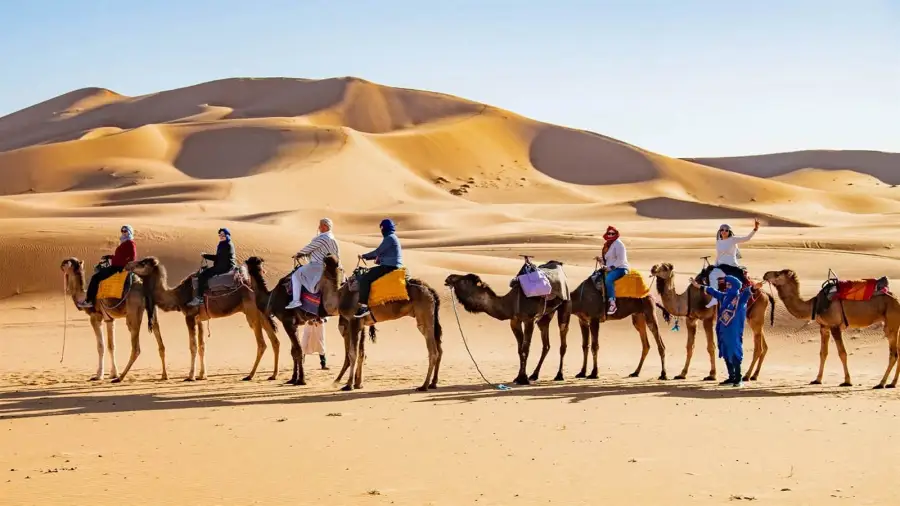
Also loved by solo travellers
Add Morocco to your list
Planning solo travel in Morocco? Best time to go, visa basics, budget per day, safety tips for women, packing list and 5 to 14-day itineraries.

Travel solo. Explore together.
Thinking about Italy with a group?
Ask us anything about travelling solo with a group, or tell us your dates. When a real group trip matches, we will let you know – no spam, no invented offers.
- 1Tell us the country and monthOr just ask a question – packing, safety, budget.
- 2Get an honest answer by emailFrom people who plan group trips, not a robot.
- 3Join a real departure – or notYou only book when a date suits you. Book now, pay later.