Solo travel in Thailand – a complete guide for joining a group
Thailand has been a favourite first solo destination for decades, and for good reason. Transport is well organised, accommodation ranges from simple beach huts to smart city hotels, tourism is a big part of daily life, and it is easy to find other travellers in Bangkok, Chiang Mai and on the islands. Thai food alone is worth the trip.
A group trip is useful if you want to cover the north and the south in one holiday without spending your time comparing ferry timetables, or if you would rather visit temples, national parks and night markets with company. It also makes island hopping and jungle trips easier to share, while leaving you free time to explore at your own pace.
How to get to Thailand from the USA, UK, Canada, Australia…
Information checked: October 2026 · how we check
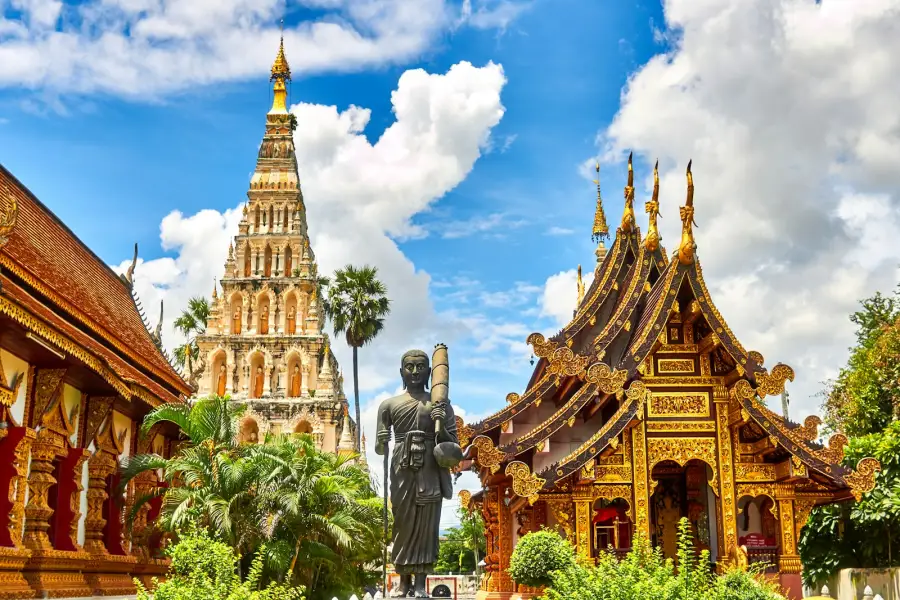
Places to visit in Thailand as a solo traveller
A full guide for each: what to see, where to stay, safety and how many days.
Thailand month by month
Typical weather and what each month is like for a group trip. Every year is different – check the forecast before you go.
Dry and comfortable in most regions; one of the busiest and most expensive months.
Still dry on the Andaman coast and the Gulf islands; book popular islands ahead.
Heat builds; northern Thailand can have smoky haze from agricultural burning.
The hottest month in many places; Songkran, the Thai New Year water festival, is usually mid-April.
Rains begin on the Andaman side; the Gulf islands such as Koh Samui are often still good.
Green season with showers, fewer visitors and lower prices; seas on the west coast can be rough.
Gulf islands are usually the better beach choice; the north is lush and rainy.
A busy summer holiday month for European visitors; Koh Samui, Koh Phangan and Koh Tao often have decent weather.
Often the wettest month in Bangkok and on the Andaman coast; some boat trips do not run.
Rains ease in the north and centre towards the end of the month; the Gulf islands start getting wetter.
Cooler and drier in the north; Loy Krathong lantern celebrations usually fall this month.
Peak season on the Andaman coast; the Gulf islands can still be rainy early in the month.
Great timeMixedTough (heat, rain or crowds)
Solo travel in Thailand: the guide
Why join a group trip in Thailand as a solo traveller
Thailand is easy to travel independently, so a group is not a necessity. It is more about how you want to spend your time and whether you would like ready-made company.
North and south in one trip
Most visitors want Bangkok, the temples and mountains of the north, and a few days on the islands. These regions are far apart, and island connections often mean a flight or train, a bus and then a ferry with fixed departure times. A group trip arranges these links, so a two-week holiday is not spent on logistics.
Shared costs on the islands
Longtail boats, private boat trips around the Phi Phi islands or Ang Thong Marine Park, and day trips into Khao Sok National Park are often priced per boat or per vehicle. Alone, you either pay more or join a large tourist boat. In a small group, shared boats become affordable and much more relaxed.
Learning the culture properly
Thailand's temples, royal history and Buddhist customs are fascinating, but easy to miss without context. A local guide explains what you see at the Grand Palace or in Ayutthaya, how to behave at a temple and what is on your plate at the night market.
Different solo styles
Thailand has a strong party reputation on some islands, which suits some travellers and not others. If you are in your 40s, 50s or 60s, or simply prefer quieter evenings, a group trip aimed at your age range or interests (food, hiking, wildlife, wellness) helps you find like-minded people rather than the loudest bar.
What to check before booking
Ask about group size, the age range, single-room options, how much time is spent in transit and how animal experiences are chosen. Look for trips that avoid elephant riding and shows, and that include free time in Bangkok and Chiang Mai.
Best time to visit Thailand
Thailand is warm all year, but rainfall varies by region. The simple rule: the Andaman coast and the Gulf of Thailand have different rainy seasons, and the north has a cool, dry season that is the most comfortable time to visit.
Cool and dry season (around November to February)
This is usually the best time for Bangkok, Chiang Mai, Chiang Rai and the Andaman coast (Phuket, Krabi, Koh Lanta, Koh Lipe). Temperatures are pleasant, around 25–32°C in the day, and nights in the northern hills can be cool. It is also peak season, so prices are higher and popular places are busy.
Hot season (around March to May)
Temperatures often rise into the high 30s°C, especially in April. Beaches are still good, and Songkran in mid-April turns cities into giant water fights. In northern Thailand, smoke from farm and forest burning can cause poor air quality in March and April; check air-quality forecasts if you have breathing problems.
Rainy or green season (around June to October)
Rain usually comes in heavy showers rather than all day. Landscapes are green, prices are lower and there are fewer visitors. The Andaman coast is wettest, with rougher seas and some boat trips cancelled, often worst around September. The Gulf islands (Koh Samui, Koh Phangan, Koh Tao) are often drier in this period.
Gulf islands timing
The Gulf islands usually get their heaviest rain from around October to December, which is the opposite pattern to the Andaman side. This makes Thailand a year-round beach destination if you choose the right coast.
Festivals worth planning around: Songkran (usually 13–15 April), Loy Krathong and the Yi Peng lantern festival in Chiang Mai (usually November, dates follow the lunar calendar). Book early if you want to attend.
What to pack for Thailand
You can buy almost anything in Thailand, often cheaply, so pack light and fill gaps when you arrive. Think heat, humidity, temples and water.
Clothes for heat and temples
Light cotton or linen clothes are most comfortable. For temples, including the Grand Palace and Wat Pho in Bangkok and Wat Phra That Doi Suthep near Chiang Mai, shoulders and knees must be covered. A light scarf or sarong and a pair of loose trousers or a long skirt solve this quickly. The Grand Palace in particular is strict about dress.
For the north
From November to February, nights in Chiang Mai, Pai and the mountains can be cool, so bring a light jumper or fleece. Comfortable walking shoes are useful for trekking and temple stairs.
For the islands
Swimwear, a quick-dry towel, reef-safe sun cream and a hat are essentials. Water shoes help on rocky beaches and coral. A dry bag protects your phone on longtail boats. If you snorkel or dive a lot, your own mask may fit better than rental ones. Cover up away from the beach; walking around town in swimwear is considered disrespectful.
Health and practical items
Pack insect repellent, a basic first-aid kit, rehydration salts and any prescription medication in its original packaging with a copy of the prescription. Thailand has strict rules on some medicines and controlled substances, so check before travelling with anything strong. Vaping devices are banned in Thailand, so leave e-cigarettes at home. A universal adapter, power bank and a refillable water bottle (many guesthouses have refill stations) are useful.
Rainy season extras
A light rain jacket or poncho, sandals that can get wet and a waterproof cover for your bag make green-season travel much easier.
Thailand visa and entry requirements
Thailand's entry rules have changed several times in recent years, including the length of visa-free stays and the introduction of new arrival procedures. Treat everything here as a general picture and check the current rules shortly before you travel.
Visa exemption
Citizens of many countries, including the UK, most EU countries, the US, Canada and Australia, have been able to enter Thailand without a visa for tourism under a visa exemption scheme. The number of days allowed has been changed more than once, and the government has discussed further changes. Do not rely on an old blog post or a friend's experience: check what applies to your passport on the date you arrive.
Digital arrival card
Thailand introduced a digital arrival card in 2025, which many visitors must complete online before arrival. Check your government's travel advice for the current requirement and use only the official Thai government system; unofficial sites may charge fees.
Tourist visas and longer stays
If you want to stay longer than the visa-free period, you may need a tourist visa from a Thai embassy or through Thailand's official e-visa system before travelling, or to apply for an extension at an immigration office in Thailand. Rules for repeated visa-free entries and border runs have tightened at times.
Other things to check
- Passport validity: usually at least six months from your arrival date.
- Immigration may ask for proof of onward travel and sufficient funds.
- Overstaying leads to fines and can result in being banned from returning.
- Travel insurance with medical cover is strongly recommended; private hospitals can be expensive.
Where to check
Use your government's travel advice (GOV.UK foreign travel advice, travel.state.gov or Smartraveller) and the Royal Thai Embassy or consulate in your country.
How much does a trip to Thailand cost?
Thailand offers good value, but costs vary a lot between regions. Bangkok and the north are generally cheaper, while popular islands such as Koh Samui, Phuket and Koh Phi Phi are noticeably more expensive. These are approximate 2026 ranges in euros; prices are paid in Thai baht (THB).
Thailand budget per day
On a backpacker budget, with hostel dorms, street food, local buses and a few paid sights, many travellers spend around €30–45 per day, a bit more on the islands. Mid-range travel, with private rooms or boutique hotels, sit-down restaurants, some tours and the occasional domestic flight, usually comes to around €65–120 per day.
Where the money goes
- Islands: accommodation and boat transfers are the main costs; prices rise sharply in December and January.
- Diving: Koh Tao is known for affordable dive courses, but an open-water course is still a significant cost.
- Domestic flights: Bangkok to Chiang Mai, Krabi or Phuket is quick and often reasonably priced if booked ahead.
- National park fees: foreign visitors usually pay higher entry fees than Thai nationals.
- Alcohol: taxed fairly heavily, so drinks can push up a budget quickly.
Saving money as a solo traveller
Eat at markets and street stalls, where meals are tasty and cheap. Use the overnight train between Bangkok and Chiang Mai to save a night's accommodation. Travel in shoulder or green season for lower room prices. Share longtail boats and drivers with other travellers or join a group.
Paying
Cards are accepted in many hotels, malls and restaurants in cities. Cash is still important for markets, street food, songthaews and small guesthouses. Thai ATMs commonly charge a fixed fee per foreign card withdrawal, so take out larger amounts less often.
All figures are approximate – check current prices before you go.
Is Thailand safe for solo and female travellers?
Thailand welcomes very large numbers of visitors and most trips are trouble-free. Many women travel alone here. The main risks are road accidents, scams, alcohol-related incidents and water safety, rather than serious crime.
Roads and scooters
Renting a scooter is popular on the islands and in Pai, but road accidents are one of the most common causes of serious injury to visitors. Roads can be steep, sandy and busy. Only ride with the right licence and a helmet, and check your insurance covers it; many policies do not if you are unlicensed.
Common scams
- A friendly stranger says a temple or the Grand Palace is closed and suggests a tuk-tuk tour, which ends at a gem or tailor shop.
- Taxis that refuse the meter: use the meter, a ride-hailing app or agree the price first.
- Jet-ski or scooter rentals that later claim damage: photograph the vehicle before you take it, and avoid handing over your passport as a deposit.
Nightlife
Full Moon parties on Koh Phangan and bar streets in Bangkok, Phuket and Koh Tao can be fun but are where many problems happen. Watch your drink, avoid shared buckets of unknown strength, stay with people you trust and arrange how you will get back to your room. Drug laws are strict and penalties can be severe.
Women travelling alone
Most women find Thailand comfortable, including at night in busy areas. Choose well-reviewed accommodation with secure rooms, take registered transport late at night and be cautious with very friendly offers of drinks or lifts. Dress modestly away from the beach and especially at temples.
Water and wildlife
Rip currents on west-coast beaches during the rainy season can be dangerous; respect red flags. Choose boat and dive operators that provide life jackets and safety briefings. Keep a distance from monkeys and stray dogs.
Laws and respect
Thailand has strict laws protecting the monarchy, and criticising the royal family can lead to prosecution. Be respectful in conversation and on social media. Check your government's travel advice, including any guidance on areas near the southern border provinces.
Getting around Thailand
Thailand has one of the most developed tourist transport networks in Southeast Asia. Combining trains, buses, flights and ferries is straightforward once you know the options.
In Bangkok
The BTS Skytrain and MRT metro are fast, cheap and air-conditioned, and avoid the heavy traffic. The Airport Rail Link connects Suvarnabhumi Airport to the city. River boats on the Chao Phraya are a scenic way to reach the Grand Palace, Wat Pho and Wat Arun. Ride-hailing apps work well; tuk-tuks are fun for short rides, but agree the price first.
Trains
State Railway of Thailand trains run north to Chiang Mai and south towards Surat Thani and Hat Yai. The overnight sleeper to Chiang Mai is a classic experience, with berths that convert from seats in the evening. Book ahead in high season; second-class sleepers sell out.
Buses and minivans
Government and private buses link almost every town; VIP buses have wider reclining seats. Minivans are quicker for shorter routes such as Chiang Mai to Pai, a very winding mountain road, so take motion-sickness tablets if you need them.
Domestic flights
Flights connect Bangkok with Chiang Mai, Chiang Rai, Phuket, Krabi, Koh Samui and other cities. Bangkok has two airports, Suvarnabhumi and Don Mueang, so check which one your flight uses.
Ferries and boats
Ferries and speedboats link the islands. Combined bus and ferry tickets are sold everywhere, for example from Bangkok to Koh Tao or Krabi to Koh Lanta. Seas are rougher in the rainy season, and some routes reduce services. Longtail boats are the usual way to reach Railay and smaller beaches.
Local transport
In Chiang Mai and many towns, red songthaews (shared pick-up trucks) run like shared taxis: tell the driver where you are going and agree the fare before getting in.
Culture, etiquette and food in Thailand
Thai culture values politeness, calm and respect, especially towards elders, monks and the monarchy. Smiling goes a long way.
Etiquette basics
- The wai, a slight bow with palms together, is the traditional greeting. Return it when someone greets you this way, but you do not need to wai children or staff in shops.
- Remove your shoes before entering temples and homes, and often small shops and guesthouses too.
- The head is considered the highest part of the body and the feet the lowest; do not touch people's heads, or point your feet at people or Buddha images.
- Women should not touch monks or hand items to them directly.
- Show respect for the royal family, including standing for the royal anthem played before films in cinemas.
- Raising your voice or showing anger in public is frowned upon.
Food to try
Thai food is regional and varied, and much of the best is sold at street stalls and night markets.
- Bangkok and central Thailand: pad kra pao (stir-fried holy basil with rice and a fried egg), tom yum soup, green curry and boat noodles.
- The north: khao soi, a curry noodle soup that is a Chiang Mai speciality, and sai oua herb sausage.
- Isan (the northeast): som tam (green papaya salad), larb and grilled chicken with sticky rice.
- The south: rich, spicy curries such as massaman and gaeng som.
- Sweets: mango sticky rice and roti pancakes from street carts.
Thai dishes balance sweet, sour, salty and spicy. If you prefer less heat, ask for mai phet (not spicy). Eating is usually with a spoon and fork, with chopsticks for noodle soups.
Animal tourism
Choose wildlife experiences carefully. Many travellers now avoid elephant riding, tiger photo spots and animal shows, and instead choose sanctuaries that allow observation only.
Meeting other travellers in Thailand
Thailand has a huge traveller scene, so meeting people is rarely difficult. The question is more about finding the kind of people you want to spend time with.
Social hostels
Bangkok (around Khao San Road, Silom and Sukhumvit), Chiang Mai's Old City, Pai, Koh Phangan, Koh Tao and Koh Lanta have hostels with bars, organised dinners and group outings. Some are party hostels; others focus on relaxed common areas and are better if you want quieter nights. Read the description carefully.
Activities that bring people together
- Cooking classes in Chiang Mai and Bangkok, often with a market visit first.
- Dive and snorkel courses on Koh Tao, where you spend several days with the same small group.
- Rock climbing at Railay and Tonsai.
- Overnight stays on the floating rafts or jungle lodges of Khao Sok National Park.
- Muay Thai training camps and yoga retreats, especially on Koh Phangan and in Chiang Mai.
Group trips
Joining a group trip is popular with people who have only two weeks, want company in the evenings, or prefer not to stay in hostels. Groups often follow a Bangkok – north – islands route, and many travellers extend their stay alone on an island afterwards.
Digital nomads and longer stays
Chiang Mai and Koh Phangan have long-standing communities of remote workers, with coworking spaces, language exchanges and meetups. These are good places to settle for a week or two and meet people beyond the backpacker scene.
Meeting Thai people
Learning a few phrases such as sawasdee (hello) and khob khun (thank you), adding krap if you are male or ka if you are female, will be warmly received. Night markets, temple fairs and local festivals are good places to experience Thai social life.
Thailand packing list
- Light, breathable cotton or linen clothes
- Sarong or scarf to cover shoulders at temples
- Loose long trousers or long skirt for the Grand Palace and temples
- Light jumper or fleece for northern nights from November to February
- Swimwear and a cover-up for walking around beach towns
- Quick-dry towel
- Reef-safe, high-factor sun cream and a hat
- Water shoes for rocky beaches and boat landings
- Slip-on sandals for temples and guesthouses
- Comfortable walking or trekking shoes
- Dry bag for longtail boats and island trips
- Insect repellent
- Light rain jacket or poncho in green season
- Prescription medicine in original packaging with a copy of the prescription
- Universal plug adapter and power bank
- Refillable water bottle
- Motion-sickness tablets for ferries and the Pai road
- Photocopy or photo of your passport and entry documents
The general list for any trip: solo travel packing list.
Typical costs in Thailand
| What | Basic | Mid-range |
|---|---|---|
| Hostel dorm bed | €8–15 | €35–80 (private room or boutique hotel) |
| Street-food meal (pad kra pao, khao soi) | €1.50–3 | €8–20 (restaurant meal) |
| Local beer | €2–3 (shop) | €3–6 (bar) |
| Bangkok BTS or MRT ride | €0.50–1.50 | €3–10 (ride-hailing car) |
| Overnight train Bangkok – Chiang Mai | €20–30 (second-class sleeper) | €35–50 (first-class cabin) |
| Island ferry or speedboat | €10–25 | €25–50 (speedboat or bus-and-boat combination) |
| Cooking class | €25–35 | €35–55 |
| Thai massage, one hour | €7–12 | €15–40 (spa) |
Approximate prices for 2026 in euros. Prices change – check before you go. More: how to budget a solo trip.
Thailand itineraries: 5, 7, 10 and 14 days
Routes that work for a first visit – on your own or as the shape of a group trip.
Thailand in 5 days: Bangkok and Ayutthaya
Bangkok – Ayutthaya – Bangkok
- Day 1Arrive in Bangkok
Settle in, take a Chao Phraya river boat and try street food in Chinatown (Yaowarat) in the evening.
- Day 2Grand Palace and temples
Visit the Grand Palace, Wat Pho with its reclining Buddha and Wat Arun across the river.
- Day 3Ayutthaya
Day trip by train or road to the ruined temples of the former royal capital, explored by bicycle.
- Day 4Markets and canals
Chatuchak weekend market or a canal (khlong) trip, then a cooking class.
- Day 5Lumphini Park and departure
Morning in the park, a Thai massage and last shopping before your flight.
Thailand in 7 days: Bangkok and Chiang Mai
Bangkok – Chiang Mai – Chiang Rai day trip – Chiang Mai
- Day 1–2Bangkok
The Grand Palace, Wat Pho, a river boat and street food in Chinatown.
- Day 3Night train or flight north
Take the overnight sleeper train or a short flight to Chiang Mai.
- Day 4Chiang Mai Old City
Temples inside the old walls, then Wat Phra That Doi Suthep on the mountain at sunset.
- Day 5Elephant sanctuary or trekking
Choose an observation-only sanctuary or a day hike in the hills.
- Day 6Chiang Rai
Day trip to the White Temple (Wat Rong Khun) and the Blue Temple.
- Day 7Cooking class and departure
A morning cooking class with a market visit, then fly back to Bangkok.
Thailand in 10 days: Bangkok, the north and Krabi
Bangkok – Chiang Mai – Krabi – Railay – Koh Lanta
- Day 1–2Bangkok
Main temples, river boats, rooftop views and night markets.
- Day 3–5Chiang Mai
Old City temples, Doi Suthep, a cooking class and a day in nature.
- Day 6Fly to Krabi
Flight south, then a longtail boat to Railay's limestone cliffs.
- Day 7Railay
Beaches, climbing or kayaking, and sunset at West Railay.
- Day 8–9Koh Lanta
A quieter island with long beaches, snorkelling trips and a relaxed pace.
- Day 10Return
Ferry and transfer back to Krabi airport for your flight.
Thailand in 2 weeks: temples, mountains and islands
Bangkok – Ayutthaya – Chiang Mai – Pai – Khao Sok – Koh Samui or Koh Phangan – Koh Tao
- Day 1–2Bangkok
The Grand Palace, Wat Pho, Chinatown and the river.
- Day 3Ayutthaya
Cycle among the ruined temples, then take the night train north.
- Day 4–6Chiang Mai
Temples, markets, a cooking class and an elephant sanctuary that allows observation only.
- Day 7–8Pai
A small mountain town with canyons, hot springs, waterfalls and a laid-back atmosphere.
- Day 9–10Khao Sok National Park
Fly south to Surat Thani for jungle walks and a night on Cheow Lan Lake.
- Day 11–12Koh Samui or Koh Phangan
Ferry to the Gulf islands for beaches, a boat trip to Ang Thong Marine Park and time to relax.
- Day 13–14Koh Tao
Snorkel or try diving, then ferry back to the mainland or Koh Samui for your flight.
Where to go in Thailand
A huge, lively capital with grand temples, river life, rooftop bars and some of the best street food in Asia.
The ruins of a former royal capital, an easy day trip from Bangkok and ideal for exploring by bicycle.
A relaxed northern city with hundreds of temples, night markets, cooking classes and a large traveller community.
A mountain area of small towns, viewpoints and hot springs, popular with backpackers and slow travellers.
Known for the striking White Temple and Blue Temple and as a base for the Golden Triangle area.
The Andaman coast's limestone cliffs, climbing, kayaking and quieter island beaches.
The Gulf islands, good when the west coast is rainy, with diving on Koh Tao and yoga or parties on Koh Phangan.
Ancient rainforest and a dramatic lake with floating raft houses, a good break between beaches.
Group trips in Thailand for solo travellers
We have no confirmed group departure in Thailand yet. We only list real dates.
Host your own group trip to ThailandHow to choose a group tripSingle supplement explained
Solo travel in Thailand: questions
Is Thailand good for solo travel?
Yes. Thailand has excellent transport, accommodation for every budget and a large traveller community, so it is easy to meet people. It is often recommended as a first solo destination in Asia.
Is Thailand safe for solo female travellers?
Many women travel alone in Thailand and have no problems. The main risks are road accidents, scams and incidents linked to alcohol or nightlife. Use registered transport at night, watch your drink and check your government's travel advice.
Do I need a visa for Thailand?
Many nationalities can enter without a visa for tourism, but the length of stay and arrival procedures have changed several times recently. Check your government's travel advice and the Thai embassy in your country shortly before you travel.
What is the best time to visit Thailand?
Around November to February is usually best for Bangkok, the north and the Andaman coast. The Gulf islands are often good from around January to August, when the west coast is rainy.
How many days do you need in Thailand?
Seven days covers Bangkok and Chiang Mai, or Bangkok and one beach area. Ten days to two weeks lets you combine the north and the islands at a comfortable pace.
What is a typical Thailand budget per day?
Approximately €30–45 per day on a backpacker budget and around €65–120 for mid-range travel in 2026. Popular islands and peak season cost more. Check current prices before you go.
Which Thai island is best for solo travellers?
It depends on your style. Koh Tao suits people who want to dive and meet others on courses, Koh Phangan has both parties and a yoga scene, and Koh Lanta is quieter and relaxed. Check which coast has better weather for your dates.
Is it ethical to visit elephants in Thailand?
Many travellers now avoid riding elephants and shows. If you want to see elephants, look for sanctuaries where you observe them without riding or performances, and read recent independent information before booking.
What should I wear to temples in Thailand?
Cover your shoulders and knees, and avoid see-through or very tight clothing. You will remove your shoes before entering temple buildings. The Grand Palace in Bangkok is particularly strict.
Thailand for solo travellers, groups and women: more questions
Is Thailand good for a first solo trip?
Thailand is one of the easiest places in Asia for a first solo trip, with a huge traveller scene, plenty of hostels and English widely used in tourist areas. Most trips are trouble-free, and the main risks are road accidents, scams and alcohol-related incidents. Bangkok and Chiang Mai are easy places to start.
Is a week enough for Thailand as a solo traveller?
A week is enough for Bangkok and the north, such as Chiang Mai with a day trip to Chiang Rai. Five days suits Bangkok with Ayutthaya, while 10 days lets you add Krabi, Railay and Koh Lanta. With two weeks you can do Bangkok, the north, Khao Sok and the Gulf islands.
Is Thailand expensive for solo travellers?
Thailand is good value: roughly €30–45 a day on a budget and €65–120 a day mid-range (approximate, check before you go). Dorm beds cost around €8–15 and street food around €1.50–3. Boat trips priced per boat are where solo travellers pay more, so joining shared trips helps; the currency is the Thai baht (THB).
Where do solo travellers stay in Thailand?
In Bangkok, solo travellers often stay around Khao San Road, Silom or Sukhumvit, and in Chiang Mai in the Old City. Pai, Koh Phangan, Koh Tao and Koh Lanta also have social hostels. Read descriptions carefully, as some are party hostels and others focus on relaxed common areas.
How do I meet people travelling solo in Thailand?
Cooking classes in Chiang Mai and Bangkok, dive courses on Koh Tao, rock climbing at Railay and overnight stays in Khao Sok National Park all put you with other travellers. Muay Thai camps and yoga retreats on Koh Phangan and in Chiang Mai are popular too. Chiang Mai and Koh Phangan also have communities of remote workers with meetups.
Should I join a group tour in Thailand as a solo traveller?
A group is not necessary in Thailand, but it helps if you want to see Bangkok, the north and the islands in one trip, as connections often involve a flight or train, a bus and a ferry. Shared boats to islands and Khao Sok become affordable in a small group. Groups aimed at particular ages or interests also suit people who prefer quieter evenings.
What is the best group trip in Thailand for solo travellers?
The most popular route is Bangkok, then the north around Chiang Mai, then a few days on the islands, usually over about two weeks. Many travellers extend alone on an island afterwards. Other styles focus on food, hiking, wildlife in Khao Sok or wellness.
How big are group tours in Thailand?
It varies. Small-group trips often keep to somewhere around 10–16 people, while some budget youth tours and coach tours are larger. Check the maximum group size and whether the trip is aimed at a particular age range.
How do I avoid the single supplement in Thailand?
Ask whether the group pairs solo travellers of the same gender in shared rooms. Travelling independently, hostels and guesthouse private rooms are good value. Joining shared boat trips instead of private longtails also keeps solo costs down.
Is Bangkok safe for women travelling alone?
Most women find Bangkok comfortable, including busy areas at night. Know the common scams, such as a stranger saying the Grand Palace is closed and suggesting a tuk-tuk tour that ends at a gem or tailor shop. Insist on the meter or use a ride-hailing app, and watch your drink in bar areas.
Is it OK for women to wear shorts and vest tops in Thailand?
Yes, shorts and vest tops are normal on beaches, on the islands and in casual city areas. For temples and the Grand Palace, cover your shoulders and knees. Topless sunbathing is not acceptable on Thai beaches.
Are there women-only group tours in Thailand?
Yes, some operators run women-only trips in Thailand, often combining Bangkok, the north and the islands, sometimes with a wellness focus. Many women also travel alone and join cooking classes or dive courses for company. Compare group size, pace and room arrangements.
Can a woman travel alone at night in Thailand?
Most women feel comfortable in busy areas at night, but nightlife is where many problems happen. Avoid shared buckets of unknown strength, stay with people you trust and arrange how you will get back to your room. Choose well-reviewed accommodation with secure rooms.
Is the Full Moon Party safe for a solo traveller?
Many solo travellers go to the Full Moon Party on Koh Phangan, but it is one of the places where problems are most common. Go with people from your hostel, watch your drink, avoid buckets of unknown strength and leave valuables in your room. Drug laws are strict and penalties can be severe.
Is Chiang Mai good for solo travellers?
Yes, Chiang Mai is one of the easiest places in Thailand to travel alone. The Old City has many hostels, and cooking classes, yoga, temples and day trips such as Chiang Rai make it easy to meet people. Its long-standing remote-worker community makes it good for longer stays too.
People also search for
solo travel thailand thailand solo female travel is thailand safe for solo female travellers thailand group tours for solo travellers thailand small group tour thailand itinerary 2 weeks solo best thai island for solo travellers women only tours thailand is bangkok safe for women at night thailand budget per day solo thailand tour single supplement chiang mai solo travel first solo trip thailand thailand tours for over 50s solo traveling thailand solo travel bangkok
Official sources to check before you go
- UK Foreign Office travel advice – Thailand
- US State Department travel information
- Smartraveller (Australian Government) – Thailand
Entry rules, safety advice and prices change. This guide is general information, not legal or medical advice – always check your own government's travel advice.
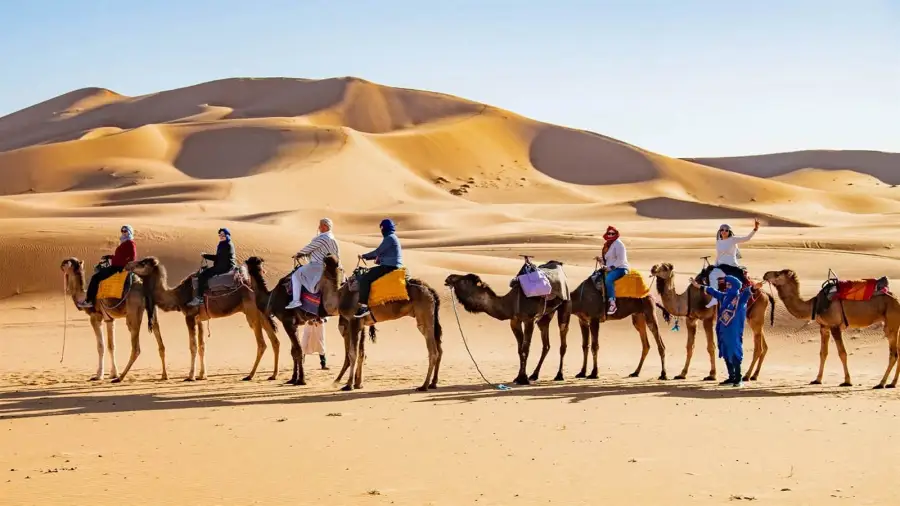
Also loved by solo travellers
Add Morocco to your list
Planning solo travel in Morocco? Best time to go, visa basics, budget per day, safety tips for women, packing list and 5 to 14-day itineraries.
Travel solo. Explore together.
Thinking about Thailand with a group?
Ask us anything about travelling solo with a group, or tell us your dates. When a real group trip matches, we will let you know – no spam, no invented offers.
- 1Tell us the country and monthOr just ask a question – packing, safety, budget.
- 2Get an honest answer by emailFrom people who plan group trips, not a robot.
- 3Join a real departure – or notYou only book when a date suits you. Book now, pay later.