Solo travel in Morocco – a complete guide for joining a group
Morocco is a rewarding country for solo travellers. In a short trip you can move from the busy souks of Marrakech to quiet Atlas villages, a night in the Sahara dunes and the old medina of Fes. People are hospitable, food is cheap and good, and the main routes are well used by visitors, so you are rarely far from help or other travellers.
It can also be intense on your own, especially at first. Medina lanes are confusing, prices are often negotiated and women travelling alone may get unwanted attention. Joining a small group for part or all of the trip takes care of desert logistics and long drives, gives you people to share meals with, and lets you enjoy Morocco without having to manage every detail yourself.
How to get to Morocco from the USA, UK, Canada, Australia…
Information checked: October 2026 · how we check
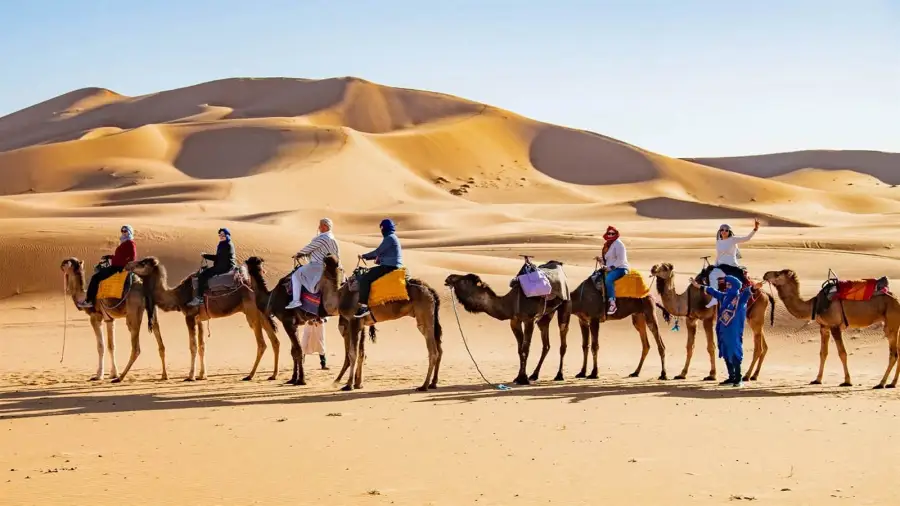
Places to visit in Morocco as a solo traveller
A full guide for each: what to see, where to stay, safety and how many days.
Morocco month by month
Typical weather and what each month is like for a group trip. Every year is different – check the forecast before you go.
Clear and quiet, but desert and mountain nights can drop close to freezing, so pack warm layers.
Almond blossom in the valleys and snow on the High Atlas peaks make it a pretty month for touring.
One of the best months for combining cities, mountains and the Sahara, though some years it overlaps with Ramadan.
Warm, green and popular, so book riads and desert camps early around European school holidays.
Hot afternoons start in Marrakech and the south, while the coast stays fresh and the Rose Valley is in season.
Fine on the coast and in the mountains, but the desert and Marrakech get hot by midday.
Very hot inland; plan early starts or focus on Essaouira, Chefchaouen and the Atlas.
Peak heat and busy with domestic holidays; the Atlantic coast is the most comfortable area.
Heat eases through the month and desert trips become pleasant again by late September.
Warm, settled weather and good light make October a favourite month for group itineraries.
Comfortable for walking and sightseeing, with fewer crowds and the date harvest in the south.
Sunny days but cold riads and desert camps; busy around Christmas and New Year.
Great timeMixedTough (heat, rain or crowds)
Solo travel in Morocco: the guide
Why join a group trip in Morocco as a solo traveller
Many first-time visitors find Morocco both exciting and tiring. The classic route from Marrakech over the High Atlas to the Sahara and on to Fes covers long distances on mountain roads, and public transport to the dunes of Merzouga or Zagora is slow and infrequent. A small group trip solves the hardest part of the journey: getting to the desert and back without spending days on buses.
Travelling with a group also changes how the cities feel. In the Marrakech and Fes medinas, a local guide helps you find your way through lanes that rarely appear correctly on maps, explains what you are looking at and makes it easier to say no to touts. You still get free time, but you are not negotiating every taxi or wondering whether a young man offering directions expects payment.
Company without commitment
For many solo travellers the biggest benefit is simple company. Moroccan food is made for sharing, from a large tagine to a table full of salads, and a group means you get to try more dishes. Evenings in a desert camp, with music around a fire and a sky full of stars, are more enjoyable when you have people to talk to.
- Single supplements: riads often have small rooms, so ask whether a group offers room sharing with another solo traveller of the same gender or a private room for an extra fee.
- Group size: smaller groups fit better in riads, narrow lanes and desert camps.
- Pace: check how many hours of driving each day includes; the Sahara loop can mean six to nine hours on some days.
A common approach is to spend two or three days alone in Marrakech or Essaouira, then join a group for the desert and Fes section. That way you get independence where it is easy and support where it helps most.
Best time to visit Morocco
The best time to visit Morocco for most travellers is spring, from March to May, and autumn, from late September to November. Days are usually warm and sunny, nights are mild in the cities, and a trip that combines Marrakech, the Atlas Mountains and the Sahara is comfortable from start to finish.
Summer
From June to August, Marrakech, Fes and the desert regularly reach the high 30s °C and the Sahara can be hotter. Desert trips still run, but camel rides happen at sunrise and sunset and midday is for resting. The Atlantic coast, including Essaouira, Agadir and Asilah, stays fresher thanks to sea breezes, and the High Atlas is pleasant for trekking.
Winter
December to February brings sunny days of around 18–20°C in Marrakech but cold nights. Many riads have limited heating, and desert camps can be close to freezing after dark. Snow sometimes closes the Tizi n'Tichka pass for a short time. Winter is good for quieter sightseeing if you pack properly.
Ramadan and festivals
Ramadan moves about 11 days earlier each year; in 2027 it is expected to fall mostly in February and early March. Travelling during Ramadan is possible: sights stay open, but some cafés close in the day, opening hours change and the evening iftar meal is a special time to experience. Eat and drink discreetly in public during daylight.
Festivals worth planning around include the Rose Festival in Kelaat M'Gouna, usually in May, and music festivals in Essaouira and Fes, often in early summer. Dates change each year, so check local listings before you book.
What to pack for Morocco
Your Morocco packing list depends on the season, but one rule holds all year: bring clothes that cover your shoulders and knees. Morocco is a Muslim country and modest clothing is respectful, more comfortable in the sun and attracts less attention, especially for women outside the main tourist areas.
Clothing
- Loose, breathable trousers or long skirts and tops with sleeves.
- A light scarf, useful for sun, dust, mosque visits and covering up when you want to blend in.
- A warm fleece or down jacket for desert and mountain nights, even in spring and autumn.
- Comfortable closed shoes for uneven medina streets, plus sandals for the riad.
For the desert
If you are spending a night in the Sahara, carry a small overnight bag, as the main luggage often stays in the vehicle. Bring sunglasses, a hat, high-factor sunscreen, lip balm and a head torch. A cheche or long scarf protects your face from sand when the wind picks up.
Practical items
- A universal adapter is not needed if your plugs are Type C or E; otherwise bring one for the round two-pin sockets.
- Small change in dirhams for tips, toilets and snacks; many small places do not take cards.
- Hand sanitiser and tissues, as public toilets may lack paper.
- A refillable water bottle with a filter, or plan to buy sealed bottled water.
- Basic medicines for an upset stomach, which is common in the first days.
Leave space for shopping. Leather goods, argan oil, ceramics and rugs are popular, and you will probably buy more than you expect.
Morocco visa and entry requirements
Many travellers do not need a visa for a short holiday in Morocco. Passport holders from the UK, most EU countries, the USA, Canada and Australia can usually enter as tourists without a visa for up to 90 days. Rules depend on your nationality and can change, so always confirm before you book.
Passport and arrival
Your passport should be valid for the whole of your stay and may need to be valid for longer; check the exact requirement for your nationality. On arrival you may be asked for the address of your first night, so keep your riad or hotel details handy. Moroccan border officials stamp passports, and some travellers report problems if a passport is damaged, so make sure yours is in good condition.
Nationalities that need a visa
Some nationalities need a visa arranged in advance, and Morocco has introduced an electronic visa system for certain countries. Whether this applies to you, and which website to use, depends on your passport, so check with your nearest Moroccan embassy or consulate and use only official government websites. Avoid unofficial sites that charge high fees for forms that may not be needed.
Where to check
- Your own government's travel advice for Morocco, such as the UK Foreign Office, the US State Department or Smartraveller in Australia.
- The Moroccan embassy or consulate in your country.
If you plan to cross by ferry from Spain or visit the Spanish enclaves of Ceuta or Melilla, check the rules for that crossing separately, as Schengen rules apply on the Spanish side.
Travel insurance is not always a legal requirement for entry, but it is strongly recommended, and it should cover medical treatment and any adventure activities such as trekking or quad biking.
How much does a trip to Morocco cost?
Morocco can suit a wide range of budgets. All prices below are approximate 2026 ranges in euros; the local currency is the Moroccan dirham (MAD), and prices change, so check before you go.
Morocco budget per day
- Low budget, around €35–50 per day: hostel dorms or simple guesthouses, street food and local cafés, trains and coaches, free sights and a few paid entries.
- Mid-range, around €70–120 per day: a private room in a riad, sit-down restaurants, some taxis, guided medina tours and a desert excursion.
- Comfort, from around €150 per day: boutique riads, private drivers and spa hammams.
Typical costs
A dorm bed in Marrakech or Fes is often around €10–18, while a double room in a mid-range riad is commonly €50–90 including breakfast. A plate of food at a local café can cost €3–6, and a meal in a restaurant aimed at visitors around €12–25. Mint tea is usually under €2.
Trains between the main cities are good value: a second-class ticket from Marrakech to Fes is often around €18–30. Petit taxis inside cities usually cost a few euros if the meter is used. Entry to monuments such as palaces, madrasas and museums is generally a few euros each.
Where the money goes
For most visitors the biggest costs are the desert trip, accommodation and shopping. Group trips usually include transport, desert camp and some meals, which makes the budget easier to predict. Keep cash for tips, which are part of everyday life, and agree prices before any service, from a henna tattoo to a taxi ride where the meter is not used.
ATMs are easy to find in cities but rare in the desert and mountains, so take out dirhams before you leave Marrakech or Fes.
Is Morocco safe for solo and female travellers?
Many solo travellers, including women, visit Morocco every year and have a good experience. Serious crime against visitors is not common, but petty theft, scams and street hassle do happen, and it helps to know what to expect. Read your government's current travel advice before you go, as it is updated when the situation changes.
Common issues
- Unofficial guides: in medinas, people may offer to show you the way or tell you a street is closed, then expect payment or lead you to a shop. A polite but firm no thank you usually works.
- Pickpockets: keep phones and wallets secure in crowded souks and on Jemaa el-Fnaa square at night.
- Prices: agree the fare before a taxi ride without a meter and the price before any service.
- Road safety: driving standards vary and mountain roads can be demanding, so choose transport carefully.
Tips for women travelling alone
Women may receive comments, stares or persistent attention, particularly in busy medinas. It is usually verbal and tends to fade if ignored. Many women find that loose clothing covering the shoulders and knees, sunglasses and a confident walk reduce attention. Sitting with other women or families on trains and in cafés is normal and comfortable.
Choose accommodation with good reviews from other solo women, arrive in a new city in daylight where possible, and ask your riad to arrange airport transfers. In the evening, stick to well-lit main streets or go out with others. Travelling with a small group for part of the journey is a practical way to enjoy nights out and the desert without managing everything alone.
Health
Stomach problems are the most common health issue. Drink sealed bottled or filtered water, eat freshly cooked food and wash your hands often. Pharmacies are widespread and pharmacists often speak French. Take out travel insurance that covers medical care and save the emergency numbers listed in your government's advice for Morocco.
Getting around Morocco
Morocco has one of the best transport networks in North Africa, and getting between the main cities on your own is quite easy. Reaching the Sahara and smaller mountain villages takes more planning.
Trains
The national rail company, ONCF, connects Marrakech, Casablanca, Rabat, Meknes, Fes and Tangier. The Al Boraq high-speed train links Tangier with Rabat and Casablanca in a few hours. Trains are comfortable and good for solo travellers; first class gives you an assigned seat and is worth the small extra cost on long routes. There is no railway to the desert, Essaouira or Chefchaouen.
Coaches
Long-distance coaches run by the main national bus companies reach places the train does not, including Essaouira, Chefchaouen, Ouarzazate and Merzouga. They are reliable and inexpensive; book a day ahead in busy periods and expect a small fee for luggage.
Taxis
- Petit taxis are small city taxis, with a colour that changes from city to city. Ask the driver to use the meter or agree a price before you get in.
- Grand taxis are shared cars between towns that leave when full. They are fast and cheap but can be cramped; you can pay for extra seats for more space.
Driving and organised transport
Hiring a car gives freedom in the south, but city driving is stressful and mountain roads such as the Tizi n'Tichka pass need care. Many solo travellers prefer a group trip or a shared tour for the long Marrakech to Merzouga to Fes loop, which takes at least three days to do properly.
Domestic flights connect Casablanca with cities such as Marrakech, Fes, Ouarzazate and Errachidia, useful when time is short.
Culture, etiquette and food
Moroccan culture blends Arab, Amazigh (Berber), African and Andalusian influences, which you see in its music, architecture and food. Hospitality is important, and you may be invited for mint tea by shopkeepers or hosts.
Etiquette
- Greet people before asking a question; a simple salam alaykum is appreciated.
- Use your right hand for eating and passing things.
- Ask before photographing people, and accept a no; some will ask for a small tip.
- Most mosques are closed to non-Muslims; the Hassan II Mosque in Casablanca is a well-known exception with guided visits.
- Public displays of affection are best kept minimal, and alcohol is only sold in licensed places.
Bargaining
Bargaining is normal in souks and expected for rugs, lamps and leather goods. Stay friendly, have a price in mind and do not start unless you are interested. Fixed-price shops and cooperatives exist if you prefer not to haggle.
What to eat in Morocco
Tagine, slow-cooked in a cone-shaped clay pot, comes in many versions, such as chicken with preserved lemon and olives or lamb with prunes. Couscous is traditionally served on Fridays. Try harira, a tomato and lentil soup popular during Ramadan, and pastilla, a sweet and savoury pastry from Fes.
Street food is part of the fun: msemen flatbreads at breakfast, grilled sardines in Essaouira, snail soup and grills at Jemaa el-Fnaa. In the south and the Sahara, look for madfouna, a stuffed bread sometimes called Berber pizza. Fresh orange juice and mint tea, poured from a height, are everywhere.
The hammam
A visit to a hammam is a classic Moroccan experience. Local public hammams are cheap and separated by gender or time; spa hammams are more private and suited to first-timers.
Meeting other travellers in Morocco
Morocco is easy for meeting other travellers, particularly along the popular route between Marrakech, the Sahara, Fes and Chefchaouen. Many people follow similar paths, so you often see the same faces in different towns.
Where solo travellers meet
- Hostels and riads: many hostels in Marrakech, Fes, Chefchaouen and Essaouira have rooftop terraces, shared dinners and noticeboards for organising trips.
- Desert camps: a night in the Merzouga or Zagora dunes brings together people from many countries around one dinner table.
- Cooking classes: learning to make tagine or bread in a class is a relaxed way to meet people and gives you a skill to take home.
- Day trips: shared excursions to the Ourika Valley, Imlil, Ouzoud waterfalls or Essaouira from Marrakech mix independent travellers.
- Surf camps: Taghazout and the coast north of Agadir have a friendly surf scene with group lessons.
Joining a group trip
A small group trip is the most reliable way to have company throughout. When comparing options, look at the group size, the age range or theme, whether solo travellers are paired for rooms, how much free time is included and what is not covered, such as some meals and tips. There are trips focused on hiking, food, photography and trips aimed at women or at older travellers.
Meeting Moroccans
Do not forget the locals. Staying in a family-run guesthouse in the Atlas, sharing tea with a host, or joining a homestay meal can be the most memorable part of a trip. Learning a few words of Darija or French goes a long way. Be friendly but keep normal caution with people who approach you on the street with offers.
Morocco packing list
- Light long-sleeved tops and loose trousers or long skirts
- A large scarf for sun, dust, mosque visits and covering shoulders
- Warm fleece or down jacket for desert and mountain nights
- Comfortable closed walking shoes for uneven medina lanes
- Sandals or slip-ons for riads and hammams
- Sunglasses, wide-brimmed hat and high-factor sunscreen
- Head torch for desert camps and dark medina alleys
- Small overnight bag for a Sahara camp night
- Cheche or buff to protect your face from sand
- Refillable bottle with a filter
- Hand sanitiser, tissues and wet wipes
- Stomach remedies and rehydration salts
- Plug adapter if your devices do not use Type C or E plugs
- Small cash pouch for dirham notes and coins
- Swimsuit and flip-flops for the hammam and coast
- Light rain jacket for the north and the Atlas in winter and spring
The general list for any trip: solo travel packing list.
Typical costs in Morocco
| What | Basic | Mid-range |
|---|---|---|
| Hostel dorm bed | €10–18 | €50–90 (riad double room) |
| Breakfast or café meal | €2–5 | €6–12 |
| Dinner | €4–8 (local café) | €15–30 (restaurant) |
| Mint tea or fresh orange juice | €0.50–1.50 | €2–4 |
| Train Marrakech–Fes | €18–25 (second class) | €28–40 (first class) |
| City taxi ride | €1–4 (petit taxi, meter) | €10–25 (private transfer) |
| Monument or museum entry | €2–7 | €15–30 (with a licensed guide) |
| Hammam | €1–4 (local hammam) | €20–50 (spa hammam) |
Approximate prices for 2026 in euros. Prices change – check before you go. More: how to budget a solo trip.
Morocco itineraries: 5, 7, 10 and 14 days
Routes that work for a first visit – on your own or as the shape of a group trip.
Morocco in 5 days: Marrakech and the Atlas
Marrakech – Imlil – Marrakech – Essaouira
- Day 1Arrive in Marrakech
Settle into your riad and walk to Jemaa el-Fnaa at sunset for street food and atmosphere.
- Day 2Medina and gardens
Visit Bahia Palace, Ben Youssef Madrasa and the souks with a guide, then relax in Le Jardin Majorelle or Le Jardin Secret.
- Day 3High Atlas day
Drive to Imlil for a walk through Amazigh villages with views of Toubkal, and lunch in a mountain guesthouse.
- Days 4–5Essaouira
Take the coach to the windy Atlantic town for its walled medina, fishing port and seafood, then return to Marrakech for your flight.
Morocco in 7 days: Marrakech, Sahara and Fes
Marrakech – Aït Benhaddou – Dades Gorge – Merzouga – Fes
- Days 1–2Marrakech
Explore the medina, palaces and souks, and try a cooking class or hammam.
- Day 3Over the Atlas to Aït Benhaddou
Cross the Tizi n'Tichka pass to the fortified village of Aït Benhaddou, then continue towards Ouarzazate or the Dades Valley.
- Day 4Todra Gorge to Merzouga
Walk in the Todra Gorge, then reach the Erg Chebbi dunes for a sunset camel ride and a night in a desert camp.
- Day 5Desert to Fes
Watch the sunrise over the dunes and drive north through the Ziz Valley and the cedar forests of the Middle Atlas.
- Days 6–7Fes
Spend a full day in Fes el-Bali with its tanneries, madrasas and craft workshops, then take the train or fly home.
Morocco in 10 days: imperial cities, desert and the blue city
Marrakech – Aït Benhaddou – Merzouga – Fes – Chefchaouen – Rabat or Tangier
- Days 1–3Marrakech and Atlas
Two days in the city and one day in Imlil or the Ourika Valley to see village life.
- Days 4–6The Sahara loop
Travel via Aït Benhaddou and the Dades and Todra gorges to Merzouga for a night in the dunes, then on to Fes.
- Days 7–8Fes and Meknes
Explore the Fes medina and take a day trip to Meknes and the Roman ruins of Volubilis.
- Day 9Chefchaouen
Head into the Rif Mountains to wander the blue-washed lanes and hike to the Spanish Mosque viewpoint.
- Day 10Onward
Travel to Tangier or Rabat for the train or flight home.
Morocco in 2 weeks: the full loop
Marrakech – Essaouira – Atlas – Merzouga – Fes – Chefchaouen – Rabat – Casablanca
- Days 1–3Marrakech
Take your time in the medina, gardens and food stalls, and adjust to the pace.
- Days 4–5Essaouira
Relax on the coast, walk the ramparts and eat fresh fish at the port.
- Days 6–7High Atlas
Stay in a mountain guesthouse near Imlil for a day hike in the Toubkal area.
- Days 8–9Ouarzazate, gorges and Sahara
Cross the Atlas, visit Aït Benhaddou and the gorges, and spend a night at Erg Chebbi.
- Days 10–11Fes and Volubilis
Explore the old medina of Fes and the Roman site of Volubilis.
- Days 12–13Chefchaouen
Enjoy the slower pace of the Rif and short hikes around the town.
- Day 14Rabat and Casablanca
Visit Rabat's Kasbah of the Udayas and the Hassan II Mosque in Casablanca before flying out.
Where to go in Morocco
The usual starting point, with lively souks, palaces, gardens and plenty of hostels and riads for meeting other travellers.
A huge, largely car-free old medina known for its tanneries, crafts and religious schools; a guide is very useful here.
Camel rides and nights in desert camps under the stars, best done with a group because of the distances.
Day hikes and treks through Amazigh villages around Imlil and the Toubkal area, with simple guesthouses.
A small, relaxed blue-painted town in the Rif Mountains, good for slowing down and short hikes.
A breezy Atlantic port with a walled medina, art galleries, seafood and a calmer feel than Marrakech.
Earthen kasbahs and film locations on the road between the Atlas and the desert.
The modern side of Morocco, with the capital's calm old kasbah and Casablanca's Hassan II Mosque.
Group trips in Morocco for solo travellers
We have no confirmed group departure in Morocco yet. We only list real dates.
Host your own group trip to MoroccoHow to choose a group tripSingle supplement explained
Solo travel in Morocco: questions
Is Morocco good for solo travel?
Yes, Morocco is a popular and rewarding solo destination with good trains, plenty of hostels and well-travelled routes. The medinas and haggling can be tiring at first, so many solo travellers join a group for the desert section or the whole trip.
Is Morocco safe for solo female travellers?
Many women travel in Morocco alone and enjoy it, but unwanted comments and attention are common, especially in busy medinas. Modest clothing, confident body language, daylight arrivals and well-reviewed accommodation help. Check your government's latest travel advice before you go.
What is the best time to visit Morocco?
Spring (March to May) and autumn (late September to November) usually offer the most comfortable temperatures for combining cities, mountains and the Sahara. Summer is very hot inland, and winter nights are cold in the desert and mountains.
Do I need a visa for Morocco?
Many nationalities, including UK, most EU, US, Canadian and Australian passport holders, can usually visit as tourists without a visa for up to 90 days. Rules depend on your passport and can change, so check your government's travel advice and the Moroccan embassy before you travel.
How much money do I need per day in Morocco?
As an approximate guide, budget travellers can manage on around €35–50 per day, while a mid-range trip with riad rooms and restaurant meals is closer to €70–120 per day. Desert trips and shopping can add a lot, so check current prices before you go.
How many days do I need in Morocco?
Seven days is enough for Marrakech, a night in the Sahara and Fes, although it involves long drives. Ten days to two weeks lets you add Chefchaouen, Essaouira or the Atlas Mountains at a more relaxed pace.
What should I wear in Morocco?
Loose clothes that cover your shoulders and knees are respectful and comfortable. Women often add a light scarf. Pack warm layers for desert and mountain nights in every season except high summer.
Can I use cards in Morocco or do I need cash?
Cards are accepted in many hotels, larger shops and restaurants in cities, but cash in dirhams is needed for souks, taxis, small cafés and tips. ATMs are common in towns but scarce in the desert and mountains.
Can I visit the Sahara on my own?
You can reach Merzouga by coach and book a camp locally, but the journey is long. Most solo travellers join a shared or group trip from Marrakech or Fes, which includes transport, the camel ride and the night in camp.
Is it OK to travel in Morocco during Ramadan?
Yes. Sights and most hotels stay open, but some cafés close during the day and opening hours can be shorter. Eat and drink discreetly in public in daylight and enjoy the lively evenings after sunset.
Morocco for solo travellers, groups and women: more questions
Is Morocco a good destination for a first solo trip?
Morocco can be a rewarding first solo trip, but it is more intense than most European destinations. Medinas are busy, unofficial guides and touts are common, and reaching the Sahara by public transport is slow. Many first-timers spend a few independent days in Marrakech or Essaouira and join a small group for the desert and Atlas section.
Is one week enough for Morocco if I travel alone?
Seven days is enough for the classic loop from Marrakech over the High Atlas to Aït Benhaddou, the Dades Gorge, the Merzouga dunes and Fes. It involves long drives on mountain roads, so solo travellers often do it with a small group rather than by bus. With 10 to 14 days you can add Chefchaouen, Rabat or the coast at a calmer pace.
Is Morocco expensive for solo travellers?
Morocco is good value: roughly €35–50 a day covers hostels, local food and transport, and around €70–120 a day gets you comfortable riads and some guided visits (approximate, check before you go). Costs rise for a solo traveller when you pay alone for private transfers, a riad room or a desert camp. Sharing transport or joining a group keeps the price down; the local currency is the Moroccan dirham (MAD).
Where do solo travellers stay in Morocco?
Most solo travellers stay in hostels or riads inside the medinas of Marrakech, Fes, Chefchaouen and Essaouira, many with rooftop terraces where guests meet over breakfast or dinner. A hostel dorm bed costs roughly €10–18 and a riad double around €50–90 (approximate). Pick places with good reviews from other solo travellers and ask your riad to arrange the airport transfer.
How do I meet other people when travelling solo in Morocco?
Morocco is easy for meeting travellers because many follow the same Marrakech – Sahara – Fes – Chefchaouen route. Hostel rooftop dinners, a night in a Merzouga or Zagora desert camp, tagine cooking classes and shared day trips to the Ourika Valley, Imlil or Essaouira all mix independent travellers. Surf camps around Taghazout are another sociable option.
Should I join a group tour in Morocco as a solo traveller?
A group tour makes the biggest difference for the Sahara and High Atlas part of the trip, where distances are long and public transport to the dunes is slow and infrequent. A guide also helps in the Marrakech and Fes medinas and makes it easier to say no to touts. Cities such as Marrakech and Essaouira are manageable alone, so many people combine free days with a group section.
What is the best group trip in Morocco for solo travellers?
For a first visit, the most popular style is a 7- to 10-day loop from Marrakech over the High Atlas to the Merzouga dunes and on to Fes, usually with a night in a desert camp. Other good options are hiking trips in the High Atlas around Imlil, food-focused trips and coastal trips that include Essaouira. Choose by interest and pace as well as by route.
How big are group tours in Morocco?
Group size varies a lot. Small-group trips often keep numbers to somewhere around 8–16 people, which suits riads, narrow medina lanes and desert camps, while larger coach tours can carry 30 or more. Always check the maximum group size before you book.
How can I avoid the single supplement on a Morocco trip?
Ask whether the group offers room sharing with another solo traveller of the same gender; many group trips do this instead of charging a supplement. Riad rooms are often small, so a private room usually costs extra. On independent days, a private room in a hostel is a cheaper way to have your own space.
Is Marrakech safe for a woman travelling alone?
Many women visit Marrakech alone and have a good trip, but expect comments, stares and persistent sellers, especially in the souks and around Jemaa el-Fnaa square. The attention is usually verbal and tends to fade if you ignore it and walk on confidently. Keep your phone secure in crowds at night, agree taxi fares before you get in and check your government's current travel advice before you go.
What should women wear in Moroccan medinas and villages?
Loose clothing that covers the shoulders and knees draws less attention in the medinas and in rural villages. A light scarf is useful for sun, dust and religious sites, and sunglasses make it easier to avoid eye contact with persistent sellers. Pack a warm layer for the desert and the mountains, where nights can be cold.
Are there women-only group tours in Morocco?
Yes, some group trips in Morocco are run for women only, and others are aimed at particular ages or interests such as hiking, food or photography. For some travellers they make the medinas, hammams and evenings feel more relaxed. Compare group size, room sharing and what is included, and read recent reviews from other women before booking.
Can a woman go out alone at night in Morocco?
In busy, well-lit areas such as the main squares and streets of Marrakech or Essaouira, many women go out in the early evening without problems. Medina lanes become quiet and confusing after dark, so take a taxi or ask your riad to send someone to meet you. Arriving in a new city in daylight also helps.
Can a solo female traveller stay in a Sahara desert camp?
Yes, many women spend a night in the Merzouga or Zagora dunes, usually on a shared desert tour or with a small group. Choose a camp with good reviews from other solo women, check whether tents are private or shared and confirm how you get there and back. Camps range from basic shared camps to comfort camps, and prices vary a lot, so check what is included.
Is Morocco good for solo travellers over 50?
Yes, many travellers in their 50s and 60s visit Morocco, often on small group trips that take care of long drives, transfers and finding your way in the medinas. Look for comfortable riads, a steady pace and not too many very early starts. Some group trips are aimed specifically at older travellers.
People also search for
solo travel morocco morocco solo female travel is morocco safe for women morocco group tours for solo travellers morocco small group tour morocco itinerary 7 days solo sahara desert tour solo traveller is marrakech safe for solo female travellers women only tours morocco morocco budget per day solo morocco tour without single supplement first solo trip morocco what to wear in morocco as a woman morocco tours for over 50s
Official sources to check before you go
- UK Foreign Office travel advice: Morocco
- US State Department international travel information
- Smartraveller (Australian Government) destinations
Entry rules, safety advice and prices change. This guide is general information, not legal or medical advice – always check your own government's travel advice.
More of Africa
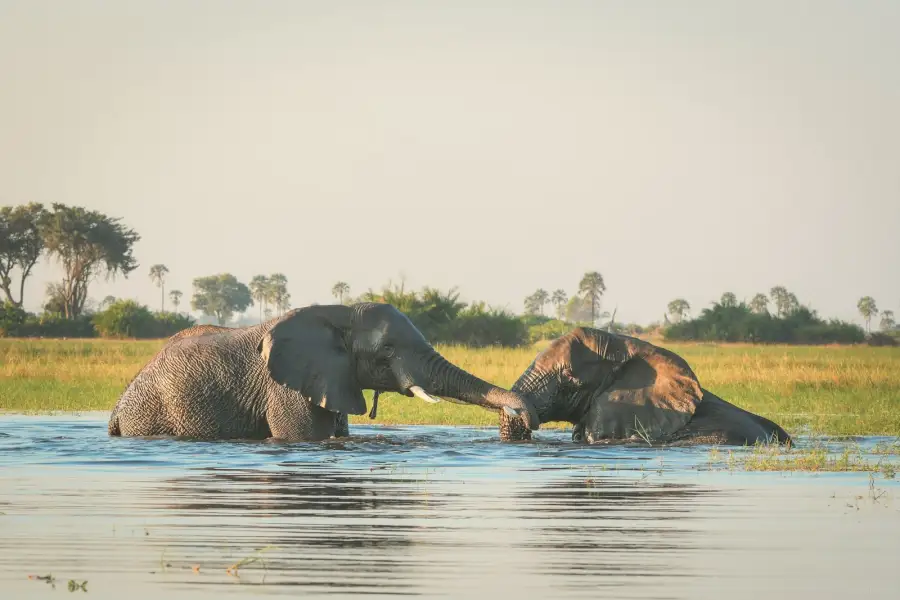 AfricaBotswana Best: May–Oct for wildlife; Jan–Apr for green-season birds and the pans from €50–80/day (camping, self-catering, buses)
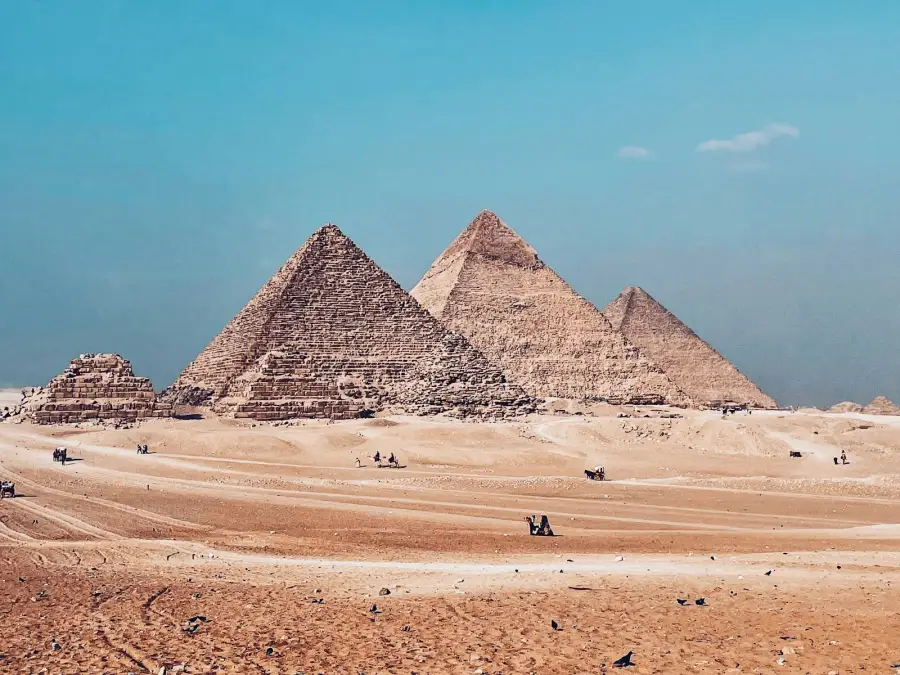 AfricaEgypt Best: Oct–Apr from €30–45/day
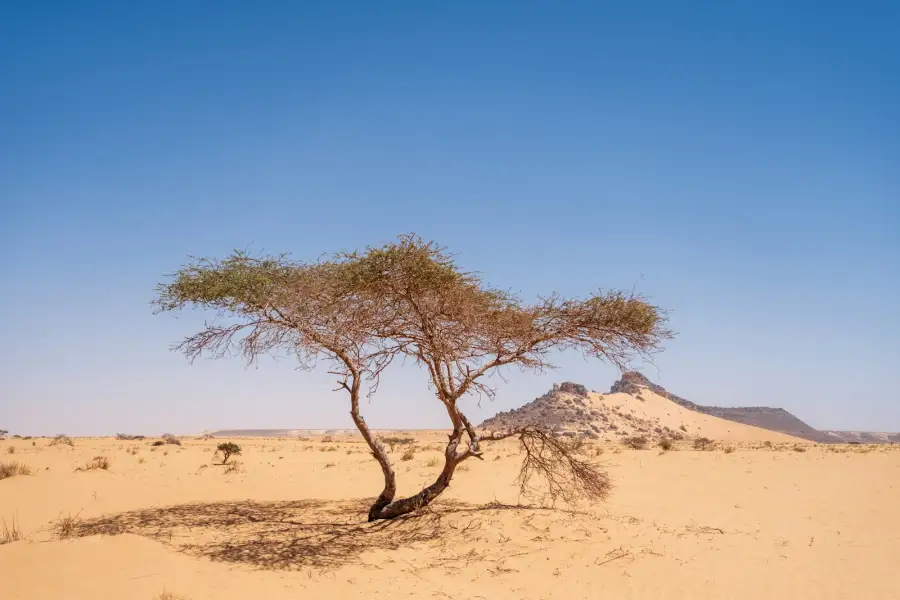 AfricaMauritania Best: Nov–Feb from €40–60/day (basic auberges, shared transport)
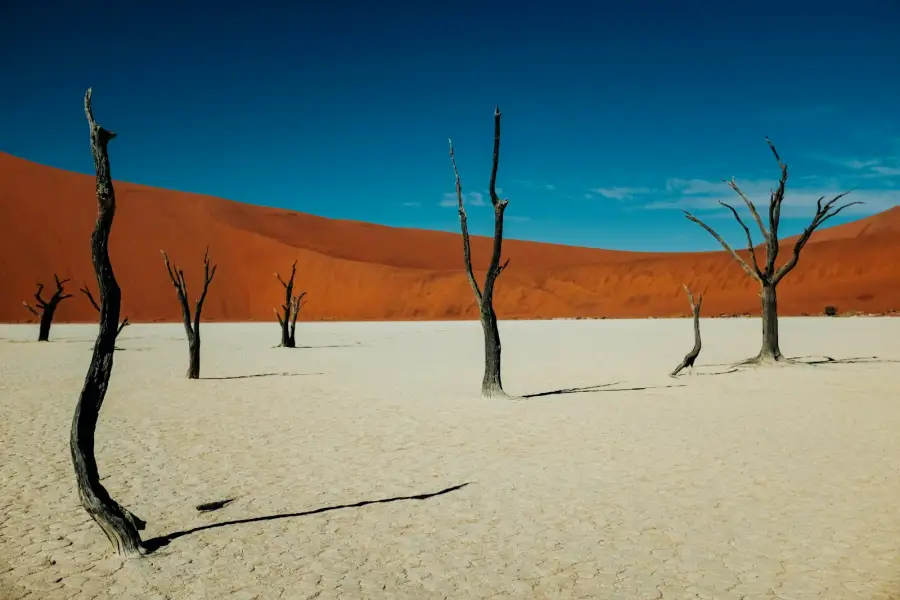 AfricaNamibia Best: May–Oct (dry season) from €45–70/day (camping, excluding car hire and tours)
Travel solo. Explore together.
Thinking about Morocco with a group?
Ask us anything about travelling solo with a group, or tell us your dates. When a real group trip matches, we will let you know – no spam, no invented offers.
- 1Tell us the country and monthOr just ask a question – packing, safety, budget.
- 2Get an honest answer by emailFrom people who plan group trips, not a robot.
- 3Join a real departure – or notYou only book when a date suits you. Book now, pay later.