Solo travel in Vietnam – a complete guide for joining a group
Vietnam is one of the easiest countries in Asia for a first solo trip. It is long and narrow, so most travellers follow the same north–south route between Hanoi and Ho Chi Minh City, which means you keep meeting the same faces in hostels, cafés and on boats. Street food is cheap and excellent, buses and trains connect almost everywhere, and people are generally welcoming to visitors.
A group trip helps most with the parts that are harder alone: the overnight bay cruise, the mountain loops in the far north, long transfers between regions and the sheer energy of the traffic in the big cities. You still get plenty of free time to wander on your own, but you have company for dinner and someone to split the logistics with.
How to get to Vietnam from the USA, UK, Canada, Australia…
Information checked: October 2026 · how we check
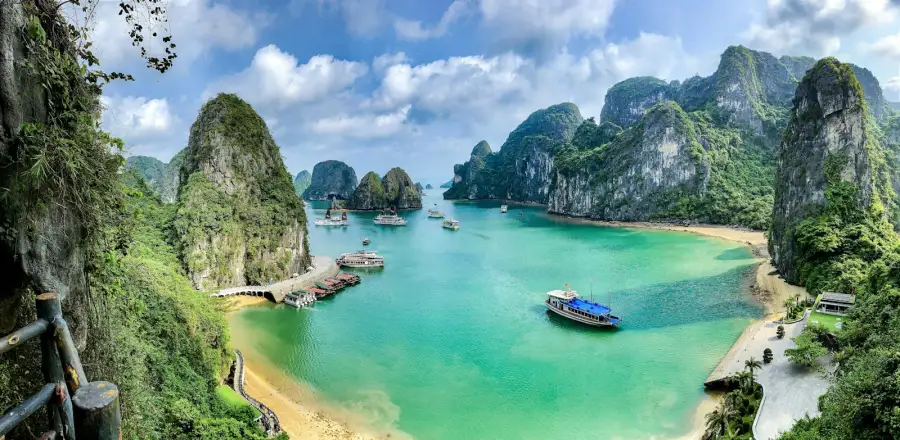
Places to visit in Vietnam as a solo traveller
A full guide for each: what to see, where to stay, safety and how many days.
Vietnam month by month
Typical weather and what each month is like for a group trip. Every year is different – check the forecast before you go.
Cool and often grey in the north, dry and sunny in the south; watch for Tet travel crowds if it falls late in the month.
Tet (Lunar New Year) often falls now, so transport fills up and some businesses close for several days.
One of the best all-round months: warming north, dry centre and dry south.
Pleasant across most of the country before the real heat arrives; good for Ha Long Bay and Hoi An.
Hot and humid, with the wet season starting in the south; central beaches are still usually good.
Hot everywhere; the central coast is often at its best for beaches while the north and south get afternoon storms.
Busy domestic holiday season; good for the central coast, rainy in Hanoi and the Mekong Delta.
Rain and occasional storms in the north; Sapa's rice terraces are green but trails can be muddy.
Golden rice terraces in the north and fewer crowds, though the central coast starts its rainy season.
Great in the north; the centre (Hue, Hoi An) can see heavy rain and flooding, so keep plans flexible.
Comfortable in Hanoi and the far north, the south is drying out; central Vietnam is often still wet.
Cool in the north and dry in the south; a popular month, so book boats and trains early.
Great timeMixedTough (heat, rain or crowds)
Solo travel in Vietnam: the guide
Why join a group trip in Vietnam as a solo traveller
Many people travel Vietnam completely independently, and it is very doable. A group trip simply removes some of the friction, especially on a first visit or a short holiday where every day counts.
Distances are bigger than they look
Vietnam is roughly 1,600 km from top to bottom. Doing Hanoi, the centre and the south in two weeks involves at least one domestic flight or a long sleeper train. In a group, these transfers are arranged and timed, so you spend less of your trip in booking apps and bus stations.
Some highlights are better shared
An overnight boat in Ha Long Bay or Lan Ha Bay, a homestay in the hills around Sapa, or a motorbike loop in Ha Giang are often priced per cabin, room or vehicle. Solo, you may pay a single supplement or have to find others to join. In a group, the social side comes built in, and evenings on the boat or in a village homestay are often where friendships start.
Food is more fun with others
Vietnamese meals are designed for sharing. At a street-food stall or a family-run restaurant, a table of six can order ten dishes and try them all. Alone, you tend to order one bowl of pho and move on.
Traffic and language
The motorbike traffic in Hanoi and Ho Chi Minh City is intense at first. Outside tourist areas, English is limited, and Vietnamese is a tonal language that is hard to pick up quickly. Having a local guide for the first days helps you settle in, learn how to cross the road calmly and understand what you are eating.
What to look for
Check the group size, the age range the trip is aimed at, how many nights are on sleeper trains or buses, and whether you can pay to have your own room. Ask how much free time is included in Hanoi and Hoi An, where wandering alone is a pleasure.
Best time to visit Vietnam
There is no single best time to visit Vietnam, because the north, centre and south have different weather patterns. The good news is that somewhere is usually pleasant in every month.
North (Hanoi, Ha Long Bay, Sapa, Ha Giang, Ninh Binh)
The north has a real winter. From around December to February, Hanoi is usually cool and often grey, with daytime temperatures around 15–20°C, and the mountains can be cold at night. Spring (March–April) and autumn (September–November) are usually the most comfortable. Summer is hot, humid and rainy, and typhoons can occasionally disrupt bay cruises.
Centre (Hue, Hoi An, Da Nang, Phong Nha)
The central coast is usually dry and warm from around February to August, which is the best window for beaches near Da Nang and Hoi An. From roughly September to December, heavy rain is common and Hoi An's old town can flood. Storms in this period sometimes cancel flights or close roads for a day or two.
South (Ho Chi Minh City, Mekong Delta, Phu Quoc)
The south stays hot all year, usually around 27–35°C. The dry season runs roughly from December to April. From around May to November, short heavy downpours are common in the afternoon, but they often clear quickly and travel continues.
Tet and holidays
Tet, the Lunar New Year, usually falls in late January or February. It is a fascinating time to see family traditions, but trains and flights sell out, prices rise and some restaurants and shops close for several days. Vietnamese summer holidays (June–August) also make beach towns busier.
For a full north-to-south trip, March, April, and the early part of autumn are often the best compromise. Always check a recent forecast, especially during typhoon season.
What to pack for Vietnam
Pack for heat, humidity and sudden rain, plus a cooler layer if you are going north between November and March. Most things can be bought cheaply in Hanoi or Ho Chi Minh City, so do not overpack.
Clothes
Light, quick-drying clothes are best because laundry is cheap and easy to find; many guesthouses wash clothes by the kilo. Bring at least one outfit that covers shoulders and knees for pagodas, temples and the Imperial City in Hue. For Sapa, Ha Giang or Hanoi in winter, a fleece and a light down or padded jacket make a big difference, especially on night buses and trains where the air conditioning is strong.
Rain and sun
A packable rain jacket or a cheap plastic poncho (sold everywhere) is essential in the wet season. Sun cream, a hat and sunglasses are needed all year in the south and centre. Insect repellent is useful, especially in the Mekong Delta and at dusk.
Footwear
Sandals that you can slip off easily are practical, as you often remove shoes in homes, homestays and some temples. If you plan to trek around Sapa or in Phong Nha, bring trainers or light hiking shoes with good grip; trails can be steep and very muddy.
Practical items
Bring a universal adapter, a power bank for long bus days, and a small daypack you can wear on your front in crowded areas. A dry bag is useful for boat trips and caves. Pack any regular medication in its original packaging, plus basic stomach remedies and oral rehydration salts. A local SIM or eSIM is easy to get at major airports and is very helpful for maps and ride-hailing apps.
Vietnam visa and entry requirements
Vietnam's entry rules have changed in recent years and depend on your nationality, so always check before booking flights.
The e-visa
Vietnam runs an official electronic visa system at evisa.gov.vn. Since 2023 it has been open to citizens of all countries, and it can be issued for stays of up to 90 days, as single or multiple entry. Apply only through the official government portal; many look-alike websites charge extra fees for the same application. Processing usually takes a few working days, but allow more time before busy periods such as Tet.
Visa-free entry
Citizens of a number of countries, including several European and Asian countries, can enter visa-free for a limited period, often 45 days. The list of countries and the number of days have been changed more than once, and some exemptions are temporary. Other nationalities, including many travellers from the Americas and Oceania, usually need the e-visa. Do not assume your country is on the list: check your government's advice.
Other things to check
- Passport validity: Vietnam commonly requires at least six months remaining from your date of entry, with blank pages.
- The details on your e-visa must exactly match your passport; a typo can cause problems at the border.
- If you plan to visit Cambodia or Laos and come back, check whether you need a multiple-entry visa.
- Travel insurance that covers medical treatment and evacuation is strongly recommended.
Where to check
Use your own government's travel advice (for example GOV.UK foreign travel advice, travel.state.gov for US citizens or Smartraveller for Australians) and the official Vietnamese e-visa portal. If you are unsure, contact the Vietnamese embassy in your country.
How much does a trip to Vietnam cost?
Vietnam is still one of the better-value destinations in Asia, although prices in Hanoi, Ho Chi Minh City and Hoi An have risen. The figures here are approximate 2026 ranges in euros; prices are paid in Vietnamese dong (VND), and amounts quickly run into hundreds of thousands, so double-check the number of zeros when paying.
Vietnam budget per day
A careful backpacker staying in hostel dorms, eating street food and using sleeper buses can often manage on around €25–40 per day. A mid-range traveller with private rooms in good guesthouses or small hotels, restaurant meals and some organised activities usually spends around €55–100 per day. Comfortable hotels, domestic flights and private guides push it higher.
Bigger costs to plan for
- Bay cruises: an overnight boat in Ha Long Bay or Lan Ha Bay is often one of the largest single costs, with a wide range depending on boat standard and whether you share a cabin.
- Domestic flights: flying Hanoi to Da Nang or Ho Chi Minh City saves a day of travel; fares vary a lot by season.
- Northern loops: a Ha Giang loop with a local rider (easy rider) costs more than self-riding, but is far safer if you are not experienced on a motorbike.
- Tailoring in Hoi An: easy to overspend; agree prices and fitting times clearly.
Money tips
Cash is still widely used, especially at street stalls, markets and in rural areas, although cards and QR payments are increasingly accepted in cities. ATMs are common, but some charge fees, so withdraw larger amounts less often. Keep small notes for snacks, toilets and tips. Prices for tourists at markets are often negotiable; stay friendly and smile.
All figures are approximate and change with exchange rates and season – check before you go.
Is Vietnam safe for solo and female travellers?
Vietnam is generally considered a comfortable destination for solo travellers, including women, and violent crime against visitors is uncommon. As anywhere, the main risks are petty crime, scams and, above all, road traffic.
Traffic is the biggest risk
Motorbikes are everywhere. When crossing the road, walk slowly and steadily so riders can see and avoid you; do not run or stop suddenly. Many travellers rent motorbikes without a valid licence or experience, and accidents are a common cause of injury. Riding without the correct licence can also invalidate your travel insurance. If you want to do the Ha Giang loop, riding as a passenger with an experienced local driver is the safer choice.
Bag and phone snatching
In Ho Chi Minh City in particular, thieves on motorbikes sometimes grab phones and bags from people walking near the road. Keep your phone away from the kerb side, wear bags across your body and avoid using your phone on the street edge.
Scams to know
- Unmetered or rigged taxis: use a ride-hailing app or a reputable taxi firm.
- Overpriced cyclo or motorbike rides where the price changes at the end: agree the total first.
- Fake travel agencies selling cheap bay cruises or bus tickets with poor standards.
Tips for women travelling alone
Women usually report feeling safe walking around in the evening in tourist areas. Dress is relaxed in cities and beach towns, but cover up for temples and rural villages. On sleeper buses, choose a lower berth near the front if possible and keep valuables with you. Watch your drink in backpacker bars, as you would at home.
Health
Drink bottled or filtered water, eat at busy stalls with fast turnover and see a travel health clinic before you go about vaccines and mosquito protection. Air pollution in Hanoi can be high, particularly in winter. Check your government's travel advice before and during your trip.
Getting around Vietnam
Most travellers move along the country from north to south or the other way round, combining trains, buses, flights and the occasional boat.
Trains
The North–South railway, often called the Reunification Express, runs between Hanoi and Ho Chi Minh City via Hue, Da Nang and Nha Trang. It is slower than flying but scenic, especially the Hai Van Pass section between Hue and Da Nang. Soft sleeper cabins have four berths and are a sociable way to cover long distances. Night trains also run from Hanoi to Lao Cai for Sapa.
Sleeper buses
Sleeper buses with reclining beds connect almost every tourist town. They are cheap but can be cramped for taller travellers, and driving standards vary. Daytime buses are usually more comfortable for shorter hops. Book through your accommodation or a known company and keep valuables in your daypack.
Domestic flights
With limited time, flying saves days. Common routes include Hanoi to Da Nang (for Hoi An and Hue), Hanoi to Ho Chi Minh City and Ho Chi Minh City to Phu Quoc. Flights can be delayed in typhoon season, so leave a buffer before international departures.
In cities
Ride-hailing apps for cars and motorbike taxis are widely used in Hanoi, Ho Chi Minh City and Da Nang and show the price in advance. Hanoi and Ho Chi Minh City now have metro lines, though most visitors still rely on apps and walking. In Hoi An, bicycles are the easiest way to reach the rice fields and beaches.
Boats
Boats are central to Ha Long Bay and Lan Ha Bay, the river at Ninh Binh (Trang An and Tam Coc) and the Mekong Delta. Check that life jackets are available and that operators follow weather warnings.
Culture, etiquette and food in Vietnam
Vietnamese culture mixes Confucian traditions, Buddhism, ancestor worship and a strong sense of family. A few simple habits help you fit in.
Etiquette
- Greet people with a smile; a slight nod shows respect, especially to older people.
- Remove shoes when entering homes and some temples or homestays.
- Cover shoulders and knees in pagodas and at sites such as the Imperial City in Hue and the Ho Chi Minh Mausoleum in Hanoi, which has strict rules on dress and behaviour.
- Losing your temper in public is seen as embarrassing; calm, friendly persistence works better.
- Ask before photographing people, particularly in ethnic minority villages around Sapa and Ha Giang.
Food to try
Food is one of the main reasons people come back to Vietnam, and it changes noticeably from region to region.
- Hanoi: pho bo (beef noodle soup), bun cha (grilled pork with noodles and herbs), and egg coffee.
- Hue: bun bo Hue, a spicy beef noodle soup, and small rice cakes such as banh beo.
- Hoi An: cao lau noodles, white rose dumplings and some of the most famous banh mi in the country.
- The south: com tam (broken rice with grilled pork), hu tieu noodle soup and tropical fruit in the Mekong Delta.
Street stalls with small plastic stools are part of daily life. Pick places that are busy with locals. Fresh herbs come with almost everything; add them to your bowl as you eat. Vietnamese iced coffee with condensed milk (ca phe sua da) is very strong.
Festivals
Tet in late January or February is the most important holiday. The Mid-Autumn Festival brings lanterns and moon cakes, especially in Hanoi's Old Quarter and Hoi An, which also holds a monthly lantern evening around the full moon.
Meeting other travellers in Vietnam
Vietnam is one of the most social countries in Asia for solo travellers, partly because almost everyone follows a similar route.
Hostels and homestays
Hanoi's Old Quarter, Hoi An, Da Lat and Ho Chi Minh City's District 1 have many social hostels with family dinners, walking tours and organised trips. Homestays in Ninh Binh, Sapa and Ha Giang often seat guests together at a shared table, which makes it easy to talk to people. If you prefer quiet nights, choose a private room in a hostel that still has a common area.
Shared experiences
Overnight boats, cooking classes in Hoi An, street-food walking tours in Hanoi, cave trips in Phong Nha and the Ha Giang loop all put you with the same small group for hours or days. Many solo travellers end up travelling onwards with people they met on one of these.
Joining a group trip
A group tour gives you a ready-made circle from day one. This suits people with limited holiday time, travellers in their 50s and 60s who prefer not to stay in hostels, and anyone nervous about a first solo trip. Look for trips that include free afternoons so you can explore on your own and come back to the group for dinner.
Meeting local people
Students in Hanoi and Ho Chi Minh City sometimes approach visitors to practise English, especially around lakes and parks, and these conversations are usually friendly and genuine. Café culture is huge; sitting at a pavement coffee shop is a good way to watch daily life. Learning a few words such as xin chao (hello) and cam on (thank you) is appreciated.
Online
Travel forums and social media groups for Vietnam are active, and are useful for finding people to share a boat cabin or a driver.
Vietnam packing list
- Light, quick-drying T-shirts and trousers
- One outfit covering shoulders and knees for temples and the Ho Chi Minh Mausoleum
- Fleece and light padded jacket for the north from November to March
- Warm layer for cold air-conditioning on night buses and trains
- Packable rain jacket or poncho
- Slip-on sandals for homes, homestays and temples
- Trainers or light hiking shoes with grip for Sapa and Phong Nha
- High-factor sun cream, hat and sunglasses
- Insect repellent for the Mekong Delta and evenings
- Small front-wearable daypack or cross-body bag
- Dry bag for boat trips and caves
- Universal plug adapter
- Power bank for long travel days
- Reusable water bottle with a filter
- Stomach remedies and oral rehydration salts
- Basic face mask for dusty roads and polluted days
- Earplugs and eye mask for sleeper buses
- Copy of your e-visa or entry documents, printed and on your phone
The general list for any trip: solo travel packing list.
Typical costs in Vietnam
| What | Basic | Mid-range |
|---|---|---|
| Hostel dorm bed | €5–10 | €25–55 (private double in a guesthouse or small hotel) |
| Street-food meal (pho, banh mi, bun cha) | €1.50–3 | €8–18 (restaurant meal with a drink) |
| Coffee | €0.70–1.50 | €2–4 (speciality café) |
| Local beer | €0.70–1.50 | €2–5 (bar or rooftop) |
| Sleeper bus, long distance | €10–25 | €25–45 (soft sleeper train berth) |
| City ride-hailing trip | €1–3 (motorbike taxi) | €3–8 (car) |
| Cooking class | €15–25 | €30–50 |
| Local SIM or eSIM with data | €5–10 | €10–20 |
Approximate prices for 2026 in euros. Prices change – check before you go. More: how to budget a solo trip.
Vietnam itineraries: 5, 7, 10 and 14 days
Routes that work for a first visit – on your own or as the shape of a group trip.
Vietnam in 5 days: Hanoi, Ninh Binh and Ha Long Bay
Hanoi – Ninh Binh – Ha Long Bay or Lan Ha Bay – Hanoi
- Day 1Hanoi Old Quarter
Walk around Hoan Kiem Lake and the Old Quarter streets, then join an evening street-food walk.
- Day 2Hanoi sights
Visit the Temple of Literature and the Ho Chi Minh Mausoleum area, then try egg coffee and watch a water puppet show.
- Day 3Ninh Binh
Take a rowing boat through the limestone landscape at Trang An or Tam Coc and cycle between rice fields.
- Day 4Overnight bay cruise
Board a boat in Ha Long Bay or the quieter Lan Ha Bay for kayaking, swimming in season and a night on the water.
- Day 5Back to Hanoi
Morning on deck, then return to Hanoi for a final bowl of pho before your flight.
Vietnam in 7 days: Hanoi, the bays and Hoi An
Hanoi – Ha Long Bay – Da Nang – Hoi An
- Day 1–2Hanoi
Old Quarter, Temple of Literature, West Lake and a street-food evening to find your feet.
- Day 3–4Ha Long Bay or Lan Ha Bay
Overnight boat among the limestone islands, with kayaking and cave visits.
- Day 5Fly to Da Nang, on to Hoi An
Short flight south, then a 45-minute drive to the lantern-lit old town.
- Day 6Hoi An
Cycle to the rice fields or An Bang beach, take a cooking class and see the old town at night.
- Day 7My Son or the Marble Mountains
Morning visit to the Cham temple ruins at My Son or the Marble Mountains before your flight from Da Nang.
Vietnam in 10 days: from Hanoi to Ho Chi Minh City
Hanoi – Ninh Binh – Ha Long Bay – Hue – Hoi An – Ho Chi Minh City – Mekong Delta
- Day 1–2Hanoi
Explore the Old Quarter and main sights, and enjoy the café culture.
- Day 3Ninh Binh
Boat trip at Trang An or Tam Coc and a climb to the Hang Mua viewpoint.
- Day 4Ha Long Bay or Lan Ha Bay
Overnight cruise, back to Hanoi the next morning for an evening flight or night train south.
- Day 5–6Hue
The Imperial City, royal tombs along the Perfume River and a bowl of bun bo Hue.
- Day 7–8Hoi An
Drive over the Hai Van Pass, then two days of old town, cycling and food.
- Day 9Ho Chi Minh City
Fly south for the War Remnants Museum, Ben Thanh Market and the busy streets of District 1.
- Day 10Mekong Delta day trip
Boats through canals, fruit orchards and village life before your flight home.
Vietnam in 2 weeks: mountains, coast and delta
Hanoi – Sapa – Ninh Binh – Lan Ha Bay – Phong Nha – Hue – Hoi An – Ho Chi Minh City – Mekong Delta
- Day 1–2Hanoi
Settle in with the Old Quarter, a food walk and the main museums.
- Day 3–4Sapa
Night train or bus to the north for rice-terrace walks and a village homestay.
- Day 5Ninh Binh
Limestone scenery by rowing boat and bicycle.
- Day 6–7Lan Ha Bay
Overnight boat with kayaking, then back towards Hanoi for the trip south.
- Day 8Phong Nha
Explore the huge caves of Phong Nha-Ke Bang National Park.
- Day 9Hue
The Imperial City and royal tombs.
- Day 10–11Hoi An
Hai Van Pass, then the old town, beaches, a cooking class and the countryside.
- Day 12–13Ho Chi Minh City and Cu Chi
City sights and a half-day to the Cu Chi tunnels.
- Day 14Mekong Delta
A day on the river before flying home.
Where to go in Vietnam
The capital's Old Quarter, lakes and street food make an easy, atmospheric start, with plenty of walking tours to meet people.
Thousands of limestone islands; an overnight boat is one of the most sociable experiences in Vietnam.
Often called the bay on land, with rivers through karst hills that you explore by rowing boat or bicycle.
Mountain landscapes, rice terraces and ethnic minority villages; Ha Giang's loop road is a highlight for adventurous travellers.
The former imperial capital, with a walled citadel, royal tombs and its own spicy cooking.
A compact, walkable old trading town with lanterns, tailors, beaches nearby and some of the best food in the country.
Home to some of the world's largest caves and a quieter, rural base for trekking and cycling.
A fast, energetic city with museums and nightlife, close to the waterways, markets and orchards of the delta.
Group trips in Vietnam for solo travellers
We have no confirmed group departure in Vietnam yet. We only list real dates.
Host your own group trip to VietnamHow to choose a group tripSingle supplement explained
Solo travel in Vietnam: questions
Is Vietnam good for solo travel?
Yes. Vietnam has a well-worn north–south route, lots of social hostels and affordable group activities, so it is easy to meet people. Food and transport are good value, which helps when you are not sharing costs.
Is Vietnam safe for solo female travellers?
Many women travel alone in Vietnam and feel comfortable, especially in tourist areas. The main risks are traffic and petty theft such as phone snatching. Use normal precautions at night, watch your drink in bars and check your government's travel advice.
Do I need a visa for Vietnam?
It depends on your nationality. Vietnam's official e-visa is available to all nationalities at evisa.gov.vn, for stays of up to 90 days, and some nationalities can enter visa-free for a limited period. The rules change, so check your government's advice before you travel.
What is the best time to visit Vietnam?
For a full north-to-south trip, March and April are often the best compromise, with autumn also good in the north. The centre is usually wettest from around September to December, and the south is dry from around December to April.
How many days do you need in Vietnam?
Seven days is enough for Hanoi, a bay cruise and Hoi An. Ten days lets you add Hue and Ho Chi Minh City, and two weeks or more allows the northern mountains and the Mekong Delta without rushing.
What is a typical Vietnam budget per day?
Approximately €25–40 per day on a backpacker budget and around €55–100 for mid-range travel in 2026. Bay cruises, domestic flights and guided trips are the biggest extra costs. Check current prices before you go.
Should I rent a motorbike in Vietnam?
Only if you are an experienced rider with the correct licence and insurance that covers you. Traffic is chaotic and accidents are common among visitors. For the Ha Giang loop, many travellers ride as a passenger with a local driver.
Is Ha Long Bay or Lan Ha Bay better?
Both have similar limestone scenery. Ha Long Bay is the most famous and busiest, while Lan Ha Bay, reached from the Cat Ba side, often feels quieter. Choosing a reputable boat matters more than the bay itself.
Can I use cards in Vietnam?
Cards and QR payments are increasingly accepted in hotels, cafés and shops in cities, but cash is still needed for street food, markets, small guesthouses and rural areas. ATMs are easy to find in towns.
Vietnam for solo travellers, groups and women: more questions
Is Vietnam good for a first solo trip?
Vietnam is a good first solo trip for many people, because almost everyone follows a similar north–south route and it is easy to meet other travellers. The busy motorbike traffic and limited English outside tourist areas can feel intense at first. Starting in Hanoi with a few guided days helps you settle in.
Is two weeks enough for Vietnam as a solo traveller?
Two weeks is enough to travel from Hanoi to Ho Chi Minh City and the Mekong Delta, with stops such as Sapa, Ninh Binh, Lan Ha Bay, Phong Nha, Hue and Hoi An. With 10 days you can still cover north, centre and south, but with less time in each. A week is best spent in one or two regions, such as Hanoi, Ha Long Bay and Hoi An.
Is Vietnam expensive for solo travellers?
Vietnam is one of the cheapest destinations for solo travellers: roughly €25–40 a day on a budget and €55–100 a day mid-range (approximate, check before you go). Dorm beds cost around €5–10 and street food such as pho or banh mi around €1.50–3. Overnight bay cruises, which range from simpler boats to higher-standard ones, are the biggest extra – check what is included; the currency is the Vietnamese dong (VND).
Where do solo travellers stay in Vietnam?
Hanoi's Old Quarter, Hoi An, Da Lat and District 1 in Ho Chi Minh City have many social hostels with family dinners and organised trips. In Ninh Binh, Sapa and Ha Giang, homestays often seat guests at a shared table. If you prefer quiet nights, book a private room in a hostel that still has a common area.
How do I meet other travellers in Vietnam?
Overnight boats, cooking classes in Hoi An, street-food walks in Hanoi, cave trips in Phong Nha and the Ha Giang loop all put you with the same small group for hours or days. Many solo travellers carry on travelling with people they met this way. Students in Hanoi and Ho Chi Minh City sometimes approach visitors to practise English, which is a friendly way to meet locals.
Should I join a group tour in Vietnam as a solo traveller?
Vietnam is very doable alone, but a group removes friction on a short trip. The country is about 1,600 km long, so a group arranges domestic flights or sleeper trains for you, and boats and homestays priced per cabin or room become cheaper. Vietnamese food is made for sharing, so meals are better with a group.
What is the best group trip in Vietnam for solo travellers?
The most popular choice is a north-to-south trip of around two weeks: Hanoi, an overnight boat in Ha Long Bay or Lan Ha Bay, Hue, Hoi An and Ho Chi Minh City with the Mekong Delta. Shorter trips focus on the north, with homestays around Sapa or Ninh Binh. Food-focused trips and group Ha Giang loops with local drivers are also popular.
How big are group tours in Vietnam?
It varies. Small-group trips often keep to somewhere around 10–16 people, while some budget tours are larger. Bay cruises and homestays also mix your group with other guests, so check the maximum group size and the boat type.
How do I avoid the single supplement in Vietnam?
Ask whether the group offers room or cabin sharing with another solo traveller of the same gender, especially on overnight boats. Hostels and homestays are cheap ways to travel alone. Guesthouse private rooms are also good value, at roughly €25–55 for a double (approximate).
Is Ho Chi Minh City safe for women travelling alone?
Women usually report feeling safe in tourist areas of Ho Chi Minh City, including in the evening. The main risk is bag and phone snatching by thieves on motorbikes, so keep your phone away from the kerb side and wear your bag across your body. Use a ride-hailing app or a reputable taxi firm.
What should women wear in Vietnam?
Dress is relaxed in cities and beach towns, and light, breathable clothes work best. Cover your shoulders and knees when visiting temples and pagodas. Pack a rain jacket, and warm layers if you go to Sapa or the far north in winter.
Are there women-only group tours in Vietnam?
Yes, some operators run women-only trips in Vietnam, usually following the same Hanoi to Ho Chi Minh City route as mixed groups. Many women also travel independently and join cooking classes or boat trips for company. Compare group size, room sharing and the pace.
Can a woman go out alone at night in Vietnam?
Many women feel comfortable walking around tourist areas such as Hanoi's Old Quarter and Hoi An in the evening. Take care crossing roads, keep your phone close and use ride-hailing apps rather than unmarked taxis. Agree the full price before any cyclo or motorbike ride.
Can a solo female traveller do the Ha Giang loop?
Yes, many solo women do the Ha Giang loop, usually as a passenger with an experienced local driver in a small group. Riding yourself without the correct licence and experience is risky and can invalidate your travel insurance. Group loops include homestays, which are a sociable part of the trip.
Is Hoi An good for solo travellers?
Yes, Hoi An is one of the easiest places in Vietnam for solo travellers, with social hostels, cooking classes and a compact old town. It is a good place to slow down in the middle of a north–south trip. It is also easy to meet people for day trips nearby.
People also search for
solo travel vietnam vietnam solo female travel is vietnam safe for women travelling alone vietnam group tours for solo travellers vietnam small group tour vietnam itinerary 2 weeks solo ha giang loop solo female women only tours vietnam hoi an solo travel vietnam budget per day solo vietnam tour single supplement first solo trip asia vietnam ha long bay cruise solo traveller solo traveling in vietnam solo travel hanoi solo travel ho chi minh solo travel vietnam female
Official sources to check before you go
- UK Foreign Office travel advice – Vietnam
- US State Department travel information
- Smartraveller (Australian Government) – Vietnam
- Vietnam official e-visa portal
Entry rules, safety advice and prices change. This guide is general information, not legal or medical advice – always check your own government's travel advice.
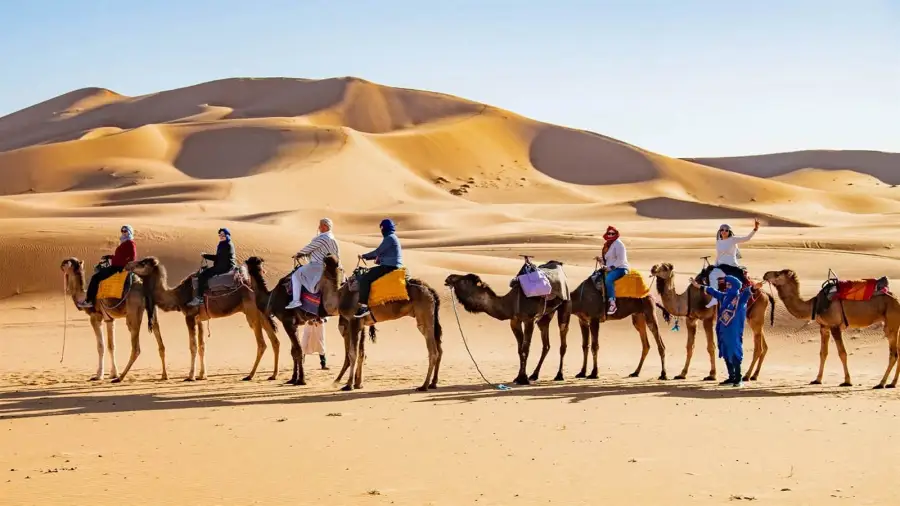
Also loved by solo travellers
Add Morocco to your list
Planning solo travel in Morocco? Best time to go, visa basics, budget per day, safety tips for women, packing list and 5 to 14-day itineraries.
Travel solo. Explore together.
Thinking about Vietnam with a group?
Ask us anything about travelling solo with a group, or tell us your dates. When a real group trip matches, we will let you know – no spam, no invented offers.
- 1Tell us the country and monthOr just ask a question – packing, safety, budget.
- 2Get an honest answer by emailFrom people who plan group trips, not a robot.
- 3Join a real departure – or notYou only book when a date suits you. Book now, pay later.