Solo travel in Tanzania – a complete guide for joining a group
Tanzania is one of the great wildlife countries on earth and a very rewarding place to travel alone. In one trip you can watch lions and wildebeest on the Serengeti plains, look down into the Ngorongoro Crater, climb towards the snows of Kilimanjaro and finish on the white beaches and spice-scented lanes of Zanzibar. People are warm and polite, Swahili greetings open doors, and the northern safari circuit is well organised for visitors.
It is not, however, a country where most solo travellers do everything independently. You cannot walk or take public transport into the big national parks, a vehicle and guide are needed for a safari, and Kilimanjaro can only be climbed with a licensed guide and crew. Sharing that vehicle or climb with a small group gives you company at the campfire, people to spot animals with and a more predictable trip, while beach time on Zanzibar is easy to enjoy on your own.
How to get to Tanzania from the USA, UK, Canada, Australia…
Information checked: October 2026 · how we check
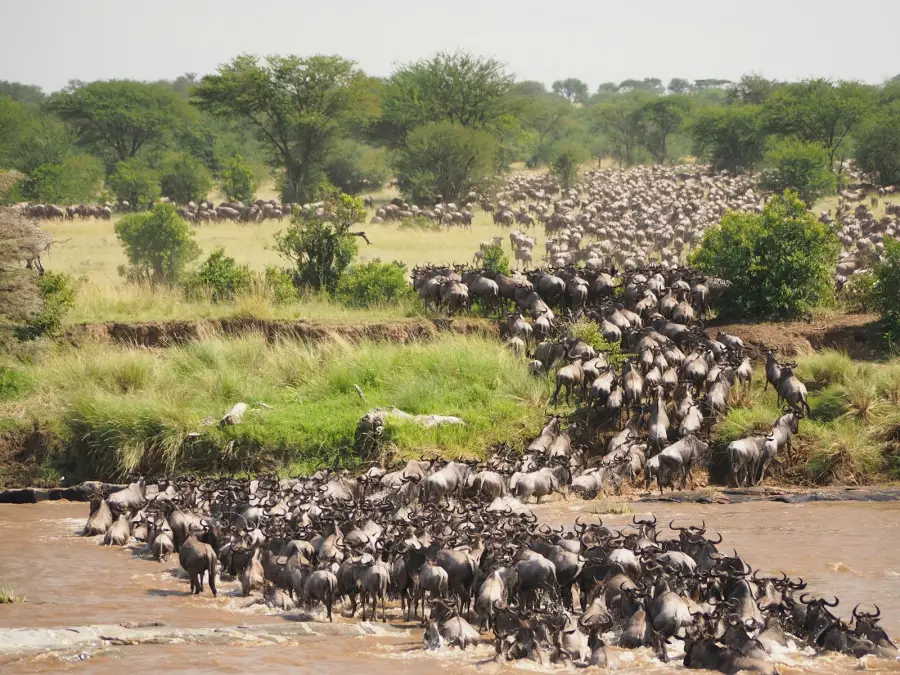
Places to visit in Tanzania as a solo traveller
A full guide for each: what to see, where to stay, safety and how many days.
Tanzania month by month
Typical weather and what each month is like for a group trip. Every year is different – check the forecast before you go.
A short dry spell between the rains; wildebeest herds usually gather on the southern Serengeti plains around this time.
Calving season usually peaks in the southern Serengeti and Ndutu area, which brings lots of predator activity.
The long rains usually begin, so expect heavy showers, greener landscapes and fewer visitors.
Usually the wettest month; some lodges and camps close, and Kilimanjaro and Zanzibar are at their rainiest.
Rain eases towards the end of the month and the parks are lush and quiet, but some roads can still be muddy.
The dry season begins, wildlife viewing improves and the herds usually move through the central and western Serengeti.
Peak season for safaris and Kilimanjaro climbs, with river crossings often starting in the northern Serengeti.
Dry, clear and busy; book well ahead, especially for camps near the Mara River and Ngorongoro.
Still dry with excellent game viewing, and a little less crowded than July and August.
Hot, dusty and good for safaris; the herds often begin to move south again later in the month.
The short rains usually arrive as afternoon showers; travel is still very possible and prices for stays often drop.
Showers ease after the short rains, Zanzibar is busy for the holidays and the herds return to the south.
Great timeMixedTough (heat, rain or crowds)
Solo travel in Tanzania: the guide
Why join a group trip in Tanzania as a solo traveller
Tanzania is a country where the big experiences are almost always shared. A safari in the Serengeti, Tarangire or the Ngorongoro Crater needs a 4x4 vehicle and a driver-guide, because walking and public transport are not allowed in most of the parks. If you book a private safari on your own, you carry the whole cost of the vehicle and guide. Joining a small group, or a shared safari with other travellers, splits those costs and gives you more eyes for spotting a leopard in a tree.
Kilimanjaro works the same way. By park rules, climbers go with a licensed guide and usually a crew of porters and a cook. A group climb means you walk with others at the same pace, share meals in the mess tent and support each other on the long summit night, which starts around midnight and is the hardest part of the climb for most people.
Company in camps and lodges
Evenings on safari are long. It gets dark around 6.30 to 7 pm all year, and many camps are unfenced, so you stay inside after dinner. Having people to talk to over the campfire about the day's sightings makes a big difference, and group meals are the norm in many tented camps.
- Rooms: ask whether solo travellers can share a tent or room with another solo traveller of the same gender, or whether a private room is available for an extra fee.
- Vehicle seats: check how many people share a vehicle and whether everyone gets a window seat; pop-up roofs are useful for photography.
- Driving time: the roads between Arusha, the crater and the central Serengeti are long and bumpy, so look at how many hours each day involves.
- Kilimanjaro: compare the route and number of days, as more days usually means better acclimatisation and a better chance of reaching the top.
A popular pattern for solo travellers is to join a group for the safari or the climb, then spend a few independent days in Stone Town and on the Zanzibar beaches, where it is easy to get around and meet people on your own.
Best time to visit Tanzania
The best time to visit Tanzania for most travellers is the long dry season, from about late June to October. Vegetation thins out, animals gather near rivers and waterholes, roads are easier and the risk of malaria is usually lower. January and February, between the two rainy seasons, are also a very good time, especially for the southern Serengeti.
The rainy seasons
Tanzania usually has two rainy seasons. The long rains fall roughly from March to May, with April often the wettest month. The short rains come around November and early December, usually as afternoon showers rather than days of rain. Travel during the rains is possible and quieter, but some camps close, unpaved roads can be difficult, and Kilimanjaro and Zanzibar are less pleasant.
The Great Migration in general terms
The movement of huge herds of wildebeest and zebra around the Serengeti and Kenya's Masai Mara follows the rain and fresh grass, so timing changes from year to year. As a rough guide:
- Around December to March: the herds are usually on the short-grass plains of the southern Serengeti and Ndutu area, where calving often takes place in February.
- Around April to June: they tend to move north and west through the central Serengeti and towards the Western Corridor.
- Around July to October: many are in the northern Serengeti and across the border in Kenya, where river crossings can happen.
- Around November: they usually begin moving south again with the short rains.
Nobody can promise a river crossing on a particular day, so treat the migration as a bonus. The Serengeti has resident wildlife all year.
Kilimanjaro and Zanzibar
Kilimanjaro is usually climbed in the drier months, roughly January to early March and June to October. The summit is cold all year, often well below freezing at night. Zanzibar is hot and humid year-round, around 26–32°C, and best outside the long rains. During Ramadan, many cafés and restaurants in Stone Town close in daylight hours, and modest behaviour is even more appreciated.
What to pack for Tanzania
A Tanzania packing list depends on what you are doing, because a typical trip combines three very different climates: dusty safari plains, a cold high mountain and a hot, humid tropical island. Pack light, as small safari vehicles and domestic flights often have limited luggage space, and soft bags are easier to load than hard suitcases.
For safari
- Neutral colours such as khaki, beige, olive and brown. Avoid dark blue and black, which can attract tsetse flies in some areas.
- Light long-sleeved shirts and trousers for sun and insects, especially at dusk.
- A warm fleece or jacket: early game drives and the Ngorongoro Crater rim are cold, sometimes around 5–10°C at dawn.
- Binoculars, a hat with a brim, sunglasses and a scarf or buff for dust.
- A camera with a zoom lens and spare batteries; charging can be limited in camps.
For Kilimanjaro
Climbing needs proper layered clothing: thermal base layers, a fleece, an insulated down jacket, waterproof jacket and trousers, warm gloves, a warm hat and well-worn-in hiking boots. A sleeping bag rated for well below freezing is important. Equipment can often be rented locally in Moshi or Arusha, but check its quality and fit before you set off.
For Zanzibar and the coast
Zanzibar is mainly Muslim, so in Stone Town and villages cover your shoulders and knees. Swimwear is fine on hotel beaches but not in town. Pack reef-safe sunscreen, sandals and a light cover-up.
Practical items
- Insect repellent with DEET or a similar active ingredient, and any antimalarial medicine your doctor or travel clinic recommends.
- A plug adapter for Type G (and D) sockets.
- Clean, recent US dollar notes in good condition if you will pay any costs in dollars; older or torn notes are often refused.
- Your yellow fever certificate if it applies to your route.
Tanzania has banned plastic carrier bags, and they may be taken at the airport, so pack with reusable bags or packing cubes instead.
Tanzania visa and entry requirements
Most visitors to Tanzania need a visa, including many travellers from Europe, North America and Australia. Rules depend on your nationality and can change, so always check before you book flights.
How to get a Tanzania visa
Tanzania runs an electronic visa (eVisa) system through the Tanzania Immigration Services Department. Many nationalities can apply online in advance, and applying early is sensible because processing times vary. Visas on arrival have been available at main entry points for some nationalities, but the rules and queues change, so check the current situation for your passport. Use only the official immigration website and be careful of unofficial sites that look similar and charge extra fees.
Passport, health and insurance
- Passport: it should usually be valid for at least six months after you arrive and have blank pages; check the exact requirement.
- Yellow fever: you may need a vaccination certificate if you arrive from, or have transited through, a country with a risk of yellow fever. Check your route carefully, as transit rules can catch people out.
- Zanzibar: Zanzibar has its own rules for visitors, including a requirement for travel insurance that has been introduced in recent years. Check the current Zanzibar requirements before you go.
- Travel insurance: strongly recommended for everyone. It should cover medical evacuation, safari travel and trekking at high altitude if you are climbing Kilimanjaro, as some policies have height limits.
Crossing borders
Many travellers combine Tanzania with Kenya, Rwanda or Uganda. The East Africa Tourist Visa covers Kenya, Rwanda and Uganda but does not currently include Tanzania, so you will usually need a separate Tanzanian visa. Check whether your Tanzanian visa is single or multiple entry if you plan to leave and come back.
Where to check
- Your own government's travel advice for Tanzania, such as the UK Foreign Office, the US State Department or Smartraveller in Australia.
- The official website of the Tanzania Immigration Services Department, or the Tanzanian embassy or high commission in your country.
How much does a trip to Tanzania cost?
Tanzania has two very different budgets: the cost of everyday travel, which can be quite low, and the cost of safaris and climbs, which are the biggest part of most trips. All figures below are approximate 2026 ranges in euros for independent travel only; the local currency is the Tanzanian shilling (TZS), and prices change, so check before you go.
Tanzania budget per day
- Low budget, around €35–55 per day: hostel dorms or simple guesthouses in Arusha, Moshi, Dar es Salaam or Stone Town, local food, dala-dalas and buses.
- Mid-range, around €80–150 per day: a private room in a good guesthouse or small hotel, restaurant meals, taxis and some paid activities.
These figures do not include safaris, Kilimanjaro climbs or park entry, which are separate and much larger costs.
Park and conservation fees
The national parks and the Ngorongoro Conservation Area charge entry and concession fees, usually per person and per day, and sometimes also for vehicles and camping. These fees are a large part of the cost of any safari or climb and are set by the authorities, not by the person selling you the trip. They change from time to time, so check the current fees with the official park authority, the Tanzania National Parks Authority (TANAPA) or the Ngorongoro Conservation Area Authority, and ask whether they are included in any trip you compare.
Typical everyday costs
A dorm bed in Arusha or Stone Town is often around €10–20, and a double room in a simple guesthouse around €25–50. A local meal of chipsi mayai, rice and beans or nyama choma can cost €2–5, while a meal in a restaurant aimed at visitors is often €10–20. A dala-dala ride usually costs well under €1, and a short bajaji ride a few euros.
Tips and extras
Tips are an important part of income for safari guides, cooks, porters and mountain guides. Ask for current guidance when you book so you can bring enough cash, and set aside money for visa fees, travel insurance and vaccinations. ATMs are common in cities but rare in parks and rural areas, and card payments may carry a surcharge.
Is Tanzania safe for solo and female travellers?
Most visits to Tanzania, including by solo women, pass without problems, and many travellers find people friendly and helpful. As in many countries, petty crime does happen, mainly in cities and busy beach areas, and a few sensible habits reduce the risk. Read your government's current travel advice before you go; some governments advise against travel to certain areas near the Mozambique border in the far south, so check the latest version.
Common issues
- Theft: bag snatching and pickpocketing happen in Dar es Salaam, Arusha and Stone Town. Carry little, keep your phone out of sight on the street and use a hotel safe.
- At night: avoid walking alone after dark, including on quiet beaches. Take a taxi booked through your accommodation instead.
- Touts: in Arusha, Moshi and Stone Town, people may offer cheap safaris, spice tours or guiding. Book through places with clear licensing and good recent reviews rather than on the street.
- Boda-bodas: motorbike taxis are common but involved in many accidents; if you use one, insist on a helmet, or choose a car or bajaji.
- Road safety: long-distance roads can be dangerous, so travel in daylight and choose reputable bus companies or organised transport.
Tips for women travelling alone
Women travelling solo in Tanzania usually report friendly encounters, with occasional comments or persistent attention, particularly from beach boys on Zanzibar and touts in town. A polite but firm no usually works. Modest dress in Stone Town and on the coast, where most people are Muslim, helps you blend in and shows respect. Choose accommodation with good reviews from other solo women, arrange airport transfers in advance and arrive in daylight where possible.
Wildlife and health
On safari, always follow your guide's instructions, stay inside the vehicle in the parks and do not walk around unfenced camps at night without an escort. Malaria is present in much of the country, so ask a travel clinic about prevention and use repellent. On Kilimanjaro, altitude sickness is the main risk: climb slowly, tell your guide about any symptoms and be prepared to turn back.
Same-sex relationships are illegal in Tanzania, and LGBTQ+ travellers should read their government's advice on local laws.
Getting around Tanzania
Tanzania is a big country, roughly twice the size of France, and getting around takes time. The main visitor areas are the northern safari circuit around Arusha, the Kilimanjaro area around Moshi, the coast around Dar es Salaam, and Zanzibar.
Arriving
The main international airports are Kilimanjaro International Airport, between Arusha and Moshi, which suits safaris and climbs; Julius Nyerere International Airport in Dar es Salaam; and Abeid Amani Karume International Airport on Zanzibar. Arusha also has a smaller airport for domestic flights.
Buses and dala-dalas
Long-distance buses link Dar es Salaam, Arusha, Moshi, Dodoma, Mwanza and other cities. They are cheap but journeys are long, often eight to ten hours or more between Dar and Arusha. Choose a reputable company, travel in the day and keep valuables with you. Dala-dalas are the minibuses used for local and short regional trips; they are crowded but a good way to see everyday life.
Trains
A new standard gauge railway connects Dar es Salaam with Morogoro and Dodoma and is being extended further inland. It is a comfortable alternative to the bus on that route. Older lines run more slowly and less reliably.
Taxis, bajajis and boda-bodas
- Taxis: agree the fare before you get in, or use a ride-hailing app where available in Dar es Salaam and Arusha.
- Bajajis: three-wheeled tuk-tuks, cheap for short trips in towns.
- Boda-bodas: motorbike taxis, fast but riskier.
Flights and ferries
Domestic flights connect Arusha, Kilimanjaro, Dar es Salaam, Zanzibar and airstrips inside the Serengeti and other parks. They save long drives, but small planes have strict soft-bag luggage limits. Fast ferries run between Dar es Salaam and Stone Town in around two hours, with onward services to Pemba at times.
Safaris and self-drive
Self-drive safaris are possible but uncommon, as roads in the parks are rough and permits, fees and navigation are complex. Most solo travellers join a shared or group safari with a professional guide.
Culture, etiquette and food
Tanzania has more than 120 ethnic groups, from the Maasai of the northern plains and the Chagga on the slopes of Kilimanjaro to the Swahili communities of the coast and Zanzibar. Swahili is a shared language, and its culture of courtesy shapes everyday life. Taking time over greetings is important; rushing straight into a question can seem rude.
Useful Swahili
- Jambo or habari: hello, how are you. To elders, shikamoo is a respectful greeting.
- Asante (sana): thank you (very much).
- Pole pole: slowly, slowly, a phrase you will hear constantly on Kilimanjaro.
- Karibu: welcome, and hakuna matata: no problem.
Etiquette
- Ask before taking photos of people, especially Maasai, and accept a no; some will ask for payment.
- Dress modestly in towns and on Zanzibar, covering shoulders and knees.
- Use your right hand for eating, greeting and passing things.
- Public displays of affection are best kept minimal, and drinking alcohol in public on Zanzibar is frowned on outside hotels and bars.
- It is illegal to photograph some government buildings, police and military sites.
What to eat in Tanzania
Ugali, a stiff porridge of maize flour, is the everyday staple, eaten with your fingers alongside beans, greens or stews. Nyama choma, grilled meat often shared at bars on weekends, is a social meal. Chipsi mayai, a chips omelette, is a favourite cheap snack, and mishkaki are spiced meat skewers. On the coast, try pilau rice and biryani, coconut fish curries and fresh seafood.
In Stone Town, the evening food stalls in Forodhani Gardens sell grilled seafood, sugar cane juice and Zanzibar pizza, a filled pancake cooked on a hot plate. Try urojo, a tangy soup sometimes called Zanzibar mix. Tanzanian coffee from the Kilimanjaro slopes and tea from the southern highlands are both good, and chai is drunk everywhere.
Music and festivals
Zanzibar is known for taarab music, and festivals such as the Sauti za Busara music festival and the Zanzibar International Film Festival have been held in Stone Town in some years. Dates change, so check local listings.
Meeting other travellers in Tanzania
Tanzania is a sociable country for solo travellers, because so much of the travel is shared. Many people pass through the same few hubs, Arusha and Moshi before a safari or climb, then Stone Town and the beaches of Zanzibar afterwards, so you often meet the same faces along the way.
Where solo travellers meet
- Hostels in Arusha and Moshi: the night before a climb or safari, common areas fill with people comparing routes and kit.
- Shared safaris: spending several days in the same vehicle and camp quickly turns strangers into travel companions.
- Kilimanjaro climbs: group climbs bring together people from many countries for a week of walking, meals and a shared summit night.
- Stone Town: rooftop bars at sunset, the Forodhani food market, cooking classes and spice farm visits are relaxed ways to meet people.
- Zanzibar beaches: Nungwi and Kendwa in the north are lively in the evenings, and Paje on the east coast has a friendly kitesurfing scene with group lessons.
Joining a group trip
A small group trip is the easiest way to have company for the whole journey. When comparing options, look at the group size and age range, whether solo travellers can share a tent or room, how many people share a safari vehicle, whether park fees and tips are included, and how much free time you get. There are group trips focused on wildlife photography, trekking, beaches or women travelling together.
Meeting Tanzanians
Some of the best moments come from local encounters: a walk through a Chagga village and coffee farm near Moshi, a visit to a Maasai community arranged in a respectful way, a hike in the Usambara Mountains with a local guide, or a meal with a Zanzibari family. Learning a few words of Swahili is appreciated everywhere. Stay friendly but cautious with people who approach you on the street with offers.
Tanzania packing list
- Neutral-coloured safari clothes in khaki, beige or olive
- Light long-sleeved shirts and trousers against sun and insects
- Warm fleece or down jacket for early game drives and the crater rim
- Thermal layers, insulated jacket, gloves and hat for Kilimanjaro
- Waterproof jacket and trousers for the mountain and the rains
- Broken-in hiking boots plus light trainers or sandals
- Binoculars and a camera with a zoom lens
- Spare batteries and a power bank for camps with limited charging
- Wide-brimmed hat, sunglasses and high-factor sunscreen
- Buff or scarf for dust on safari roads
- Insect repellent and any antimalarial medicine your clinic advises
- Modest clothes covering shoulders and knees for Stone Town
- Swimwear, cover-up and reef-safe sunscreen for Zanzibar
- Soft duffel bag for safari vehicles and small planes
- Type G plug adapter
- Clean, recent US dollar notes in good condition if needed
- Yellow fever certificate if your route requires it
- Reusable bags or packing cubes, as plastic bags are banned
The general list for any trip: solo travel packing list.
Typical costs in Tanzania
| What | Basic | Mid-range |
|---|---|---|
| Hostel dorm bed | €10–20 | €50–100 (guesthouse or small hotel double) |
| Local meal | €2–5 (chipsi mayai, ugali, rice and beans) | €10–20 (restaurant) |
| Street snack in Forodhani Gardens | €1–4 | €5–10 (seafood grill) |
| Coffee or soft drink | €0.50–1.50 | €2–4 (café) |
| Dala-dala ride | under €1 | €3–10 (taxi in town) |
| Long-distance bus, e.g. Dar es Salaam–Arusha | €12–25 | €20–35 (more comfortable coach seat) |
| Local SIM card with data | €5–10 | €10–20 |
| Bottled water (1.5 litres) | €0.50–1 | €2–3 (in lodges) |
Approximate prices for 2026 in euros. Prices change – check before you go. More: how to budget a solo trip.
Tanzania itineraries: 5, 7, 10 and 14 days
Routes that work for a first visit – on your own or as the shape of a group trip.
Tanzania in 5 days: northern safari highlights
Arusha – Tarangire – Ngorongoro – Arusha
- Day 1Arrive in Arusha
Fly into Kilimanjaro International Airport, transfer to Arusha and rest; meet your group or guide in the evening.
- Day 2Tarangire National Park
Game drive among baobab trees and large herds of elephants, especially rewarding in the dry season.
- Day 3Lake Manyara or Karatu
Visit Lake Manyara's forests and lake shore, or walk in the coffee farms and villages around Karatu.
- Day 4Ngorongoro Crater
Descend into the crater early for a full day among lions, buffalo, hippos and, with luck, black rhino.
- Day 5Back to Arusha
Drive back to Arusha for your flight, or continue to Zanzibar for beach days.
Tanzania in 7 days: Serengeti, Ngorongoro and Tarangire
Arusha – Tarangire – Serengeti – Ngorongoro – Arusha
- Day 1Arusha
Arrive and settle in, with time for the central market or a walk around town if you feel like it.
- Day 2Tarangire
Spend the day watching elephants, giraffes and birdlife along the Tarangire River.
- Days 3–5Serengeti
Drive via the Ngorongoro highlands to the Serengeti for game drives in the area where the herds are in that season, plus the central Seronera region.
- Day 6Ngorongoro Crater
Return east for an early descent into the crater, then stay on the cool crater rim or in Karatu.
- Day 7Back to Arusha
Drive back to Arusha and Kilimanjaro airport, or fly to Zanzibar.
Tanzania in 10 days: safari and Zanzibar
Arusha – Tarangire – Serengeti – Ngorongoro – Zanzibar
- Days 1–6Northern safari circuit
Follow a shared or group safari through Tarangire, the Serengeti and the Ngorongoro Crater.
- Day 7Fly to Zanzibar
Take a domestic flight to Zanzibar and spend the evening at the Forodhani Gardens food market in Stone Town.
- Day 8Stone Town and spices
Walk the old town's carved doors, markets and the House of Wonders area, and visit a spice farm.
- Days 9–10Beach time
Relax in Nungwi, Kendwa or Paje, with a snorkelling trip or a visit to Jozani Forest for red colobus monkeys, before flying home.
Tanzania in 2 weeks: Kilimanjaro, safari and beach
Moshi – Kilimanjaro – Arusha – Serengeti – Ngorongoro – Zanzibar
- Day 1Moshi
Arrive, check your gear and meet your climbing group and guide for a briefing.
- Days 2–8Climb Kilimanjaro
Take a longer route such as the Lemosho or Machame, giving time to acclimatise before the night ascent to Uhuru Peak at about 5,895 metres.
- Days 9–11Short safari
Rest your legs on a shared safari to the Ngorongoro Crater and Tarangire, or to the Serengeti if you can fly one way.
- Days 12–14Zanzibar
Fly to Zanzibar for Stone Town and a few days of swimming and relaxing on the beach before your flight home.
Where to go in Tanzania
The two gateway towns for safaris and Kilimanjaro, with hostels, markets, coffee farms and many fellow travellers.
Vast open plains with big cats and the herds of the Great Migration, at their most famous in a shared vehicle with good spotters.
A huge volcanic caldera packed with wildlife, usually visited in a single unforgettable day from the cool crater rim.
Shorter safari stops close to Arusha, known for elephants, baobabs and birdlife, good for a short trip.
Africa's highest mountain, climbed without technical skills but with a licensed guide, plenty of days and good preparation.
A historic Swahili trading town and beaches with clear water, easy to explore alone after a safari or climb.
Green hills around Lushoto with village walks and viewpoints, a quiet, cooler break from the safari circuit.
Wilder, less visited parks in the south with boat and walking safaris, best for a second trip or a longer one.
Group trips in Tanzania for solo travellers
We have no confirmed group departure in Tanzania yet. We only list real dates.
Host your own group trip to TanzaniaHow to choose a group tripSingle supplement explained
Solo travel in Tanzania: questions
Is Tanzania good for solo travel?
Yes. Tanzania is a rewarding solo destination with friendly people, a well-organised safari circuit and easy beach time on Zanzibar. Because safaris and Kilimanjaro climbs need vehicles, guides and crews, most solo travellers join a shared or small group trip for those parts.
Is Tanzania safe for solo female travellers?
Many women travel in Tanzania alone and have a good experience. Petty theft and persistent attention from touts or beach boys are the most common problems, mainly in cities and on Zanzibar. Dress modestly in Stone Town, avoid walking alone at night and check your government's latest travel advice.
What is the best time to visit Tanzania?
The long dry season, roughly late June to October, is usually best for safaris and Kilimanjaro. January and February are also good, especially for calving in the southern Serengeti. The long rains, around March to May, are the most difficult time to travel.
When is the Great Migration in Tanzania?
The herds move all year following the rains, so there is no fixed date. In general they are in the southern Serengeti around December to March, move north and west around April to June, and are often in the northern Serengeti and Kenya around July to October. Timing varies every year.
Do I need a visa for Tanzania?
Most visitors need a visa, and many nationalities can apply online in advance through the official eVisa system of the Tanzania Immigration Services Department. Rules depend on your passport and can change, so check the official immigration website and your government's travel advice before you travel.
Can I climb Kilimanjaro on my own?
You can join a climb as a solo traveller, but you cannot climb without a licensed guide, as park rules require one. Many solo travellers join a group climb, which gives company on the trail and at meals. Choose a route with enough days to acclimatise.
How many days do I need in Tanzania?
Five to seven days is enough for a northern safari to Tarangire, the Serengeti and the Ngorongoro Crater. Ten days lets you add Zanzibar, and two weeks or more is needed to combine a Kilimanjaro climb, a safari and the beach.
Do I need malaria tablets for Tanzania?
Malaria is present in much of Tanzania, including Zanzibar and the safari areas, though risk is low at high altitude. Speak to a doctor or travel clinic several weeks before you go about tablets, and use insect repellent and long sleeves in the evening.
What should I wear on Zanzibar?
Zanzibar is mainly Muslim, so in Stone Town and villages cover your shoulders and knees. Swimwear is fine on hotel beaches and in the sea, but cover up when you walk into a village or town.
How much money do I need per day in Tanzania?
For independent travel, budget travellers can manage on roughly €35–55 per day and mid-range travellers around €80–150 (approximate, check before you go). Safaris, Kilimanjaro climbs and park fees are separate and are the biggest costs of most trips.
Tanzania for solo travellers, groups and women: more questions
Is Tanzania a good destination for a first solo trip?
Tanzania can be a great first solo trip to Africa if you are happy to join others for the big experiences. You cannot enter most national parks on foot or by public transport, and Kilimanjaro requires a licensed guide, so the safari or climb is usually shared with a small group. Zanzibar and Stone Town are easy to explore independently afterwards.
Is one week enough for Tanzania if I travel alone?
Seven days is enough for a northern safari circuit covering Tarangire, the Serengeti and the Ngorongoro Crater, starting and ending in Arusha. Adding Zanzibar needs about ten days, and combining a Kilimanjaro climb with a safari and the beach realistically needs two weeks or more.
Can I go on safari in Tanzania as a solo traveller?
Yes. Solo travellers usually join a shared or small group safari, where several people use the same 4x4 vehicle and driver-guide. This spreads the cost of the vehicle, gives you company at camp in the evenings and means more people looking out for wildlife. A private safari is possible but you pay for the whole vehicle yourself.
Is Tanzania safe for solo female travellers?
Many women travel in Tanzania alone and have positive experiences. The main issues are petty theft in cities and persistent attention from touts and beach boys, especially in Stone Town and on Zanzibar beaches. Dressing modestly in coastal towns, avoiding walking alone after dark and booking well-reviewed accommodation and transfers all help; check your government's latest travel advice.
Can I climb Kilimanjaro alone?
You can sign up as a solo traveller, but you cannot climb without a licensed guide, as park rules require one, and climbs normally include porters and a cook. Many solo travellers join a group climb on routes such as the Machame or Lemosho. Choosing a route with more days improves acclimatisation and your chance of reaching Uhuru Peak at about 5,895 metres.
When is the best time to see the Great Migration?
The herds move all year following the rains, so timing varies from year to year. In general they are on the southern Serengeti plains around December to March, with calving often around February, move north and west around April to June, and are often in the northern Serengeti and Kenya's Masai Mara around July to October. River crossings can never be guaranteed on a particular day.
Is Zanzibar good for solo travellers?
Yes, Zanzibar is one of the easiest parts of Tanzania to enjoy alone. Stone Town has hostels, rooftop bars, food markets and spice farm visits, while Nungwi and Kendwa are lively in the evenings and Paje has a sociable kitesurfing scene. Zanzibar is mainly Muslim, so dress modestly in town and villages.
Where do solo travellers stay in Tanzania?
Before a safari or climb, most solo travellers stay in hostels or guesthouses in Arusha or Moshi, where they meet other travellers preparing for the same trips. On safari, accommodation is usually in tented camps or lodges included in the trip. In Zanzibar, Stone Town and the beach villages have hostels and small guesthouses; a dorm bed often costs around €10–20 (approximate, check before you go).
How do I meet other travellers in Tanzania?
Shared safaris and group Kilimanjaro climbs are the easiest way, as you spend days together in the same vehicle or camp. Hostels in Arusha, Moshi and Stone Town are sociable, and the Forodhani Gardens food market, cooking classes and spice tours in Stone Town mix travellers too. On Zanzibar, kitesurfing lessons in Paje and beach bars in Nungwi are good places to meet people.
Do I need a visa for Tanzania as a tourist?
Most visitors need a visa, and many nationalities can apply online in advance through the official eVisa system of the Tanzania Immigration Services Department. Rules depend on your passport and can change, so check the official immigration website and your own government's travel advice, and avoid unofficial visa websites that add fees.
Is Tanzania expensive for solo travellers?
Everyday costs are moderate: roughly €35–55 a day covers hostels, local food and buses, and around €80–150 a day gets you comfortable guesthouses and restaurant meals (approximate, check before you go). Safaris, Kilimanjaro climbs and park fees are the biggest costs and are separate. For solo travellers, sharing a vehicle on a group safari is the main way to keep the cost reasonable.
Are there women-only group trips to Tanzania?
Yes, some group trips to Tanzania are designed for women travelling together, including safaris, Kilimanjaro climbs and Zanzibar extensions. Mixed small groups are also common and comfortable for solo women. When comparing, look at group size, room or tent sharing arrangements, what is included and reviews from other solo women.
Is Tanzania good for solo travellers over 50?
Yes. A lodge-based safari on the northern circuit suits many older travellers, as the guide drives and you spend the day watching wildlife from the vehicle. Expect bumpy roads and early starts, and check fitness and altitude advice if you plan to climb Kilimanjaro. Travel insurance with medical evacuation is important at any age.
What should I pack for a Tanzania safari?
Pack neutral-coloured clothing, light long sleeves for sun and insects, a warm fleece for cold early game drives and the Ngorongoro Crater rim, a hat, sunglasses, binoculars and a camera with a zoom lens. Use a soft duffel bag, as safari vehicles and small planes have limited space, and do not bring plastic carrier bags, which are banned in Tanzania.
Do I need malaria tablets for Tanzania?
Malaria is present in much of Tanzania, including Zanzibar and the main safari areas, though the risk is low at high altitude on Kilimanjaro. Speak to a doctor or travel clinic well before you travel about prevention, and use repellent and long sleeves in the evening. Also check whether you need a yellow fever certificate for your route.
People also search for
solo travel tanzania tanzania solo female travel is tanzania safe for solo female travellers tanzania group tours for solo travellers small group safari tanzania join a group safari tanzania serengeti safari solo traveller kilimanjaro group climb solo zanzibar solo travel is zanzibar safe for women tanzania itinerary 10 days best time to visit tanzania for safari great migration best time to see tanzania safari without single supplement tanzania budget per day women only safari tanzania
Official sources to check before you go
- UK Foreign Office travel advice: Tanzania
- US State Department international travel information
- Smartraveller (Australian Government) destinations
Entry rules, safety advice and prices change. This guide is general information, not legal or medical advice – always check your own government's travel advice.
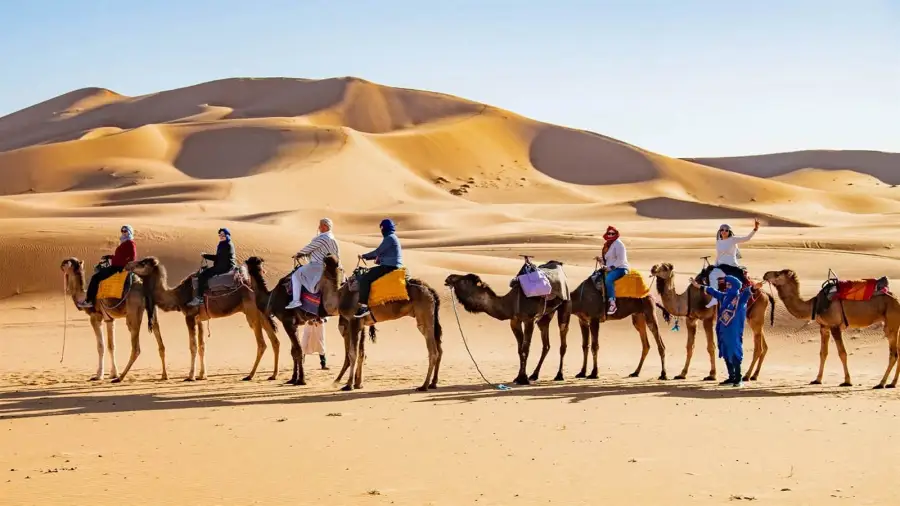
Also loved by solo travellers
Add Morocco to your list
Planning solo travel in Morocco? Best time to go, visa basics, budget per day, safety tips for women, packing list and 5 to 14-day itineraries.
More of Africa
AfricaMorocco Best: Mar–May, Sep–Nov from €35–50/day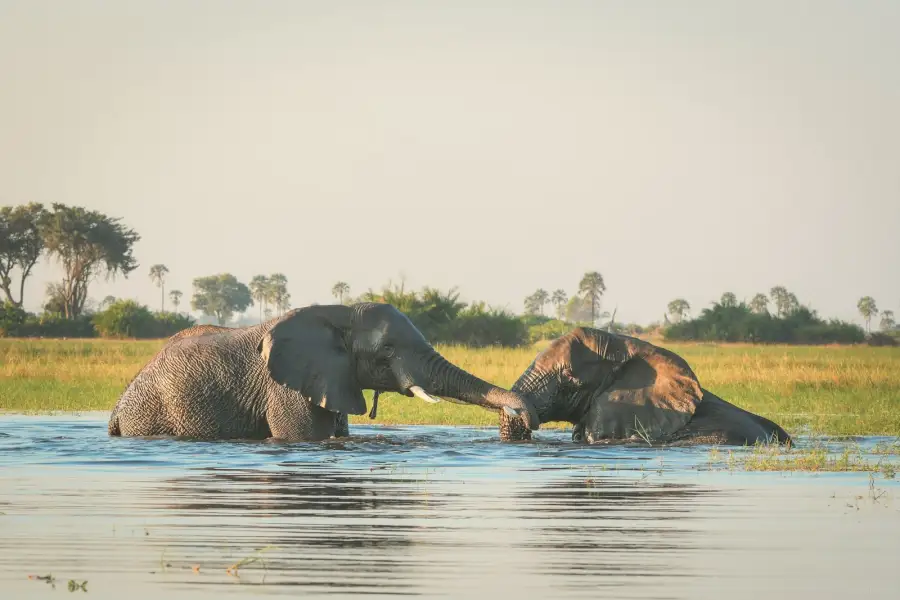 AfricaBotswana Best: May–Oct for wildlife; Jan–Apr for green-season birds and the pans from €50–80/day (camping, self-catering, buses)
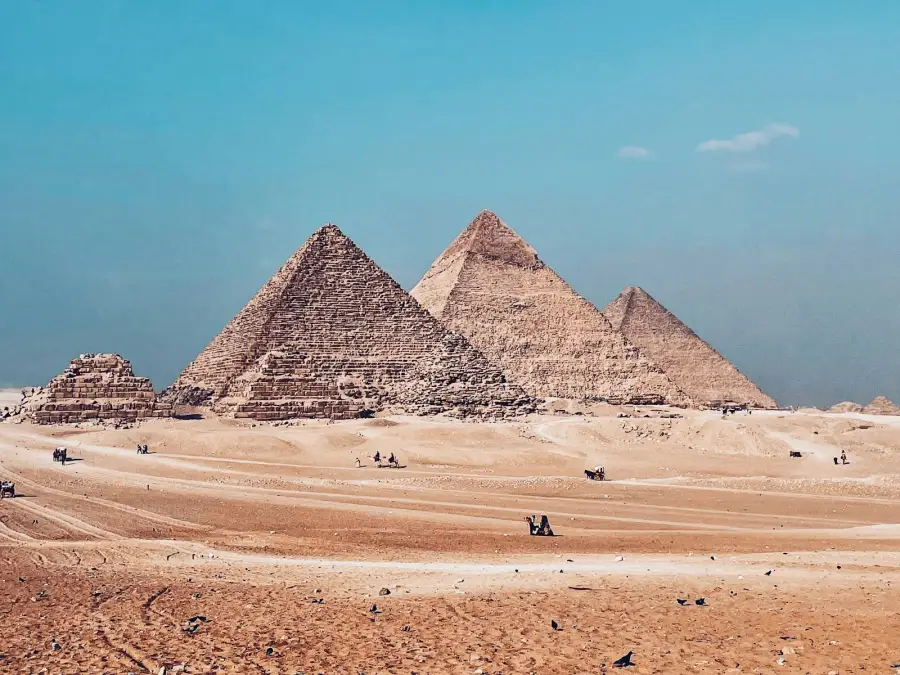 AfricaEgypt Best: Oct–Apr from €30–45/day
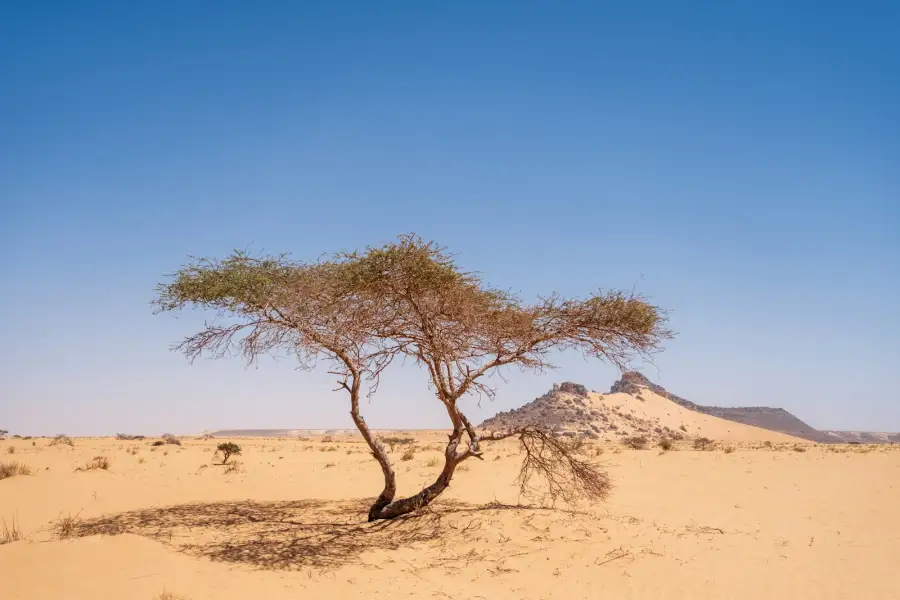 AfricaMauritania Best: Nov–Feb from €40–60/day (basic auberges, shared transport)
Travel solo. Explore together.
Thinking about Tanzania with a group?
Ask us anything about travelling solo with a group, or tell us your dates. When a real group trip matches, we will let you know – no spam, no invented offers.
- 1Tell us the country and monthOr just ask a question – packing, safety, budget.
- 2Get an honest answer by emailFrom people who plan group trips, not a robot.
- 3Join a real departure – or notYou only book when a date suits you. Book now, pay later.