Solo travel in Peru – a complete guide for joining a group
Peru is a rewarding destination for solo travellers. Machu Picchu, the Sacred Valley, the colonial streets of Cusco and Arequipa, Lake Titicaca and the Amazon rainforest are all reachable on a well-established route, and Lima has become one of the most exciting food cities in South America. Hostels and trekking trips make it easy to meet other people.
A group trip helps because Peru involves more planning than many countries: high altitude, limited and timed Machu Picchu tickets, trekking permits, long bus journeys and early starts. With a group, permits, trains and acclimatisation days are built into the plan, and you have company on the long days in the mountains.
How to get to Peru from the USA, UK, Canada, Australia…
Information checked: October 2026 · how we check
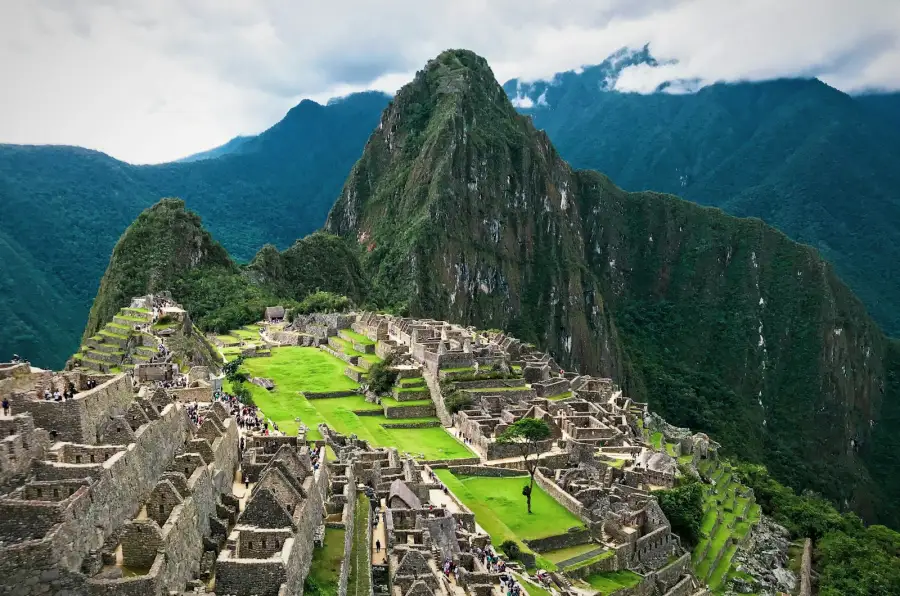
Places to visit in Peru as a solo traveller
A full guide for each: what to see, where to stay, safety and how many days.
Peru month by month
Typical weather and what each month is like for a group trip. Every year is different – check the forecast before you go.
Rainy season in the Andes, with afternoon storms; good for the coast and Lima's summer.
Usually the wettest month in the mountains; the classic Inca Trail closes for maintenance.
Rains start to ease late in the month; landscapes are very green and visitor numbers lower.
A good shoulder month: drier trails, green valleys and fewer people than mid-year.
Start of the dry season in the Andes, with clear skies and good trekking.
Dry and clear in the mountains; Inti Raymi in Cusco on 24 June makes it very busy.
Peak season for Machu Picchu and treks; book tickets and permits well ahead.
Still dry and busy in the Andes; Lima is usually grey and cool under coastal mist.
Excellent trekking weather with slightly fewer people than July and August.
Shoulder season, usually still fairly dry, with occasional showers starting.
Rains begin in the mountains and the Amazon; the coast starts warming up.
Wet season in the Andes; Christmas celebrations in Cusco are colourful and lively.
Great timeMixedTough (heat, rain or crowds)
Solo travel in Peru: the guide
Why join a group trip in Peru as a solo traveller
Plenty of people backpack Peru alone. Even so, it is one of the countries where joining a group can make the most practical difference, especially if this is your first trip to South America.
Permits and tickets
Entry to Machu Picchu is limited by daily ticket numbers, entry times and set routes (circuits) through the site. The classic Inca Trail requires a permit and must be walked with a licensed operator, and permits for the busiest months can sell out months in advance. A group trip handles these bookings, along with the trains to Aguas Calientes, so you are not trying to fit all the pieces together yourself.
Altitude needs planning
Cusco sits at about 3,400 metres and Lake Titicaca at around 3,800 metres. Most people need a couple of days to adjust. Group itineraries usually build in acclimatisation by starting lower, for example in the Sacred Valley, before moving up. Having a guide who knows the signs of altitude sickness is reassuring when you are on your own.
Long days are better with company
Overnight buses between Arequipa, Puno and Cusco, early starts for Colca Canyon or Rainbow Mountain, and multi-day treks such as Salkantay or Lares are tiring. Sharing them with a group means someone to talk to and help if you feel unwell.
Language
English is spoken in hotels and tourist businesses in Cusco and Lima, but much less elsewhere. In rural Andean areas, Quechua is often the first language. A guide helps you understand markets, villages and the history behind the Inca and pre-Inca sites.
What to check
Look at the group size, the age range, how many nights are spent above 3,000 metres, whether porters are fairly treated on treks, and if you can book your own room. Ask how flexible the plan is if someone is affected by altitude.
Best time to visit Peru
Peru has three very different climate zones: the desert coast, the Andes and the Amazon. The best time to visit depends on which you want to see, but for most travellers the priority is the Andes and Machu Picchu.
The Andes (Cusco, Sacred Valley, Machu Picchu, Arequipa, Puno)
The dry season usually runs from around May to September. Days are often sunny, around 18–20°C in Cusco, while nights can drop close to or below freezing. This is the most popular time for treks and Machu Picchu, so it is also the busiest. The wet season, roughly November to March, brings regular afternoon rain, muddy trails and cloudier views, and February is usually the wettest month. The classic Inca Trail is closed each February for maintenance. April and October are good compromises, with fewer people and generally decent weather.
The coast (Lima, Paracas, Huacachina, Nazca)
Lima's summer, around December to March, is warm and sunny. From around May to October the capital is often grey, with a low coastal mist known as garúa, although it rarely rains properly. Further south, around Paracas and Huacachina, it is usually drier and sunnier.
The Amazon (Puerto Maldonado, Iquitos)
The rainforest is hot and humid all year. Rain is heavier from around November to April, when river levels are high. The drier months, roughly May to October, can make walking trails easier.
Festivals
Inti Raymi, the Inca festival of the sun, takes place in Cusco on 24 June, with celebrations in the days before. Corpus Christi in Cusco and the Virgen de la Candelaria festival in Puno, usually in February, are also major events. Expect higher prices and book early around these dates.
What to pack for Peru
The key challenge when packing for Peru is that you might go from desert heat to freezing mountain nights to humid jungle in the same trip. Layers are the answer.
Layers for the Andes
In Cusco and around Lake Titicaca, mornings and evenings are cold, but the midday sun is strong. Bring a thermal base layer, a fleece, a warm insulated jacket, a hat and gloves. Many guesthouses have little or no heating, so warm sleepwear helps. If you are trekking, a good sleeping bag is often available to rent, but check its temperature rating.
Sun protection
UV levels at high altitude are very high, even when it feels cool. High-factor sun cream, sunglasses with good UV protection, lip balm with SPF and a hat with a brim are essential.
Footwear
Worn-in walking boots or trail shoes are important for Machu Picchu's steps, the Inca Trail, Colca Canyon and Rainbow Mountain. Bring comfortable shoes for Cusco's cobbled, steep streets and sandals for the coast.
Rain and jungle
A waterproof jacket is useful all year in the mountains and essential in the wet season. For the Amazon, pack long, light-coloured sleeves and trousers, strong insect repellent and a head torch; lodges often switch off generators at night.
Health and practical items
Talk to a travel clinic about altitude medication, vaccinations and whether malaria precautions are needed for the Amazon region you plan to visit. Carry a basic first-aid kit, blister plasters, rehydration salts and any personal medicines. Bring a refillable bottle and purification tablets or a filter. Small notes and coins are useful for markets, toilets and tips. A copy of your passport is helpful, and you will need the original passport to enter Machu Picchu.
Peru visa and entry requirements
Entry rules depend on your nationality and can change, so treat this as a general overview and check official sources before you book.
Visa-free tourism for many nationalities
Many travellers, including citizens of the UK, EU countries, the US, Canada and Australia, have generally been able to visit Peru for tourism without a visa. The length of stay is decided by the immigration officer on arrival, so it may be shorter than you expect. If you plan a long trip, say so when you arrive and check the number of days you have been given.
Arrival records
Peru uses a digital system to record entries for many travellers, rather than a paper card stamped in your passport. Check how your entry is recorded and keep any confirmation, as you may need to show it when leaving or at hotels, where foreign visitors can sometimes avoid a sales tax by showing proof of tourist entry.
Other things to check
- Passport validity: your passport should be valid for at least six months from entry, and in good condition.
- Immigration may ask for proof of onward travel.
- Health requirements: yellow fever vaccination may be recommended for some Amazon areas, and some neighbouring countries ask for proof of vaccination if you arrive from Peru. Check with a travel clinic.
- Overstaying usually results in a fine per day when you leave.
- If you are continuing to Bolivia, Ecuador or Chile overland, check those countries' rules separately.
Where to check
Use your government's travel advice (GOV.UK foreign travel advice, travel.state.gov or Smartraveller) and contact the Peruvian embassy or consulate in your country if you are unsure about anything.
How much does a trip to Peru cost?
Day-to-day costs in Peru are moderate, but a few big-ticket items, especially around Machu Picchu, make a big difference to the total. These are approximate 2026 ranges in euros; prices are paid in Peruvian soles (PEN), and some tourist services quote in US dollars.
Peru budget per day
Budget travellers using hostels, set-menu lunches (menú del día) and long-distance buses can often manage around €30–45 per day, not counting Machu Picchu and treks. Mid-range travellers with comfortable hotels, restaurant dinners, some guided excursions and domestic flights usually spend around €70–130 per day.
The Machu Picchu budget
- Entry ticket: sold for a specific date, time and circuit, with numbers limited. Book only through official sales channels or a licensed agency.
- Train to Aguas Calientes: often one of the most expensive parts of a Peru trip; prices vary by class and season.
- Bus up to the site: a separate ticket from Aguas Calientes, or you can walk up a long, steep path.
- Treks: the Inca Trail, Salkantay and Lares are paid as packages including guides, permits where required, meals and camping.
Other costs
The Cusco tourist ticket (boleto turístico) covers many sites in the city and the Sacred Valley. Colca Canyon trips, Lake Titicaca island visits, Amazon lodges and Nazca Lines flights are all extra. Domestic flights save long bus days, for example Lima to Cusco.
Money tips
ATMs are easy to find in cities; some charge fees, so compare. Cards are accepted in many hotels and restaurants, but cash is needed in markets, small towns and on treks. Carry small notes, as change can be hard to get for large ones. Restaurants in tourist areas may add a service charge.
All figures are approximate and change with exchange rates and season – check before you go.
Is Peru safe for solo and female travellers?
Many solo travellers, including women, visit Peru every year without problems, particularly on the main Lima – Cusco – Arequipa – Puno route. Petty theft is the most common issue, and altitude is a health risk that is often underestimated.
Petty theft and street crime
Pickpocketing and bag snatching happen in busy areas of Lima, Cusco, bus stations and markets. Keep your phone out of sight on the street, use a cross-body bag and keep valuables in a locker or hotel safe. On buses, keep your daypack on your lap rather than in the overhead rack.
Taxis
Use ride-hailing apps, taxis booked through your accommodation or official airport taxis rather than hailing unmarked cars on the street, especially at night. Government travel advice has warned about robberies in unofficial taxis.
Bus travel
Choose well-known long-distance bus companies with good reviews and assigned seats, rather than the cheapest option. Many travellers prefer daytime travel on mountain roads.
Altitude
Altitude sickness can affect anyone, regardless of fitness. Symptoms include headaches, nausea, breathlessness and poor sleep. Take it easy for the first days, drink water, avoid heavy alcohol and descend if symptoms get worse. Coca tea is widely offered in the Andes. Talk to a doctor before you go, especially if you have health conditions.
Women travelling alone
Catcalling can happen, particularly in cities; ignoring it and walking on is usually best. Dress tends to be more conservative in the Andes than on the coast. Choose accommodation with good reviews from other women, be careful with drinks in nightlife areas, and be wary of anyone offering spiritual ceremonies such as ayahuasca, which carry real health and safety risks.
Nature and demonstrations
Road blockades and protests can sometimes disrupt travel, particularly in the south. Follow local news and your government's travel advice, and allow flexibility. Some remote border regions carry specific warnings, so check before travelling off the main route.
Getting around Peru
Peru is a big country with mountains in the middle, so journeys take longer than the map suggests. A mix of flights, buses and trains is usual.
Domestic flights
Flying is the quickest way to cover long distances, such as Lima to Cusco (around 1 hour 20 minutes), Lima to Arequipa, Cusco to Puerto Maldonado and Lima to Iquitos, which cannot be reached by road. Morning flights into Cusco are sometimes affected by weather, so leave a buffer before connecting trains.
Long-distance buses
Peru has a large network of intercity buses. Better companies offer cama (bed) or semi-cama seats that recline a long way, with meals and toilets on board. Popular routes include Lima to Paracas and Huacachina, Arequipa to Puno, and Puno to Cusco. Overnight services save time but are tiring; on mountain roads, many travellers choose daytime buses.
Trains to Machu Picchu
There is no road to Aguas Calientes, the town below Machu Picchu. Trains run from Cusco (Poroy or San Pedro stations, depending on season) and from Ollantaytambo in the Sacred Valley. Seats sell out in high season, so book together with your Machu Picchu tickets. There are also tourist trains between Cusco and Puno and to Arequipa, slower and more expensive, but very scenic.
In the cities
In Lima, ride-hailing apps are the simplest option. The Metropolitano bus rapid transit and the metro line are useful for some routes. Cusco's historic centre is best on foot, but take it slowly at first because of the altitude. Colectivos (shared minibuses) link Cusco with Sacred Valley towns such as Pisac, Urubamba and Ollantaytambo.
Boats
On Lake Titicaca, boats from Puno visit the Uros floating islands and Taquile and Amantaní islands. In the Amazon, lodges use river boats to reach their properties.
Culture, etiquette and food in Peru
Peru combines Indigenous Andean and Amazonian cultures with Spanish colonial history and Afro-Peruvian, Chinese and Japanese influences. This mix shows most clearly in the food.
Etiquette
- A handshake is common when meeting; friends and women often greet with a single kiss on the cheek.
- Learn a few Spanish phrases. Buenos días, por favor and gracias are appreciated everywhere. In Andean villages, Quechua greetings such as allillanchu (how are you) are a nice gesture.
- Always ask before photographing people. In Cusco, people in traditional dress with llamas often expect a small payment for photos.
- Dress modestly in churches, and respect sites such as Sacsayhuamán and Machu Picchu, where climbing on walls and certain items are not allowed.
- Bargaining is normal at craft markets, but keep it friendly and fair.
Food to try
- Ceviche: raw fish cured in lime with chilli and red onion, best eaten at lunchtime on the coast.
- Lomo saltado: stir-fried beef with onions, tomatoes and chips, a famous example of Chinese-Peruvian (chifa) cooking.
- Ají de gallina: shredded chicken in a creamy yellow chilli sauce.
- Causa: layered mashed yellow potato with fillings.
- Anticuchos: grilled skewers, traditionally of beef heart, sold at street stalls.
- Cuy: roasted guinea pig, a traditional Andean dish around Cusco and Arequipa.
- Rocoto relleno: stuffed spicy peppers, a speciality of Arequipa.
Drinks include pisco sour, the national cocktail, chicha morada (a non-alcoholic purple corn drink) and Inca Kola. Peru has thousands of potato varieties, and markets such as San Pedro in Cusco are great for trying fruit and juices.
Traditions
Many Andean communities make offerings to Pachamama (Mother Earth). You may see this before treks, when a guide makes a small offering of coca leaves.
Meeting other travellers in Peru
Peru is part of the classic South America backpacker circuit, often combined with Bolivia, Ecuador or Chile, so you will meet travellers on long trips as well as people on two-week holidays.
Hostels
Cusco has many social hostels near the Plaza de Armas and in the San Blas neighbourhood, with bars, group dinners and trip desks. Lima's Miraflores and Barranco districts, Arequipa's historic centre and the oasis of Huacachina are also easy places to meet people. In Cusco, choose a quieter hostel for the first nights so you can sleep well while acclimatising.
Treks and tours
Multi-day treks are one of the best ways to bond with people. Spending four or five days on the Inca Trail, Salkantay or Lares, sharing meals in a dining tent and reaching the passes together, creates strong friendships. Day trips to Rainbow Mountain, the Sacred Valley, Colca Canyon and Lake Titicaca also put you with the same small group.
Classes and activities
Spanish schools in Cusco, Arequipa and Lima run group lessons and social activities, and are a good way to stay longer and improve your language. Cooking classes in Lima and Cusco, surfing lessons on the coast north of Lima and sandboarding in Huacachina are also popular.
Joining a group trip
A group trip suits travellers who want the altitude, permits and transport handled, and who prefer to share the experience. It is a popular choice for over-50s and first-time visitors to South America. Many people add a few days alone in Lima or Cusco afterwards.
Meeting Peruvians
Locals are often curious and friendly, especially if you try some Spanish. Markets, football matches, local festivals and lunch at a busy menú del día restaurant are good ways to experience everyday life.
Peru packing list
- Thermal base layer for cold Andean nights
- Fleece and warm insulated jacket
- Warm hat, gloves and buff or scarf
- Waterproof jacket
- Worn-in walking boots or trail shoes
- Comfortable shoes for steep cobbled streets
- High-factor sun cream and SPF lip balm
- UV-protection sunglasses and a brimmed hat
- Original passport (required for Machu Picchu entry) plus a copy
- Daypack with rain cover
- Refillable bottle and water purification tablets or filter
- Head torch for treks and jungle lodges
- Long, light-coloured sleeves and trousers for the Amazon
- Strong insect repellent
- Blister plasters and a small first-aid kit
- Altitude and personal medication discussed with a doctor
- Small notes and coins for tips, toilets and markets
- Warm sleepwear for unheated guesthouses
The general list for any trip: solo travel packing list.
Typical costs in Peru
| What | Basic | Mid-range |
|---|---|---|
| Hostel dorm bed | €8–15 | €40–90 (private room or comfortable hotel) |
| Menú del día lunch (set menu) | €3–6 | €15–35 (dinner in a good restaurant) |
| Pisco sour | €3–5 | €6–10 (cocktail bar) |
| Long-distance bus (e.g. Arequipa – Puno) | €10–20 | €20–40 (premium cama seat) |
| Domestic flight (e.g. Lima – Cusco) | €50–90 (booked early) | €90–180 |
| Train Ollantaytambo – Aguas Calientes, one way | €50–80 | €80–150+ (higher class or peak dates) |
| Machu Picchu entry plus bus up and down | €60–80 | €80–110 (with guide) |
| Ride-hailing trip in Lima | €2–5 | €5–12 |
Approximate prices for 2026 in euros. Prices change – check before you go. More: how to budget a solo trip.
Peru itineraries: 5, 7, 10 and 14 days
Routes that work for a first visit – on your own or as the shape of a group trip.
Peru in 5 days: Cusco, Sacred Valley and Machu Picchu
Cusco – Sacred Valley – Aguas Calientes – Machu Picchu – Cusco
- Day 1Fly to Cusco, descend to the Sacred Valley
Go straight down to the lower Sacred Valley to start acclimatising, with a gentle afternoon in Urubamba or Pisac.
- Day 2Sacred Valley
Pisac market and ruins, the Moray terraces and the Maras salt pans.
- Day 3Ollantaytambo to Aguas Calientes
Explore the Ollantaytambo fortress, then take the train to Aguas Calientes.
- Day 4Machu Picchu
Early bus to the site for a guided visit, then the train back towards Cusco.
- Day 5Cusco
The Plaza de Armas, Qorikancha, the San Pedro market and Sacsayhuamán before flying out.
Peru in 7 days: Lima, Cusco and Machu Picchu
Lima – Cusco – Sacred Valley – Machu Picchu – Cusco
- Day 1Lima
Walk the clifftop in Miraflores and enjoy a ceviche lunch, then explore Barranco in the evening.
- Day 2Fly to Cusco and the Sacred Valley
Fly to Cusco and continue down to the valley to rest at a lower altitude.
- Day 3Sacred Valley
Pisac, Moray and the Maras salt pans, with a night in Ollantaytambo.
- Day 4Train to Aguas Calientes
Ollantaytambo ruins in the morning, then the train through the gorge.
- Day 5Machu Picchu
A guided visit at your ticketed time, then the train and transfer to Cusco.
- Day 6Cusco
Museums, San Blas and the city's Inca stonework; optional Rainbow Mountain day trip if well acclimatised.
- Day 7Departure
Morning at the San Pedro market before flying back to Lima.
Peru in 10 days: Lima, Cusco, Machu Picchu and Lake Titicaca
Lima – Cusco – Sacred Valley – Machu Picchu – Puno – Lake Titicaca
- Day 1Lima
Miraflores, Barranco and a first taste of Peruvian food.
- Day 2–3Sacred Valley
Fly to Cusco and head to the valley for Pisac, Moray, Maras and Ollantaytambo.
- Day 4Machu Picchu
Train to Aguas Calientes and visit the site, staying overnight or returning to Cusco.
- Day 5–6Cusco
Explore the city and nearby ruins, with an optional day hike.
- Day 7Cusco to Puno
A full day by bus or tourist train across the high plateau to Lake Titicaca.
- Day 8–9Lake Titicaca
The Uros floating islands and a homestay on Amantaní or a visit to Taquile island.
- Day 10Fly home
Transfer to Juliaca airport for a flight back to Lima.
Peru in 2 weeks: coast, canyon, lake and mountains
Lima – Paracas – Huacachina – Arequipa – Colca Canyon – Puno – Cusco – Sacred Valley – Machu Picchu
- Day 1–2Lima
Food, museums and the coastal districts of Miraflores and Barranco.
- Day 3Paracas
A boat trip to the Ballestas Islands to see sea lions and seabirds.
- Day 4Huacachina
Desert oasis with dune buggies and sandboarding, and an optional Nazca Lines flight nearby.
- Day 5–6Arequipa
The white city with the Santa Catalina Monastery, volcano views and rocoto relleno.
- Day 7–8Colca Canyon
One of the deepest canyons in the world, with condor viewing and village stays.
- Day 9Puno and Lake Titicaca
Travel to Puno and visit the Uros floating islands.
- Day 10Puno to Cusco
A long scenic day across the high plains to Cusco.
- Day 11–12Cusco and the Sacred Valley
Explore the city, then Pisac, Moray, Maras and Ollantaytambo.
- Day 13Machu Picchu
Train to Aguas Calientes and a guided visit to the citadel.
- Day 14Departure
Return to Cusco and fly to Lima for your international flight.
Where to go in Peru
A huge coastal capital with clifftop parks, lively districts and one of the most celebrated food scenes in the Americas.
The former Inca capital, full of colonial churches built on Inca stone walls, and the hub for most trips in the south.
Lower and greener than Cusco, with markets, terraces and ruins; a good place to acclimatise.
The famous Inca citadel above the Urubamba river, reached by train or on foot via the Inca Trail.
A handsome colonial city surrounded by volcanoes, and a deep canyon known for condors and terraced villages.
A high-altitude lake with floating reed islands and homestays that offer a real insight into island life.
Desert coast, wildlife boat trips, sand dunes and the mysterious Nazca Lines.
Rainforest lodges around Puerto Maldonado or Iquitos for wildlife walks, river trips and a complete change of scenery.
Group trips in Peru for solo travellers
We have no confirmed group departure in Peru yet. We only list real dates.
Host your own group trip to PeruHow to choose a group tripSingle supplement explained
Solo travel in Peru: questions
Is Peru good for solo travel?
Yes. Peru has a well-established route through Lima, Cusco, Machu Picchu, Arequipa and Lake Titicaca, plenty of social hostels and many group treks, so meeting people is easy. Altitude and permits need more planning than in some countries.
Is Peru safe for solo female travellers?
Many women travel alone in Peru without problems. Petty theft and catcalling are the most common issues. Use booked taxis or apps rather than street taxis, keep valuables hidden and check your government's travel advice.
Do I need a visa for Peru?
Many nationalities, including UK, EU, US, Canadian and Australian passport holders, have generally been able to visit for tourism without a visa. The length of stay is set by immigration on arrival. Check your government's advice and the Peruvian embassy before travelling.
What is the best time to visit Peru?
For Machu Picchu and the Andes, the dry season from around May to September is most popular, with April and October as quieter alternatives. February is usually the wettest month, and the classic Inca Trail is closed then.
How far in advance should I book Machu Picchu?
Tickets are limited by day and entry time, so in high season it is wise to book weeks or months ahead. Inca Trail permits for June to August can sell out many months in advance. Book train tickets at the same time.
How do I deal with altitude in Cusco?
Plan a gradual ascent, for example sleeping in the lower Sacred Valley first, rest on arrival, drink water and avoid heavy alcohol. Speak to a doctor before your trip about altitude medication, and descend if symptoms become severe.
How many days do you need in Peru?
Five to seven days covers Cusco, the Sacred Valley and Machu Picchu. Ten days lets you add Lake Titicaca, and two weeks allows Arequipa, Colca Canyon and the desert coast as well.
What is a typical Peru budget per day?
Approximately €30–45 per day for budget travel and around €70–130 for mid-range in 2026, not including big extras such as the Machu Picchu train, entry tickets and multi-day treks. Check current prices before you go.
Do I need Spanish to travel in Peru?
Not in the main tourist areas, where hotels, guides and many restaurants speak English. Outside these places, basic Spanish helps a lot with buses, markets and everyday conversations.
Peru for solo travellers, groups and women: more questions
Is Peru good for a first solo trip?
Peru is popular with solo travellers, especially on the Lima – Cusco – Arequipa – Puno route, but it needs more planning than many destinations. Machu Picchu tickets and Inca Trail permits are limited, altitude takes time to adjust to, and English is less common outside tourist areas. Many first-timers in South America join a group for at least part of the trip.
Is 10 days enough for Peru as a solo traveller?
Ten days is enough for Lima, Cusco, the Sacred Valley, Machu Picchu and Lake Titicaca at Puno. Five days covers only Cusco, the Sacred Valley and Machu Picchu, and a week adds Lima. With two weeks you can add Paracas, Huacachina, Arequipa and the Colca Canyon.
Is Peru expensive for solo travellers?
Daily costs are moderate: roughly €30–45 a day on a budget and €70–130 a day mid-range (approximate, check before you go). A menú del día lunch costs around €3–6, but Machu Picchu adds up, with the train from Ollantaytambo at around €50–80 each way and entry plus the bus at around €60–80. The Inca Trail with a permit is a big extra, so compare what is included; the currency is the Peruvian sol (PEN).
Where do solo travellers stay in Peru?
In Cusco, many solo travellers stay in social hostels near the Plaza de Armas or in San Blas, ideally somewhere quiet for the first nights while acclimatising. In Lima, Miraflores and Barranco are popular areas, and Arequipa's historic centre and the Huacachina oasis are easy places to meet people. Dorm beds cost around €8–15 (approximate).
How can I meet other travellers in Peru on my own?
Multi-day treks such as the Inca Trail, Salkantay or Lares create strong friendships, with shared meals in a dining tent. Day trips to Rainbow Mountain, the Sacred Valley, Colca Canyon and Lake Titicaca put you with the same small group. Spanish schools in Cusco, Arequipa and Lima, cooking classes and sandboarding in Huacachina are other good options.
Should I join a group tour in Peru as a solo traveller?
Peru is one of the countries where a group makes the most practical difference. A group handles Machu Picchu tickets, Inca Trail permits and trains, and builds in acclimatisation by starting lower before Cusco. Having a guide who knows the signs of altitude sickness is reassuring when you travel alone.
What is the best group trip in Peru for solo travellers?
For a first visit, a trip based on Cusco, the Sacred Valley and Machu Picchu, starting low to acclimatise, is the classic choice. Active travellers choose a trekking trip on the Inca Trail, Salkantay or Lares, and longer trips add the southern loop of Arequipa, Colca Canyon and Lake Titicaca. Some trips also add the Peruvian Amazon.
How big are group tours in Peru?
It varies. Small-group trips often keep to somewhere around 10–16 people, while some day tours from Cusco are larger. On treks, the walking group travels with guides, cooks and porters, so check the group size and what support is included.
How do I avoid the single supplement in Peru?
Ask whether the group pairs solo travellers of the same gender in shared rooms and tents. On treks, a single tent usually costs a little extra. Hostels and private rooms in guesthouses are cheaper ways to travel independently.
Is Cusco safe for women travelling alone?
Many women visit Cusco alone without problems. Pickpocketing and bag snatching happen in busy areas, markets and bus stations, so keep your phone out of sight and use a cross-body bag. Catcalling can happen; ignoring it usually works, and taking it easy with alcohol helps at altitude.
What should women wear in Peru?
Pack layers: Andean days can be warm in the sun but mornings and nights are cold at altitude. Bring good walking shoes, a sun hat, sunscreen and a rain jacket. In cities, casual clothes are fine and there is no strict dress code.
Are there women-only group tours in Peru?
Yes, some operators run women-only trips in Peru, often including Cusco, the Sacred Valley and Machu Picchu, and sometimes a trek. They can make long bus journeys and evenings feel more comfortable for some travellers. Compare group size, acclimatisation days and room sharing.
Can a woman go out alone at night in Peru?
Many women go out in the evening around Cusco's Plaza de Armas or in Lima's Miraflores and Barranco, which are busy areas. Use ride-hailing apps, taxis booked by your accommodation or official airport taxis rather than hailing unmarked cars, as government advice has warned about robberies in unofficial taxis. Avoid walking alone late in quiet streets.
Can I do the Inca Trail as a solo traveller?
Yes, but the classic Inca Trail must be walked with a licensed operator and needs a permit, so solo travellers join a group trek. Permits for the busiest months can sell out months in advance. Salkantay and Lares are popular alternatives that are also done in small groups.
Is Lake Titicaca worth it for solo travellers?
Lake Titicaca, reached from Puno, is a highlight for many solo travellers and is easy to visit on a day trip or with a group. It sits at around 3,800 metres, even higher than Cusco, so plan it after you have acclimatised. Long-distance buses link Puno with Cusco and Arequipa.
People also search for
solo travel peru peru solo female travel is peru safe for women travelling alone peru group tours for solo travellers peru small group tour machu picchu peru itinerary 10 days solo inca trail solo traveller women only tours peru is cusco safe for solo female travellers peru budget per day solo peru tour single supplement machu picchu altitude solo first solo trip south america peru
Official sources to check before you go
- UK Foreign Office travel advice – Peru
- US State Department travel information
- Smartraveller (Australian Government) – Peru
Entry rules, safety advice and prices change. This guide is general information, not legal or medical advice – always check your own government's travel advice.
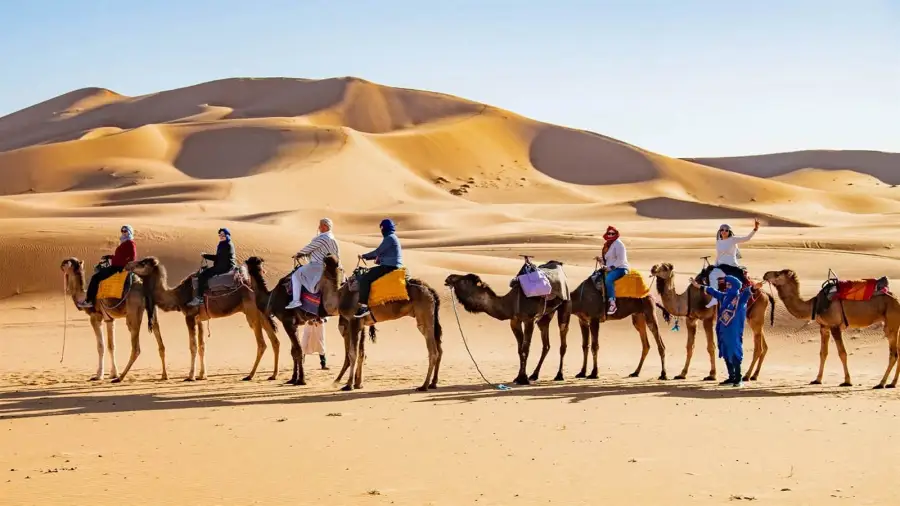
Also loved by solo travellers
Add Morocco to your list
Planning solo travel in Morocco? Best time to go, visa basics, budget per day, safety tips for women, packing list and 5 to 14-day itineraries.
Travel solo. Explore together.
Thinking about Peru with a group?
Ask us anything about travelling solo with a group, or tell us your dates. When a real group trip matches, we will let you know – no spam, no invented offers.
- 1Tell us the country and monthOr just ask a question – packing, safety, budget.
- 2Get an honest answer by emailFrom people who plan group trips, not a robot.
- 3Join a real departure – or notYou only book when a date suits you. Book now, pay later.