Is Cusco good for solo travel?
Cusco works very well for solo travellers. The historic centre is compact, most sights are within walking distance of the Plaza de Armas, and the city is the starting point for nearly every trip to the Sacred Valley, Machu Picchu and the big Andean treks. That means a steady flow of travellers of all ages, from backpackers on long South America routes to people on a two-week holiday, and it is rarely hard to find someone to share a day trip or a dinner with.
The city itself is a big part of the appeal. Spanish churches and mansions stand on Inca foundations, markets are full of Andean produce, and evenings are lively without being overwhelming. Many people plan three days and end up staying a week.
What makes it harder
Altitude is the main challenge. At around 3,400 metres, even short uphill walks feel tiring at first, and sleeping badly on the first nights is common. Mornings and evenings are cold and many guesthouses have little heating. Plan easy first days, keep alcohol light and listen to your body. If you are worried about altitude, starting in the lower Sacred Valley and coming up to Cusco afterwards is a sensible order, and it is worth talking to a doctor before you travel.
Things to do in Cusco alone
Most of Cusco's best experiences are easy to enjoy on your own, at your own pace.
- Walk the historic centre: start at the Plaza de Armas, then follow Hatun Rumiyoc street to see the Twelve-Angled Stone and some of the finest Inca walls in the city.
- Visit Qorikancha: the Inca sun temple under the Santo Domingo convent shows how two cultures were built one on top of the other.
- Join a free walking tour: tip-based walking tours leave from the centre most days and are an easy way to meet other travellers.
- Climb to the viewpoints: the San Cristóbal church terrace and the Cristo Blanco statue give wide views over the rooftops; go in daylight.
- Explore the hill sites: Sacsayhuamán, Q'enqo, Puka Pukara and Tambomachay sit above the city and are covered by the Cusco tourist ticket (boleto turístico); check which sites your ticket version includes.
- Take a class: Spanish lessons, cooking classes and weaving demonstrations are good solo activities with company built in.
- Museums: the Museum of Pre-Columbian Art and the Inca Museum explain what you will see later in the valley and at Machu Picchu.
Take it slowly. The streets are steep and an afternoon rest is normal for the first few days, so plan one main activity in the morning and keep the rest of the day flexible.
Where to stay in Cusco as a solo traveller (and getting around)
Choosing the right area makes a big difference in Cusco, mostly because of the hills and the noise.
Historic centre
Staying within a few blocks of the Plaza de Armas or Plaza Regocijo puts you close to restaurants, tour departures and taxis. It is the easiest choice for a first visit and feels busy into the evening. Rooms facing the street can be noisy, so ask for a quieter one.
San Blas
The artists' quarter above the cathedral has narrow lanes, small cafés and craft workshops. It is atmospheric and popular with solo travellers, but the climb back up is hard work in the first days at altitude.
Around San Francisco and San Pedro market
A little more local and often better value, with easy access to the market and flatter streets.
Getting around
The centre is best on foot. For longer distances and at night, use ride-hailing apps or taxis arranged by your accommodation. The airport is close to the city, usually a short taxi ride depending on traffic. Shared minibuses called colectivos run to Sacred Valley towns such as Pisac, Urubamba and Ollantaytambo; ask your host for the current departure point. Wherever you stay, read reviews from other solo travellers, ask whether rooms have heating or extra blankets, and choose a place with a 24-hour reception if you arrive late.
Is Cusco safe for solo female travellers?
Many women travel to Cusco alone and find it a comfortable city to explore. The centre is busy with visitors and locals during the day and evening, and tourist police are often visible around the main squares. Like anywhere popular, it is not risk-free, and a few habits make a real difference.
- Petty theft: pickpocketing happens in markets, crowded streets and at bus terminals. Use a cross-body bag, keep your phone out of sight when you are not using it and leave your passport in a safe unless you need it.
- Taxis at night: use apps or taxis booked through your accommodation rather than stopping cars on the street, especially late.
- Nightlife: Cusco has a lively bar scene. Watch your drink, do not accept drinks from strangers and go home with people you trust. Alcohol hits harder at altitude.
- Quiet viewpoints: some hillside paths, such as those near Cristo Blanco and Sacsayhuamán, are best visited in daylight and not alone very early or late.
- Spiritual ceremonies: be very cautious about anyone offering ayahuasca or San Pedro ceremonies; these carry real health and personal safety risks.
Altitude is a health issue rather than a crime one, but it affects energy and judgment, so rest and drink water. Check your government's travel advice before you go, as protests and road blockades can occasionally disrupt travel in the region.
What to eat in Cusco on your own
Eating alone in Cusco is easy and relaxed. Markets and set-lunch places have shared tables and a steady flow of locals, so you rarely feel out of place.
San Pedro market
The city's central market is the best place to start. Sit at the juice stalls for a fresh fruit mix, try a bowl of soup at the food counters and look at the huge variety of potatoes, corn and Andean grains. Keep an eye on your bag in the busier aisles.
Dishes to try
- Menú del día: a set lunch of soup and a main course, the classic way to eat well at midday.
- Chiriuchu: a cold platter of guinea pig, chicken, sausage, seaweed and corn cake, traditionally eaten around Corpus Christi.
- Cuy al horno: roasted guinea pig, a festive Andean dish often served whole.
- Chicharrón: fried pork with corn and mint, popular on weekend mornings.
- Alpaca: lean meat, often served grilled.
- Quinoa soup and trout: highland staples, the trout usually farmed in mountain lakes and rivers.
Drinks
Mate de coca (coca leaf tea) is offered almost everywhere, and many people find it comforting while adjusting. Emoliente, a warm herbal drink sold from street carts in the evening, is a local habit worth trying. Go easy on alcohol for the first days.
Day trips from Cusco
Cusco is surrounded by Inca sites, mountains and valleys, and several of the best day trips are easy to join alone.
- The Sacred Valley: the most popular day out, usually combining Pisac's market and terraces, the circular terraces of Moray, the Maras salt pans and the fortress of Ollantaytambo. Many travellers prefer to stay a night or two in the valley instead.
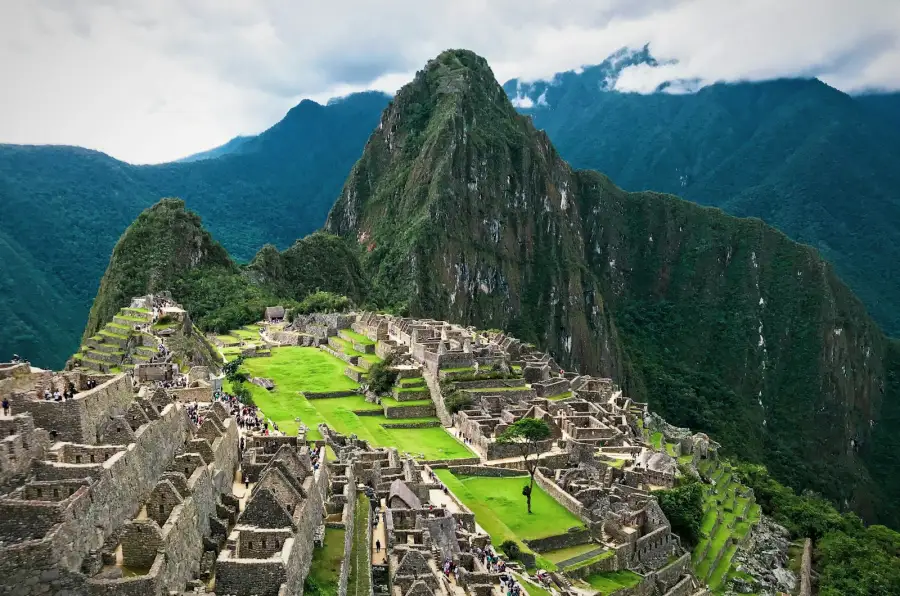
- Machu Picchu: a same-day trip by train is possible but long, starting before dawn and returning late. A night in Aguas Calientes or Ollantaytambo is more relaxed.
- Rainbow Mountain (Vinicunca): striped, colourful slopes reached by a hike to around 5,000 metres. It is a very early start and only sensible once you are well acclimatised.
- Humantay Lake: a turquoise glacial lake below a snowy peak, reached by a steep hike; also high and also an early start.
- South Valley: the Inca water channels of Tipón, the pre-Inca site of Pikillacta and the painted church of Andahuaylillas make a quieter day.
- Palccoyo: another rainbow mountain with a shorter walk; check road and access conditions before booking.
Shared day trips are a simple way to reach these places with company. Compare what is included, how early the pick-up is and how many hours are spent driving, and leave the highest hikes until at least your third or fourth day in the region.
Cusco itinerary: how many days in Cusco?
Three to four days is a good amount for the city and nearby sites, not counting Machu Picchu or treks. Add at least one extra day if you plan Rainbow Mountain or a multi-day hike.
1 day in Cusco
- Morning: the Plaza de Armas, the cathedral and a walk to the Twelve-Angled Stone.
- Afternoon: Qorikancha, then a rest.
- Evening: the lanes of San Blas and dinner near the centre.
2 days in Cusco
- Day 1 as above.
- Day 2: San Pedro market in the morning, then Sacsayhuamán and the hill sites in the afternoon, ending at a viewpoint before sunset.
3 days in Cusco
- Days 1 and 2 as above.
- Day 3: a full day in the Sacred Valley with Pisac, Moray, Maras and Ollantaytambo, or the quieter South Valley.
A popular longer plan is two nights in Cusco, two nights in the Sacred Valley, one night near Machu Picchu and a final night back in Cusco. If altitude worries you, reverse the order and start in the valley, which is several hundred metres lower. Keep one flexible half-day in case you need extra rest.
Joining a Cusco group tour as a solo traveller
Cusco is one of the easiest places to switch between independent and group travel. You can explore the city alone, then join others for the parts that need more organisation.
When a group helps most
- Treks: the classic Inca Trail must be walked with a licensed operator, and permits are limited. Salkantay and Lares treks are also usually done in organised groups with guides, cooks and pack animals or porters.
- Machu Picchu logistics: timed entry tickets, trains and buses need to fit together. Group itineraries handle this and usually include a guide at the site.
- Early high-altitude hikes: Rainbow Mountain and Humantay Lake involve pre-dawn drives; going with a small group means company and a guide who knows the signs of altitude sickness.
What to look for
Check the group size, the typical age range and whether you can have a room of your own or share with another solo traveller. Ask how many acclimatisation days are built in, how porters are treated and what happens if you feel unwell on a trek. Read independent reviews rather than relying only on a company's own website. Many solo travellers book a group trip for the Sacred Valley and Machu Picchu section, then spend a few unhurried days alone in Cusco afterwards.
Cusco for solo travellers: questions
How many days should I spend in Cusco?
Three to four days covers the city, the hill sites and a Sacred Valley day at a comfortable pace. Add extra days for Machu Picchu, Rainbow Mountain or a multi-day trek.
Should I go to the Sacred Valley before Cusco?
Many travellers do, because the valley is several hundred metres lower and gentler for the first nights. You can then visit Machu Picchu and finish in Cusco when your body has adjusted.
Is Cusco walkable for a solo traveller?
Yes, the historic centre is compact and most sights are within walking distance. The streets are steep and cobbled, so wear good shoes and walk slowly on the first days.
Is it safe to walk around Cusco at night alone?
The busy streets around the Plaza de Armas are usually lively in the evening. Late at night, take an app taxi or one booked by your accommodation, and avoid quiet hillside paths after dark.
What is the Cusco tourist ticket?
The boleto turístico is a combined ticket for many sites in and around the city, including Sacsayhuamán and several Sacred Valley ruins. There are full and partial versions, and Qorikancha and the cathedral are not included, so check what each covers.
Is Cusco a good first solo trip in South America?
It is a popular choice because the route is well organised, English is common in tourist businesses and meeting people is easy. The altitude and early starts are the main things to plan for.
Can I do Rainbow Mountain alone?
Most people join a shared day trip because the trailhead is far from Cusco and the drive starts before dawn. Only go once you are well acclimatised, and turn back if you feel unwell.
Where do solo travellers meet people in Cusco?
Social hostels, free walking tours, Spanish schools, cooking classes and shared day trips are the easiest places. Multi-day treks often create the strongest friendships.
How cold does Cusco get at night?
In the dry season, nights can drop to around freezing even when days are sunny and mild. Pack warm layers and check whether your room has heating or extra blankets.
When is Inti Raymi in Cusco?
Inti Raymi, the Inca festival of the sun, is held on 24 June, with celebrations in the days before. The city is very busy then, so book accommodation and Machu Picchu tickets early.
Do I need cash in Cusco?
Yes, for markets, small shops, colectivos and tips. Cards are accepted in many hotels and restaurants, and ATMs are easy to find in the centre; carry small notes in Peruvian soles.
Can I visit Machu Picchu as a day trip from Cusco?
It is possible by train, but it makes a very long day with an early start and a late return. Most solo travellers find a night in Aguas Calientes or Ollantaytambo more enjoyable.
People also search for
solo travel Cusco travel to Cusco alone Cusco solo female travel is Cusco safe for solo female travellers things to do in Cusco alone where to stay in Cusco as a solo traveller how many days in Cusco Cusco itinerary 3 days best time to visit Cusco Cusco group tour for solo travellers day trips from Cusco Cusco altitude tips