How group trips for 20s and 30s usually work
Most trips aimed at younger travellers follow a set route with a tour leader, shared transport and booked accommodation. Some set an age range, often something like 18–35 or 18–39, while others simply attract a younger crowd. If an age limit matters to you, check it before booking.
Typical features
- Social focus: group dinners, evenings out and activities designed to help people get to know each other.
- A fast pace: many cover several cities or regions in one or two weeks.
- Simple accommodation: hostels, guesthouses, budget hotels or camps, often in shared rooms.
- Optional activities: things like boat days, cooking classes, hikes or water sports, sometimes paid separately.
- Public and private transport mix: local buses, trains, night trains or minibuses.
Trips range from very party-focused to more culture and adventure-based. The trip description, sample itinerary and photos usually give a clear idea of which kind it is. If you are not keen on late nights, look for a trip that focuses on hiking, food or culture rather than nightlife.
Because these trips often move quickly, it is worth checking how many nights you spend in each place. Two or three nights in a base gives you time to explore on your own, while one night stops can feel rushed.
Group trip or independent backpacking?
Plenty of people in their 20s and 30s backpack independently and meet others in hostels. A group trip is not better or worse – it solves different problems.
A group trip may suit you if
- You have one or two weeks of holiday and do not want to spend them planning routes and booking transport.
- You want guaranteed company from the first day.
- The country has long distances, a different script or tricky transport.
- It is your first trip outside your home region.
Independent travel may suit you if
- You have plenty of time and a tight budget.
- You enjoy changing plans at short notice.
- You are happy to meet people in hostels and on walking tours.
Many travellers mix both. A common approach is to join a short group trip at the start, then travel on alone using what you have learned. Countries such as Vietnam, Thailand and Portugal work well for this, because routes are well established and transport is straightforward once you know the basics.
Some travellers also use a group trip for the parts of a country that are harder to do alone, such as a desert camp, a multi-day trek or a remote region, and travel independently in the cities. Planning it this way can give you the best of both styles.
How much do group trips for 20s and 30s cost?
Trips for younger travellers are often among the cheapest group trips, because they use simpler accommodation and local transport. Prices still vary a lot by country and season. As a general guide, excluding flights:
- Budget trips in South-East Asia or North Africa: usually the cheapest
- Budget to mid-range trips in Southern Europe or Japan: usually more expensive
Prices vary – check current prices and what is included before you go. A low headline price can mean many meals and activities are extra.
Where the extra money goes
- Optional activities, which can add up quickly
- Drinks and nights out
- Meals not included
- A tip for the leader and drivers
- Travel insurance, visas and flights
Ask for a suggested spending amount for the trip. If you are on a tight budget, decide in advance which optional activities matter most to you. It is completely normal to sit some out.
Keep an eye on exchange rates and card fees. Using a card without foreign transaction fees and taking out larger amounts of cash less often can save money over a trip. Always keep a little emergency money separate from your daily spending.
How to choose the right trip
Two trips to the same country can feel completely different. Compare these points before you book:
- Age range: some trips set firm limits, others are open to all ages.
- Group size: large groups are lively, small ones are more flexible.
- Trip focus: nightlife, beaches, adventure, culture or a mix.
- Rooming: dorms, same-gender shared rooms or private rooms at extra cost.
- Pace: how many places in how many days, and how many long travel days.
- What is included: meals, entry tickets, activities and transfers.
Check the basics
Read the cancellation policy, the minimum group size for the trip to run and the deposit terms. Buy travel insurance that covers the activities you plan to do, such as diving, motorbike rides or trekking. Check visa and entry requirements for your passport on official government sources, and read your government's travel advice for the country.
Look for independent reviews on sites you trust and ask questions before paying. A clear, specific answer to a simple question tells you a lot about an organiser.
If you are unsure between two trips, compare a typical day on each. Start times, hours on the road and how much is planned will tell you more about the experience than the trip name.
Staying safe and healthy on a fast-paced trip
Young travellers can feel invincible, but a fast-paced trip with late nights, heat and new food can catch anyone out. A few habits keep you healthy and safe.
- Sleep when you can. Travel days and early starts add up quickly.
- Drink water regularly, especially in hot countries and after nights out.
- Protect your valuables. Use a bag that closes, keep your phone out of back pockets and do not leave belongings on beaches or café tables.
- Be careful with scooters and motorbikes. Accidents are a common cause of injury for travellers in some countries, and your insurance may not cover you without the right licence and a helmet.
- Know local laws. Penalties for drug offences can be very severe in some countries, including parts of Asia and the Middle East.
Before you go
Read your government's travel advice for the country, check vaccinations with a doctor or travel clinic and buy insurance that covers the activities you plan to do. Save the leader's number and your accommodation address offline.
None of this needs to spoil the fun. Most problems are avoidable with a little common sense, and travelling in a group means there is usually someone looking out for you.
Fitting a group trip around work and limited holidays
If you are working full time, holiday days are precious. Group trips can help you see a lot in a short time, but it is worth planning carefully.
- Use public holidays: combining a long weekend with a few days of leave can make a one-week trip possible.
- Avoid exhausting first days: arriving after a long-haul flight and starting a packed schedule the next morning can be hard. An extra night at the start helps.
- Watch the overall pace: a trip that covers many places in a few days can leave you needing another holiday afterwards.
- Consider shoulder seasons: travelling just outside peak months can mean lower prices and fewer crowds, although the weather may be less predictable.
For a first one-week trip, compact countries or regions work well. Portugal, Jordan, Morocco and parts of Italy or Greece can be explored well in seven to ten days. Longer-haul destinations such as Japan, Vietnam, Thailand or Peru are better with ten days to two weeks, so the flight time is worth it.
Think about how you want to feel when you get home. If you need rest as well as excitement, choose a trip with a couple of slower days or end it with a night somewhere calm before your flight.
Countries that suit this style
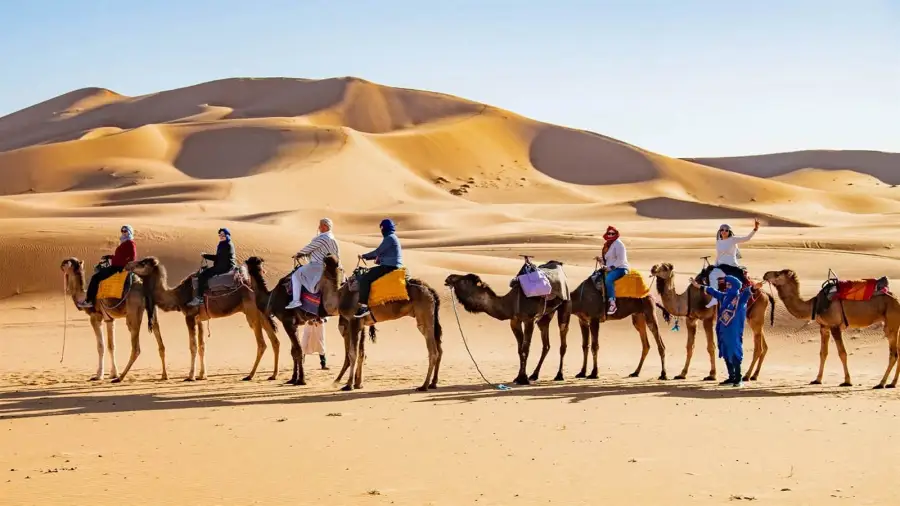 MoroccoCities, mountains and the Sahara in a week or so, with many trips using riads and desert camps that suit a budget.
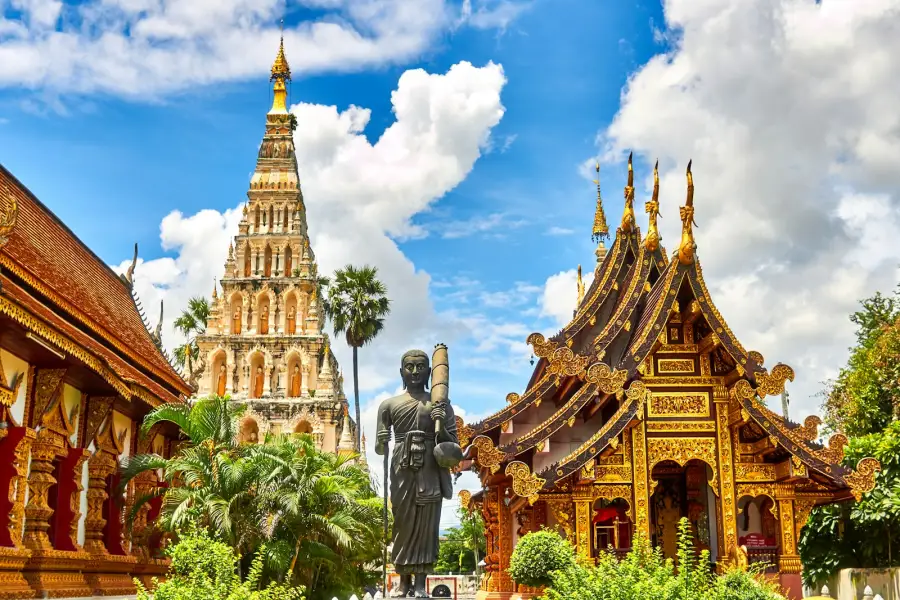 ThailandA long-established route for younger travellers, with islands, street food and a big social scene, and easy to continue alone afterwards.
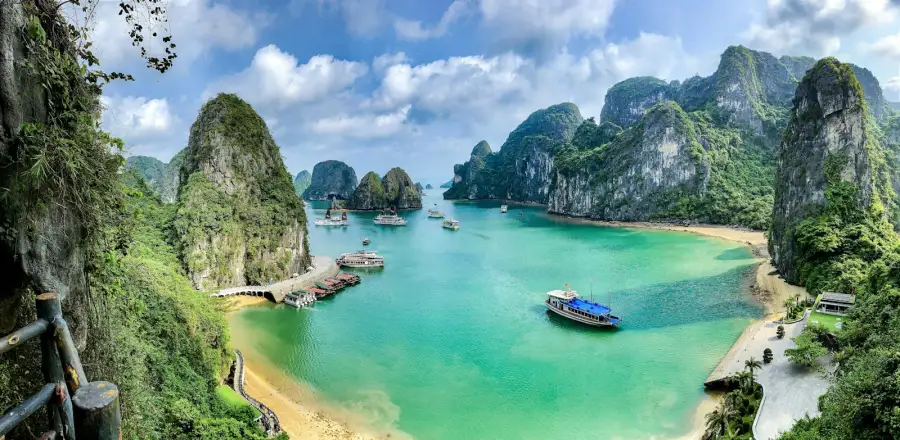 VietnamVaried scenery from north to south, cheap food and transport and a classic route that suits a social group trip.
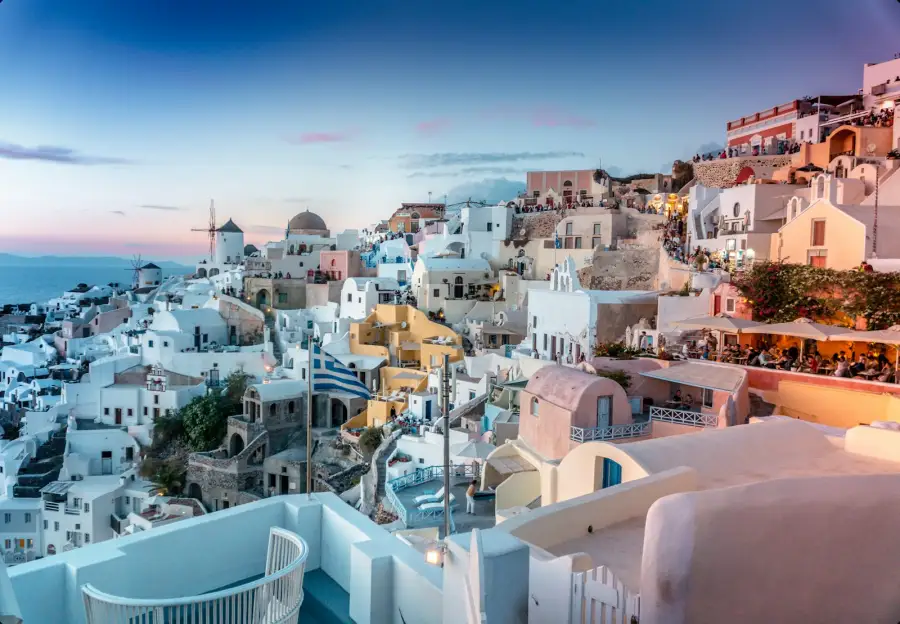 GreeceIsland hopping, beaches and ancient sites suit a social summer trip, though peak season can be busy and pricier.
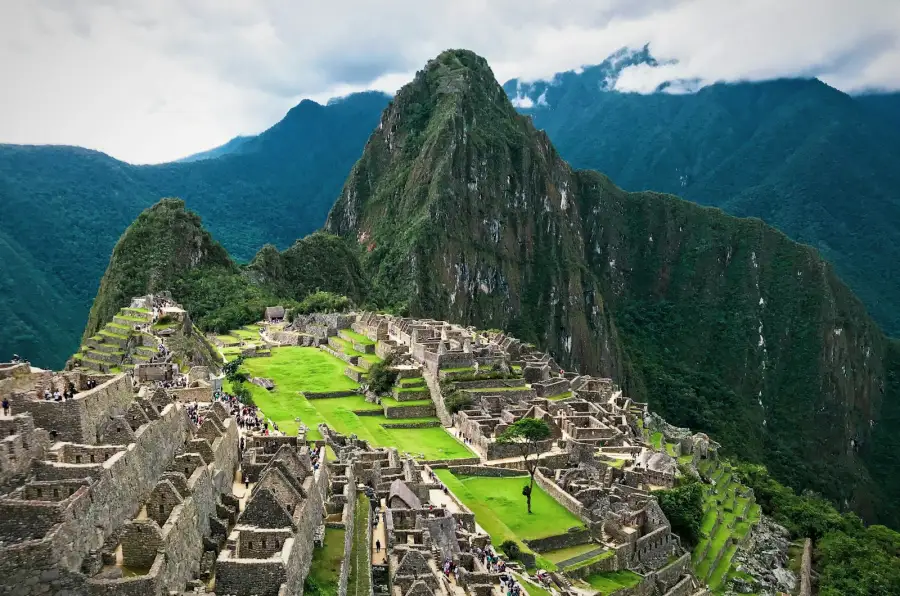 PeruAdventure-focused trips with hiking, Andean culture and Machu Picchu suit active travellers who want a challenge.
 PortugalGood for a short trip, with surf towns, lively cities and relatively easy transport for a first group experience.
Questions people ask
Are group trips for 20s and 30s just party trips?
No. Some trips focus on nightlife, but many focus on adventure, food, culture or hiking. Read the trip description and sample itinerary to see what kind of trip it is.
What is the usual age limit on youth group trips?
Many set an upper limit somewhere in the 30s, often 35 or 39, but rules vary. Some trips are open to all ages and simply attract younger travellers. Check the specific trip before booking.
Is a group trip cheaper than backpacking?
Usually not on a daily basis, but it can save time and reduce mistakes, especially on a short holiday. Independent backpacking is often cheaper if you have time and are happy to plan everything yourself.
Do I have to share a room?
Many budget trips use shared rooms, often with travellers of the same gender. Some offer private rooms at extra cost. Check the rooming arrangement before you book.
Can I travel on alone after a group trip?
Yes, and many people do. Ending a group trip in a well-connected city makes it easy to continue independently. Check your visa conditions and flights allow it.
Which country is best for a first group trip in my 20s?
Thailand, Vietnam, Portugal and Morocco are popular choices because routes are well established and they suit different budgets. The best choice depends on your interests and how much time you have.
What if I do not get on with the group?
It happens occasionally. Spend time with different people, use free time to do your own thing and speak to the leader if there is a real problem. Most groups find a comfortable balance after a day or two.
What are the best group trips for young solo travellers?
The best ones match your interests and budget, whether that is adventure, food, culture or nightlife. Popular first choices include Thailand, Vietnam, Portugal and Morocco because routes are well established. Check the age range, pace and what is included before booking.
Are group tours for 18–35 year olds worth it?
They can be if you want built-in company, an organised route and less planning on a short holiday. They usually cost more per day than independent backpacking but save time and reduce mistakes. A low headline price can mean many activities are extra.
Is it safe for a woman in her 20s to join a group trip alone?
Many young women join group trips alone. Keep the same habits as anywhere – watch your drinks, protect valuables, read your government's travel advice and buy insurance that covers your activities. Being in a group usually means someone is looking out for you, but it does not remove every risk.
How do I meet people in my 20s while travelling solo?
Group trips aimed at 18–35s or 18–39s are designed to be social, with group dinners and activities. Hostels, walking tours and classes are good options on independent trips. Saying yes to comfortable invitations helps.
Can I join a group trip in my 30s or will everyone be younger?
Many trips set an upper limit in the 30s, often 35 or 39, so you can join, but the average age varies. Some trips are open to all ages and simply attract younger travellers. Ask about the typical age on your departure.
How much does a group trip for 20s and 30s cost?
Excluding flights, budget trips in South-East Asia or North Africa are usually the cheapest, while budget to mid-range trips in Southern Europe or Japan cost more. Add optional activities, drinks, meals not included, tips and insurance. Check current prices.
Can I set boundaries on a social group trip?
Yes. You can skip nights out, sit out optional activities and take time alone during free time. Most groups find a comfortable balance after a day or two, and it is completely normal to do your own thing sometimes.
How do I fit a group trip into limited annual leave?
Many trips cover several places in one or two weeks, which suits a short holiday. Using public holidays and choosing a trip that ends in a well-connected city makes it easy to add or skip days. Check flights and visa conditions if you plan to stay on.
Are group trips for young people all hostels and shared rooms?
Often they use hostels, guesthouses, budget hotels or camps, frequently with shared rooms. Some offer private rooms at extra cost. Check the rooming arrangement before you book.
What are the biggest risks on a fast-paced group trip?
Tiredness, dehydration, stomach upsets, scooter accidents and theft are the most common problems. Severe penalties for drug offences in some countries are another serious risk. Sleep when you can, drink water, wear a helmet and know local laws.
Should I choose a party trip or an adventure trip?
Choose based on what you want from the holiday – some trips focus on nightlife, others on hiking, food or culture. The trip description, sample itinerary and photos usually make the style clear. If you are not keen on late nights, pick a culture or adventure focus.
People also search for
group trips for 20s and 30s group tours for 18-35 solo travel in your 20s young solo travel groups group trips for young solo travellers solo female travel in your 20s backpacking vs group tour social group trips for singles budget group tours for young travellers group travel for 30 somethings solo travel group for millennials best first group trip in your 20s solo travel 30s solo travel 40s solo travel over 40 solo travel young people
The social side: making friends and setting boundaries
For many people the best part of these trips is the group itself. Travelling with people your own age who also came alone makes it easy to start conversations, and friendships made on the road can last.
Getting off to a good start
It is fine to say no
A social trip does not mean you have to do everything. You can skip a night out, go to bed early or spend a free day alone. Most groups include a mix of people, from those who want to party every night to those who prefer early mornings.
Look after each other
Respect also goes beyond the group. Be aware of noise in guesthouses and hostels, dress appropriately away from beaches and follow the guide's advice on local customs. Behaving well keeps the welcome warm for future travellers.